By Sally English
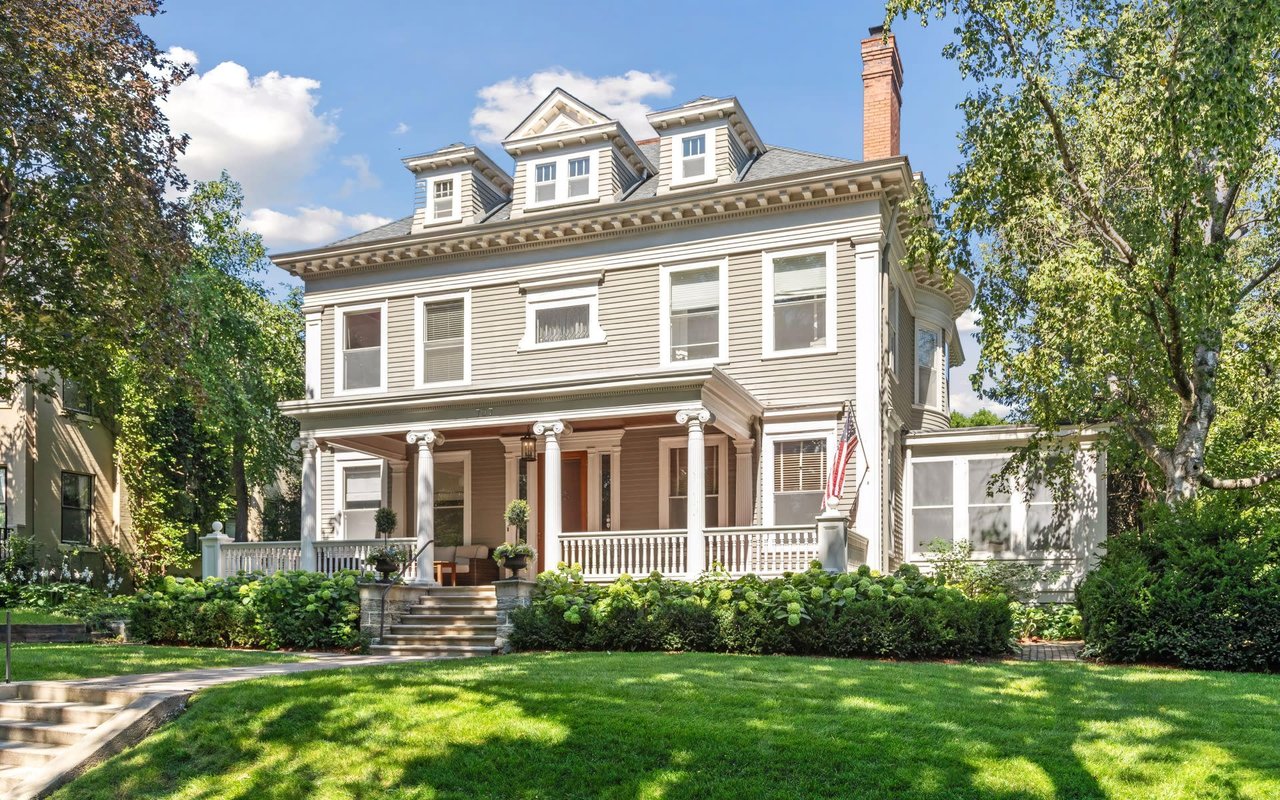
Remodeling a home can be one of the most exciting—and stressful—projects a homeowner takes on. In the Twin Cities, where housing stock ranges from historic homes in Summit Hill to mid-century properties in Golden Valley and newer builds in Lakeville, renovations are often about balancing character, functionality, and long-term value.
As someone who works closely with homeowners and buyers throughout Minneapolis–St. Paul, I’ve seen renovations that dramatically elevate a home’s lifestyle and resale appeal—and others that miss the mark. A successful remodel isn’t just about aesthetics. It’s about planning, prioritization, and understanding how your renovation fits within the local market.
If you’re considering a remodel, these tips will help you make smart decisions, avoid costly missteps, and create a home that truly works for you.
Start With a Clear Goal for Your Remodel
Before you talk to a contractor or select finishes, clarify why you’re remodeling. Are you updating your home to improve daily living? Preparing it for resale? Accommodating a growing family or aging-in-place needs?
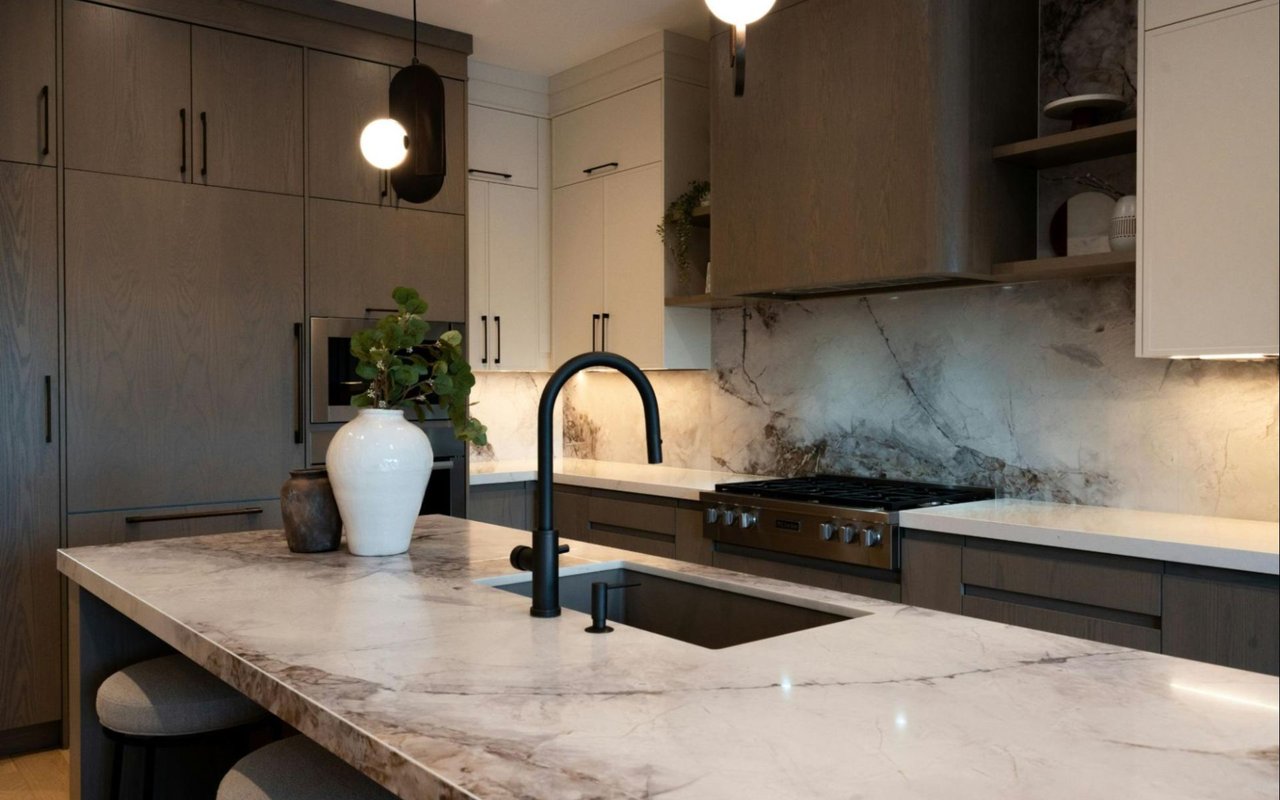
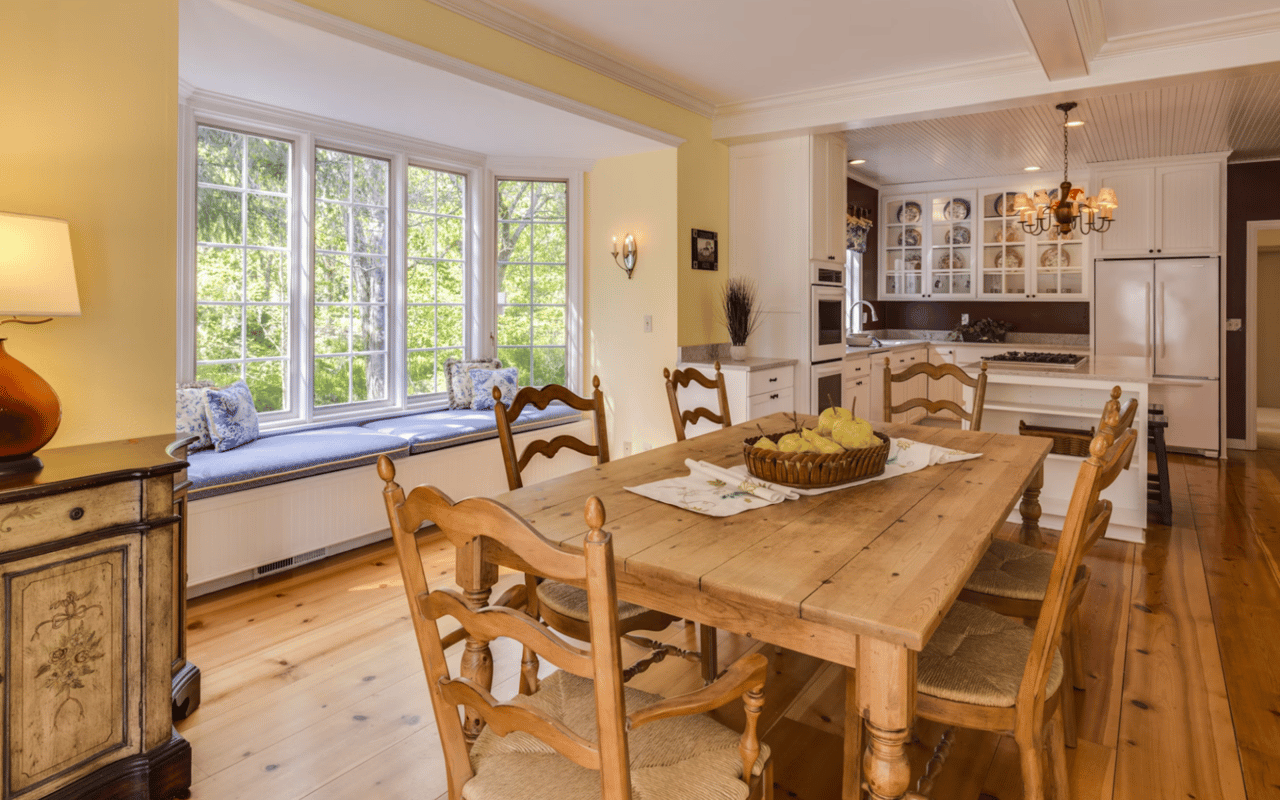
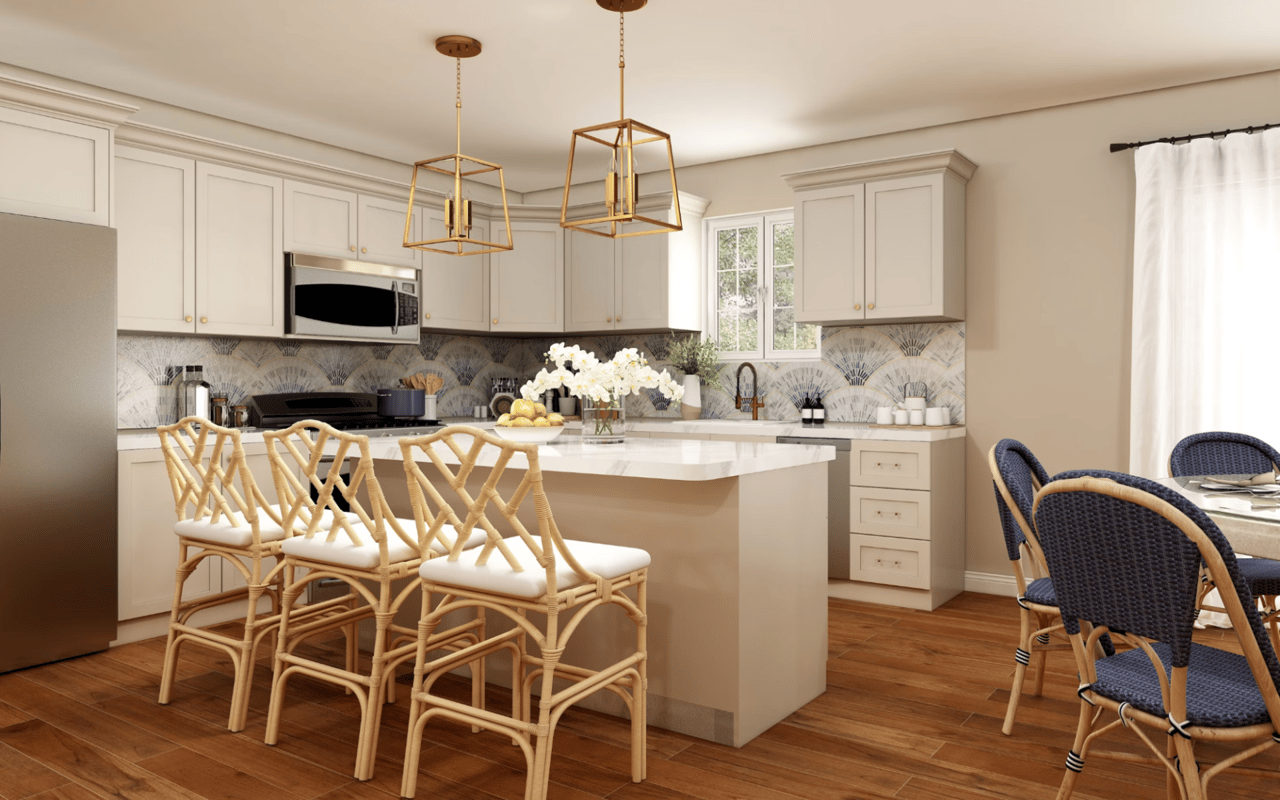
A kitchen remodel in Edina meant to support entertaining may look very different from a kitchen update in Northeast Minneapolis designed to boost resale value. When your goals are clear, every decision—from layout to materials—becomes more intentional.
I always encourage homeowners to think about both short-term enjoyment and long-term impact. A renovation should support how you live now while still making sense for future buyers in the Twin Cities market.
Set a Realistic Budget—and Build in a Buffer
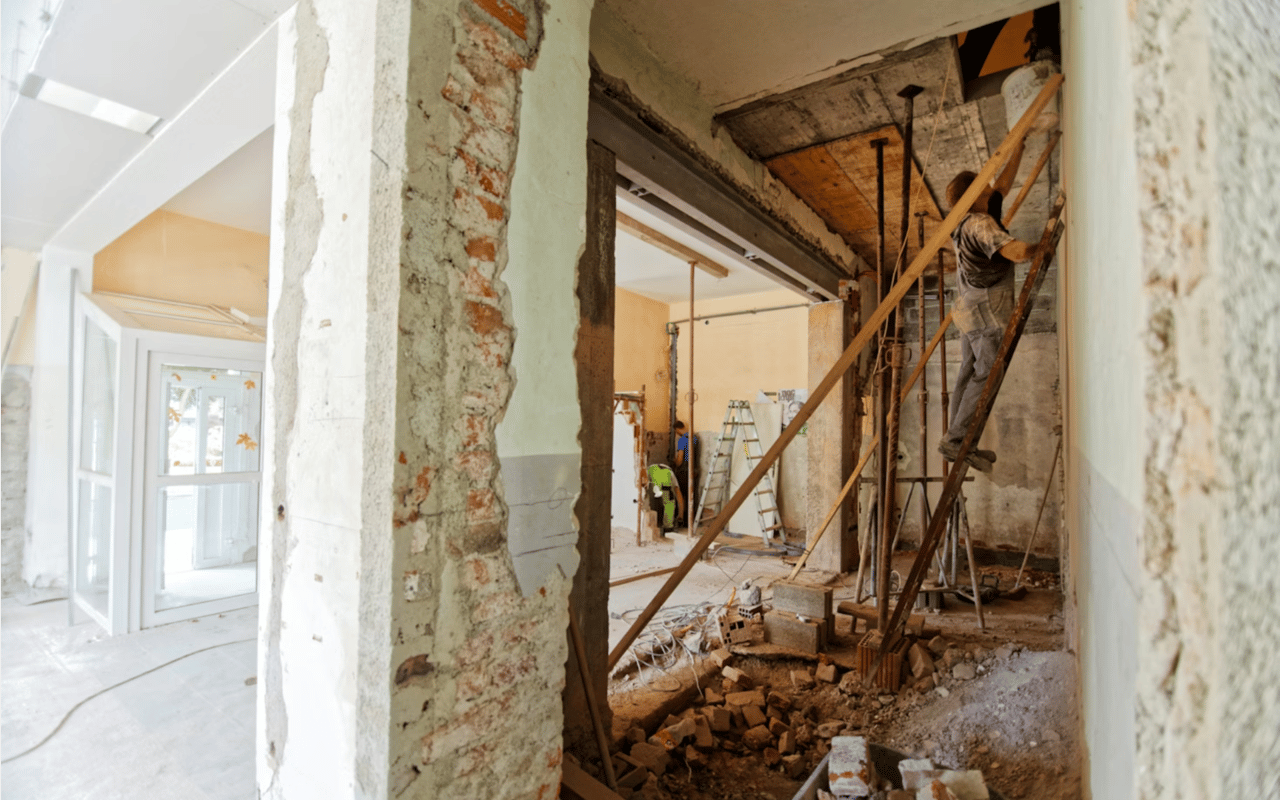
One of the most common renovation mistakes I see is underestimating costs. In older Twin Cities homes, especially those built before 1950, opening walls can reveal surprises such as outdated wiring, plumbing issues, or insufficient insulation.
A smart rule of thumb is to set aside 10–20% of your total budget as a contingency fund. This cushion helps you stay calm and in control if unexpected issues arise.
It’s also important to prioritize spending where it matters most. Structural improvements, quality windows, proper insulation, and mechanical systems often provide more long-term value than purely cosmetic upgrades—especially in Minnesota’s climate.
Understand Local Permits and Regulations
Remodeling in the Twin Cities isn’t just about design; it’s about compliance. Cities like Minneapolis and St. Paul have specific permitting requirements, particularly for electrical, plumbing, and structural changes. Historic districts and older neighborhoods may also have additional guidelines.
Working with licensed, local contractors who understand municipal regulations can save you time, money, and frustration. Skipping permits may seem tempting, but it can create serious issues during resale and inspections.
If your renovation is part of a longer-term plan to sell, proper documentation is essential for protecting your investment.
Choose Improvements That Add Real Value
Not all renovations offer the same return on investment. In the Twin Cities, projects that consistently add value include kitchen and bathroom updates, energy-efficient improvements, finished basements, and functional layout changes.
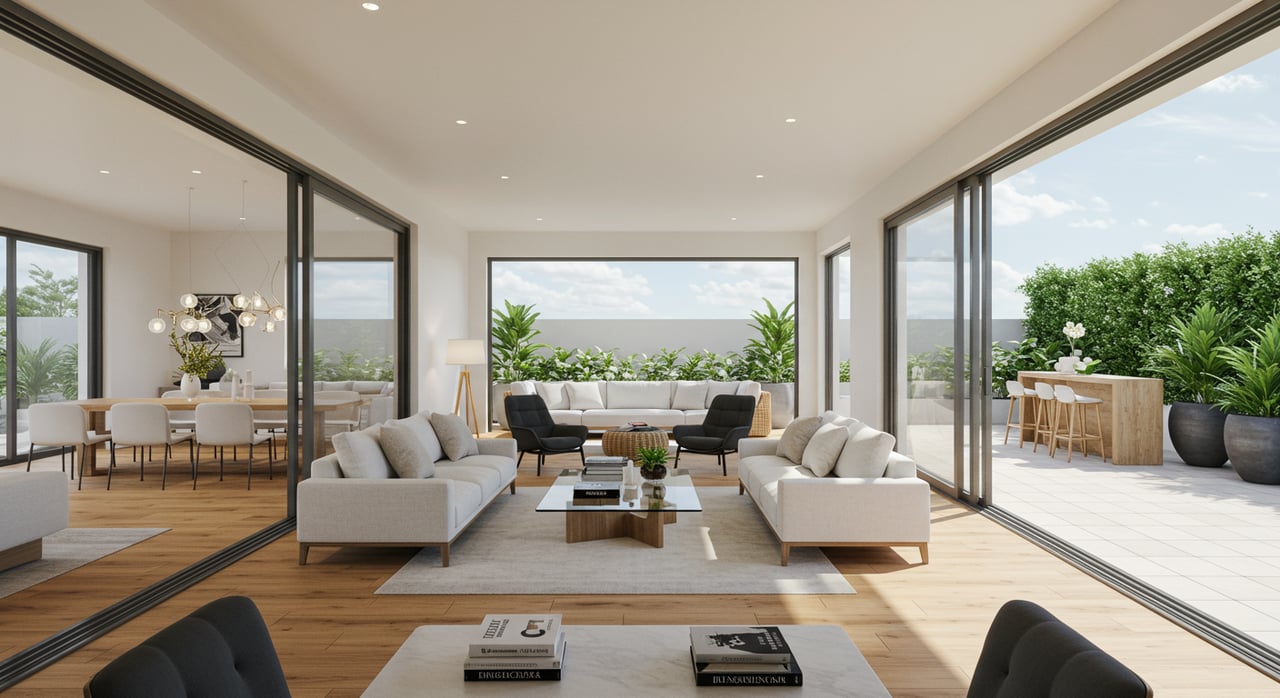
Open-concept living remains popular, but it must be done thoughtfully—especially in older homes where defined spaces are part of the charm. In neighborhoods like Linden Hills or Mac-Groveland, preserving architectural integrity while modernizing functionality is often the winning combination.
I help homeowners evaluate which upgrades make sense for their specific neighborhood and price point so they don’t over-improve relative to the surrounding market.
Plan for Minnesota Weather Realities
Our climate plays a major role in remodeling success. Timing matters. Exterior projects such as roofing, siding, or deck construction are best planned for late spring through early fall.
Interior projects should factor in winter conditions that can affect material delivery and contractor availability.
Interior projects should factor in winter conditions that can affect material delivery and contractor availability.
Energy efficiency should also be a priority. High-quality insulation, energy-efficient windows, and updated HVAC systems not only improve comfort but are highly attractive to Twin Cities buyers who understand heating costs.
A remodel that accounts for weather durability and efficiency is one that performs better year after year.
Think Function First, Then Style
Design trends are fun, but functionality is what makes a renovation successful. Storage, traffic flow, lighting, and everyday usability should guide your decisions before selecting finishes.
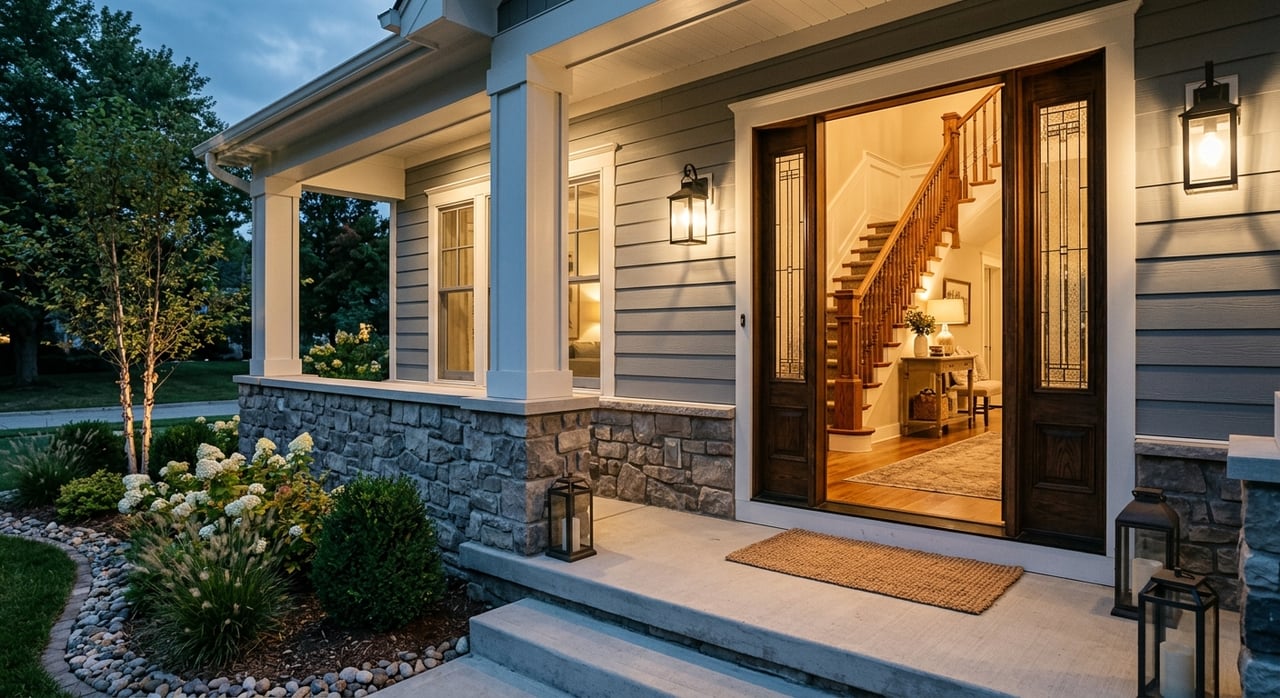
For example, adding a mudroom or improving entryway storage can be transformative for families dealing with snowy boots and winter gear. Finished lower levels with flexible spaces are especially valuable in Twin Cities homes where indoor living space matters during colder months.
Once the layout works beautifully, then layer in style that reflects your taste while remaining broadly appealing.
Work With the Right Professionals
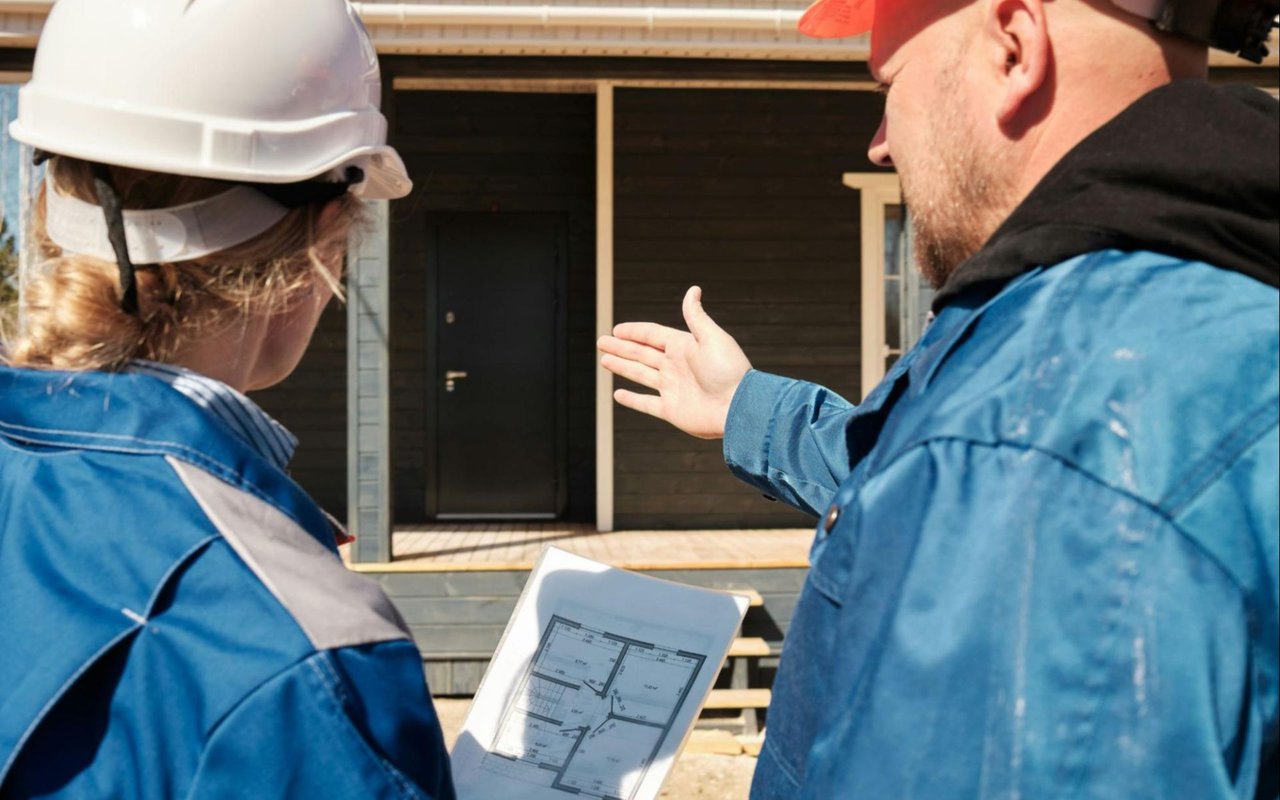
A successful remodel is a team effort. Architects, designers, contractors, and real estate professionals each bring valuable perspectives. Choosing experienced local professionals who communicate clearly and respect timelines makes an enormous difference.
From a real estate standpoint, I often advise homeowners during the planning phase to ensure renovation choices align with market expectations. This is especially important if resale is part of your future plan.
The right guidance early on can prevent costly changes later.
Avoid Over-Customization
Personal expression is important, but extreme customization can limit future appeal. Highly specific design choices—such as bold color schemes, unconventional layouts, or ultra-niche materials—may not resonate with future buyers.
In Twin Cities neighborhoods with strong resale demand, neutral foundations with personality layered through décor tend to perform best. This approach allows you to enjoy your space while keeping options open down the road.
Frequently Asked Questions About Home Remodeling
Should I remodel before selling my home?
It depends. Some updates, like fresh paint or minor kitchen and bathroom improvements, can significantly improve marketability. Larger projects should be evaluated carefully to ensure they provide a return.
What rooms should I remodel first?
Kitchens and bathrooms usually offer the highest impact. Finished basements and functional main-level improvements also add strong value in the Twin Cities.
How long should I plan for a renovation?
Timelines vary, but always expect projects to take longer than initially estimated. Building in flexibility helps reduce stress.
Can remodeling increase my home’s value in the Twin Cities?
Yes—when done strategically and in alignment with neighborhood standards. Location, quality, and functionality all matter.
Final Thoughts
A successful home remodel is about more than new finishes. It’s about thoughtful planning, local knowledge, and making decisions that enhance both your lifestyle and your home’s value.
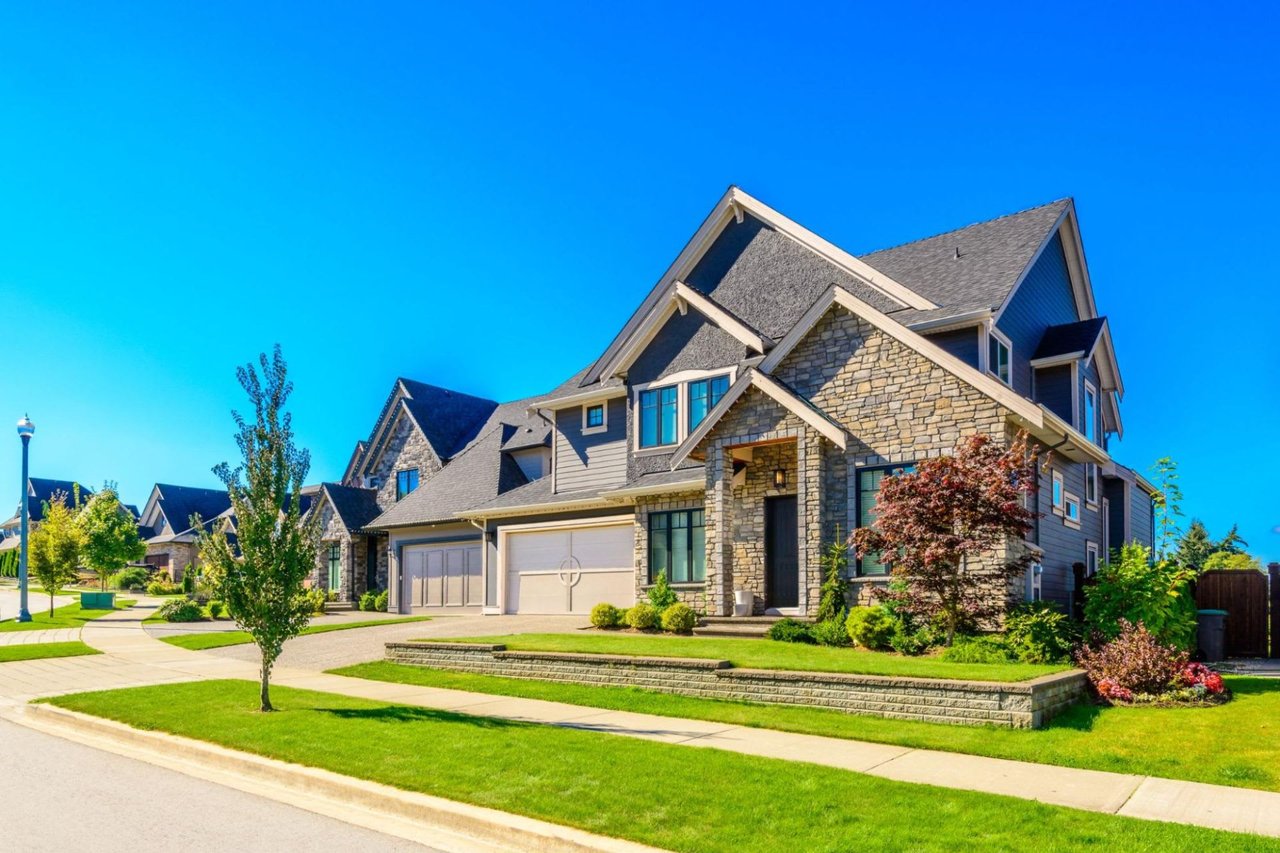
Whether you’re updating a classic Minneapolis home or modernizing a suburban property, the right approach makes all the difference.
Whether you’re updating a classic Minneapolis home or modernizing a suburban property, the right approach makes all the difference.
If you’re considering a remodel and want insight on how your plans align with the Twin Cities real estate market, I’d be happy to help. Connect with me and start a conversation about how to make your renovation a success.