By Sally English
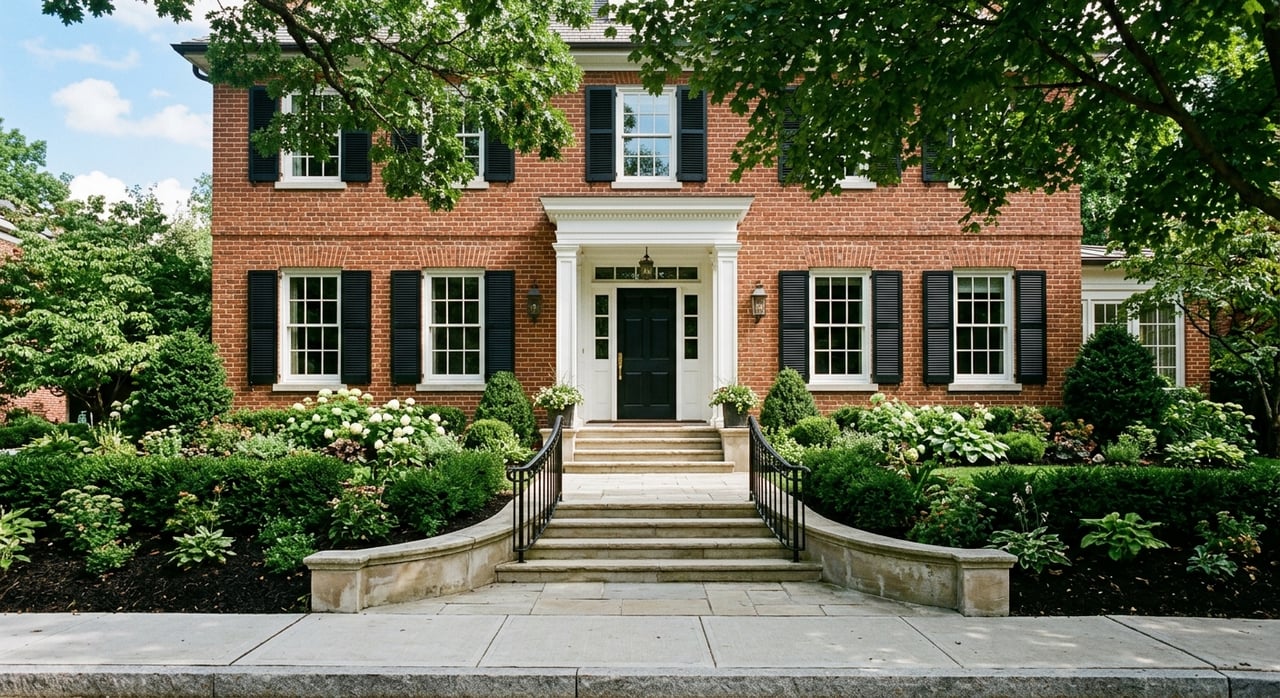
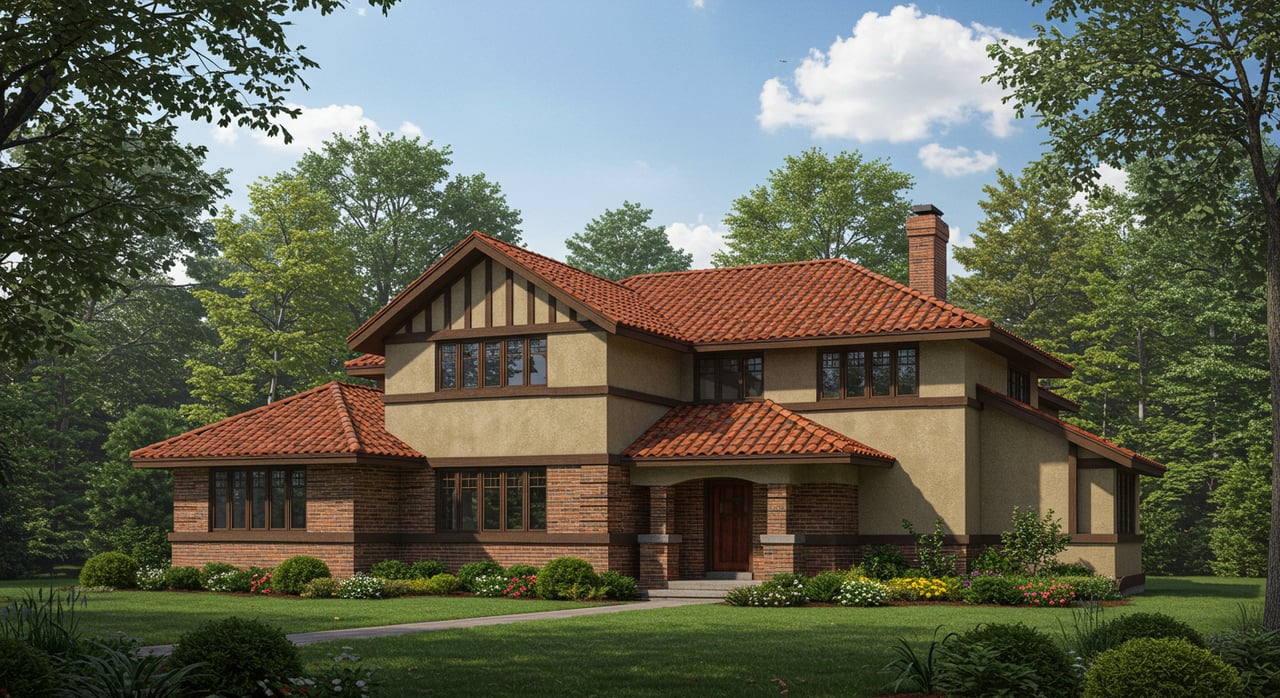
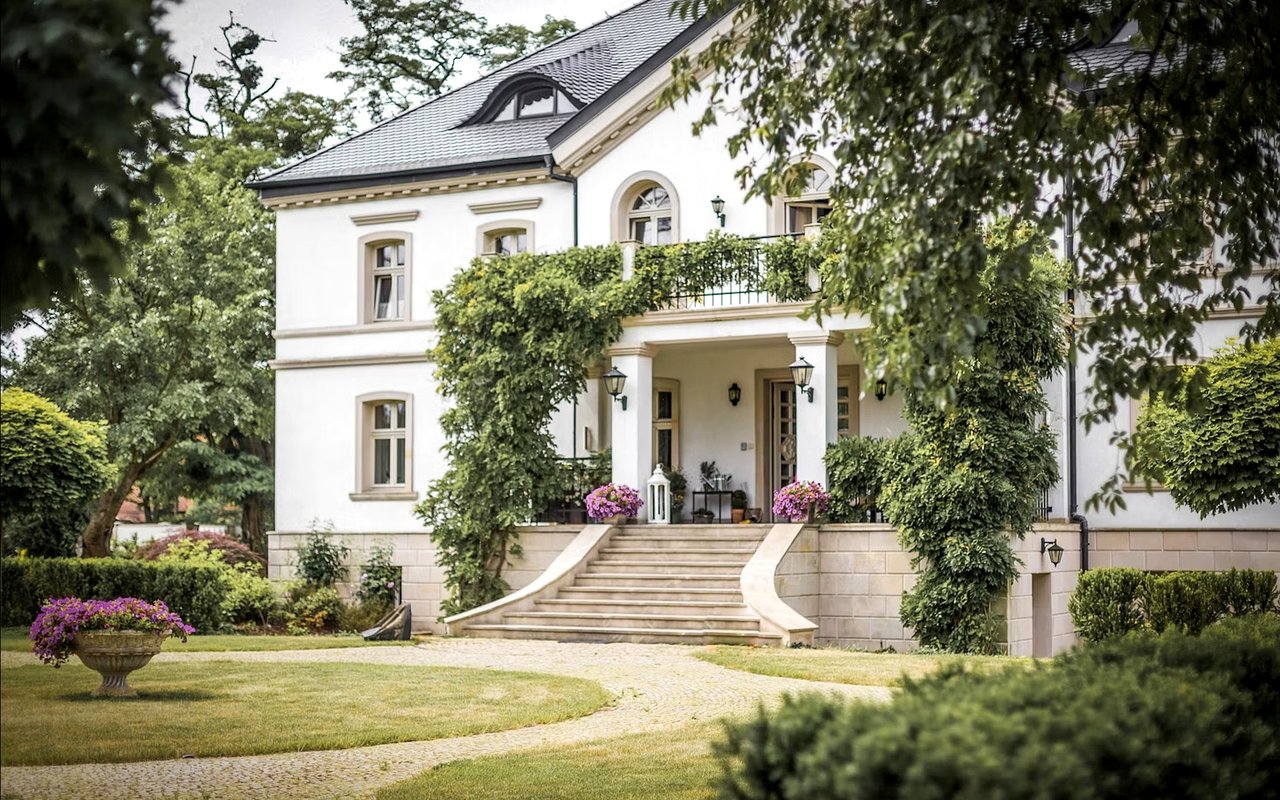
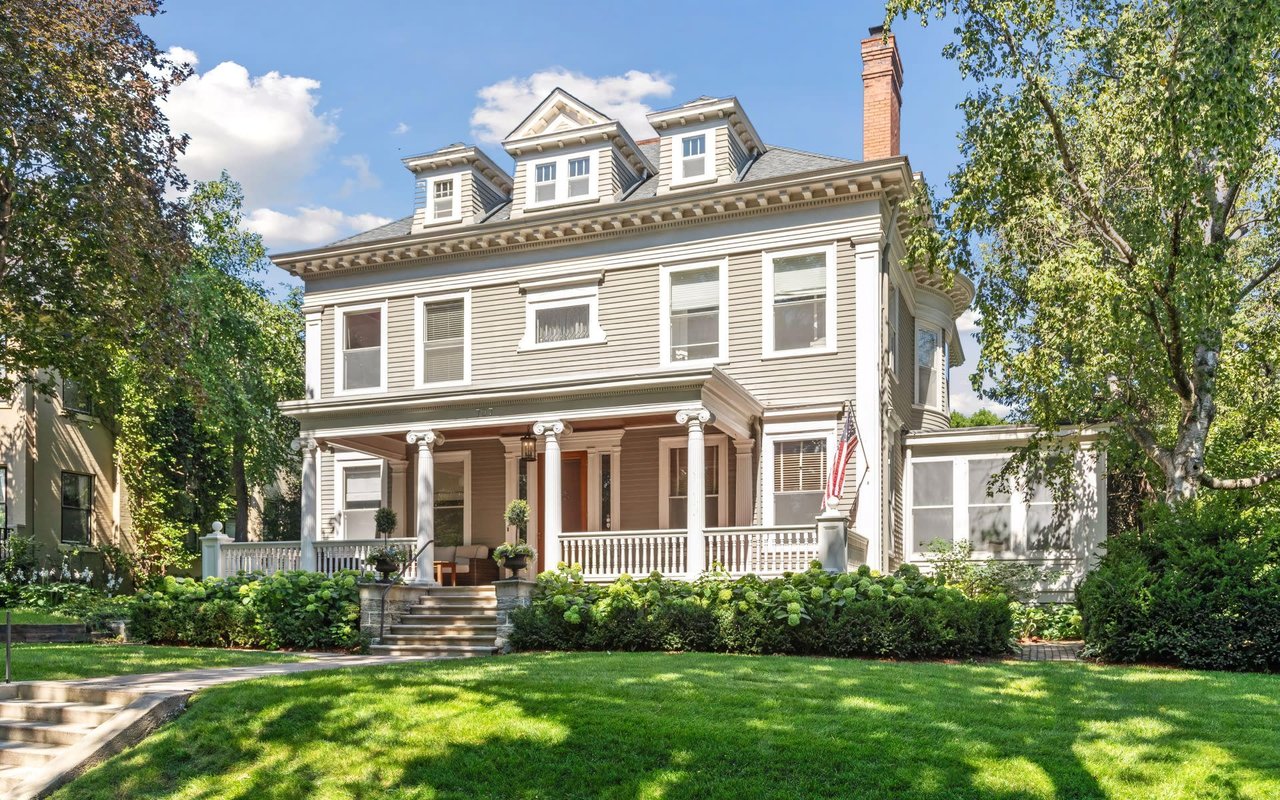
St. Paul’s housing stock ranges from historic Summit Avenue mansions and Cathedral Hill brownstones to newer luxury condos near Lowertown and river-facing homes along the Mississippi. Neighborhood rhythms differ fast, from the Grand Avenue retail spine to the Highland Park corridor near the river bluffs and the Ford Site redevelopment area.
This guide lays out a practical framework for investing in real estate in St. Paul with a focus on high-quality assets and long-term positioning.
Key Takeaways
-
Neighborhoods: Grand Avenue, Highland Park, Lowertown
-
Property types: Condos, small multis, single-family luxury
-
Value drivers: Transit, parks, dining corridors
-
Operations: Leasing, upkeep, and compliance steps
Choose an Investment Neighborhood With Built-In Demand
St. Paul’s best-performing investment areas often combine strong identity with daily convenience, which is why Grand Avenue, Cathedral Hill, Lowertown, and Highland Park show up repeatedly on shortlists.
Why these St. Paul pockets tend to hold attention
-
Cathedral Hill and Summit Hill: Historic streetscapes where renovated interiors and premium finishes can command strong interest.
-
Grand Avenue corridor: A walkable retail spine that supports condo demand and high-end rental appeal.
-
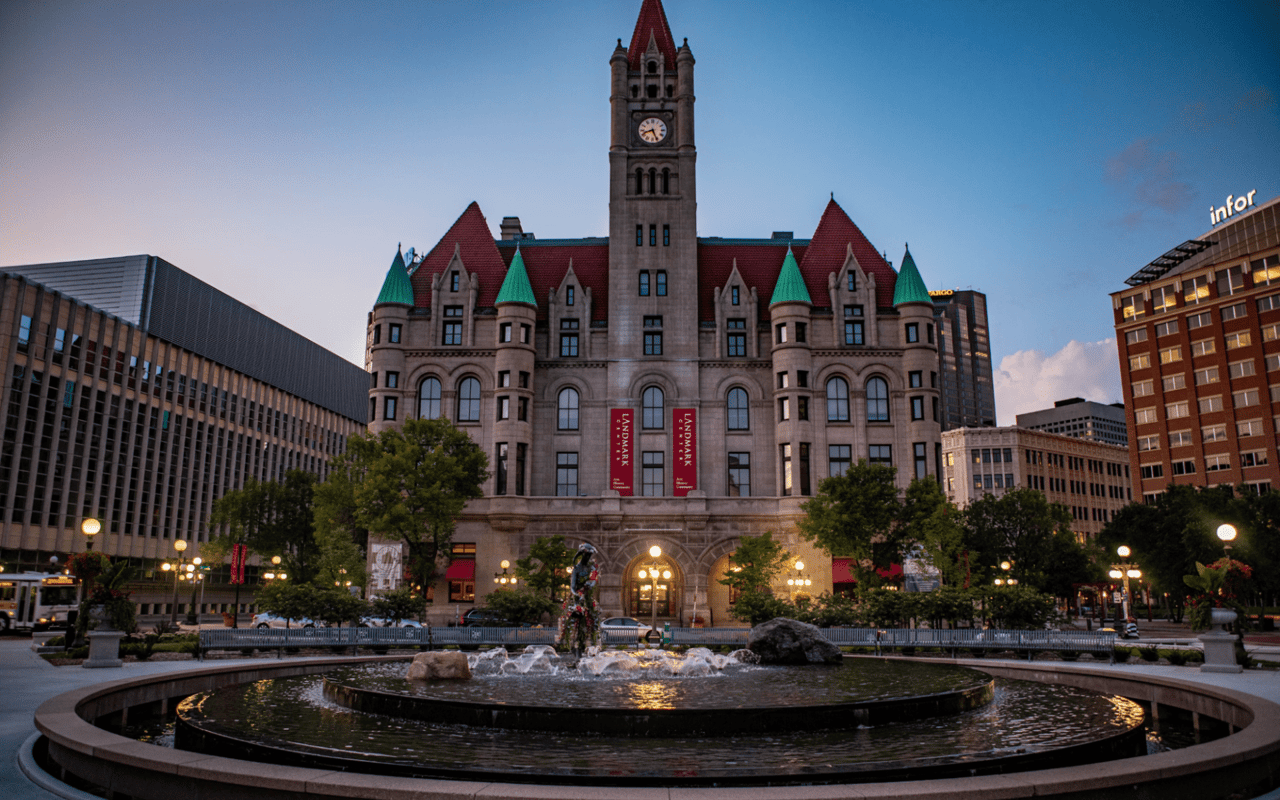
Lowertown: Warehouse-loft energy near CHS Field and the Saint Paul RiverCentre that fits an urban lifestyle profile.
-
Highland Park: River-adjacent living with quick access to parks and retail, including the evolving Ford Site area.
When I plan investing in real estate in St. Paul, I start by mapping where people spend time, like Selby Avenue patios, CHS Field events, and riverfront paths.
Pick the Right Asset Type for St. Paul’s Housing Stock
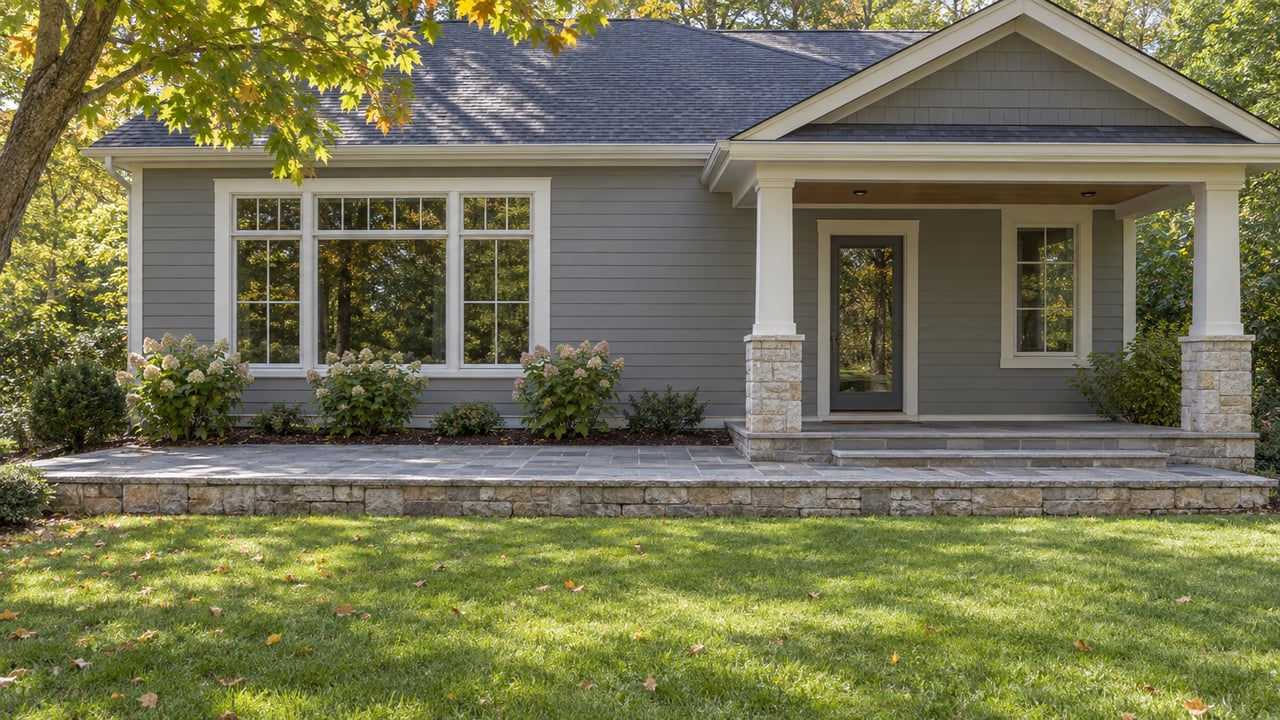
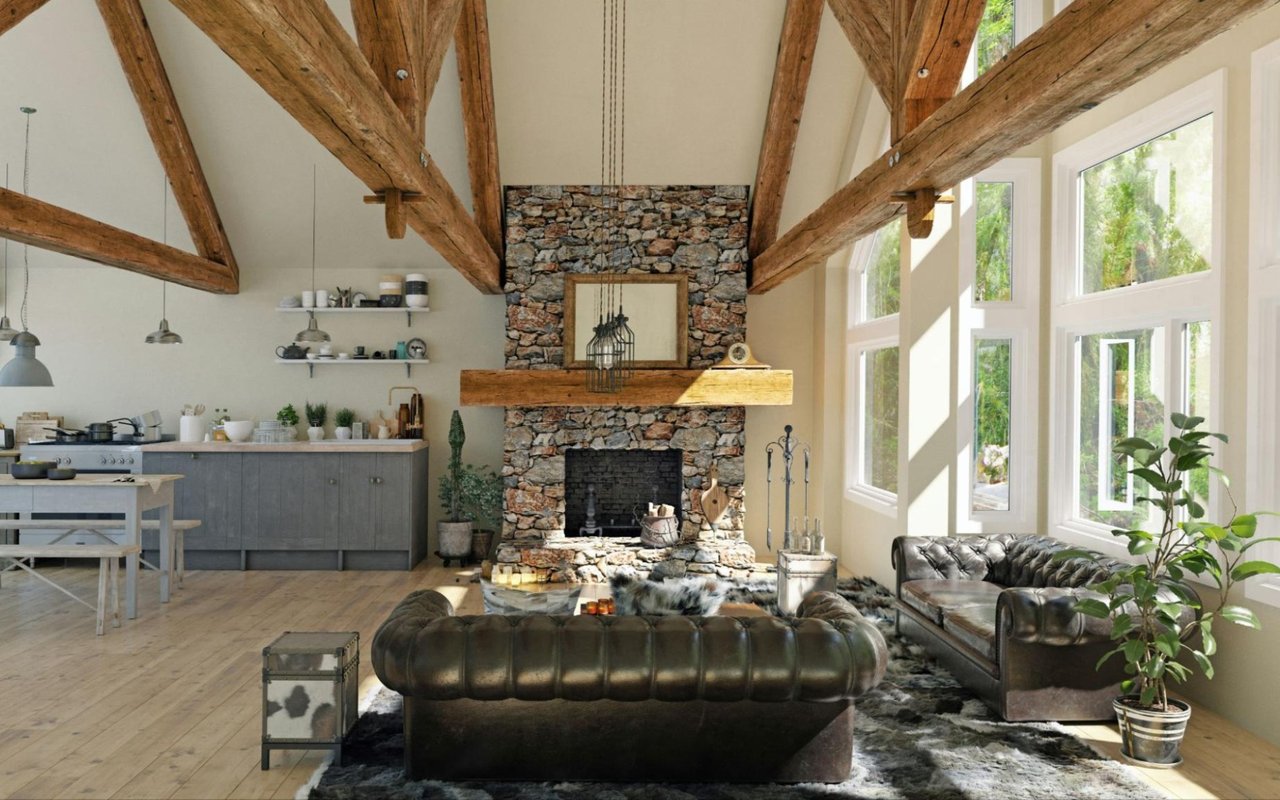
St. Paul offers a wide spread of asset types, from historic duplexes and fourplexes near Macalester-Groveland to luxury condos in downtown towers and newer builds near redevelopment zones.
Why asset selection sets the tone for returns and effort
-
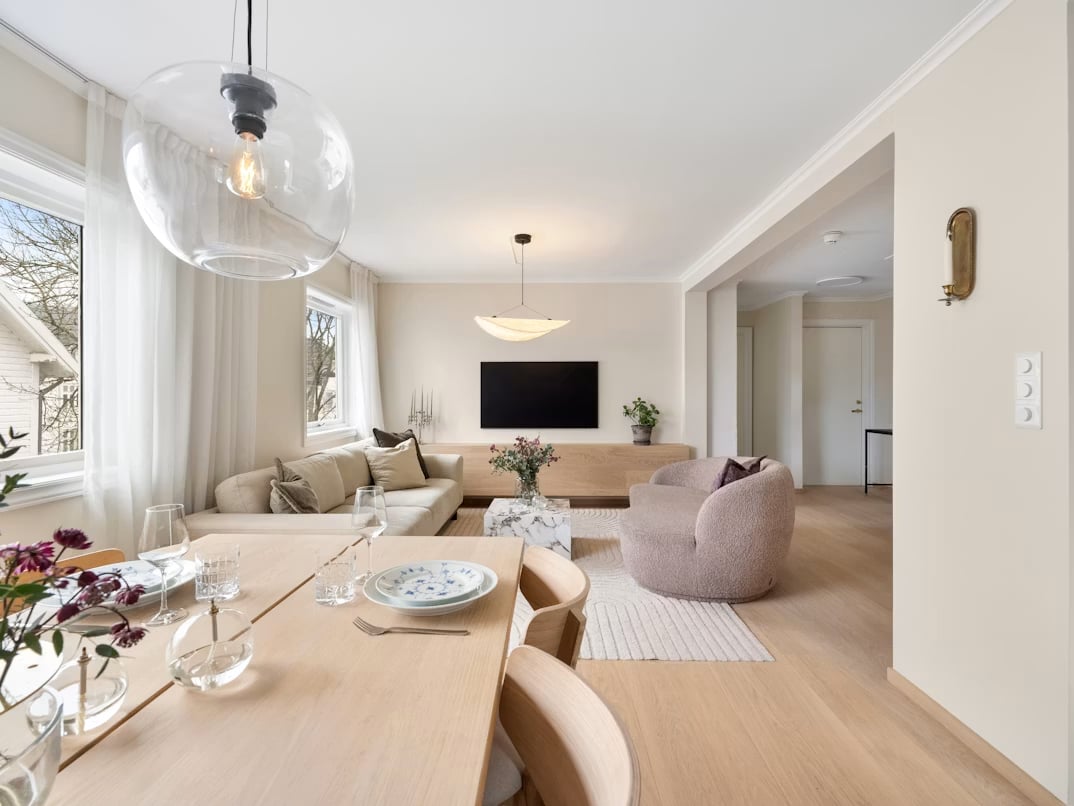
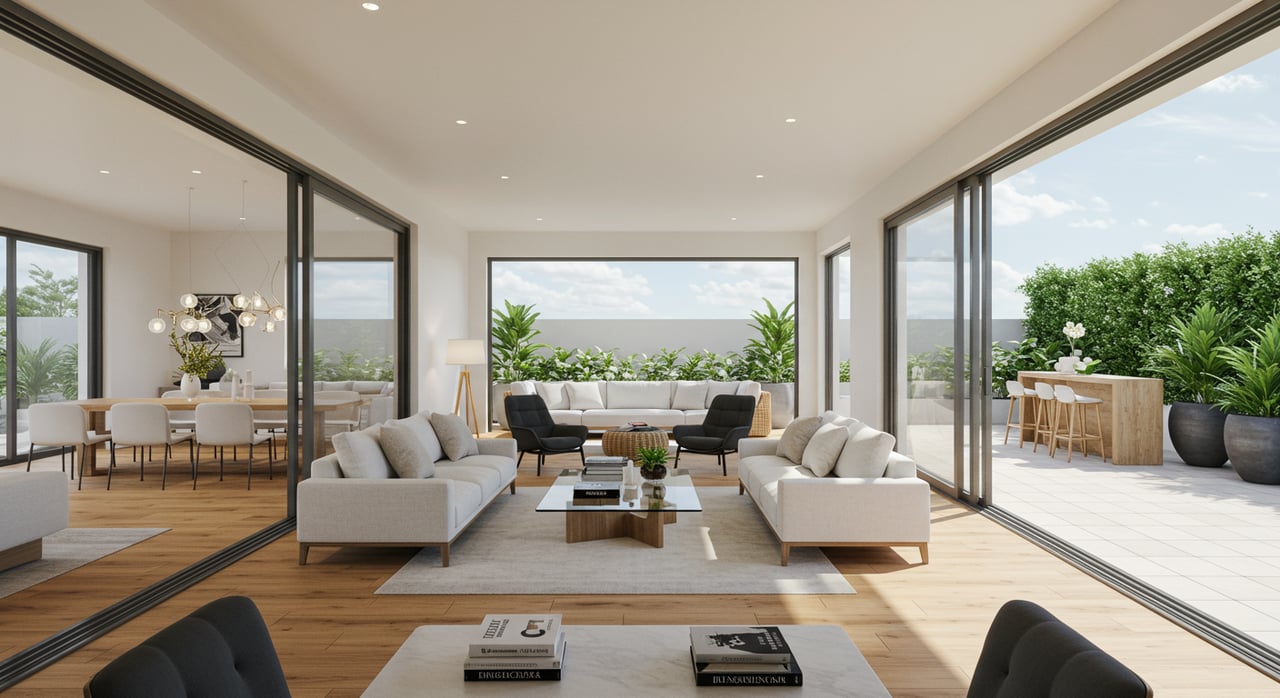
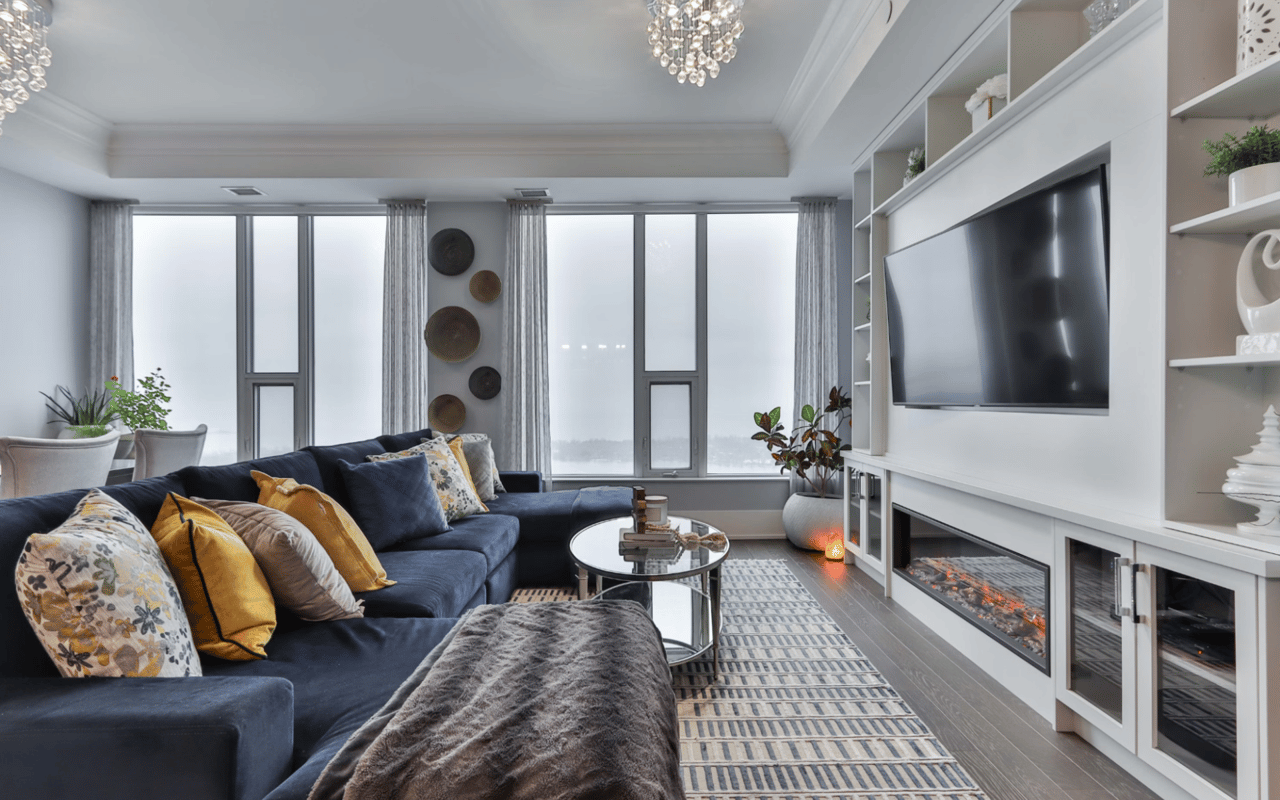
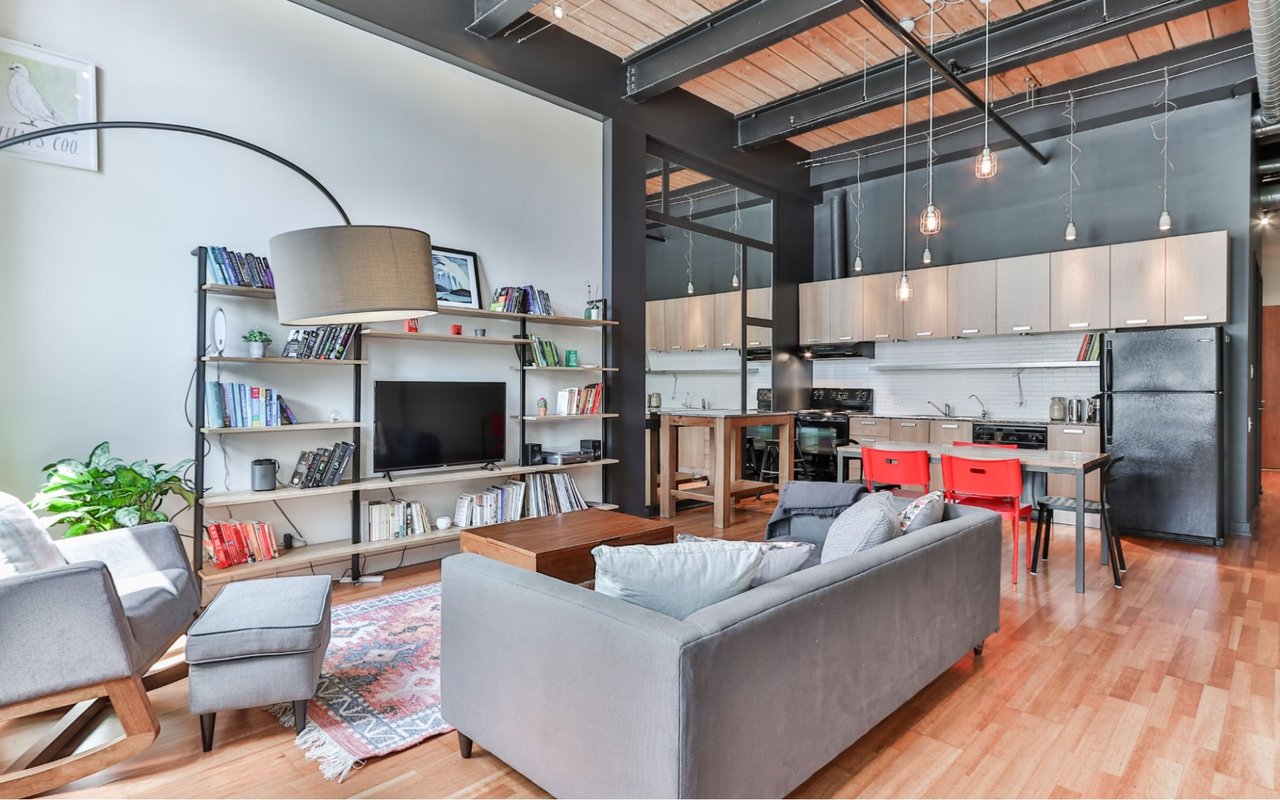
Luxury condos: Often align with Lowertown and downtown lifestyles, where amenities and parking influence pricing.
-
Small multifamily: Fits many streets near Grand Avenue and Macalester-Groveland, where classic architecture draws steady interest.
-
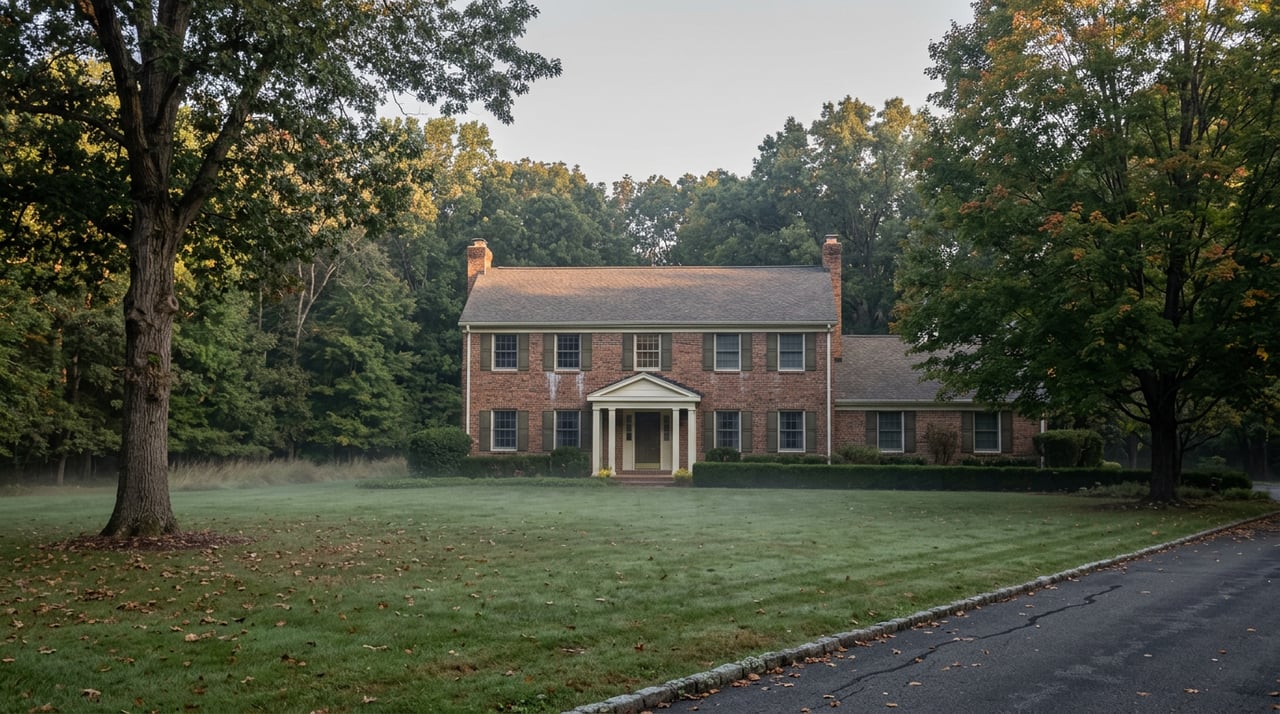
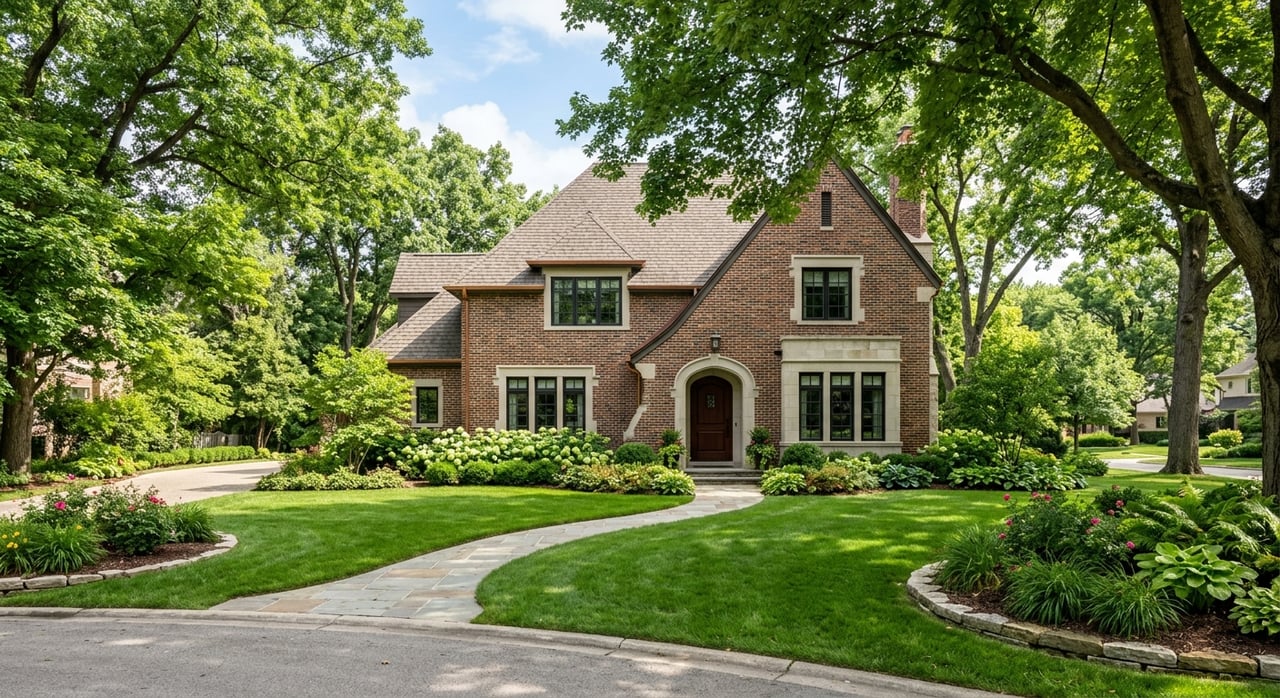
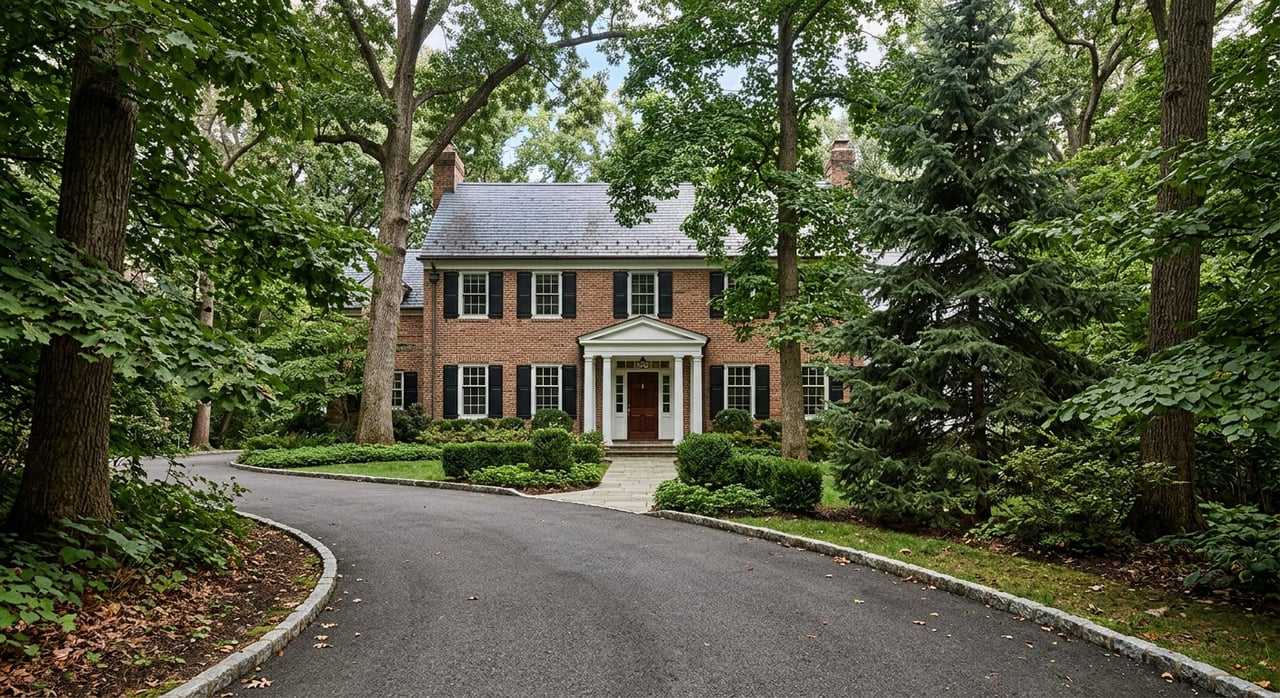
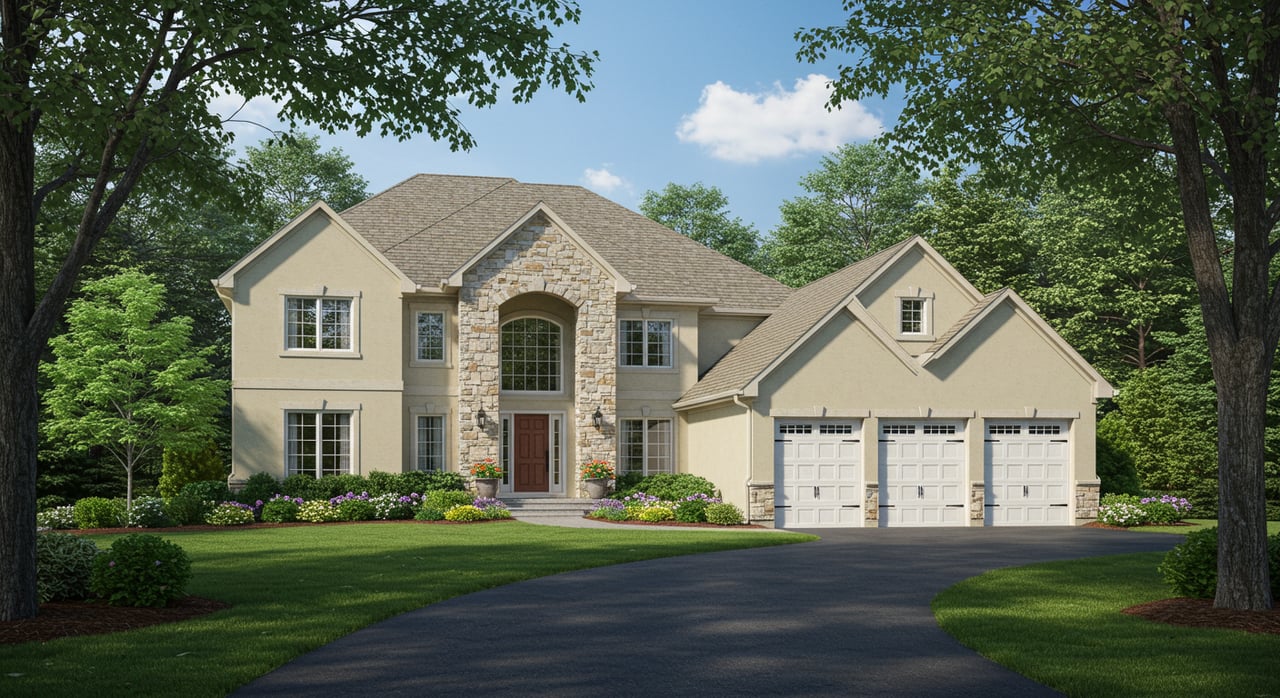
Single-family luxury: Works well near Summit Hill and along scenic corridors, where curb appeal and finishes matter.
-
Townhomes and newer builds: Often track demand near Highland Park and redevelopment edges, where modern layouts lead the pitch.
Asset choice also determines operating complexity, especially around common areas, parking, and utility configurations.
Underwrite With Street-Level Value Drivers
St. Paul pricing and rent tolerance often hinge on proximity to very specific anchors, like Como Park, the Mississippi River paths, and the Grand Avenue dining cluster.
Why these anchors influence performance and resale appeal
-
Como Park access: A major draw for routines that include trails, conservatory visits, and weekend walks.
-
Mississippi riverfront connections: Scenic value that supports premium positioning for select homes and condos.
-
Transit and key corridors: Light rail and major routes can shape commute convenience and tenant demand.
-
Entertainment nodes: CHS Field, Xcel Energy Center proximity, and downtown venues can influence urban-unit pricing.
These drivers become more powerful when they match a property’s design, like a balcony for river views or a mudroom for park routines.
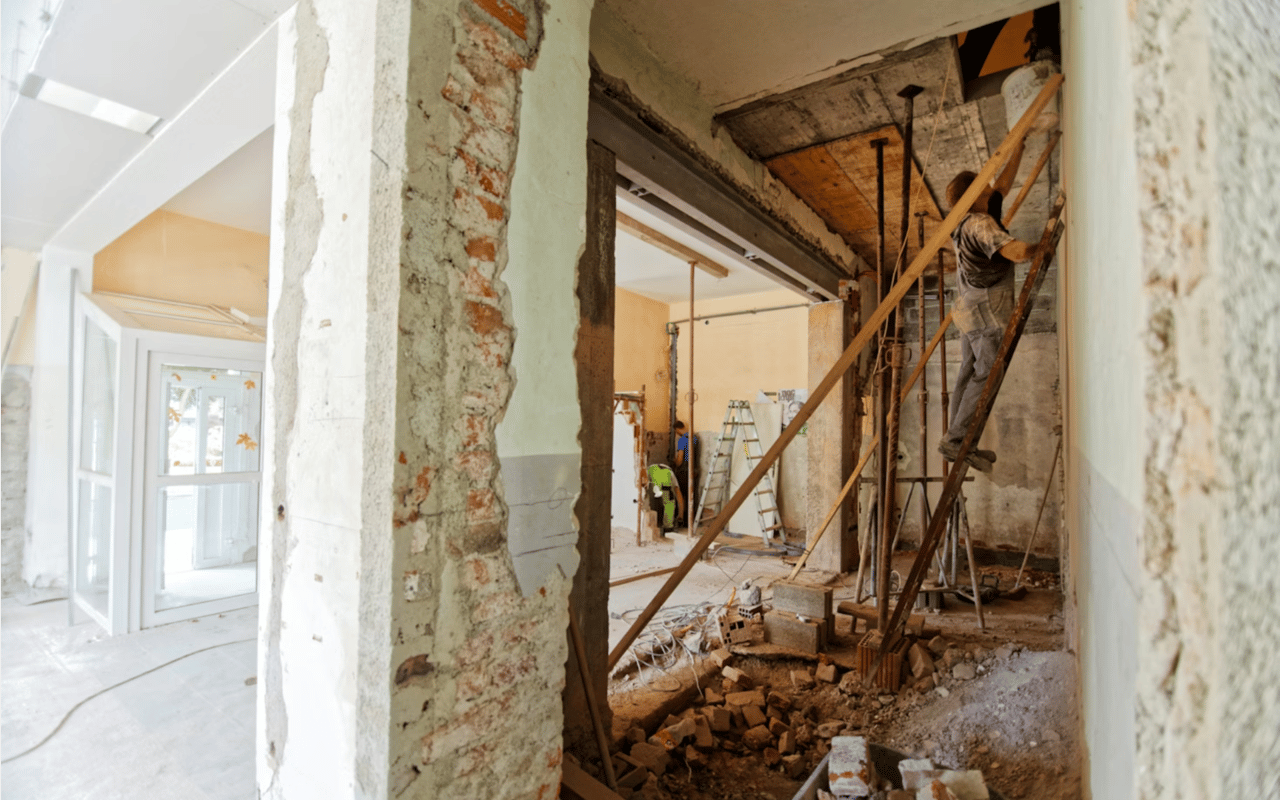
Renovation Strategy for Historic and Luxury Properties
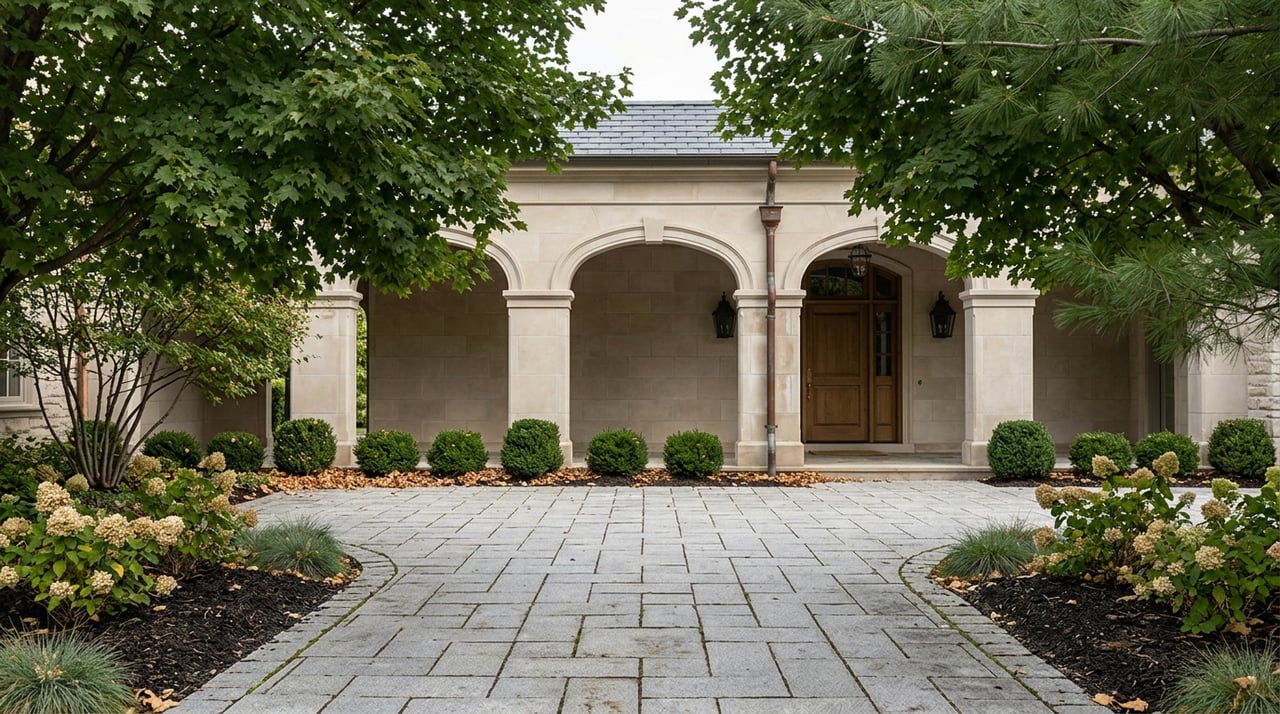
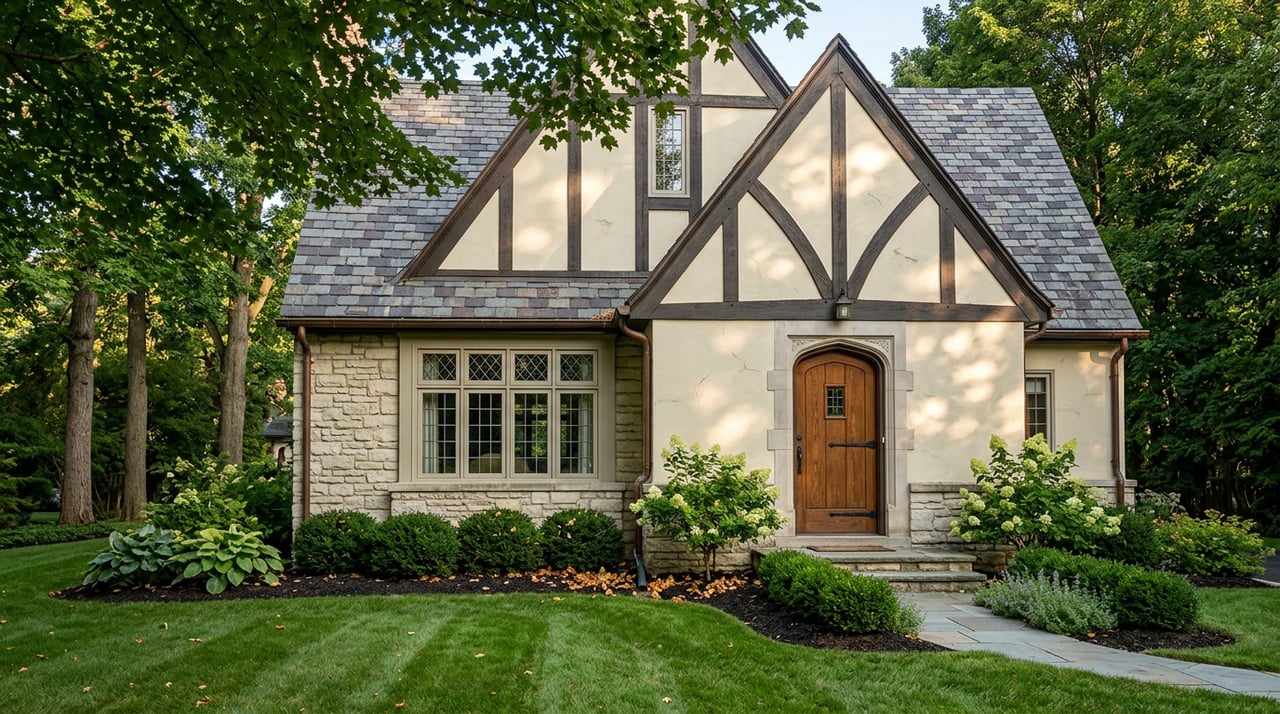
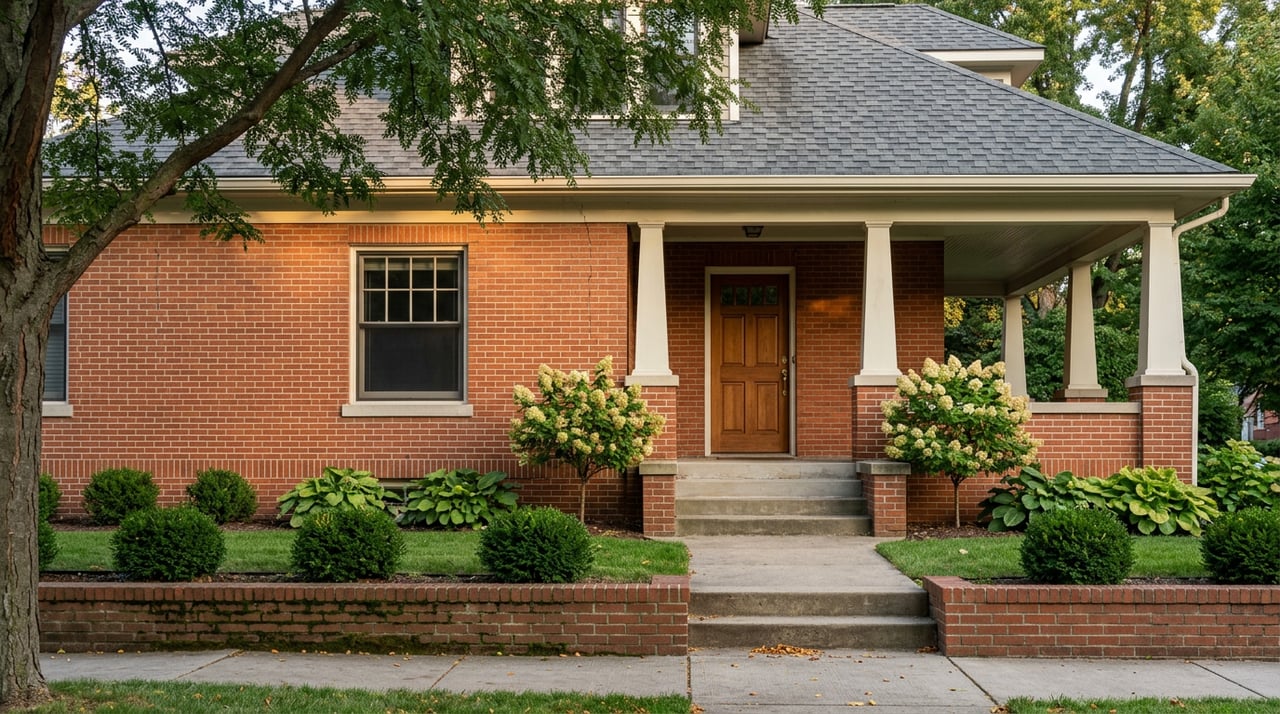
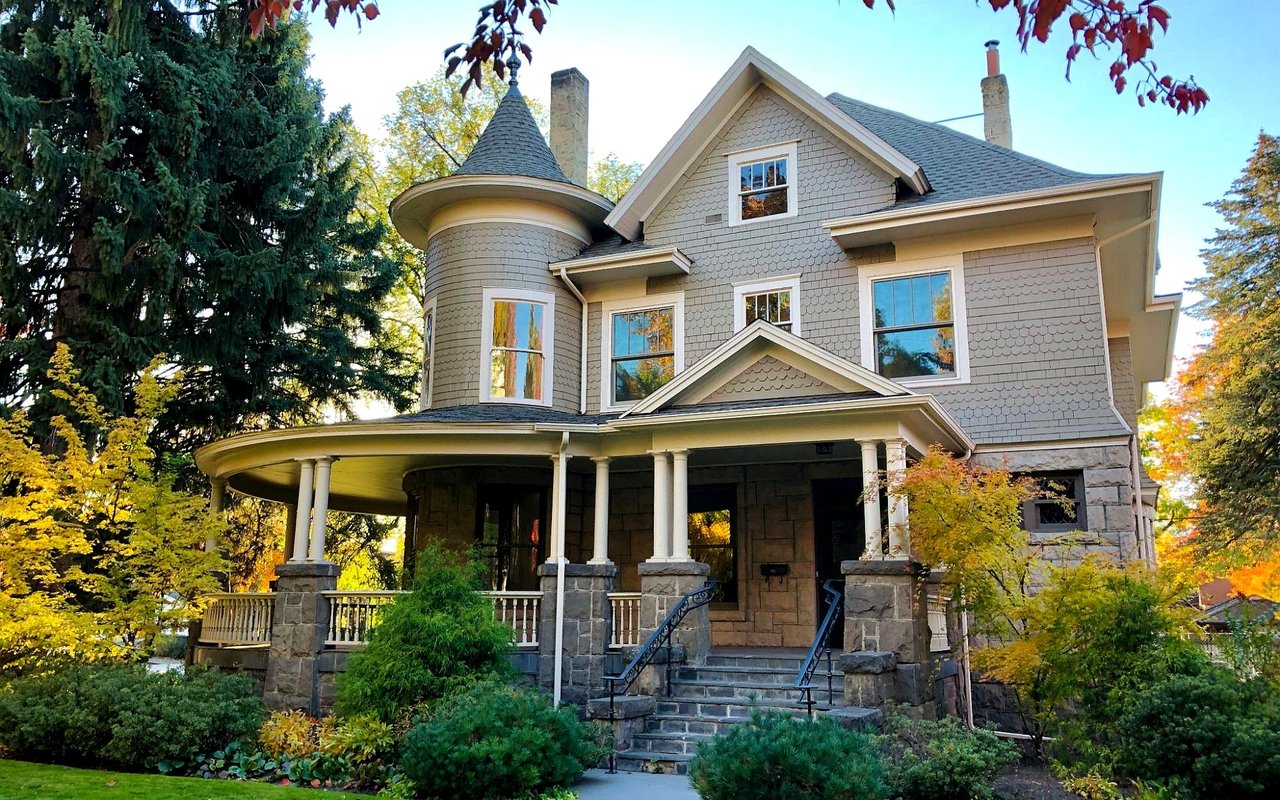
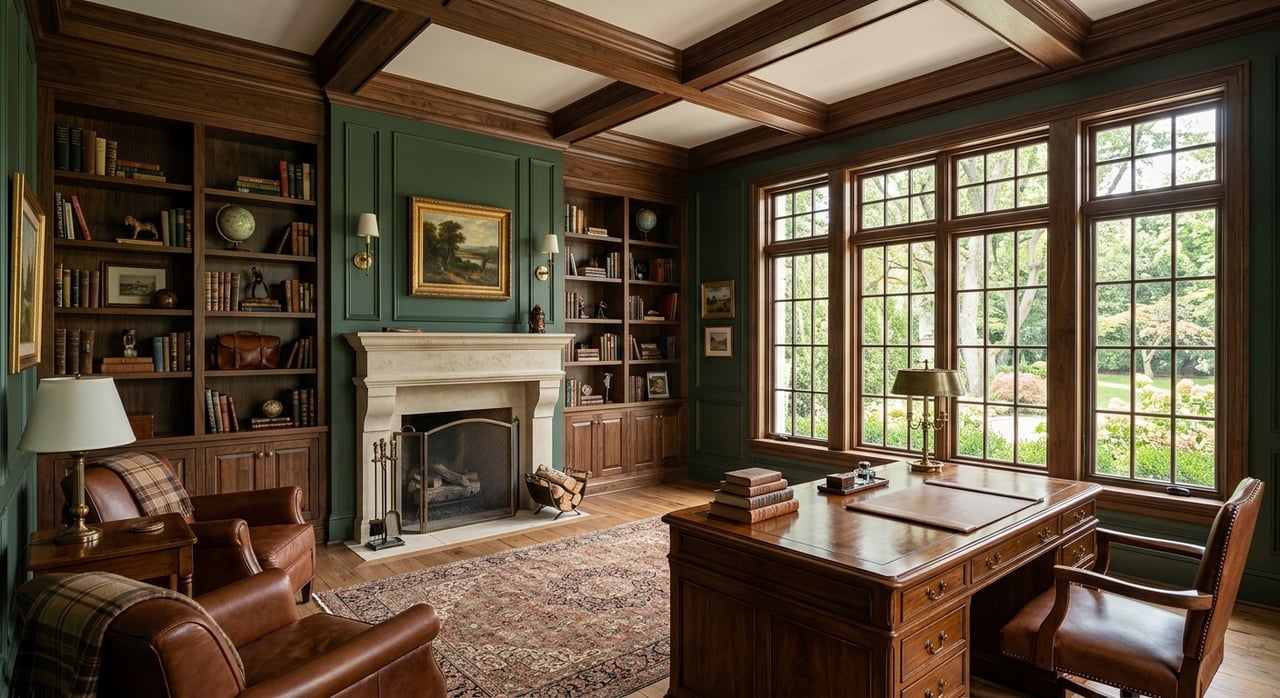
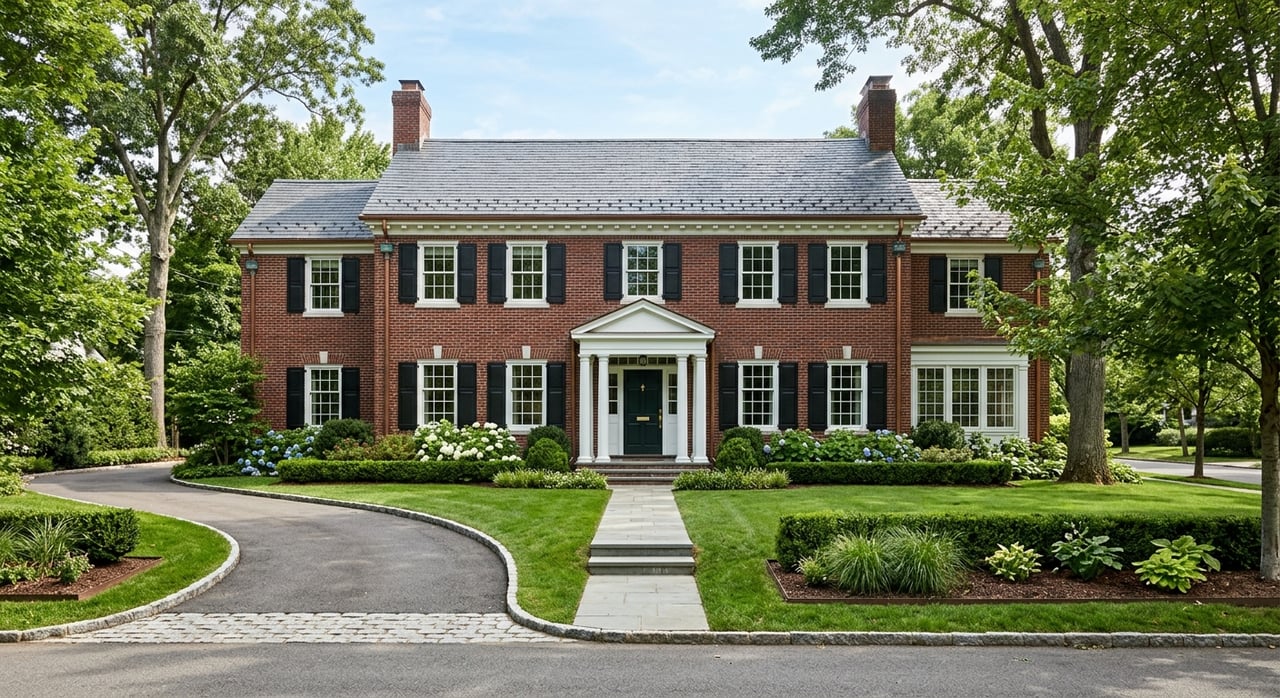
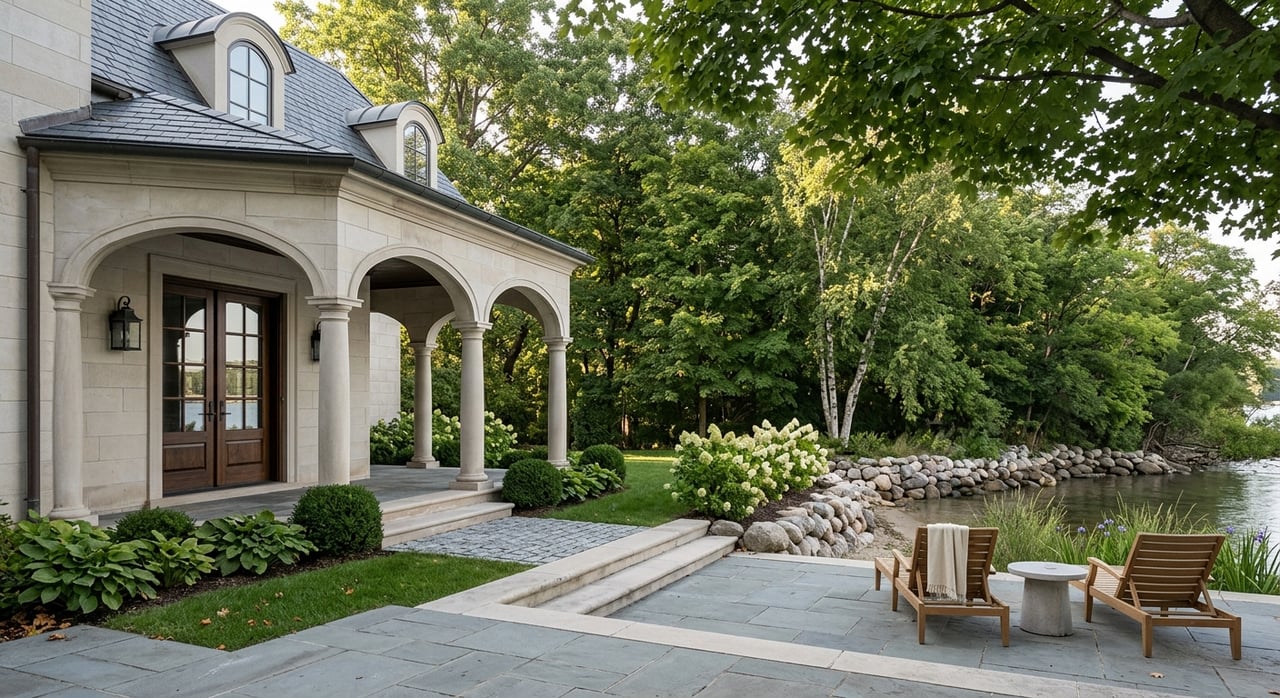
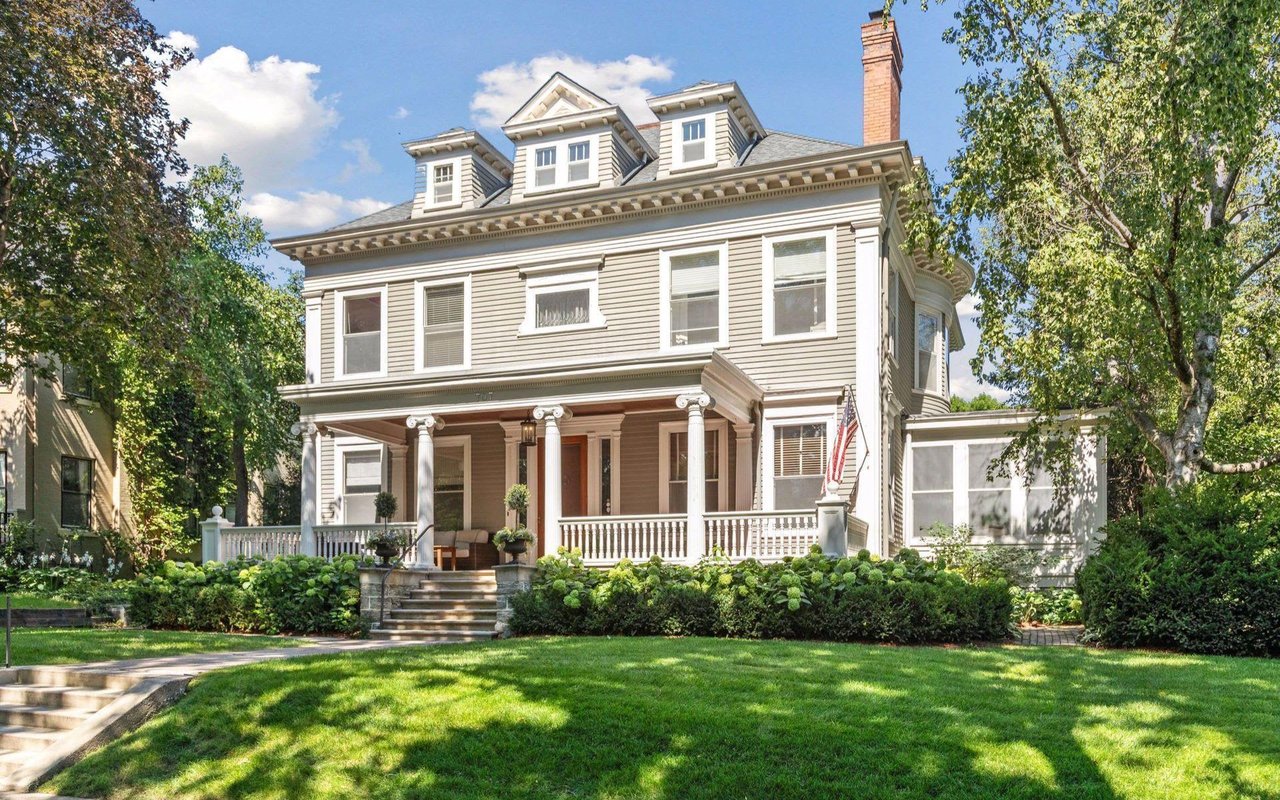
St. Paul’s older housing stock rewards thoughtful renovation, especially in areas where original millwork, brick, and stone details carry prestige.
Why these upgrade choices tend to pay off locally
-
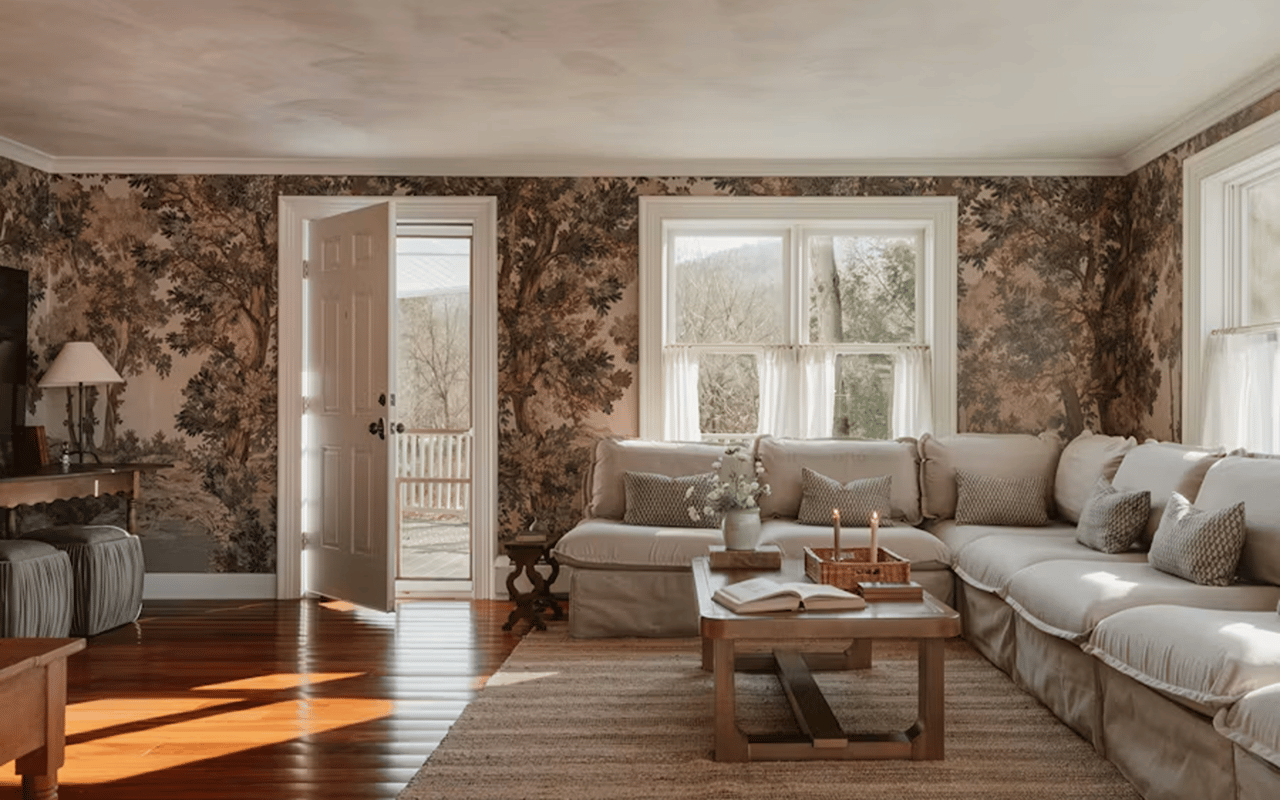
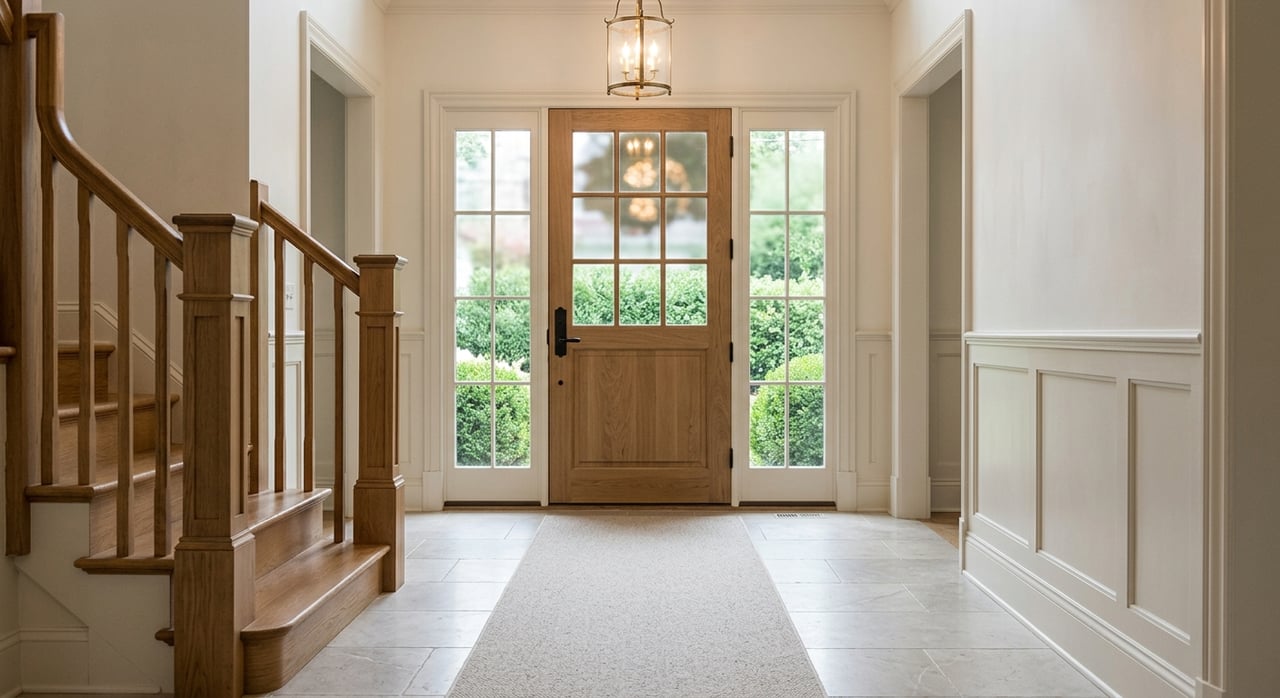
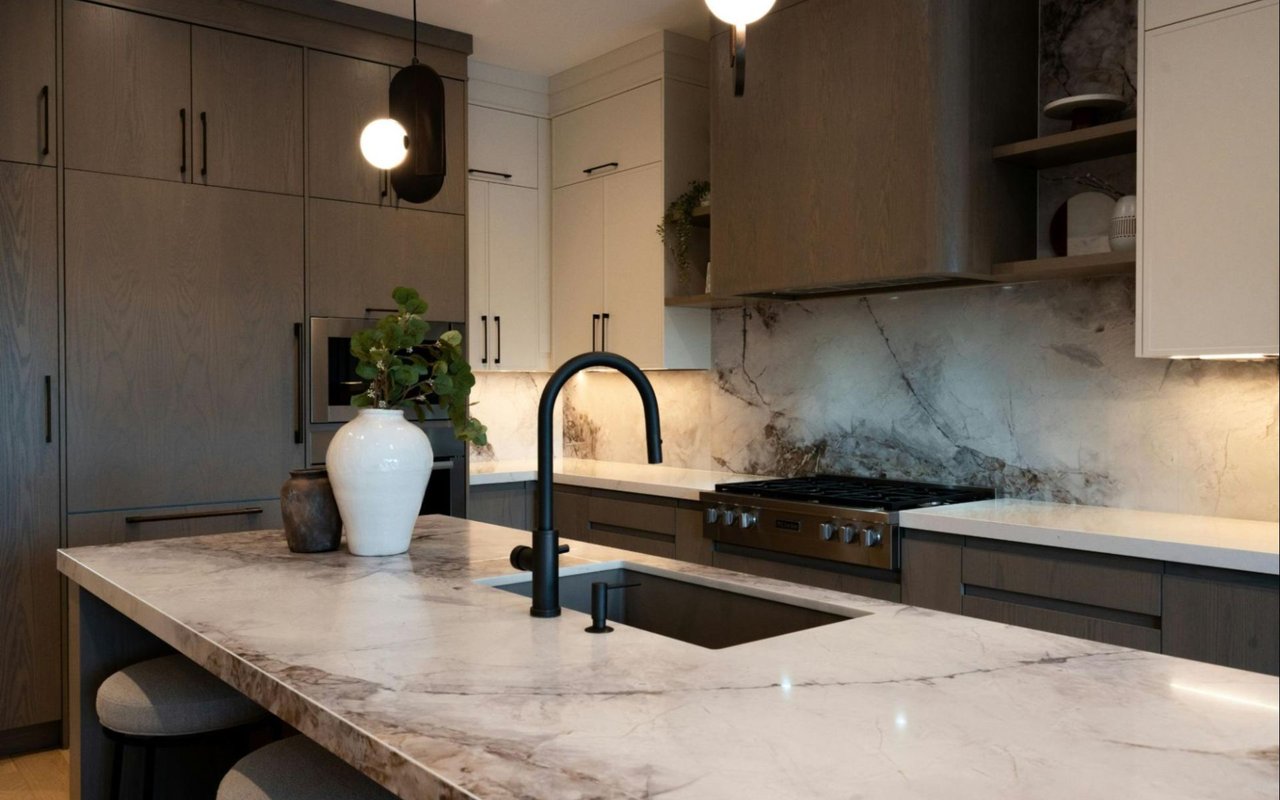
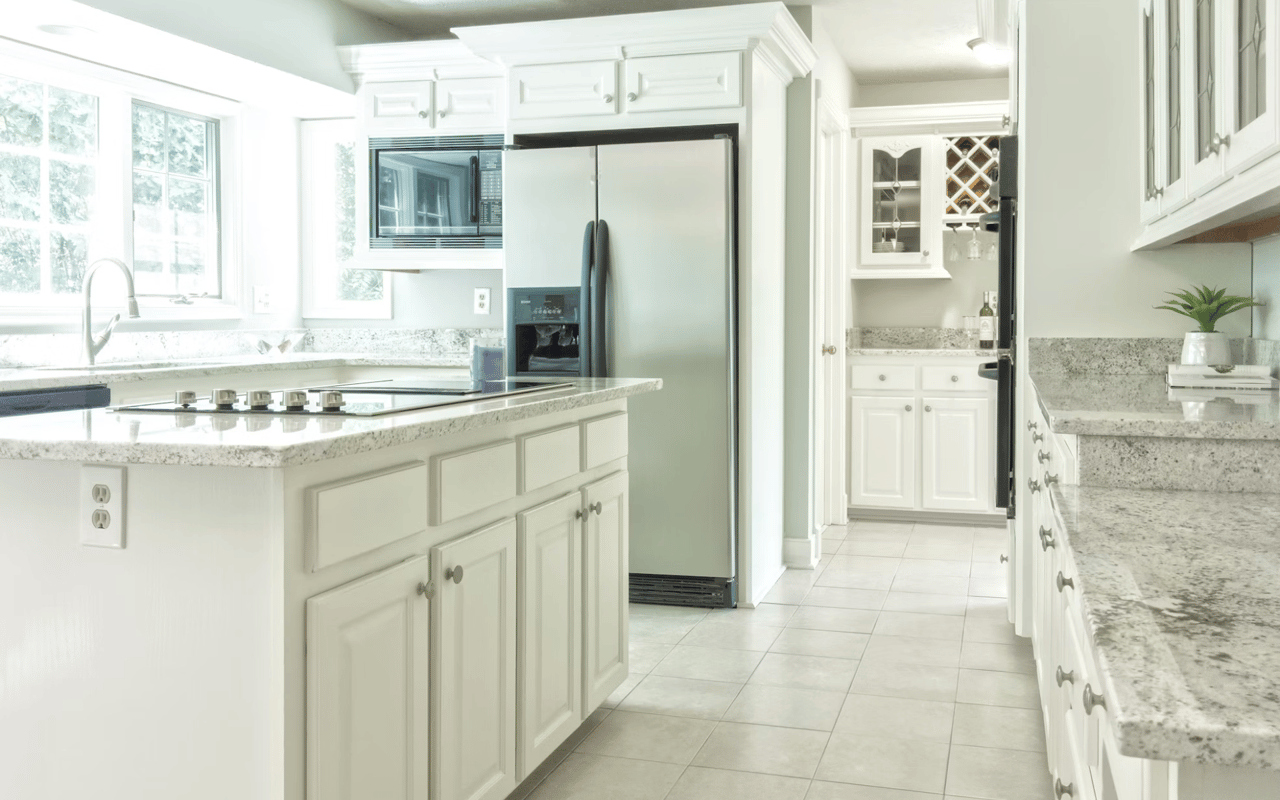
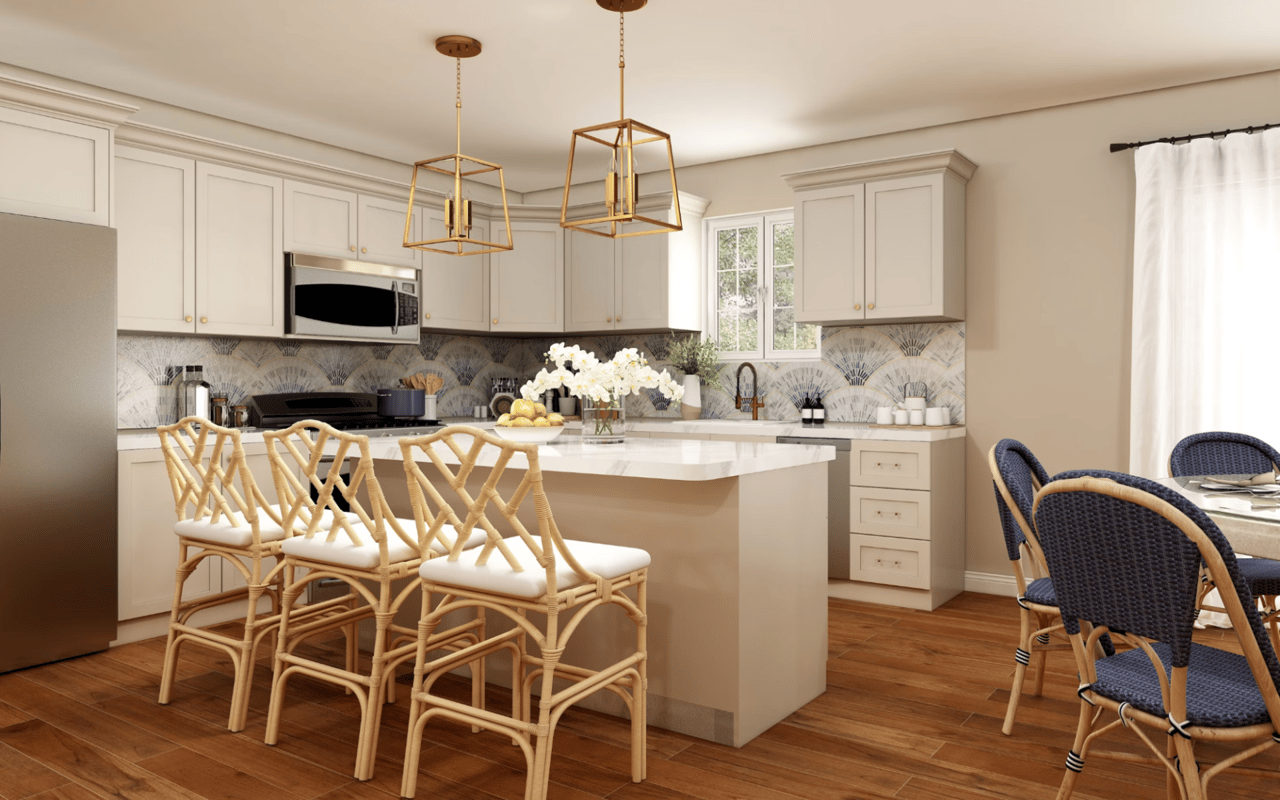
Kitchens built for hosting: Quartz or natural stone, quality cabinetry, and layouts that support gatherings near Grand Avenue.
-
Bathrooms with a hotel feel: Walk-in showers, heated floors where appropriate, and durable tile choices.
-
Windows and insulation planning: Comfort upgrades that align with Minnesota seasons and long-term efficiency.
-
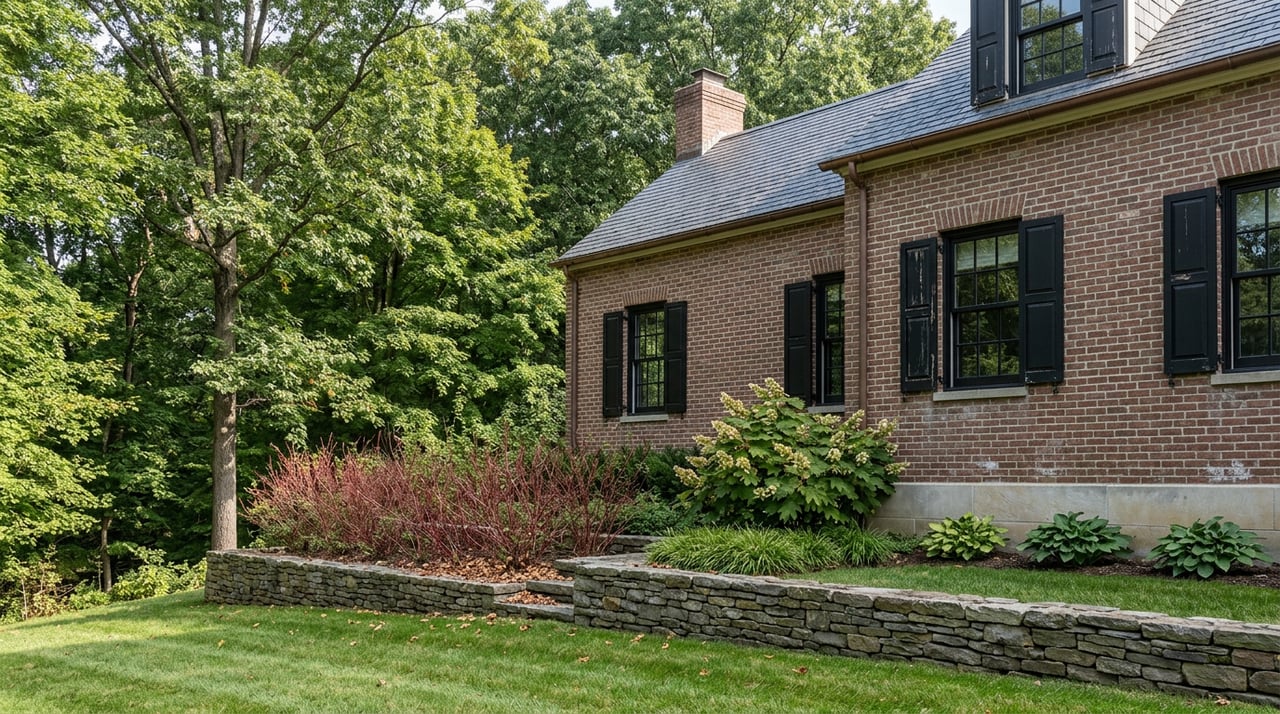
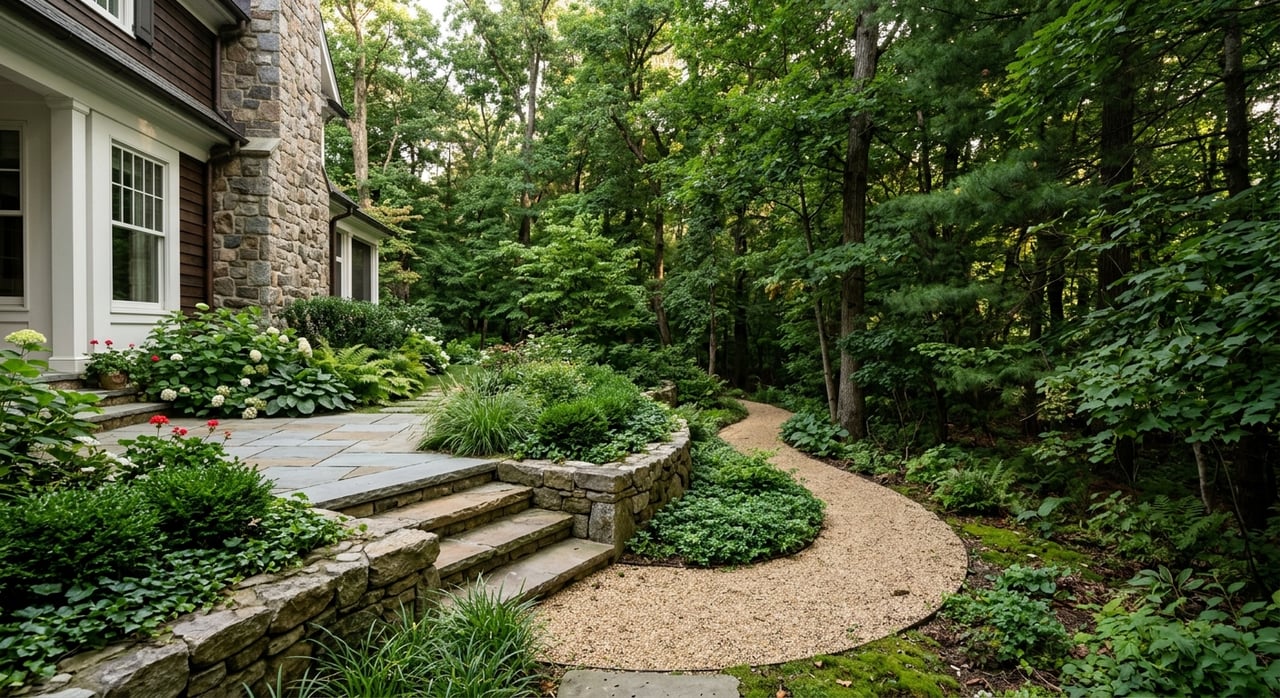
Exterior presence: Masonry care, entry lighting, and landscaping that fit historic streets like Summit Avenue-adjacent blocks.
A renovation plan works best when it ties directly to the neighborhood’s expectations, since Cathedral Hill charm calls for different choices than Lowertown modernism.
Build a Long-Term Strategy Around St. Paul’s Growth Nodes
St. Paul continues to evolve around downtown improvements, riverfront connections, and redevelopment areas that can shift demand patterns over time.
Why these themes help guide a multi-year plan
-
Redevelopment influence: Areas like Highland Park’s Ford Site context can shape long-term desirability nearby.
-
Downtown and event momentum: Proximity to venues can support certain condo and townhouse profiles.
-
Park-centered living: Como Park and river paths remain strong lifestyle anchors across market changes.
-
Architectural scarcity: Historic character homes and well-renovated small multis can hold a distinct premium.
A long-term plan works best when it blends lifestyle anchors with practical fundamentals like parking, layout, and mechanical reliability.
FAQs
Which neighborhoods should I tour first for an investment feel?
You might start with Cathedral Hill and Grand Avenue for classic housing stock, then move to Lowertown for condo options and urban lifestyle demand.
What upgrades tend to matter most for premium rentals in St. Paul?
Kitchens and baths lead the list, followed by comfort upgrades like strong HVAC performance and well-planned entry spaces for winter.
How do I compare a condo investment to a small multifamily property?
I compare them through operating simplicity, amenity expectations, and resale buyer pool, then I map those factors to the exact neighborhood.
Contact Sally English Today
If you want a clear plan for investing in real estate in St. Paul, contact Sally English and tell me which neighborhoods you are drawn to, like Cathedral Hill, Grand Avenue, Lowertown, or Highland Park. I can also help you evaluate renovation scope and operating details with a luxury lens, so the numbers line up with the finish level the neighborhood expects.
Reach out to me, Sally English, today, and I will help you identify investment-grade opportunities that fit St. Paul’s unique mix of historic architecture, modern condos, and evolving redevelopment corridors.
Reach out to me, Sally English, today, and I will help you identify investment-grade opportunities that fit St. Paul’s unique mix of historic architecture, modern condos, and evolving redevelopment corridors.