What kind of Minneapolis do you want to wake up to: the energy of the Mississippi riverfront or the calm of a morning loop around the lakes? If you are considering a move within the city, that choice often shapes how your days feel just as much as the home itself. Minneapolis offers both lifestyles within city limits, and understanding the difference can help you focus your search with more confidence. Let’s dive in.
Why Minneapolis Offers Both
Minneapolis is a city where outdoor access is woven into daily life. The city includes 180 parks, 55 miles of biking and walking paths, 22 lakes, 12 gardens, and seven golf courses, which gives residents a wide range of ways to spend time outside.
It also has a notably mixed housing base. According to the city’s Consolidated Plan, Minneapolis includes detached single-family homes, small multifamily properties, and high-density apartment and condominium buildings. That variety supports two very different but equally appealing ways to live: urban riverfront energy and park-centered lakeside calm.
For many buyers, especially those looking for a refined city lifestyle, the real question is not city versus suburb. In Minneapolis, it is often more about whether you want a loft-like, active setting near the river or a quieter residential setting near the lakes.
Riverfront Energy in Minneapolis
The riverfront tells an important part of Minneapolis history, but it is also one of the city’s most active and evolving places to live. Areas such as Downtown East, Downtown West, North Loop, Nicollet Island-East Bank, St. Anthony East, and St. Anthony West sit close to the Mississippi and reflect that blend of history, activity, and reinvention.
The city describes Ward 3, which includes many of these neighborhoods, as the birthplace of Minneapolis and a riverfront that has been reborn and revitalized with a thriving arts community. If you want to feel plugged into the movement of the city, this area often delivers that in a very direct way.
What daily life feels like
Riverfront living tends to come with a stronger day-to-night rhythm. You may be steps from restaurants, entertainment venues, arts spaces, trail connections, and downtown workplaces, which can make the city feel immediately accessible.
Downtown West, for example, is described by the city as Minneapolis’ business hub. It is also home to major entertainment venues like Orpheum Theatre, Orchestra Hall, and Target Center, while the skyway system connects offices, restaurants, hotels, grocery stores, gyms, retail, and art galleries.
In practical terms, that can mean less planning and more spontaneity. Whether you are meeting friends for dinner, catching a performance, or fitting in a walk after work, many daily activities can happen close to home.
Signature riverfront places
Some of the most recognizable public spaces also shape the appeal of the riverfront. The Stone Arch Bridge serves as a pedestrian and bicycle path linking Father Hennepin Bluff Park with West River Parkway, and it offers views of St. Anthony Falls.
Nearby, Water Works along the Mississippi was designed as a public gathering place with Indigenous context. Project materials and park announcements describe outdoor gathering space, a playground, improved trail connections, and a pavilion restaurant. Together, these features reinforce the sense that the riverfront is not just scenic, but deeply social and active.
What housing often looks like
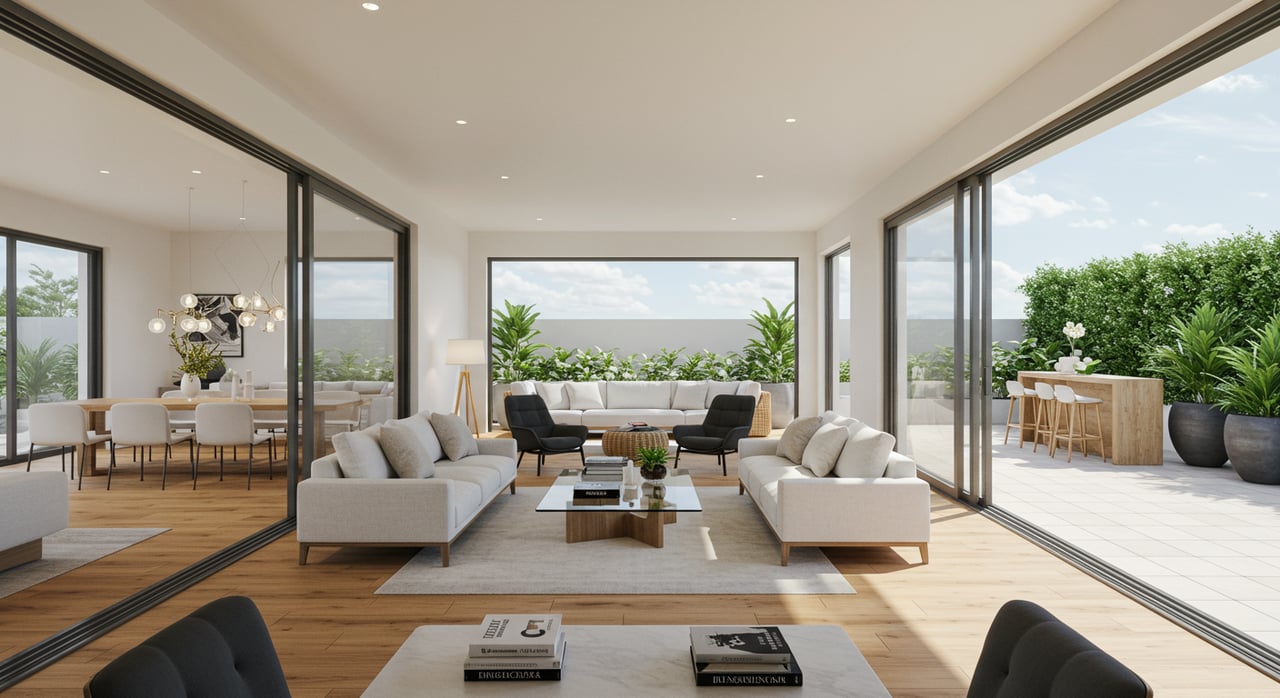
Housing near the river often reflects Minneapolis’ industrial and downtown history. In the Minneapolis Warehouse Historic District, buildings that once served older commercial uses now support a mix of residential and commercial life.
That context helps explain why buyers are often drawn to lofts, adaptive-reuse buildings, and urban-style residences in these areas. If you value architecture with an industrial edge, walkable amenities, and a more connected street life, riverfront neighborhoods may feel like a strong fit.
Lakeside Calm in Minneapolis
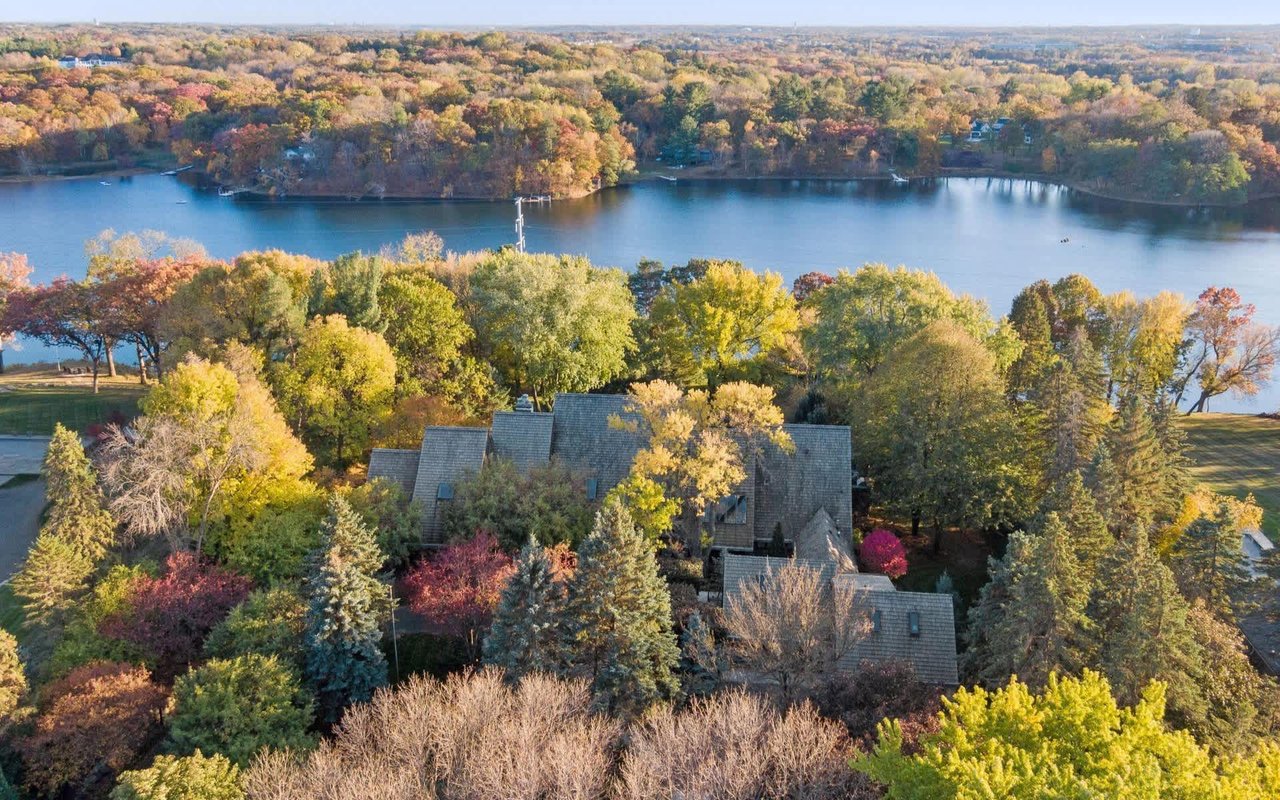
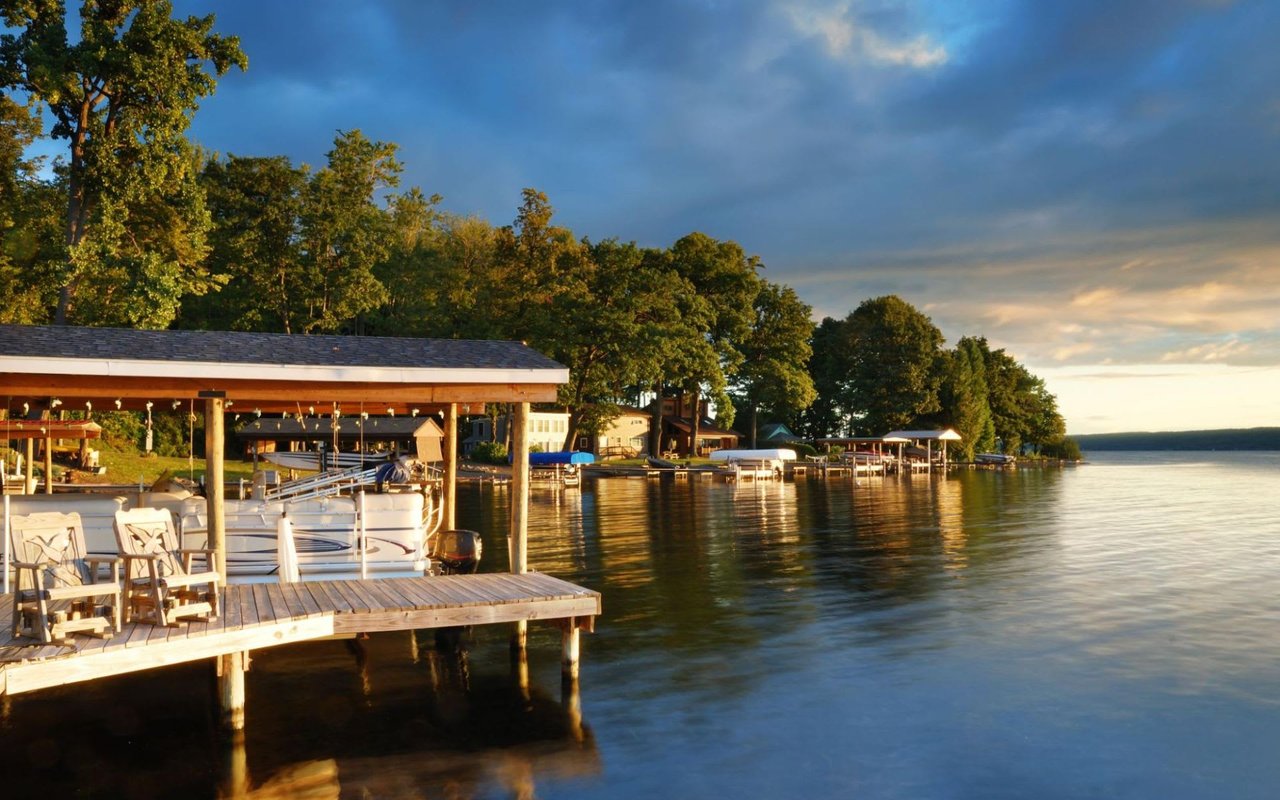
If the riverfront feels lively and social, the lakes often feel restorative and residential. The Chain of Lakes Regional Park includes Bde Maka Ska, Cedar Lake, Lake of the Isles, Lake Harriet, and Brownie Lake, with 15 miles of lakeside pedestrian and bike trails along the Grand Rounds.
For many residents, this system shapes the rhythm of the week. You can walk, bike, paddle, picnic, or simply spend time outdoors without leaving the city, which is a major reason lakeside living has such lasting appeal.
What daily life feels like
Lakeside neighborhoods tend to support a quieter routine centered on trails, parks, and residential streets. Instead of stepping into a downtown entertainment district, you are more likely to structure your day around a walk by the water, time outdoors, or a slower evening close to home.
That does not mean there is less to do. It means the amenities often feel more nature-based and neighborhood-oriented, which many buyers find especially appealing when they want privacy, character, and daily access to open space.
Signature lake experiences
Each lake in the chain offers its own draw. Lake Harriet includes a beach, boat dock, fishing pier, picnic areas, walking and biking paths, rentals for canoes, kayaks, bikes, boats, and paddle boards, plus free summer concerts and movies at the band shell.
Bde Maka Ska offers three beaches, more than three miles of both pedestrian and bike trails, watercraft rentals, sailing lessons, and winter trail access. Lake of the Isles includes pedestrian and bike trails, canoe access through the chain, a fishing pier, ice skating, and winter skiing, while Cedar Lake adds walking and biking paths, picnic facilities, three beaches, and a fishing dock.
Winter also remains part of the lifestyle. Minneapolis Park and Recreation Board notes that Chain of Lakes ski trails are beginner-friendly, and winter trails are maintained for pedestrians and bikers, which helps outdoor access continue through the colder months.
What housing often looks like
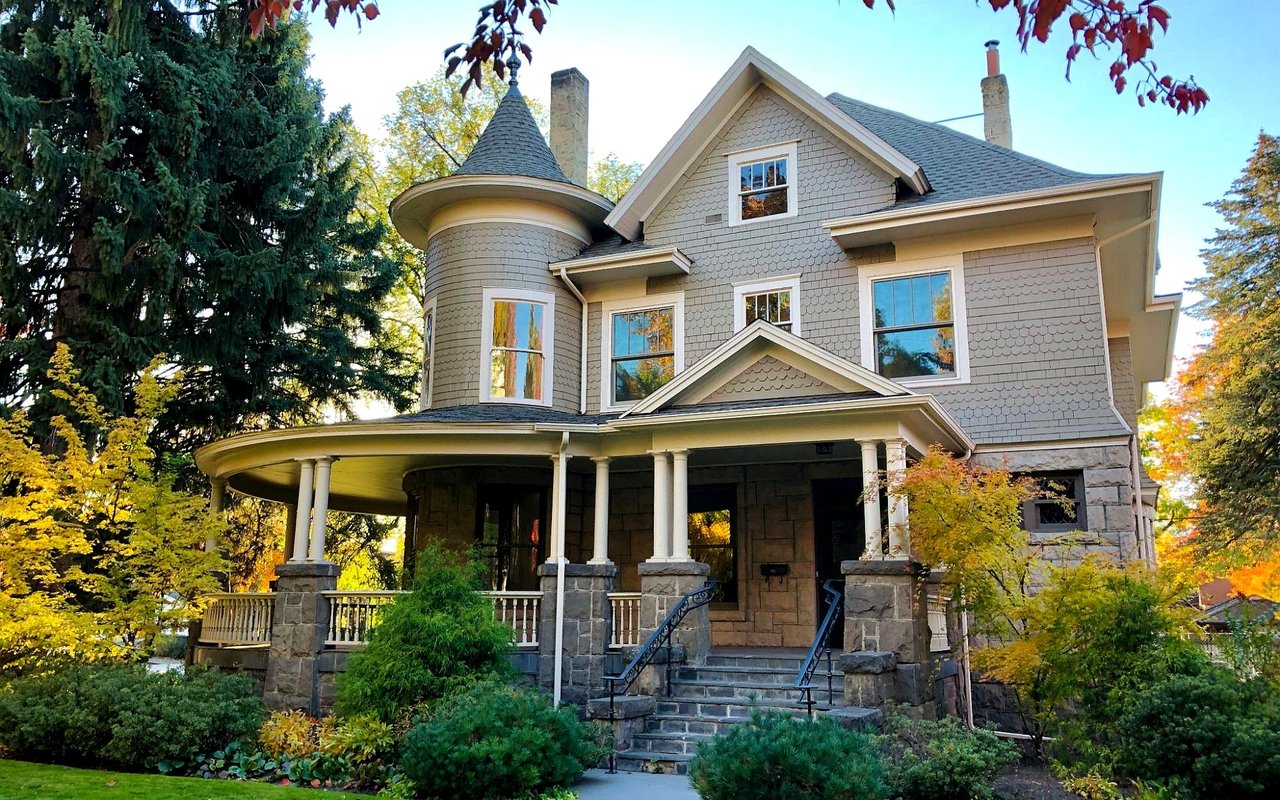
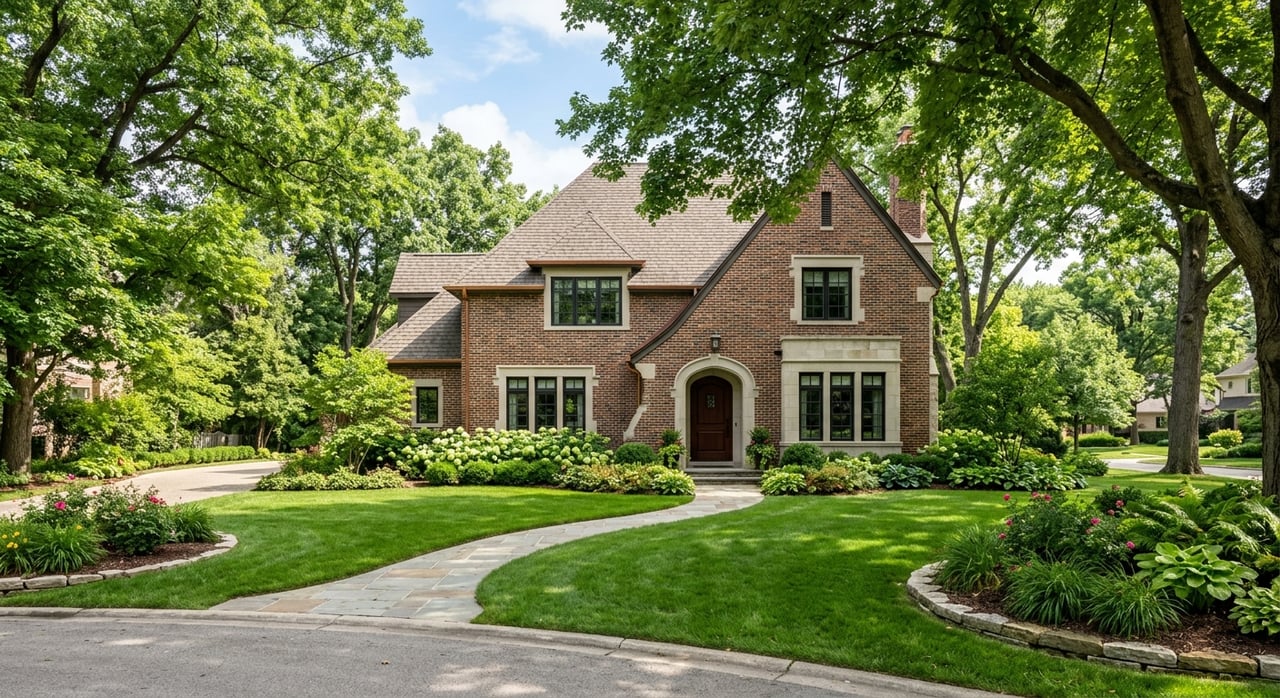
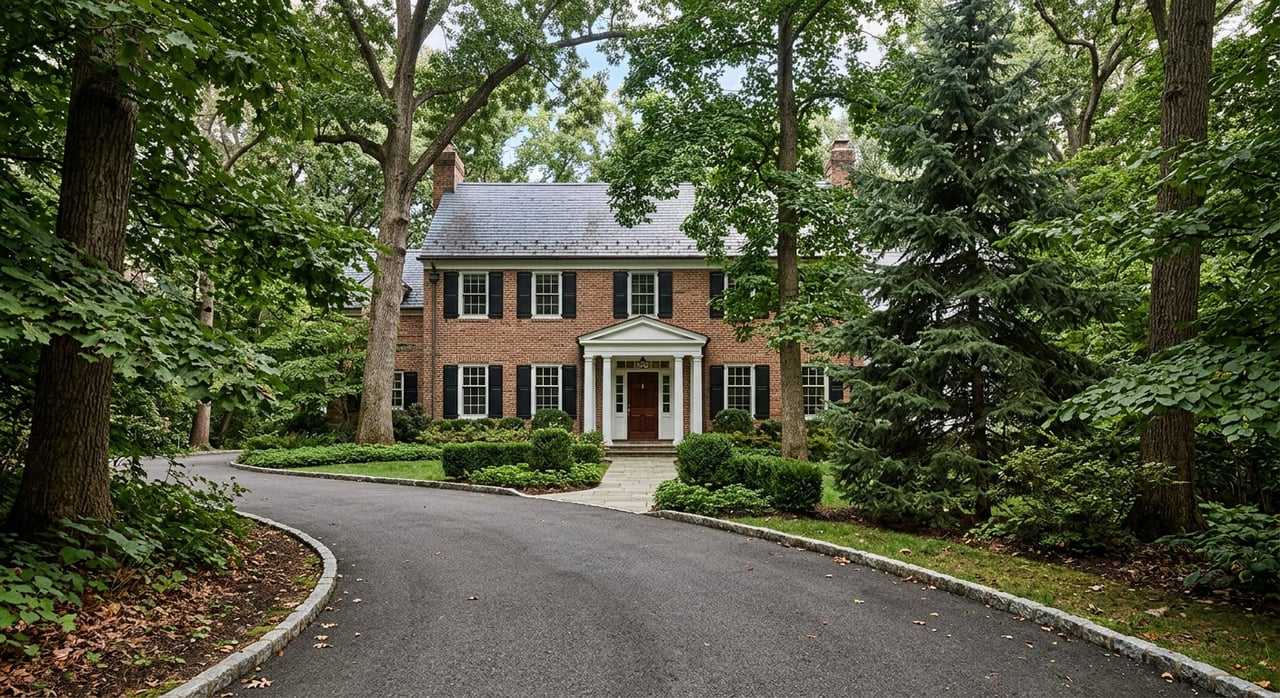
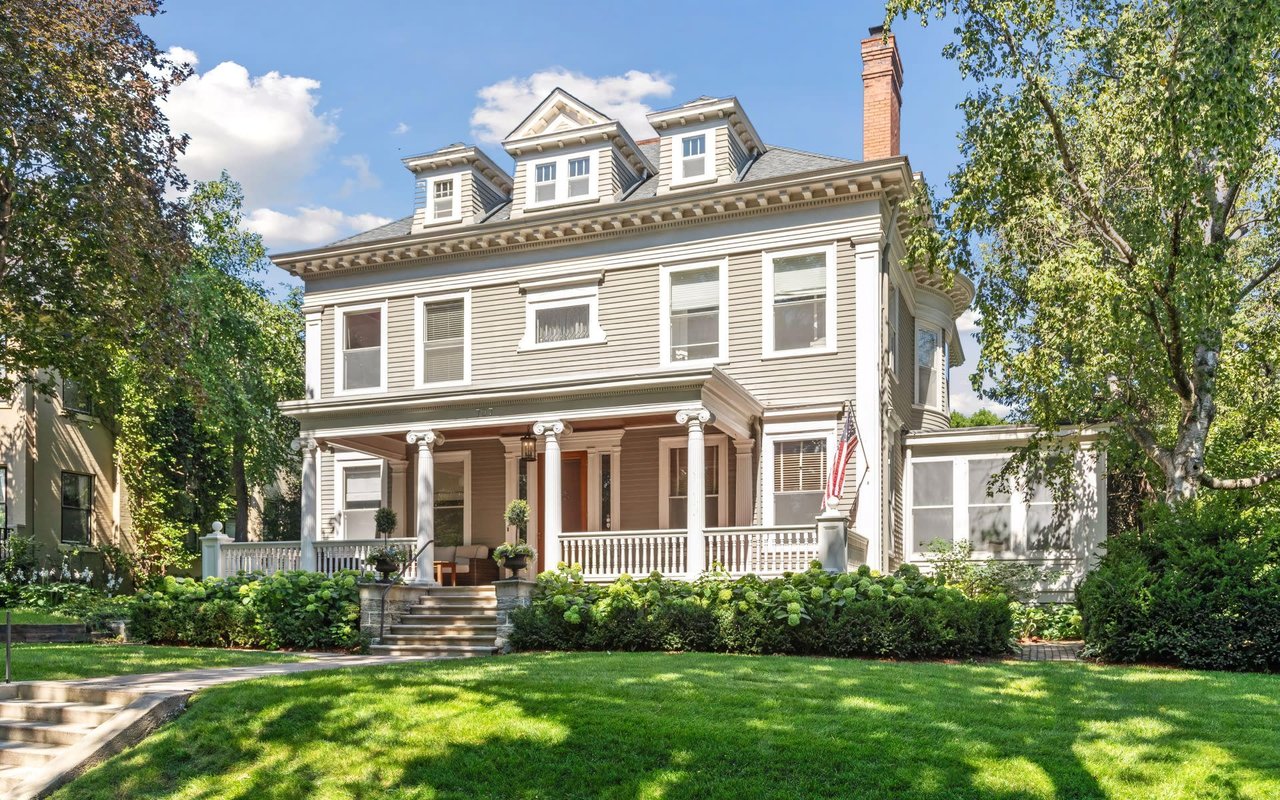
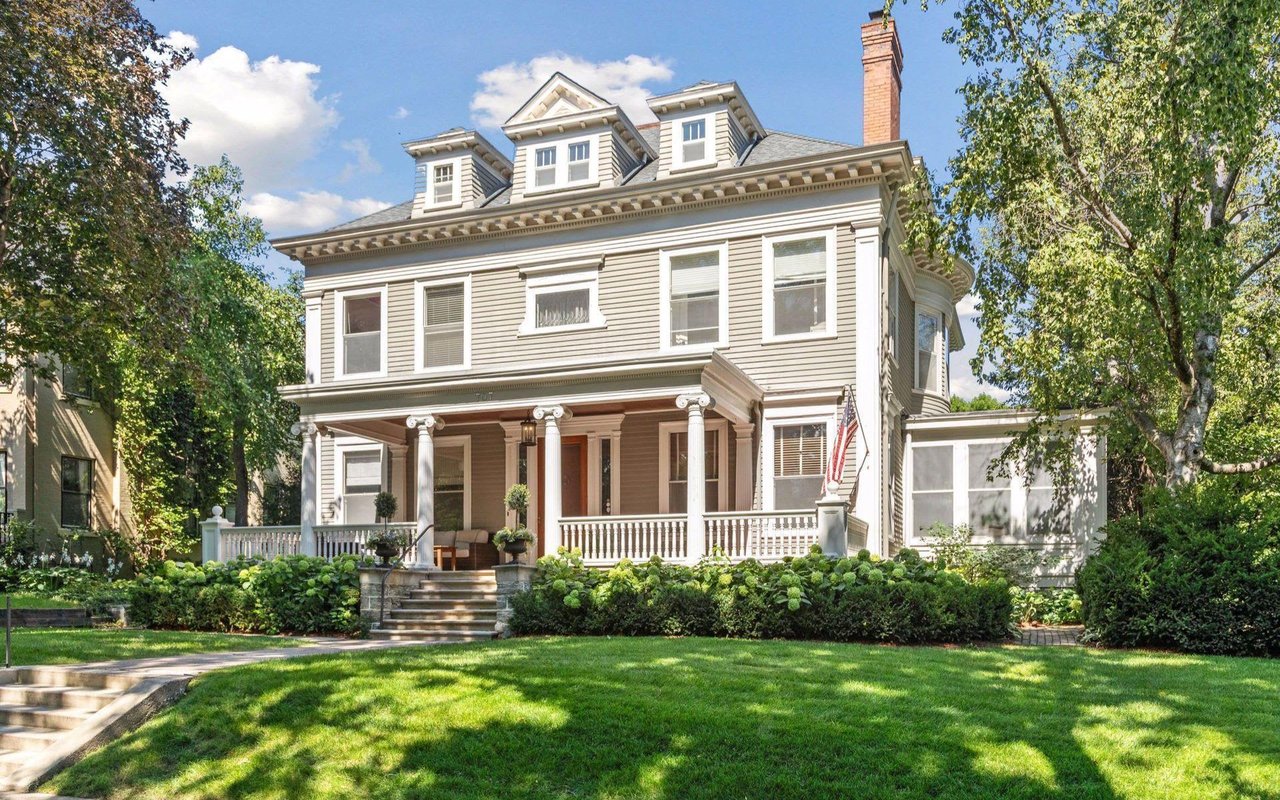
Lakeside neighborhoods often feel more residential and architecturally established. City staff reports note a concentration of residences around Lake of the Isles, describe Kenwood’s single-family homes on steep and irregular lots, and identify historic housing patterns in areas like Lowry Hill East and East Isles.
That mix includes single-family homes, duplexes, apartments, condos, and town homes in certain areas, but the overall feel tends to be more rooted in residential character than downtown intensity. For buyers who want outdoor access without giving up older-home character or a sense of privacy, the lakes can be especially compelling.
Riverfront vs. Lakeside: How to Choose
The right fit often comes down to how you want your everyday life to function. Both settings can be highly desirable, but they serve different priorities.
| Lifestyle Priority | Riverfront Areas | Lakeside Areas |
|---|---|---|
| Daily atmosphere | Active, urban, social | Calm, residential, park-centered |
| Typical draw | Dining, arts, entertainment, downtown access | Trails, beaches, green space, outdoor routine |
| Housing feel | Lofts, condos, adaptive-reuse buildings, mixed-use settings | Single-family homes and mixed residential housing in established neighborhoods |
| Pace of life | Stronger day-to-night rhythm | More relaxed and nature-oriented |
| Public spaces | Stone Arch Bridge, Water Works, river trails | Chain of Lakes, Grand Rounds, beaches, lake trails |
If you want immediate access to theaters, restaurants, art, and a busier street life, the riverfront often makes sense. If you picture your routine built around trails, water, and a quieter home base, the lakes may be the better match.
Mobility Matters in Minneapolis
Your decision may also come down to how you like to move through the city. In Minneapolis, mobility is not just about driving. Walking, biking, and transit can shape how convenient a neighborhood feels.
The Midtown Greenway directly serves East Isles, Lowry Hill East, Cedar-Isles-Dean, and West Bde Maka Ska, which is especially relevant if you want easy bike access in and around the lakes area. The city has also stated that the Hennepin Avenue reconstruction was designed to improve walking, transit, biking, and driving space.
That means your lifestyle choice is not only about scenery. It is also about whether you prefer a downtown-style network of destinations close together or a more residential area with strong trail and bike connections.
Neighborhoods to Keep on Your Radar
If you are starting a Minneapolis home search around this lifestyle question, these are useful areas to explore.
Riverfront neighborhoods
- Downtown East
- Downtown West
- North Loop
- Nicollet Island-East Bank
- St. Anthony East
- St. Anthony West
These areas generally align with buyers who want a more urban routine, distinctive architecture, and direct access to the city’s arts, entertainment, and riverfront public spaces.
Lakeside neighborhoods
- East Isles
- Kenwood
- Cedar-Isles-Dean
- Linden Hills
- East Harriet
- Fulton
- Lynnhurst
These neighborhoods tend to appeal to buyers who want proximity to the Chain of Lakes, a more residential setting, and homes that often feel more private or architecturally established.
A Smart Way to Frame Your Search
When buyers begin exploring Minneapolis, they sometimes focus first on square footage or style. Those details matter, but your day-to-day experience often comes back to location and rhythm.
A home near the river may offer a compelling urban lifestyle with immediate access to culture, dining, and activity. A home near the lakes may offer a more settled routine with year-round outdoor access and a quieter setting. Neither is better across the board. The better choice is the one that aligns with how you actually want to live.
If you are weighing Minneapolis neighborhoods and want a clear, tailored perspective on which setting best fits your goals, Sally English offers thoughtful, high-touch guidance grounded in local expertise and a disciplined approach to the buying process.
FAQs
What is the difference between riverfront and lakeside living in Minneapolis?
- Riverfront living in Minneapolis usually means easier access to downtown amenities, arts venues, dining, and a busier street environment, while lakeside living usually means more trail access, beaches, park space, and a quieter residential routine.
Which Minneapolis neighborhoods are considered riverfront areas?
- Neighborhoods commonly associated with Minneapolis riverfront living include Downtown East, Downtown West, North Loop, Nicollet Island-East Bank, St. Anthony East, and St. Anthony West.
Which Minneapolis neighborhoods are considered lakeside areas?
- Neighborhoods often associated with lakeside living in Minneapolis include East Isles, Kenwood, Cedar-Isles-Dean, Linden Hills, East Harriet, Fulton, and Lynnhurst.
What outdoor amenities define lakeside living in Minneapolis?
- The Chain of Lakes Regional Park includes Bde Maka Ska, Cedar Lake, Lake of the Isles, Lake Harriet, and Brownie Lake, with 15 miles of lakeside pedestrian and bike trails along the Grand Rounds, plus beaches, rentals, and seasonal recreation.
What outdoor amenities define riverfront living in Minneapolis?
- Riverfront living in Minneapolis is shaped by places like the Stone Arch Bridge, views of St. Anthony Falls, trail connections along the Mississippi, and gathering spaces such as Water Works.
Is Minneapolis a good fit if you want both city access and outdoor space?
- Yes. Minneapolis combines a dense network of parks, trails, lakes, and riverfront spaces with a varied housing stock, which allows you to choose between a more urban setting and a more residential, park-oriented one without leaving the city.