By Sally English
St. Paul is a city that wears its history on its facades. The homes here aren't just places to live; they're architectural records of the railroad barons, lumber magnates, and civic visionaries who built this city street by street over more than 150 years. When I show buyers homes in Summit Hill or Cathedral Hill for the first time, the question I hear most often isn't about square footage; it's "What style is this house?"
St. Paul has more architectural variety per block than almost anywhere in the Midwest, and understanding those styles makes the search a lot more interesting.
Key Takeaways
-
Summit Avenue is home to the longest stretch of Victorian-era homes in the country, showcasing Queen Anne, Second Empire, and Italianate styles
-
Craftsman bungalows are one of the most common and beloved styles found throughout St. Paul's residential neighborhoods
-
Tudor Revival and Georgian Revival homes cluster in Summit Hill and Merriam Park, often commanding premium prices for buyers who want historic grandeur
-
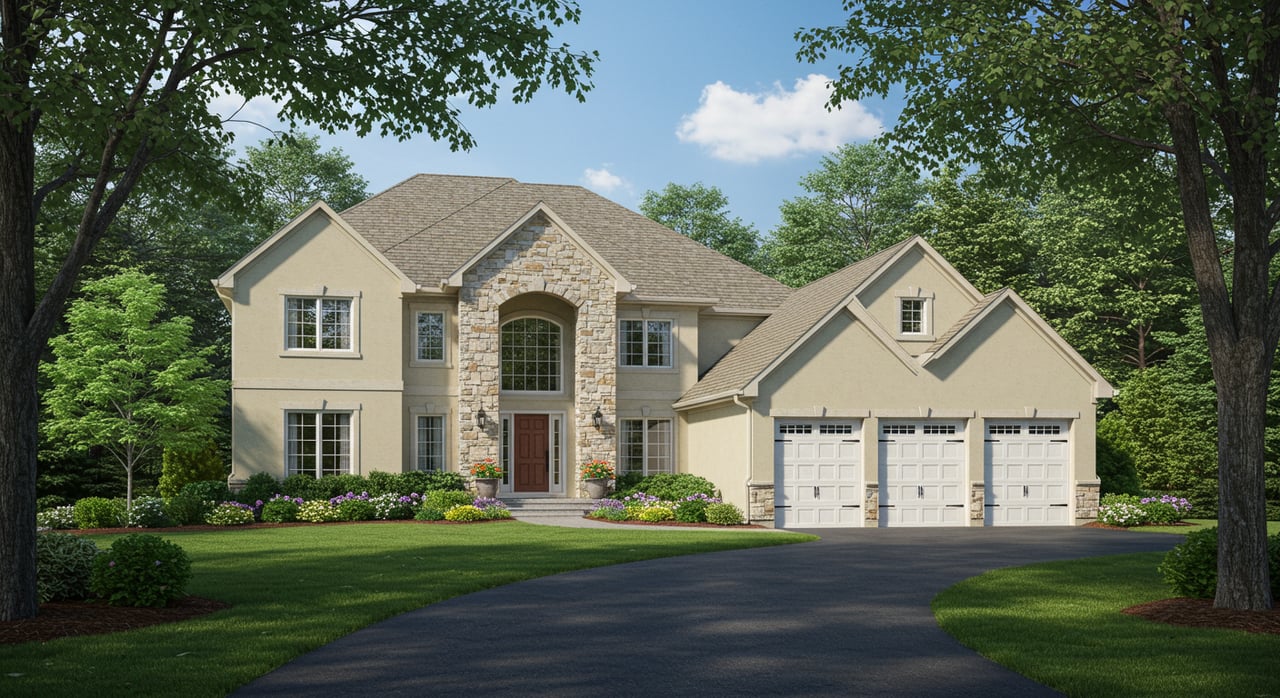
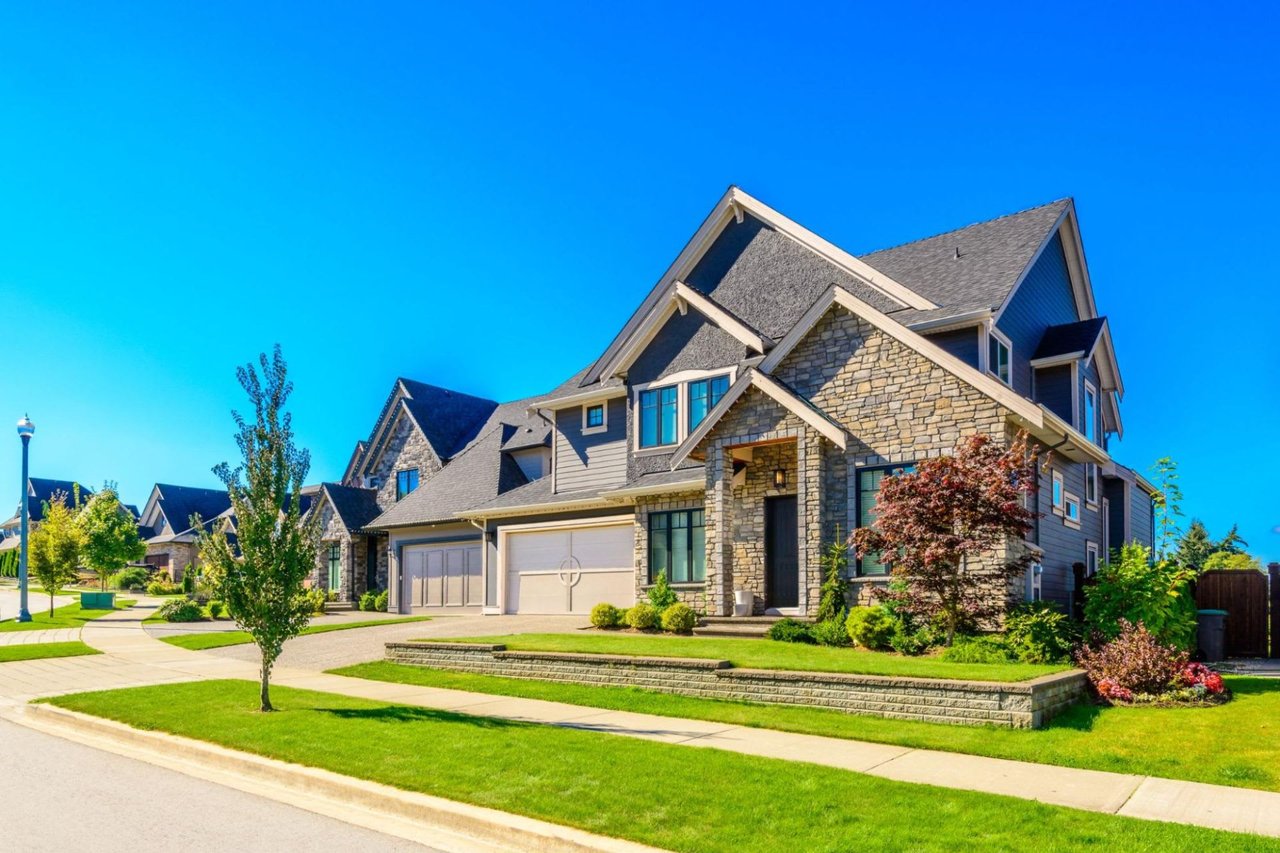
Newer construction and mid-century modern homes fill neighborhoods like Highland Park and Como Park, offering alternatives for buyers who prefer updated layouts
Victorian and Gilded Age Grandeur
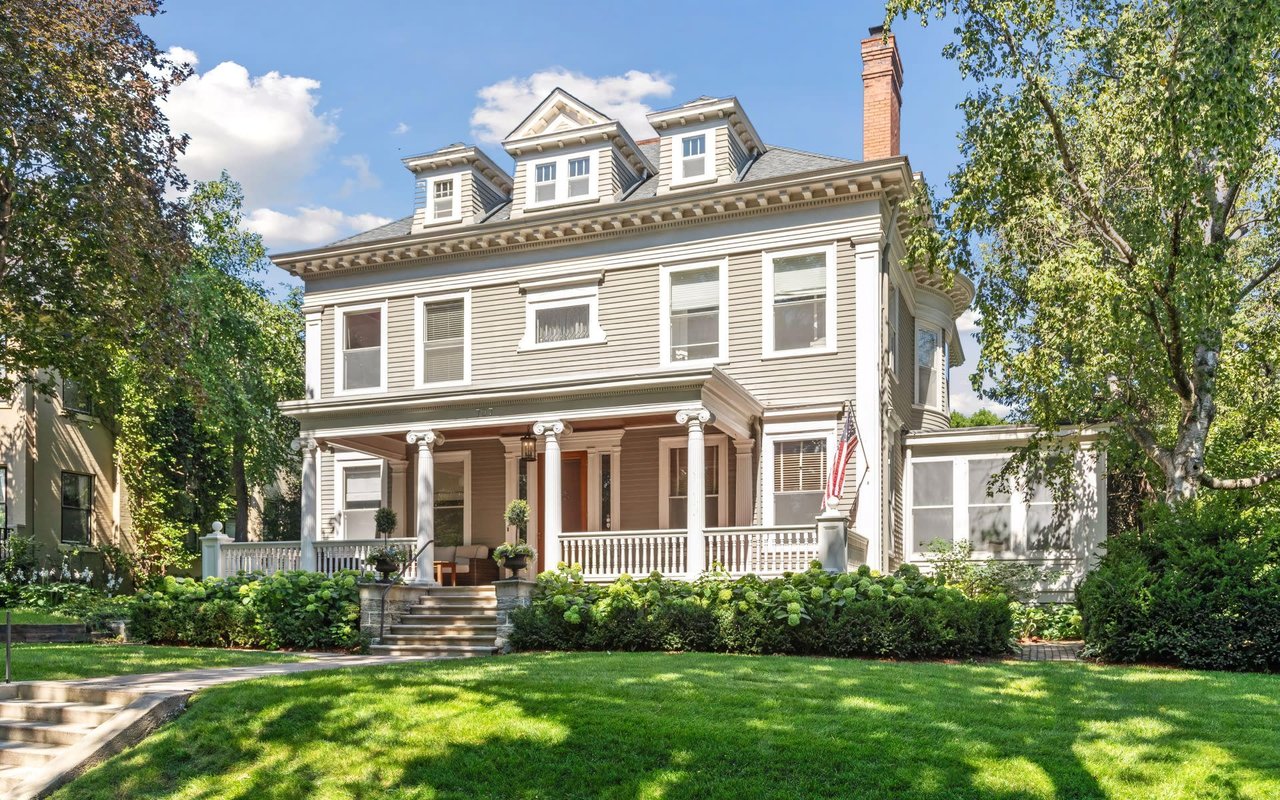
St. Paul's most iconic homes date to the city's peak prosperity in the late 1800s, when wealthy industrialists competed to build the most impressive residences along Summit Avenue. That legacy is still very much alive today.
The Avenue displays a full spectrum of Victorian substyles within a single walk:
The Avenue displays a full spectrum of Victorian substyles within a single walk:
Victorian Substyles Along Summit Avenue
-
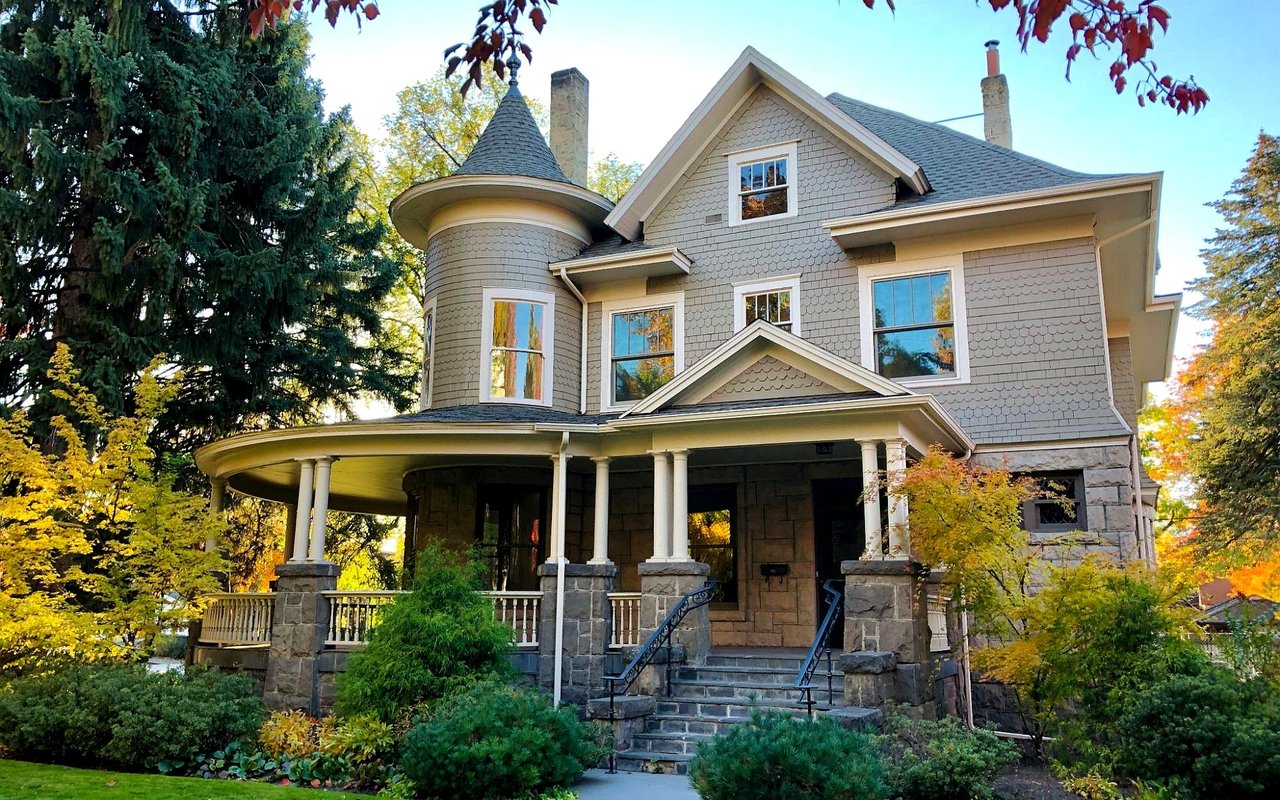
Queen Anne: Characteristic towers, bay windows, wraparound porches, and decorative wooden trim; the most ornate and recognizable style on the avenue
-
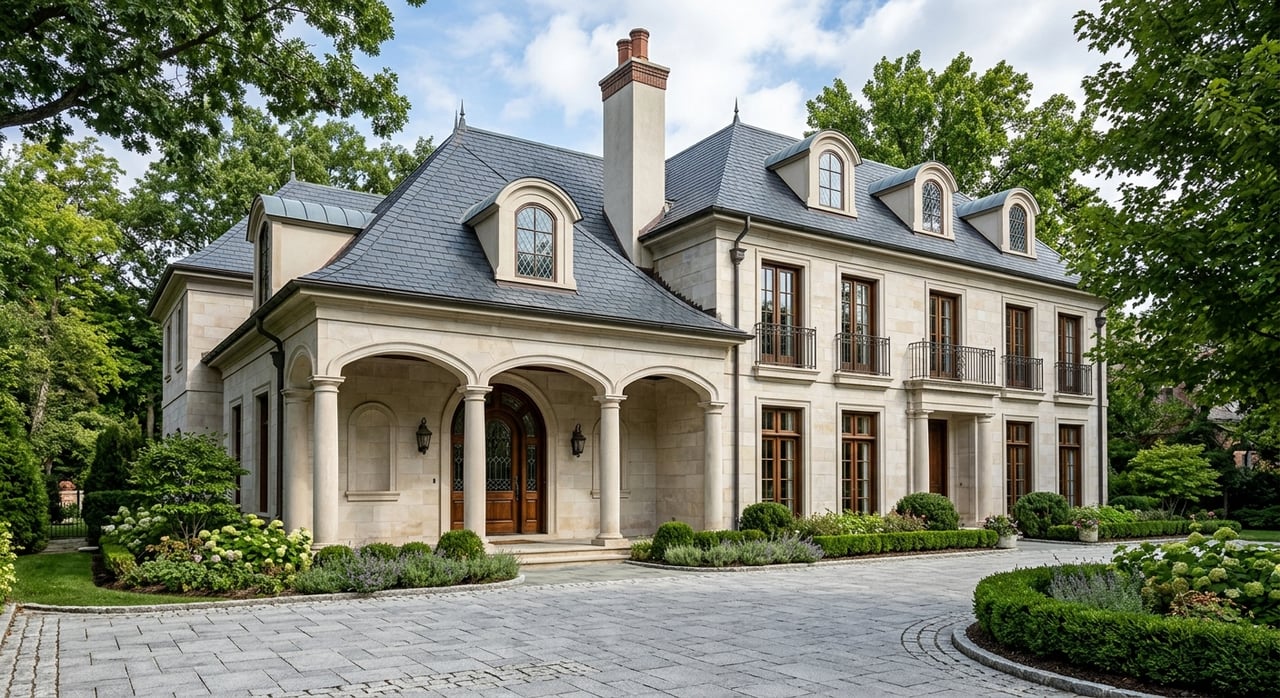
Second Empire: Mansard roofs with dormer windows punched through, French-influenced detailing, often in brick or stone
-
Italianate: Low-pitched roofs, tall narrow windows, and elaborate bracketed cornices; more restrained than Queen Anne but deeply elegant
-
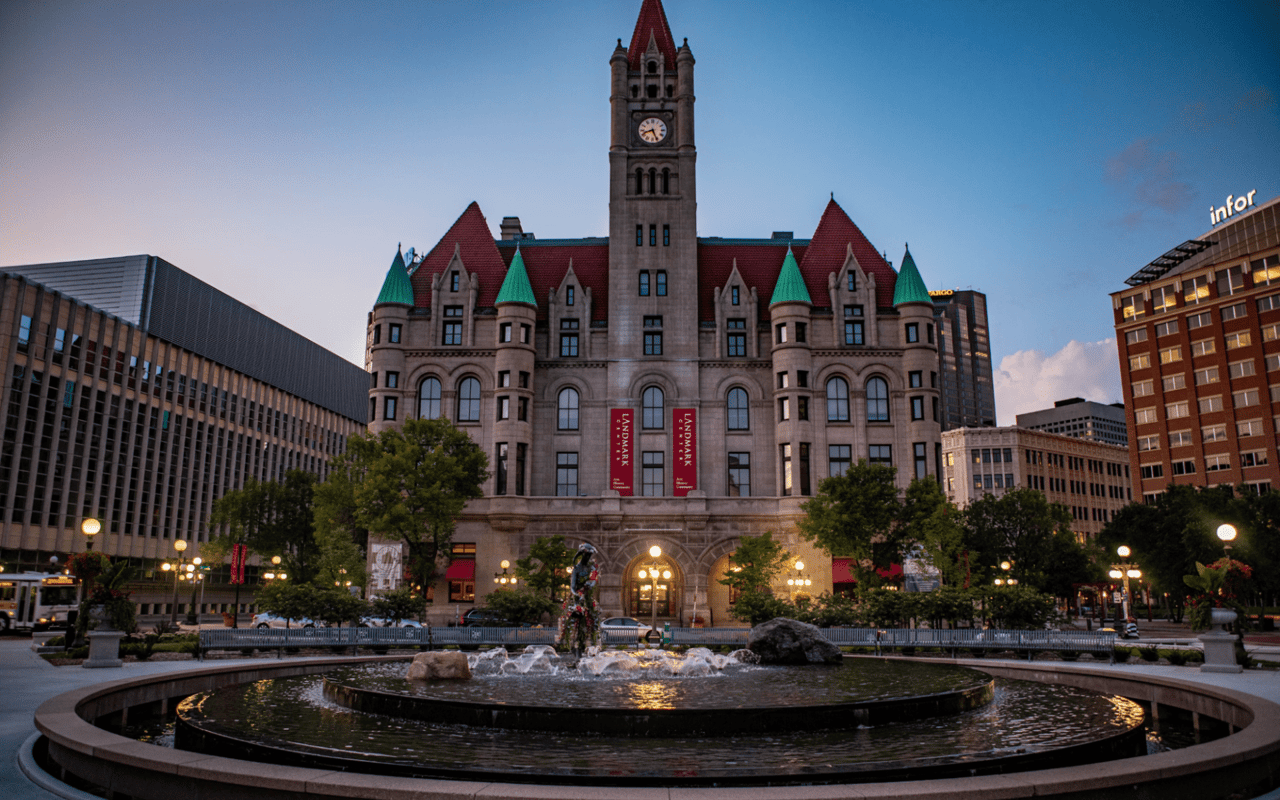
Romanesque Revival: Heavy rusticated stone, rounded arches, and a sense of fortified permanence; the James J. Hill House is the neighborhood's most famous example
Craftsman Bungalows and Prairie Influence
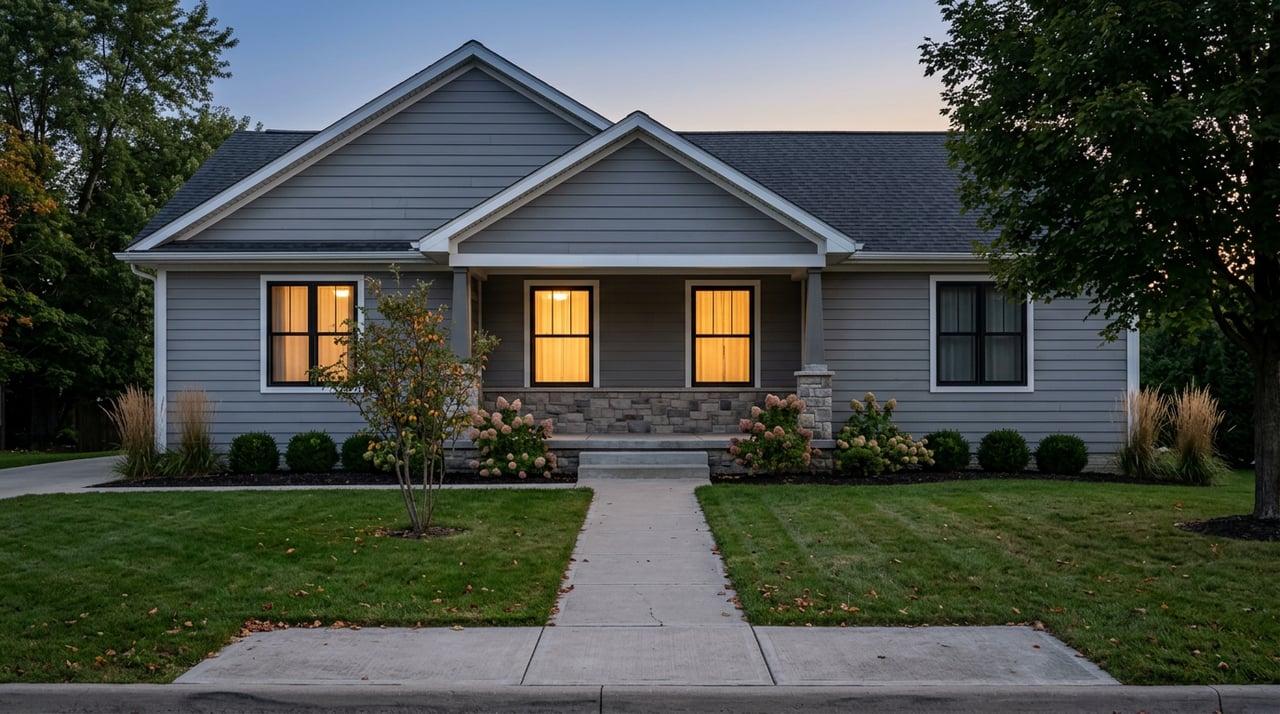
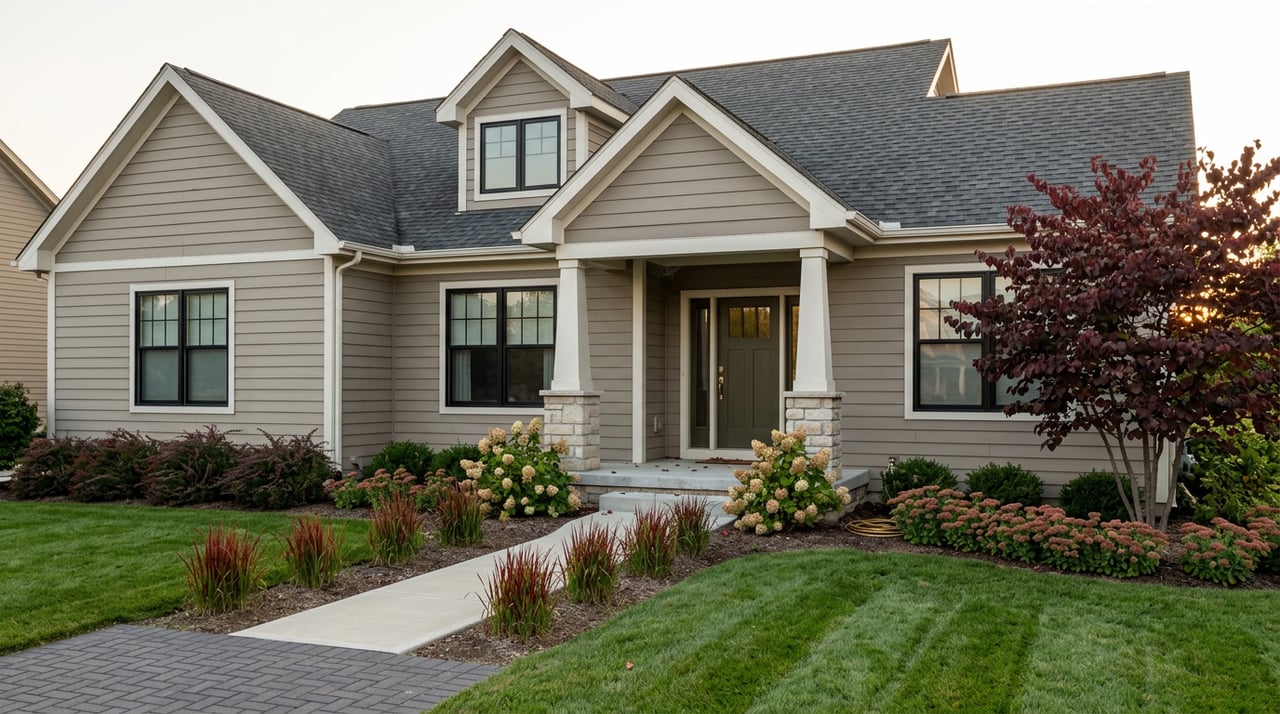
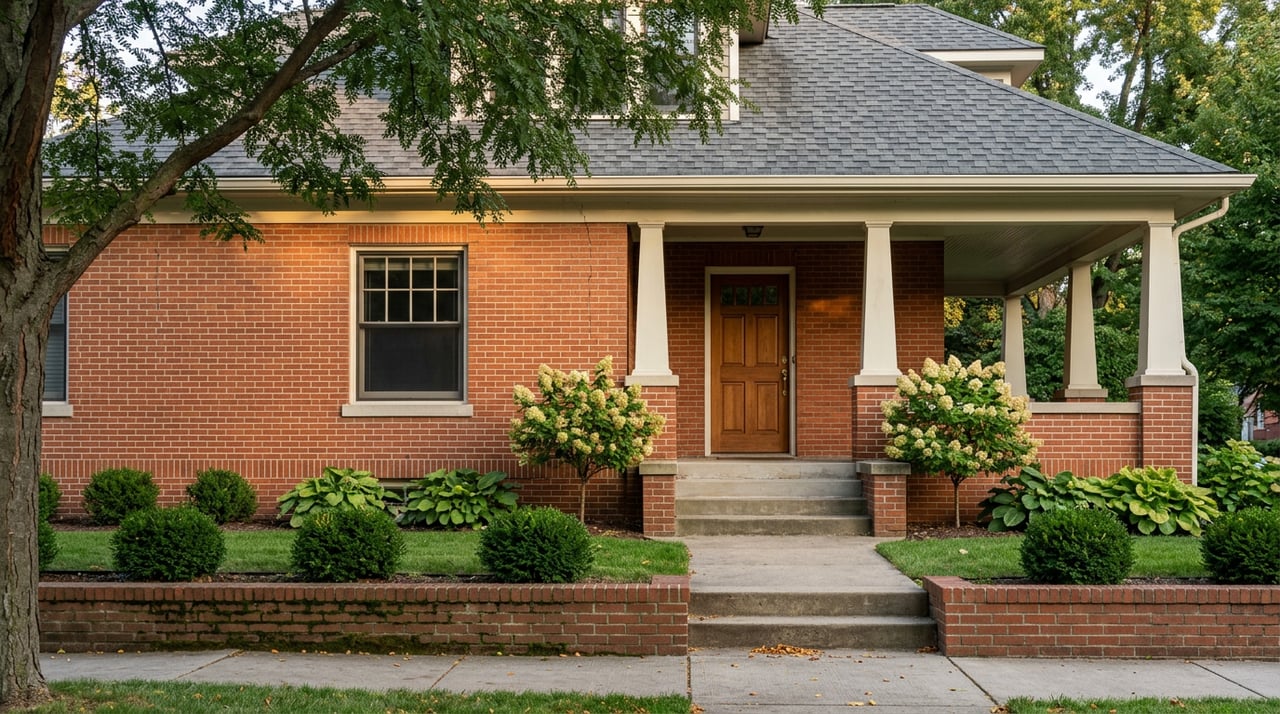
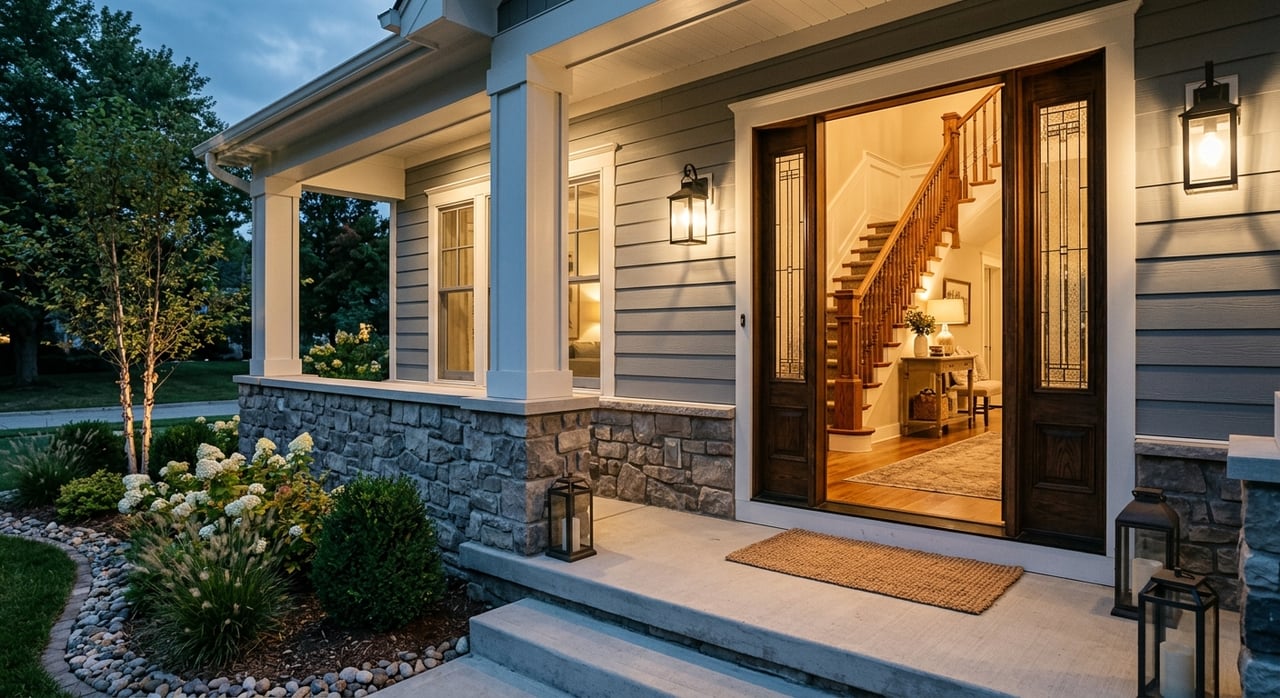
Move away from Summit Avenue into neighborhoods like Merriam Park, Hamline-Midway, and St. Anthony Park, and the residential scale shifts completely. These are neighborhoods built for working and middle-class families in the early 20th century, and Craftsman bungalows dominate the streetscape.
Buyers who love Craftsman homes are drawn to their craftsmanship details, and in St. Paul, those details tend to be exceptionally well preserved:
Buyers who love Craftsman homes are drawn to their craftsmanship details, and in St. Paul, those details tend to be exceptionally well preserved:
What Defines a St. Paul Craftsman
-
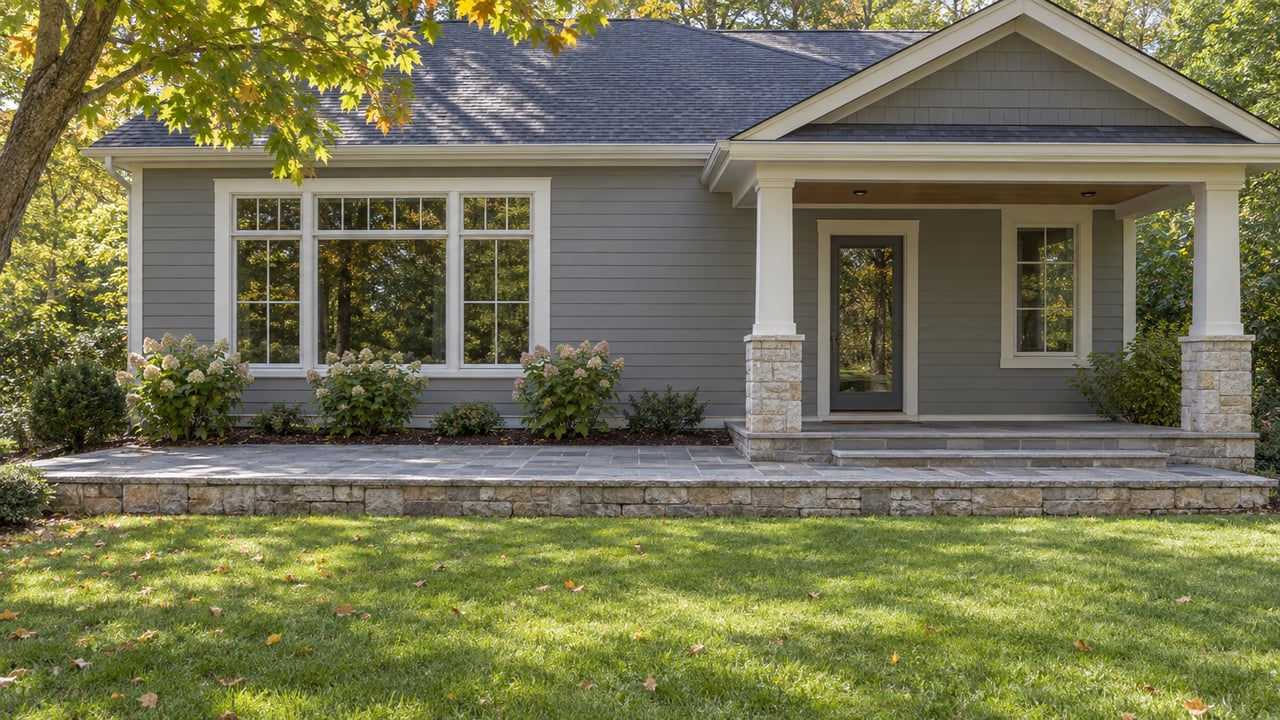
Wide front porches with tapered columns sitting on brick or stone piers
-
Exposed rafter tails and decorative knee braces under low-pitched roofs
-
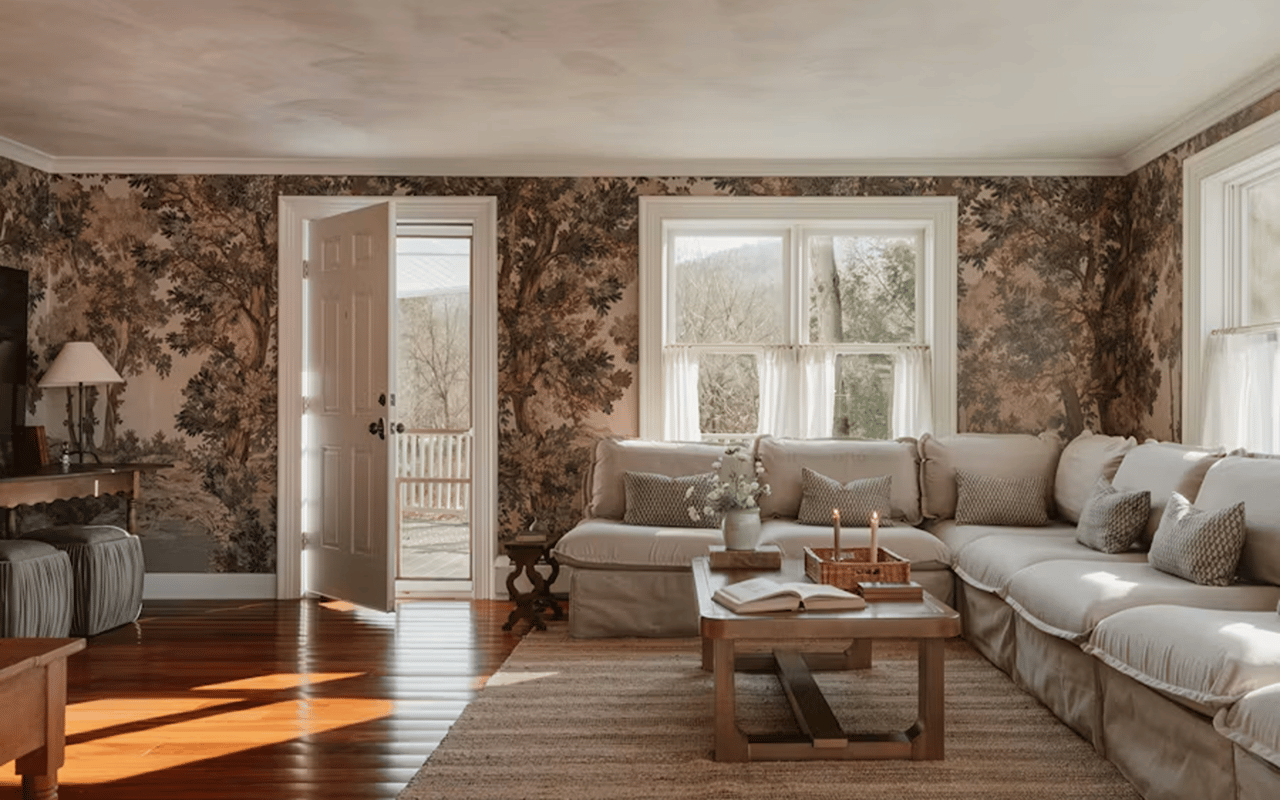
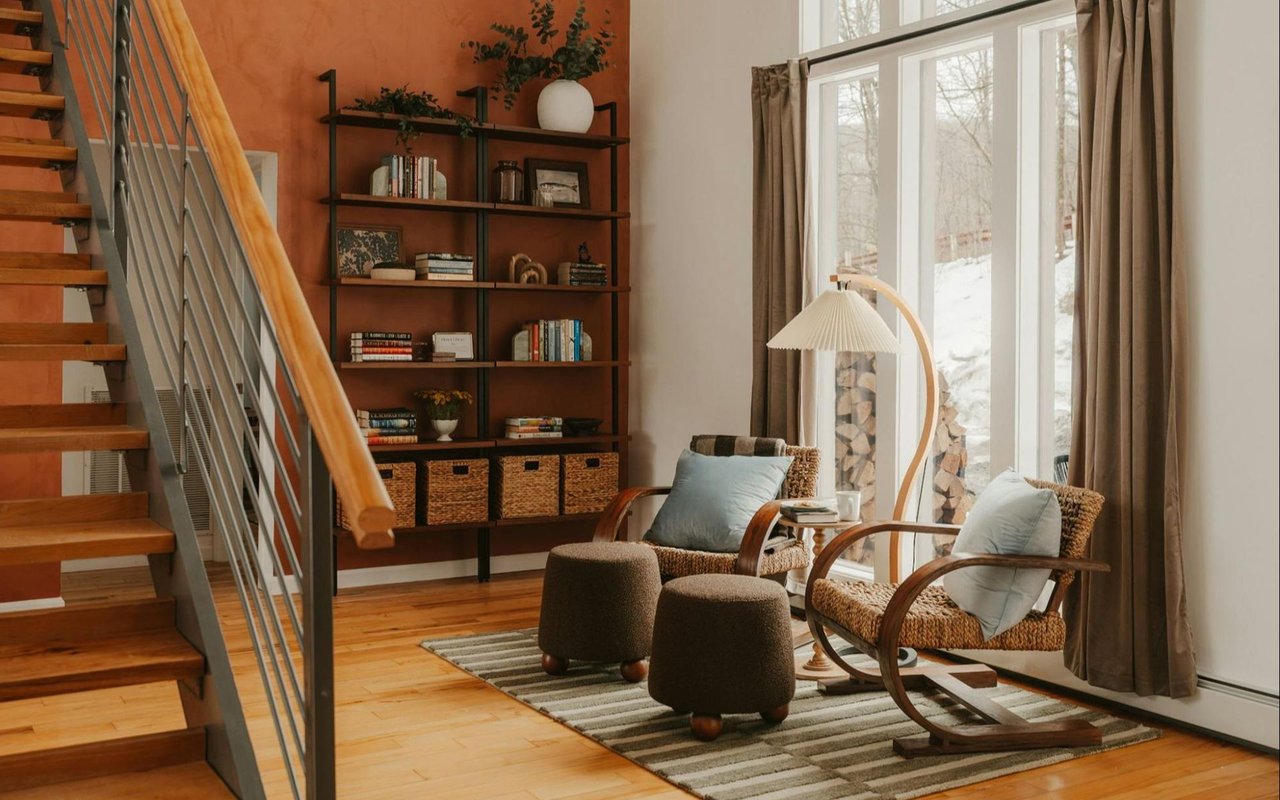
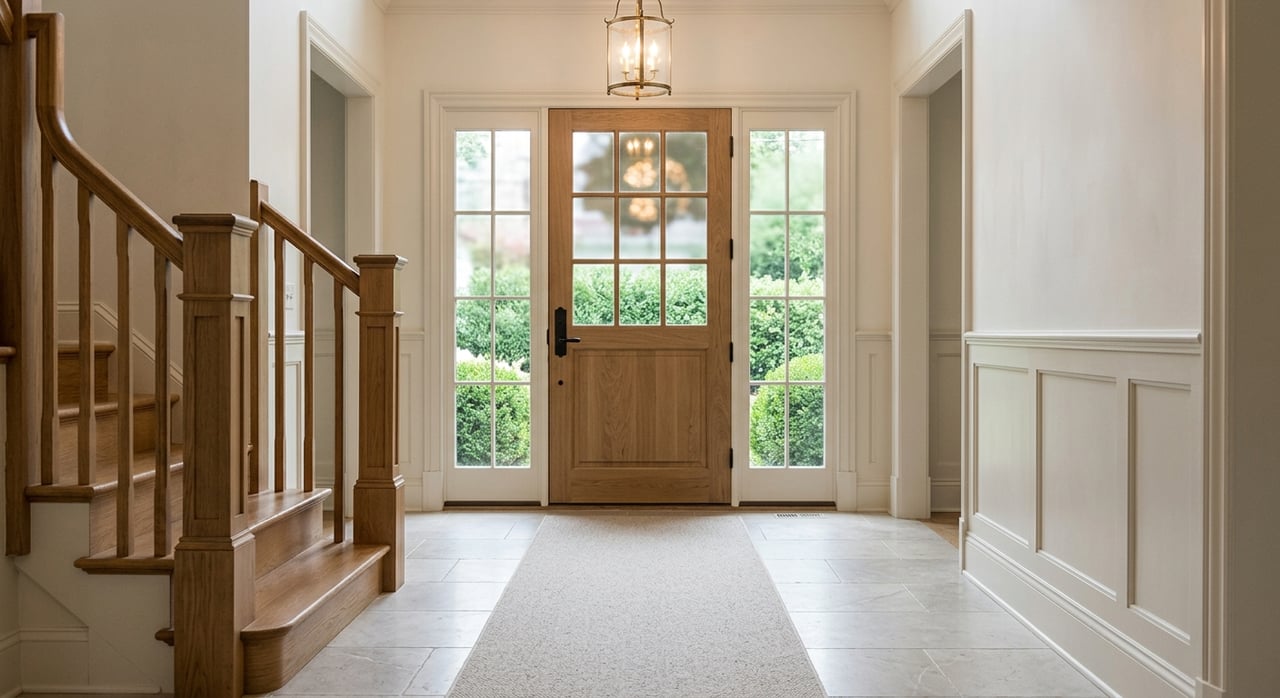
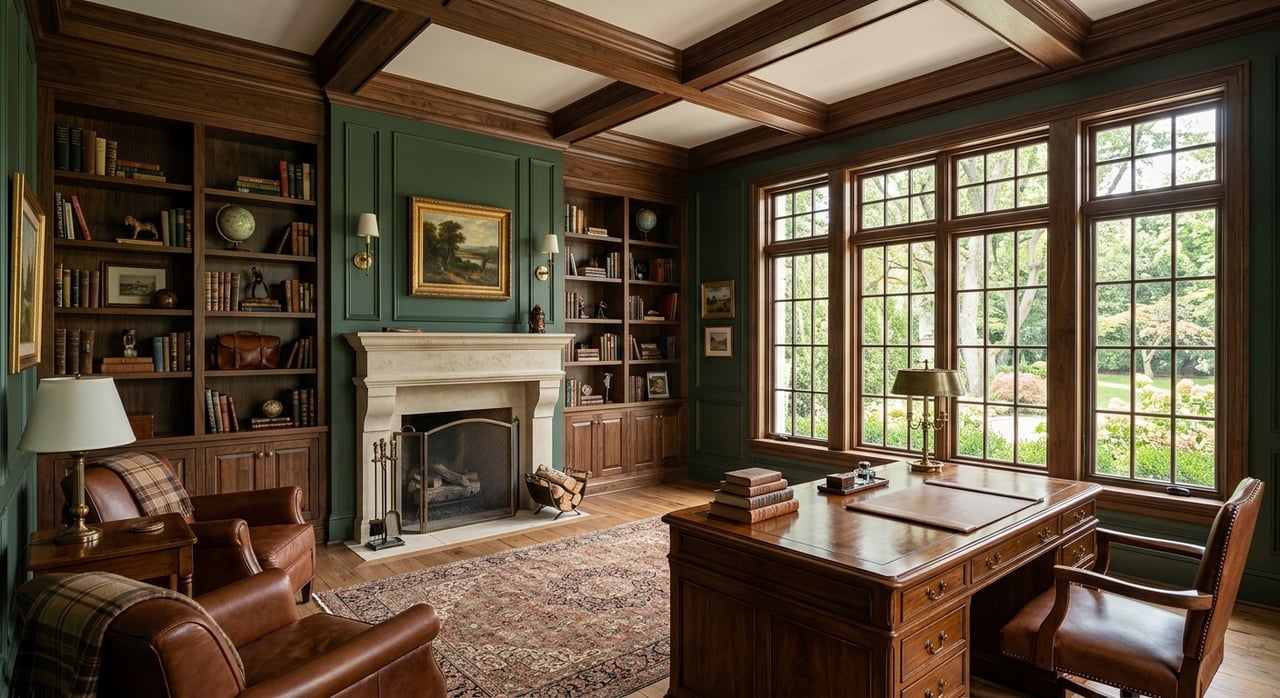
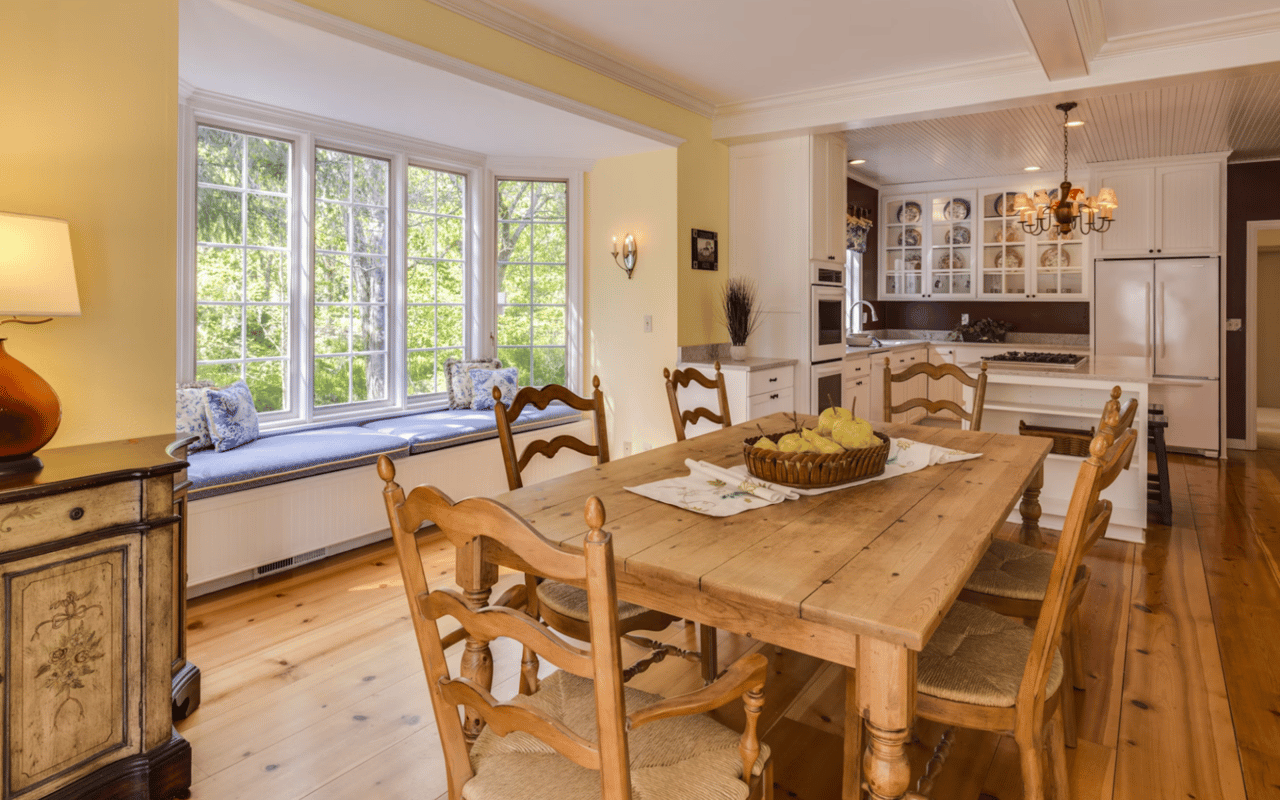
Natural wood interiors: built-in bookcases, window seats, and original hardwood floors
-
Earthy exterior colors (deep greens, warm browns, and cream) that blend with mature tree canopies
Tudor Revival, Georgian Revival, and Mid-Century Modern
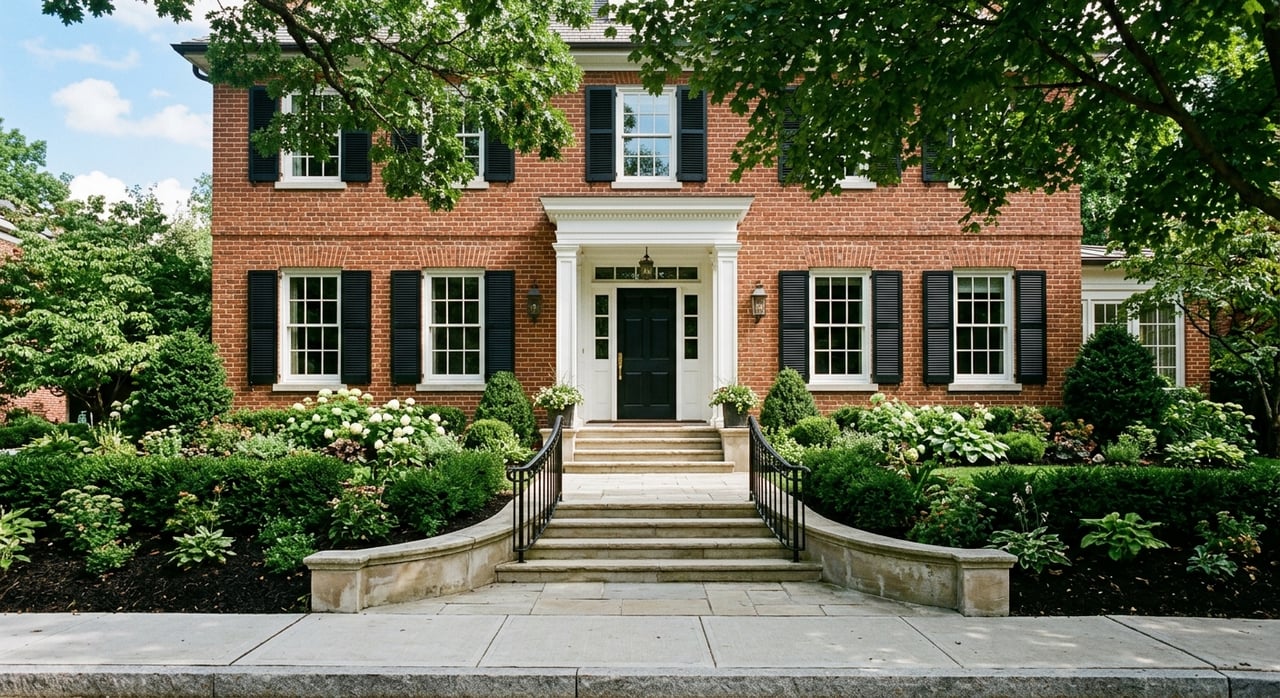
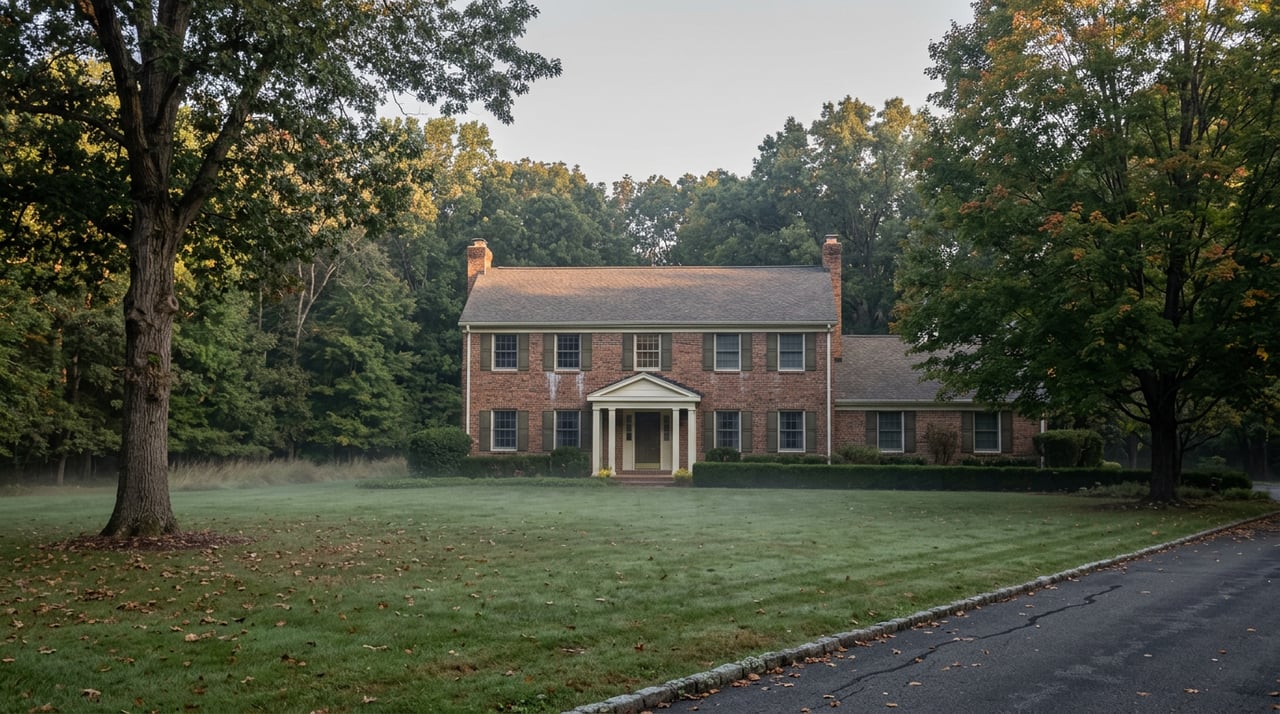
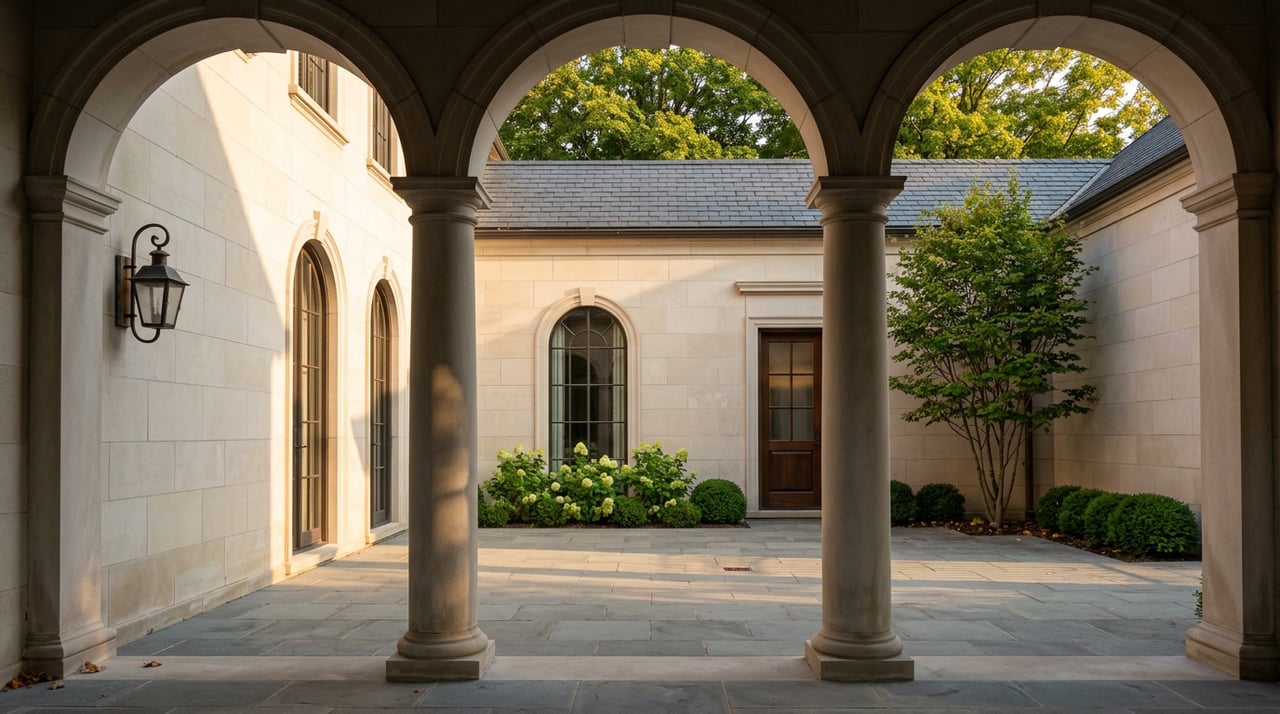
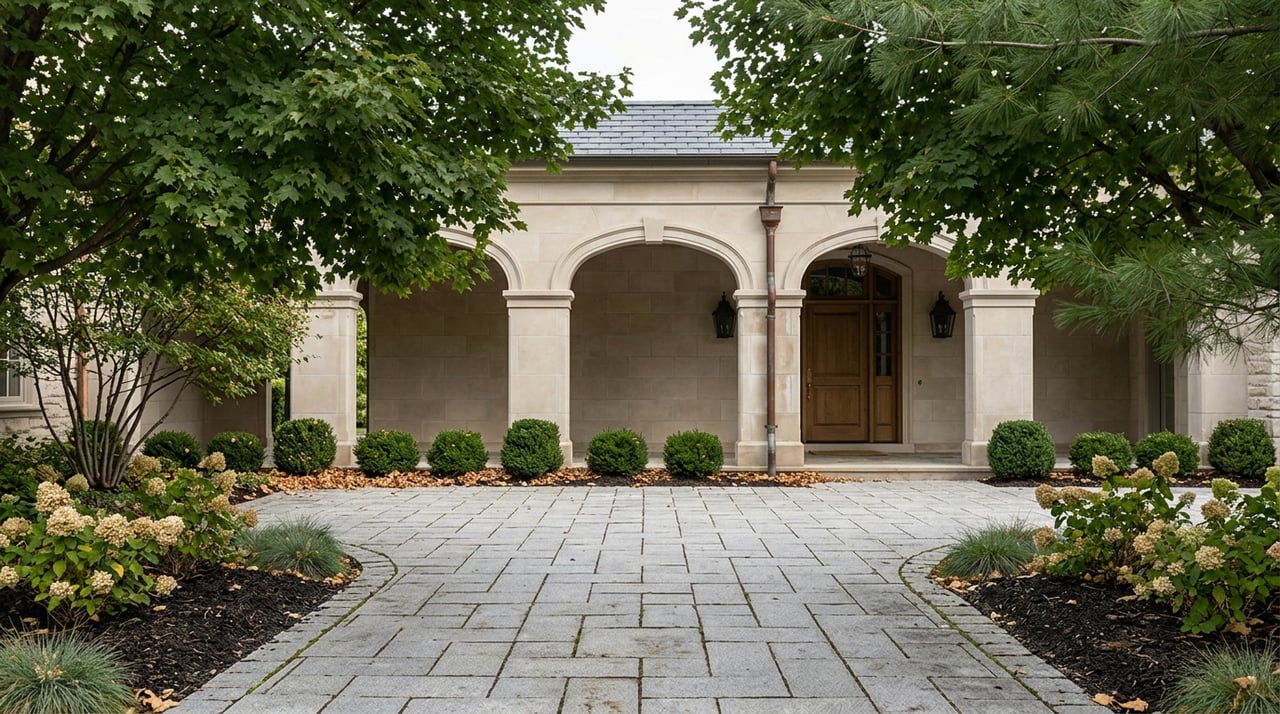
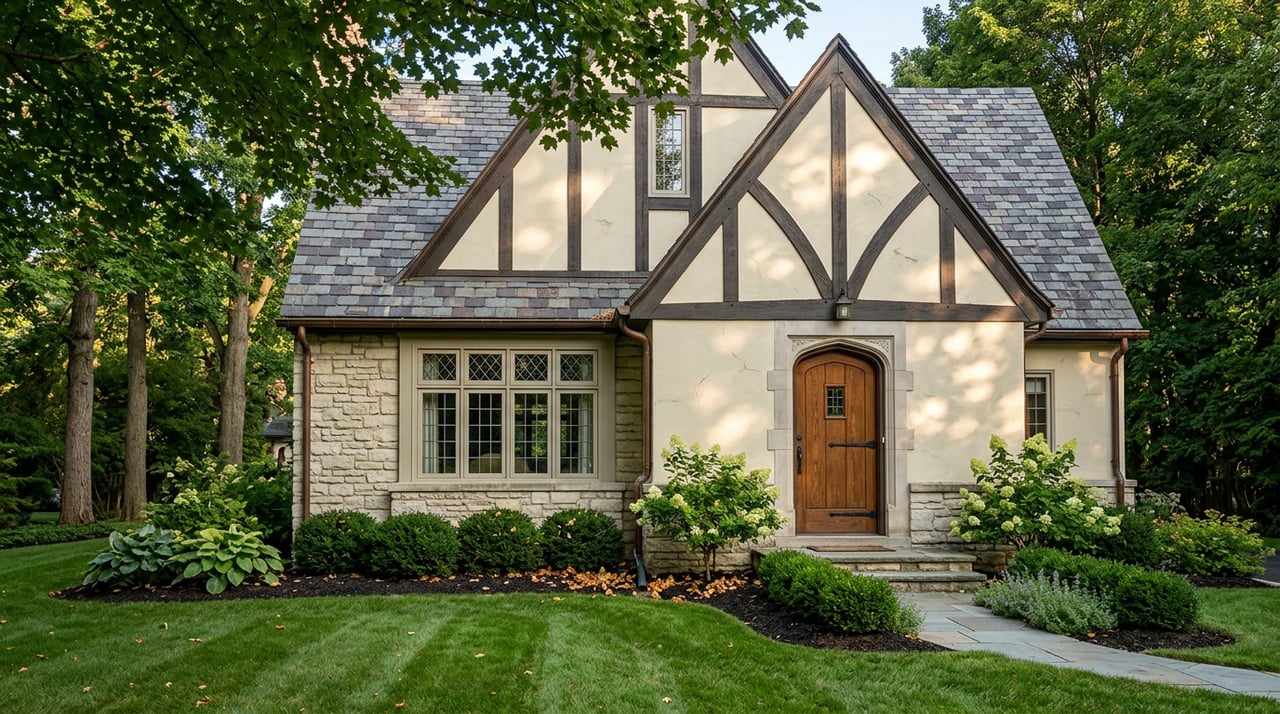
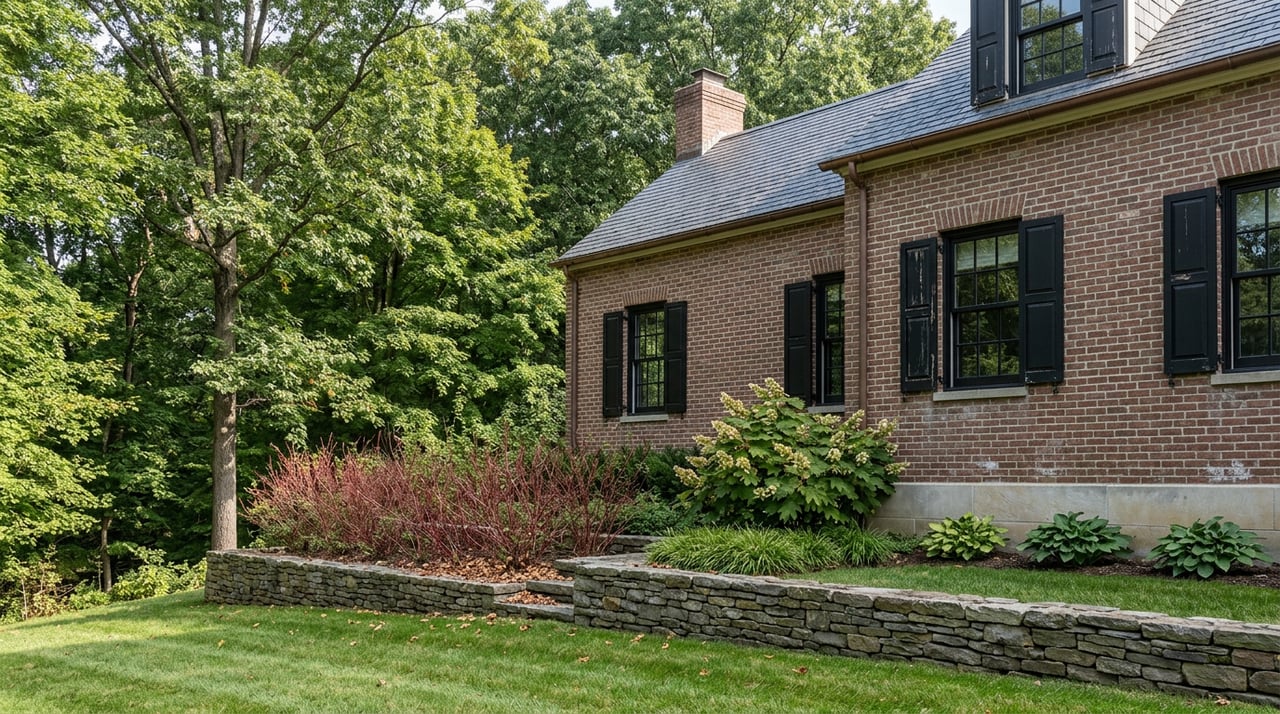
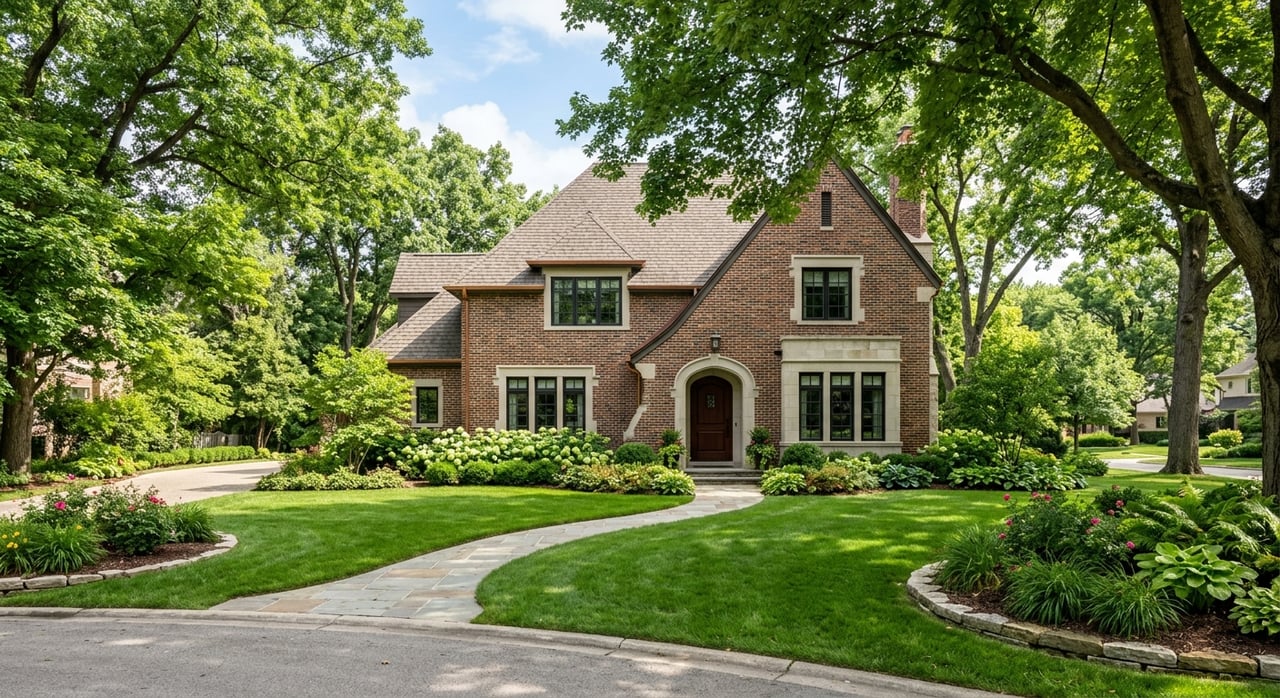
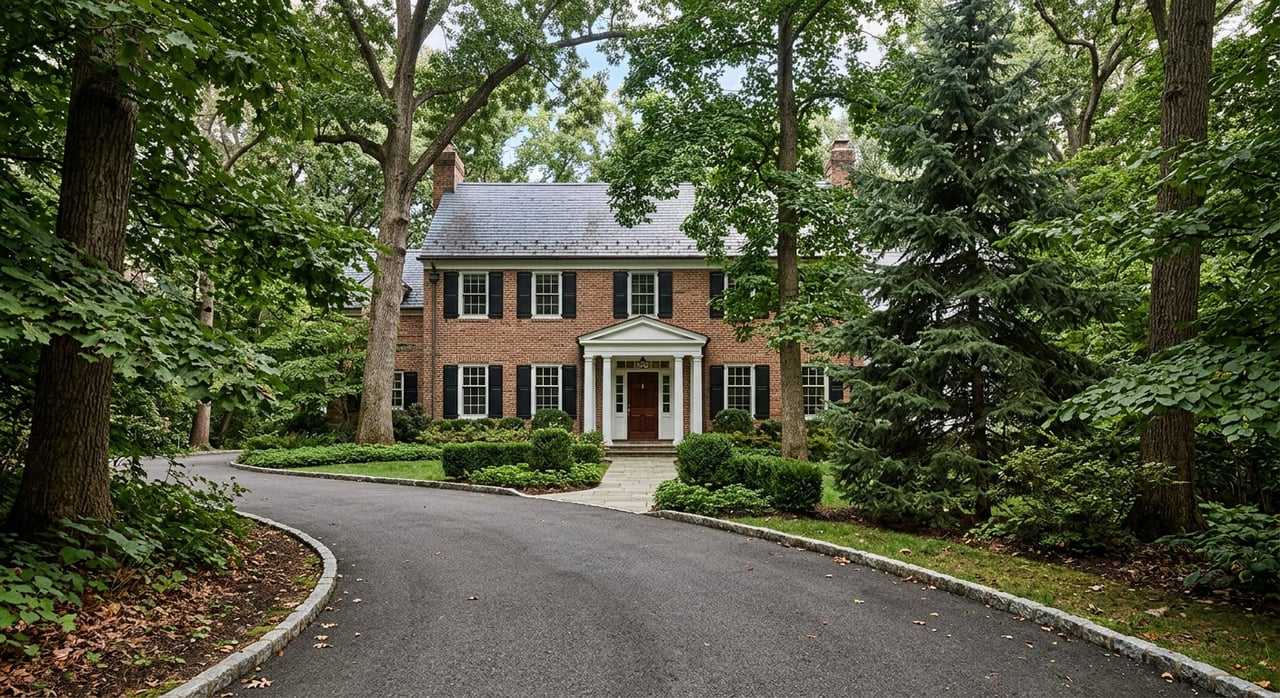
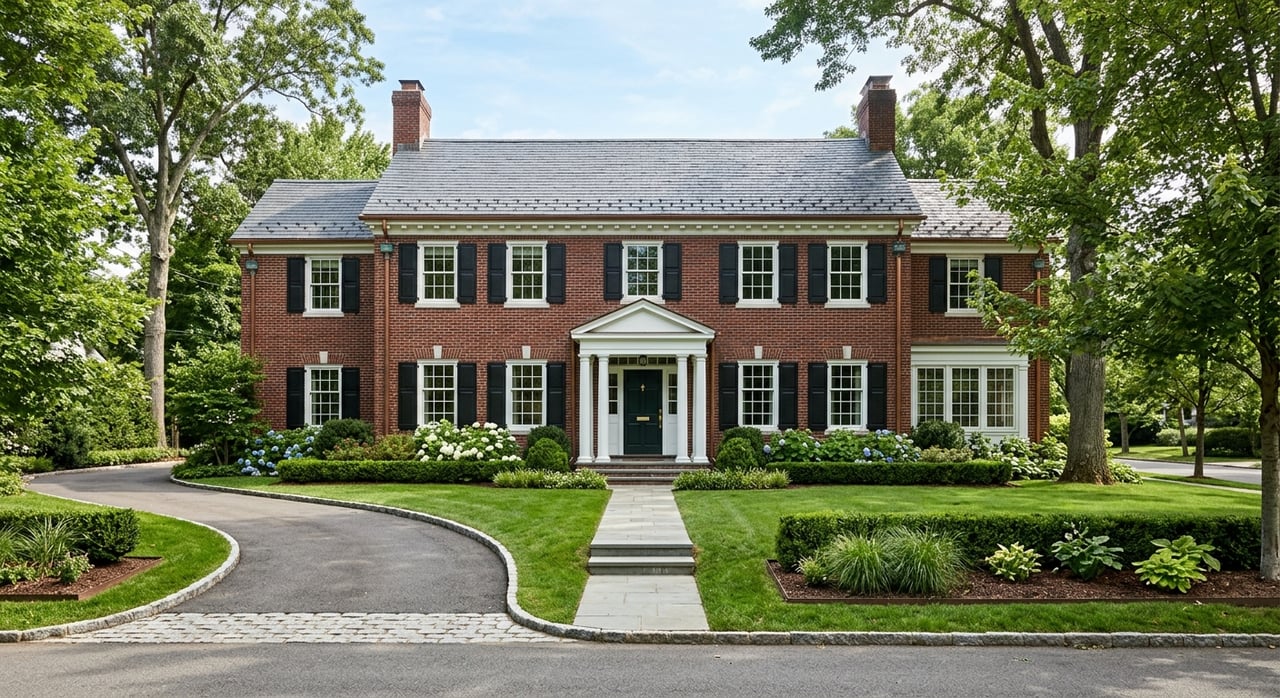
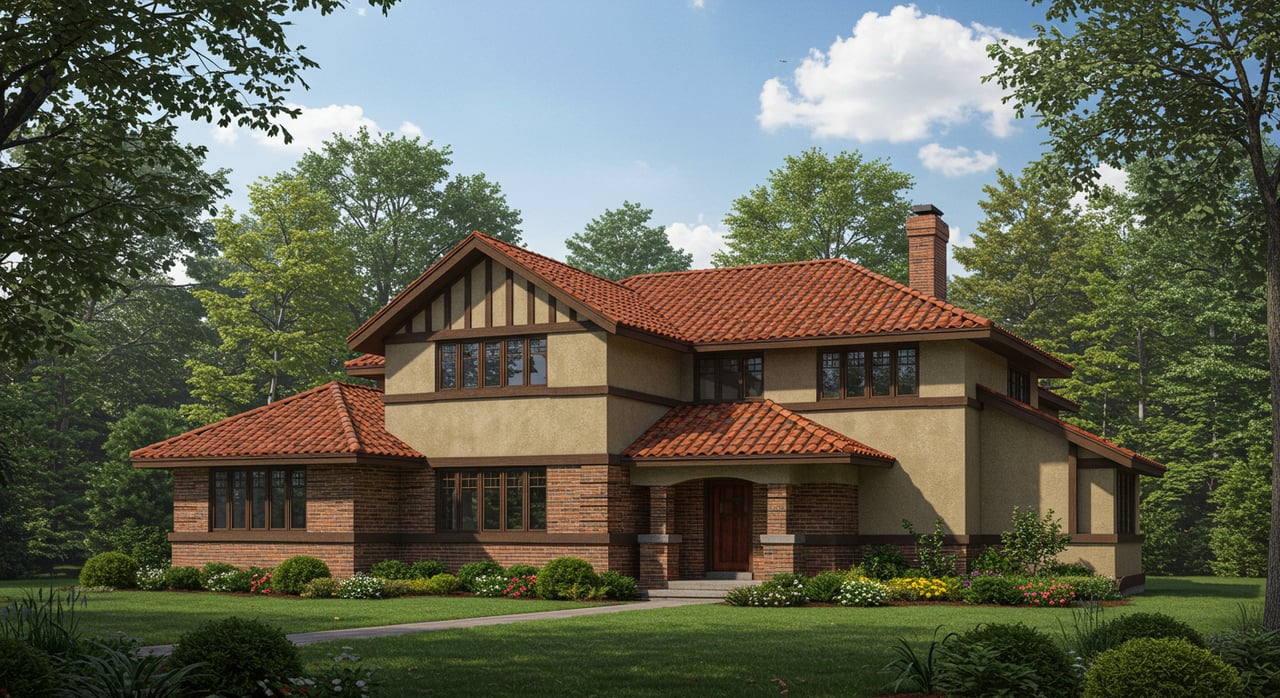
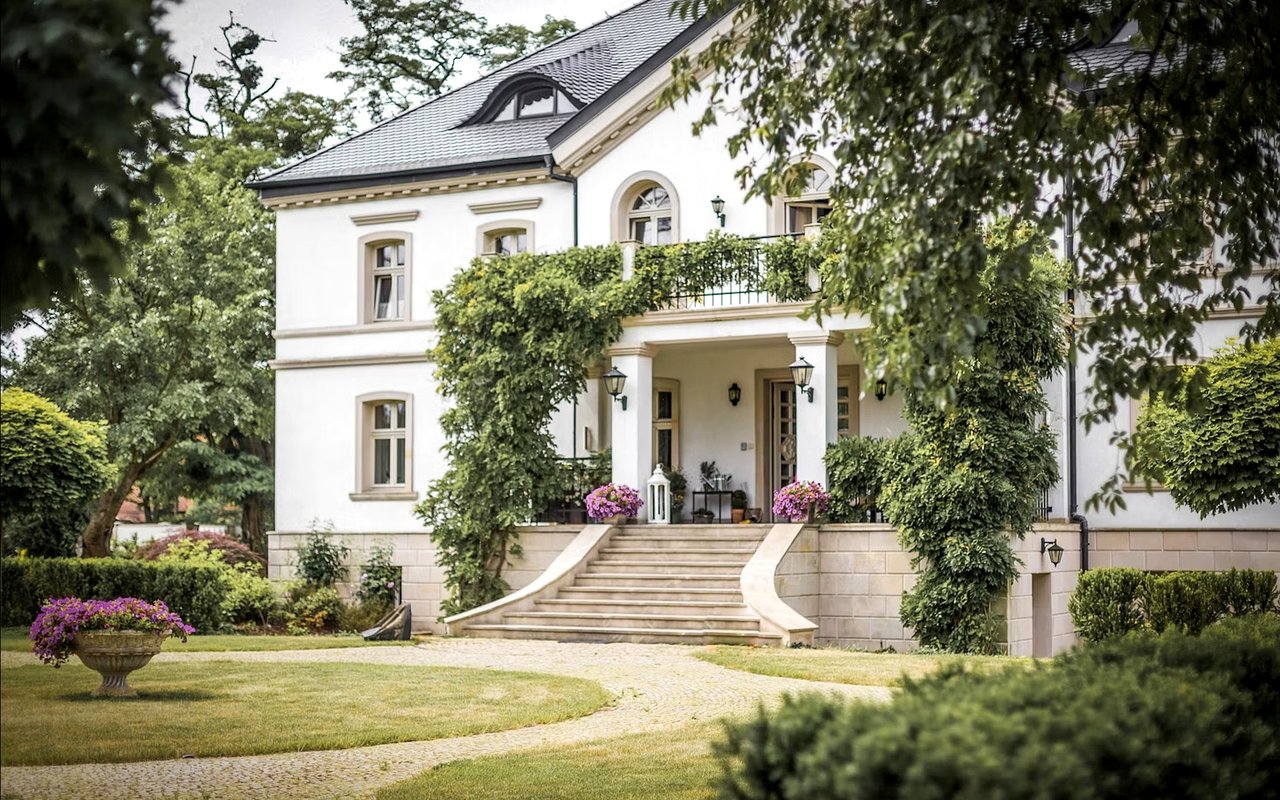
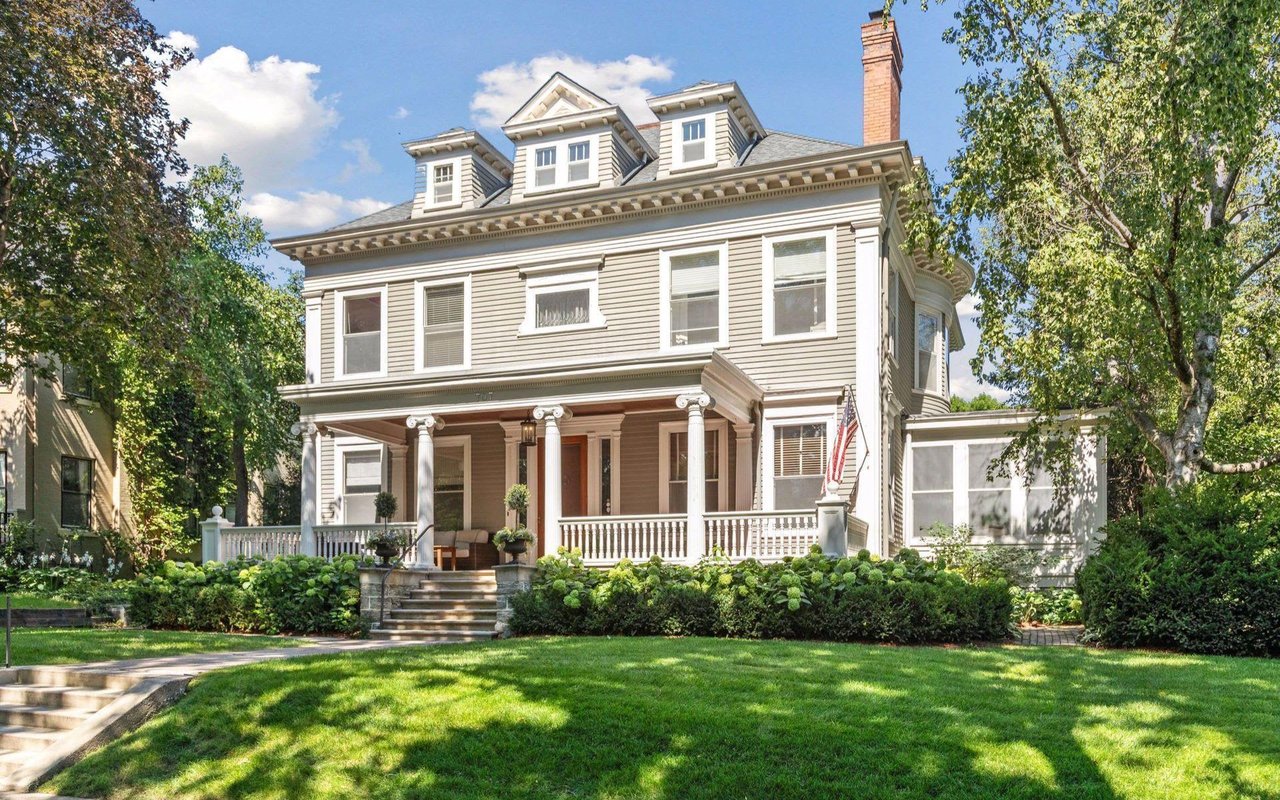
St. Paul's architectural range doesn't stop at Victorian or Craftsman. Summit Hill and Merriam Park hold some of the city's finest Tudor Revival homes, with steeply pitched rooflines, half-timbered facades, and arched entryways that feel pulled from the English countryside. Georgian Revival homes, with their symmetrical brick facades and classical ornamentation, appear throughout the Cathedral Hill and Mac-Groveland neighborhoods.
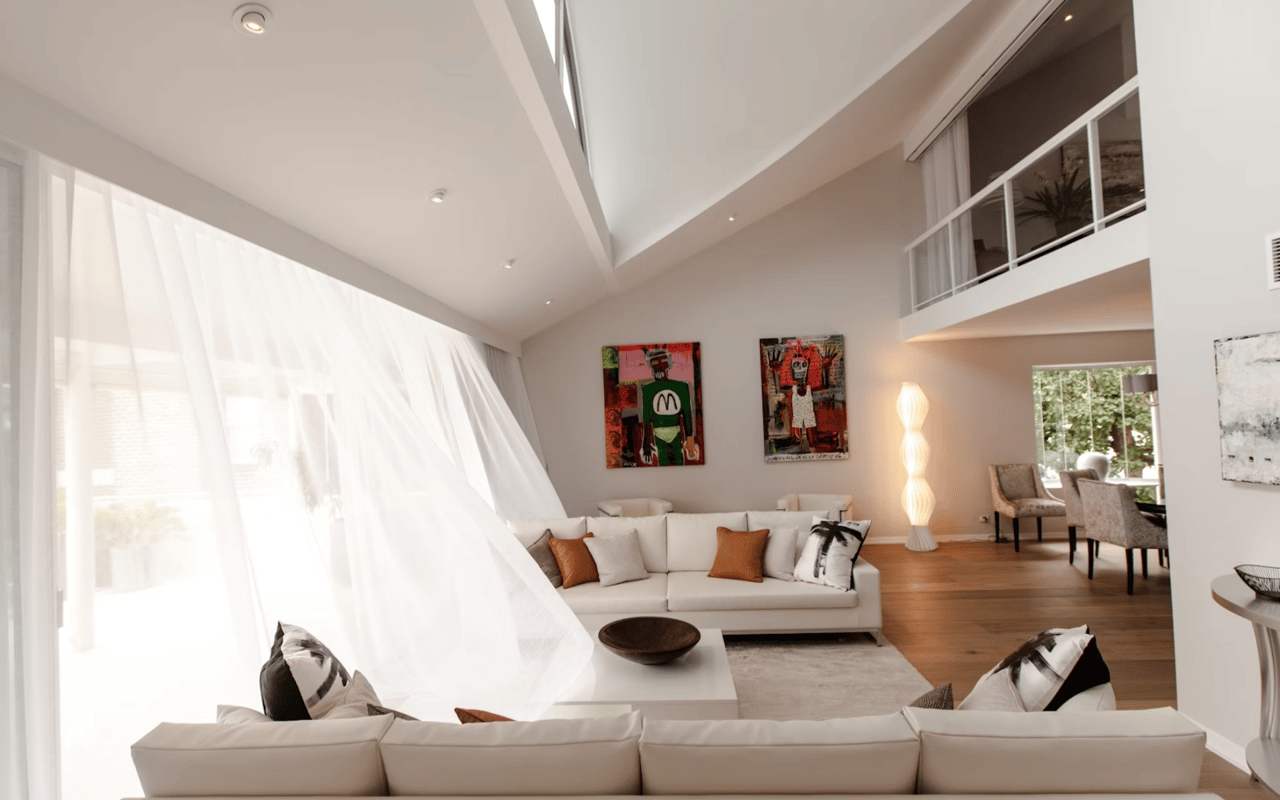
For buyers who want more space and modern layouts without sacrificing neighborhood character, Highland Park and Como Park offer something different:
For buyers who want more space and modern layouts without sacrificing neighborhood character, Highland Park and Como Park offer something different:
Mid-Century and Contemporary Options
-
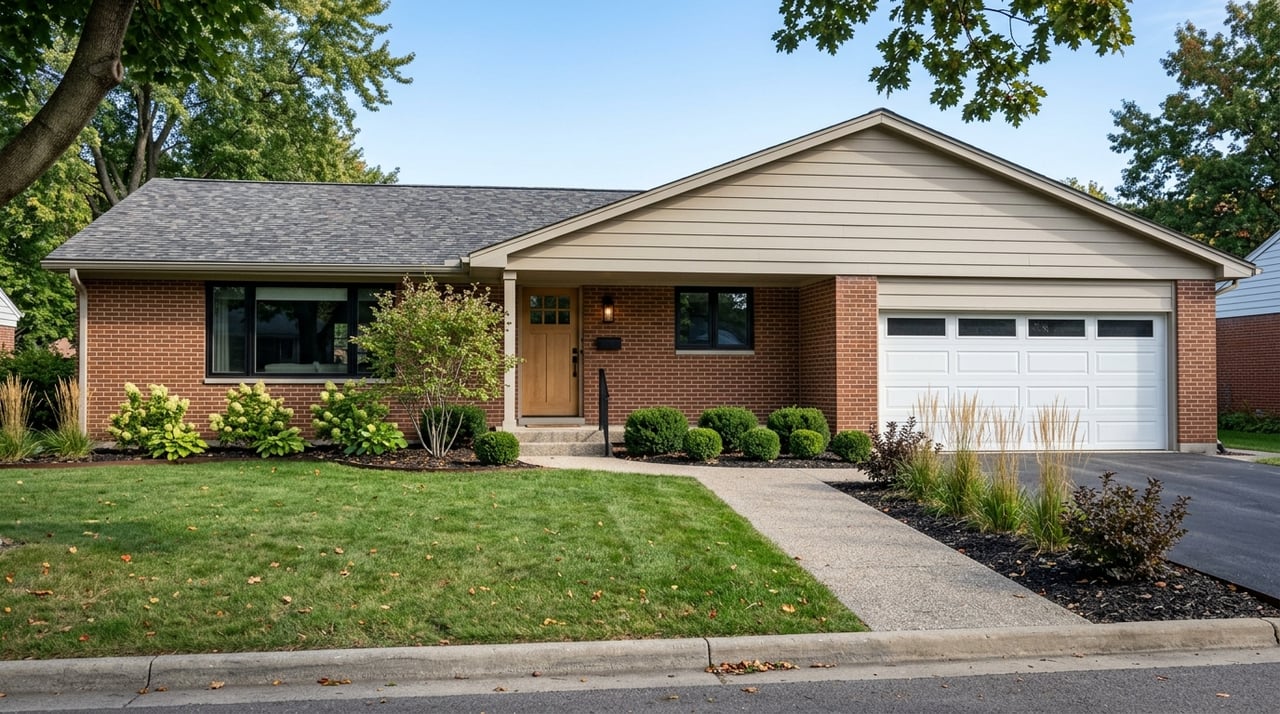
Ranch and split-level homes from the 1950s and 1960s, particularly in Highland Park, offer single-story living and large lots
-
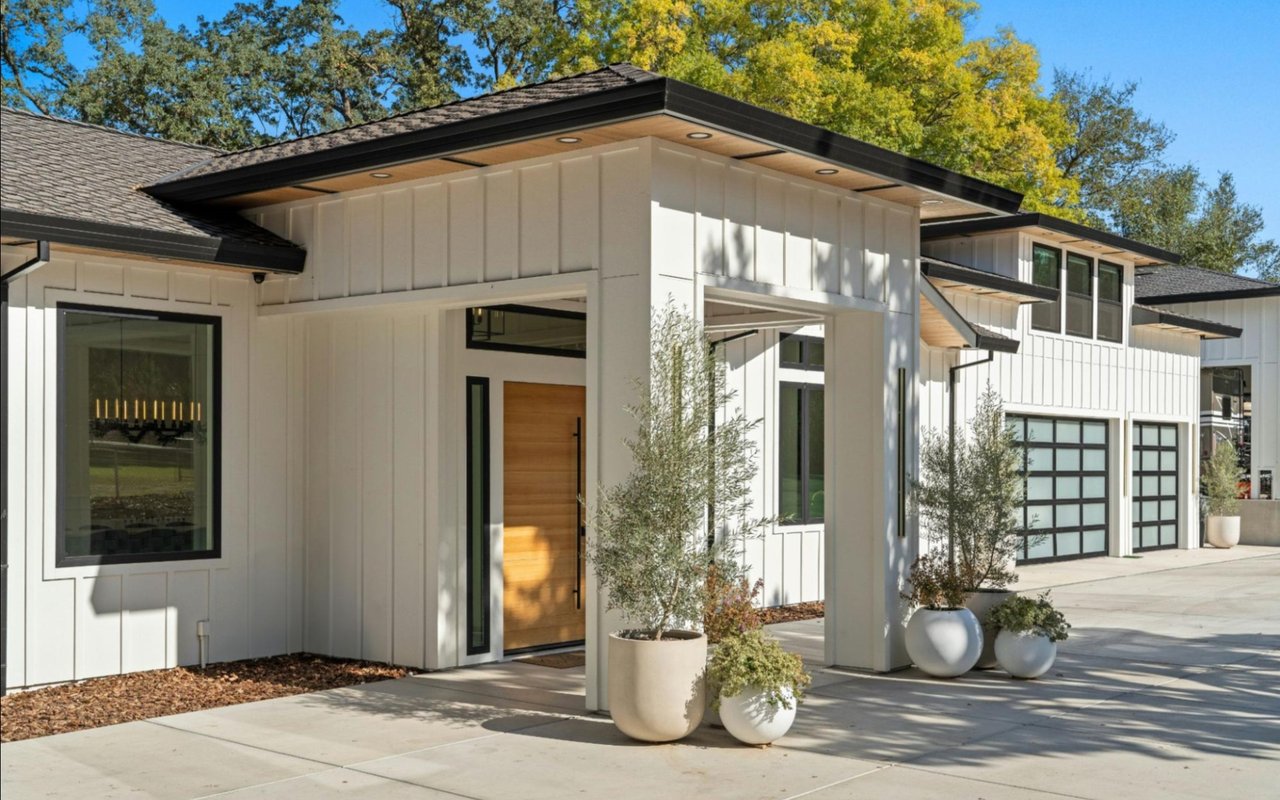
Mid-century modern styles in Como Park, with clean horizontal lines and large picture windows
-
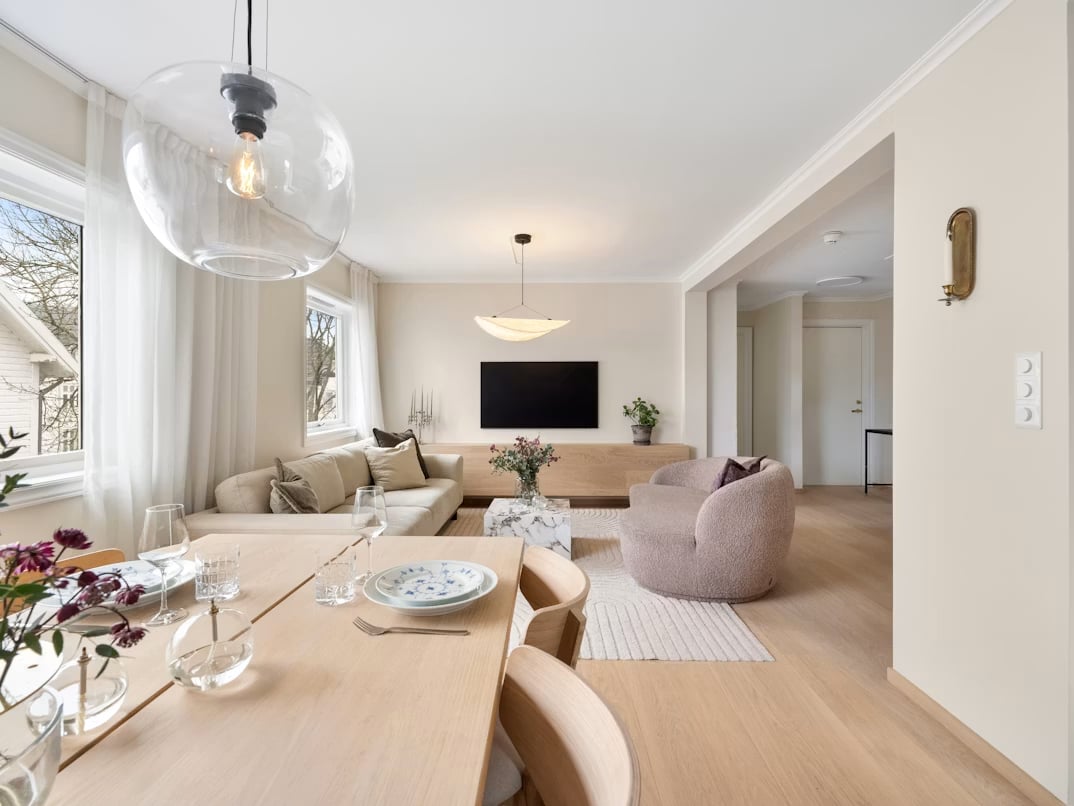
Contemporary new construction that has been thoughtfully integrated into existing streetscapes in select pockets of West Seventh and Lowertown
-
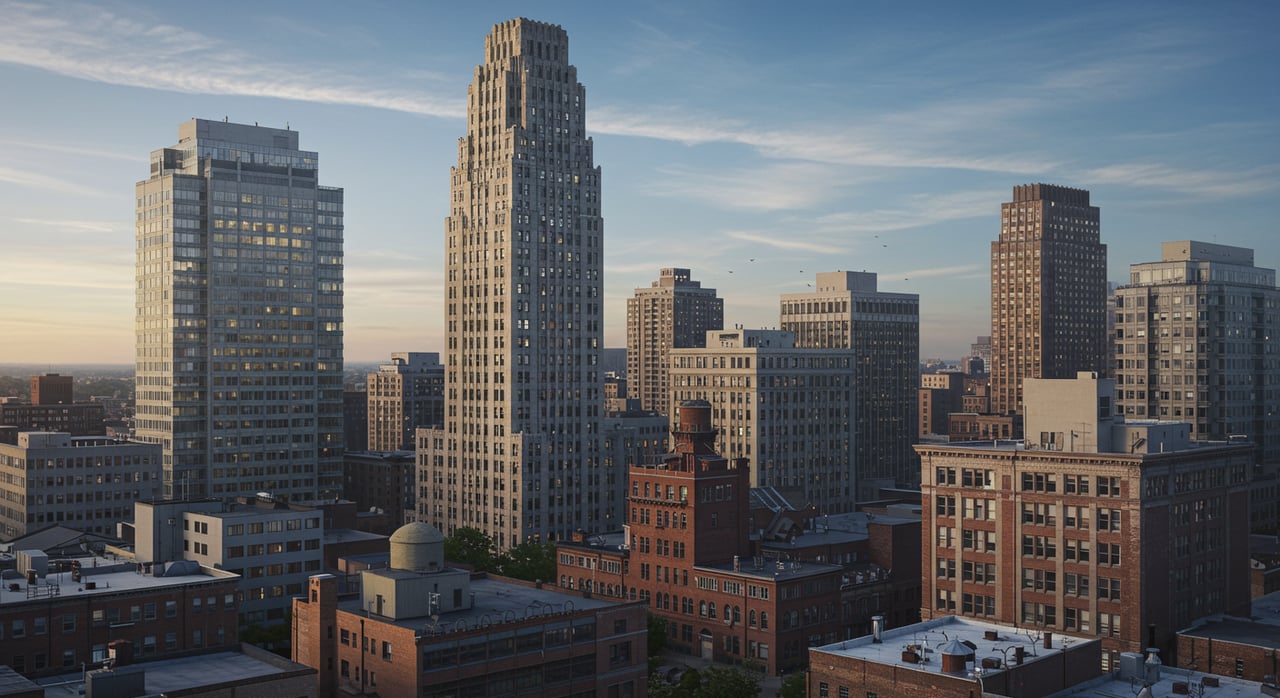
Converted historic properties: carriage houses, former commercial buildings, and century-old apartments turned condos throughout Cathedral Hill and Lowertown
Frequently Asked Questions
What is the most common architectural style in St. Paul?
Craftsman bungalows are probably the most widely distributed residential style across St. Paul's neighborhoods. You'll find them in nearly every part of the city, from Hamline-Midway to St. Anthony Park, typically dating to the 1905–1930 period. They vary widely in size, but the hallmark details (front porches, natural wood interiors, and low rooflines) remain consistent.
Are historic homes in St. Paul difficult to maintain?
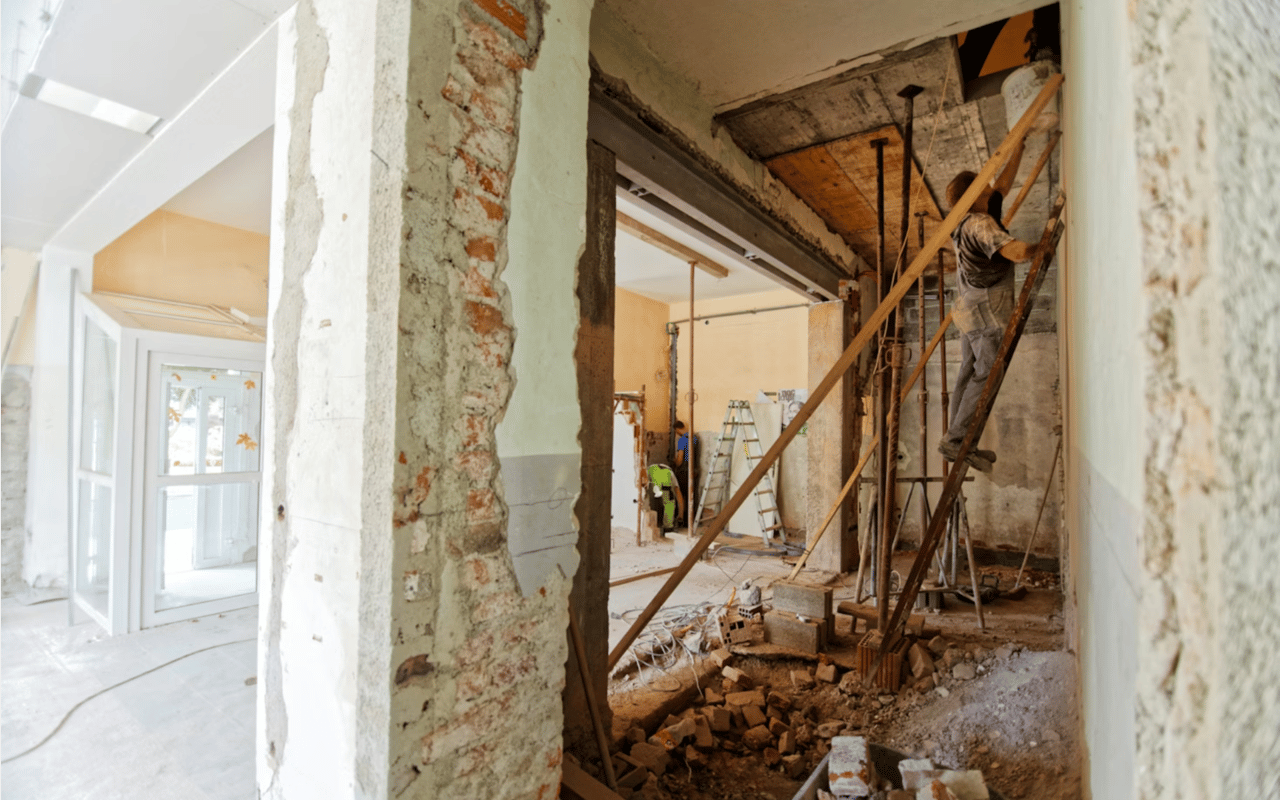
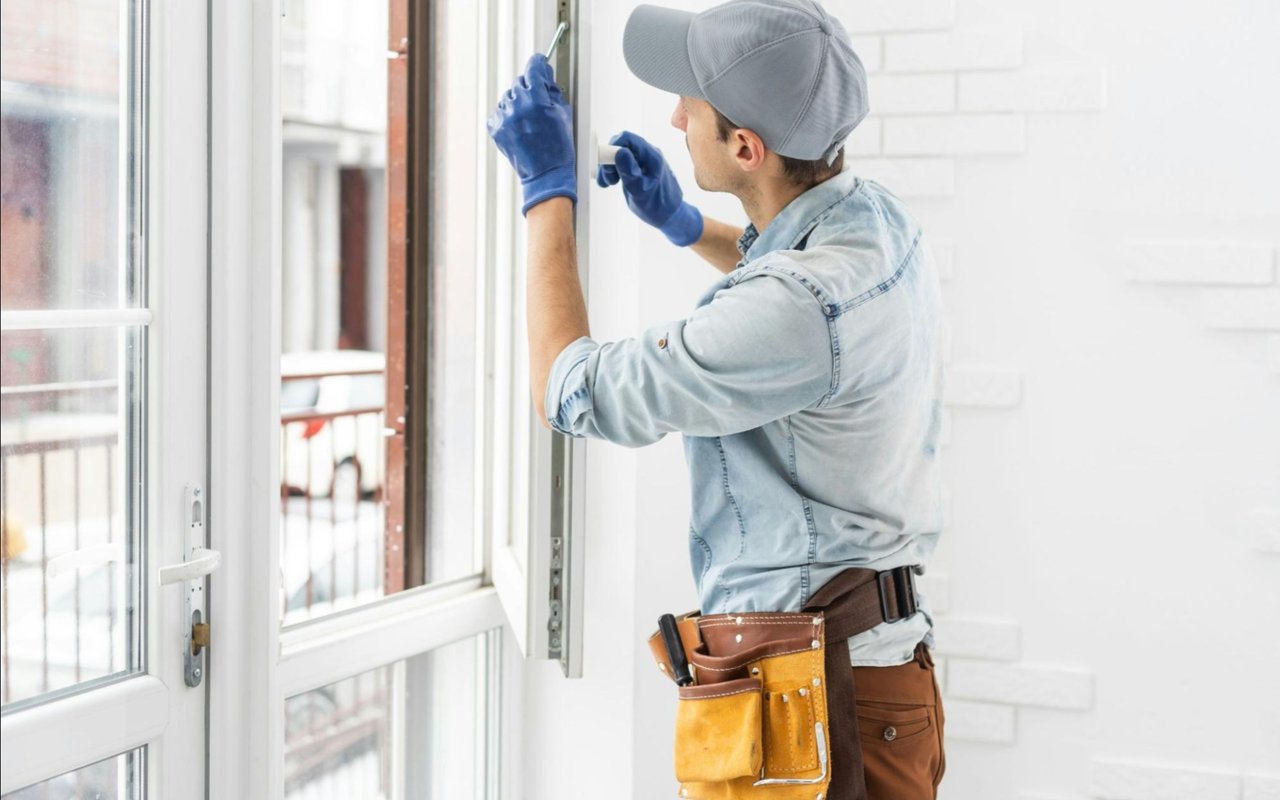
Historic homes do require more attention than newer construction, particularly around original windows, plaster walls, and older mechanical systems. That said, many local historic neighborhoods have strong preservation resources, and the quality of original materials (old-growth woodwork, handmade tile, solid plaster) often outlasts what's used in modern construction when properly cared for.
Which St. Paul neighborhoods have the most architectural variety?
Summit Hill and Cathedral Hill offer the widest mix of styles, with Victorian mansions, Craftsman homes, brick rowhouses, and converted apartment buildings all within a few blocks of each other. Mac-Groveland is another standout, with Tudor mansions along Mississippi River Boulevard and charming bungalows throughout its interior streets.
Contact Sally English Today
If you're searching for a home in St. Paul and you want to understand what you're looking at (not just the price, but the story behind the walls), I'd love to walk you through it. I work with buyers across St. Paul's neighborhoods and know these architectural styles well enough to help you spot the details that matter, and the red flags worth watching.
Reach out to me, Sally English, to start your St. Paul home search.
Reach out to me, Sally English, to start your St. Paul home search.