Wondering whether a Minneapolis luxury home will ask more of you after closing than you expected? That is a smart question, especially in a market where historic estates, architect-designed homes, and custom newer builds can look equally compelling but come with very different upkeep needs. If you understand how style, age, materials, and local conditions work together, you can make a more confident decision and plan ownership with fewer surprises. Let’s dive in.
Why Minneapolis Luxury Homes Stand Apart
Minneapolis luxury housing reflects a mix of estate-era development, architect-led design, and a climate that puts real stress on exteriors. The city has more than 200 locally designated landmarks and historic districts, which means some homes carry preservation review requirements when you make changes.
That matters because luxury in Minneapolis is not just about square footage or finish level. It is also about how a home was built, what materials were used, and what kind of long-term stewardship it requires. In practical terms, two beautiful homes at a similar price point can have very different maintenance paths.
Historic Estate Styles in Minneapolis
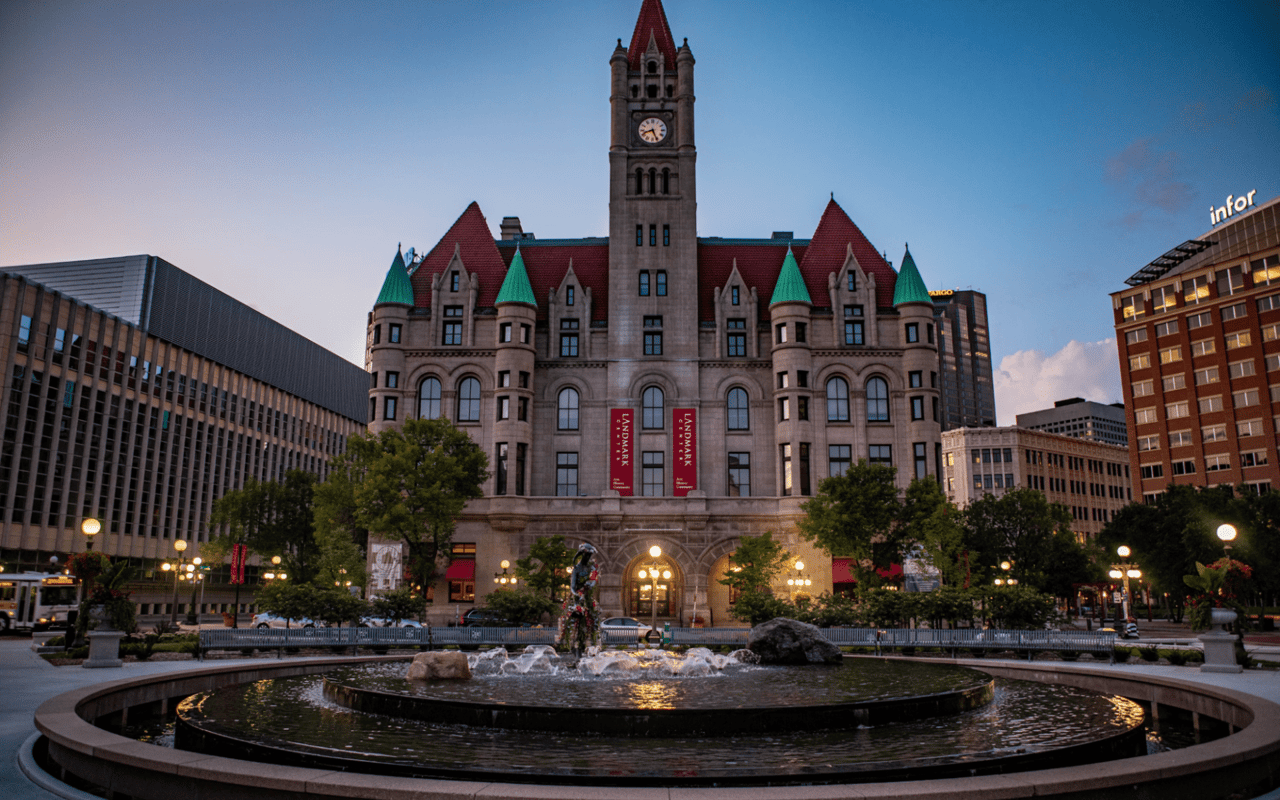
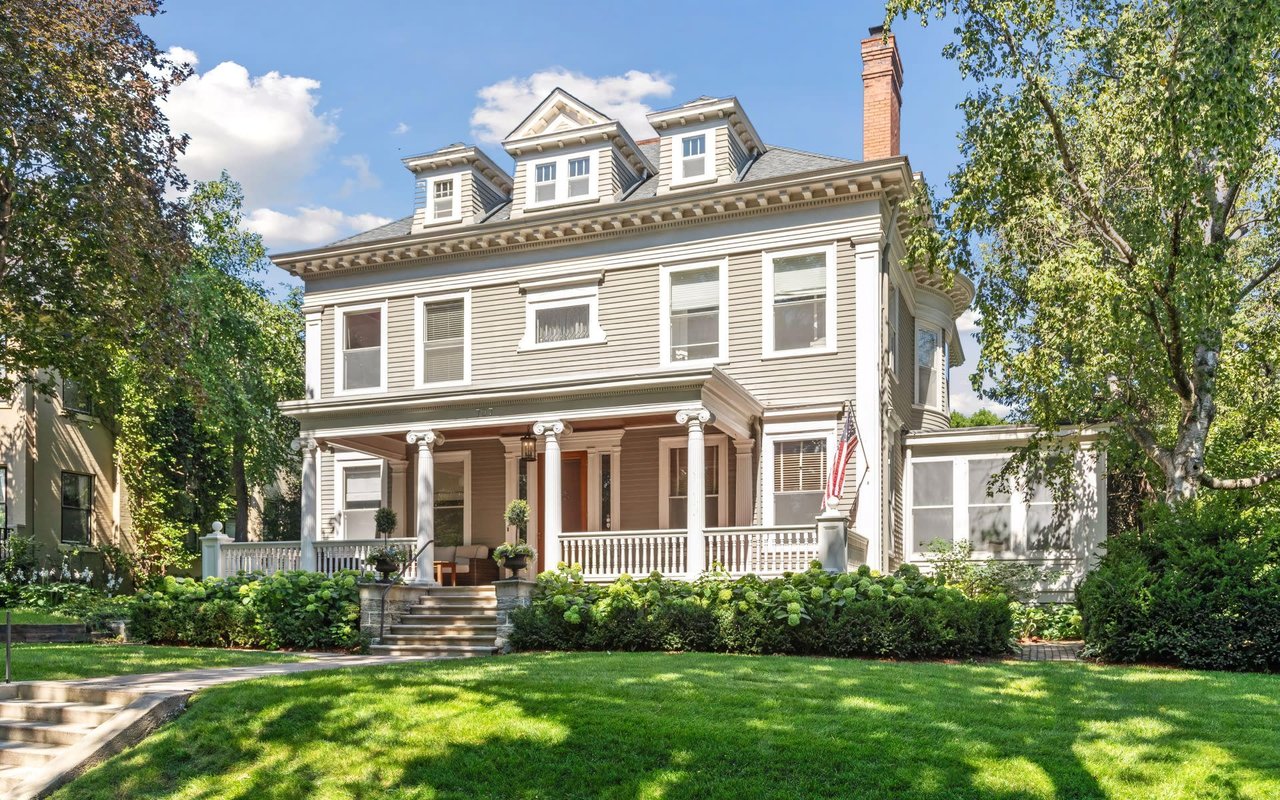
Many of Minneapolis’s best-known luxury homes come from its turn-of-the-century growth, when wealth spread into streetcar and lake-adjacent areas. Neighborhoods such as Washburn-Fair Oaks, Lowry Hill East, and Lynnhurst help illustrate the range of high-end historic architecture found in the city.
Queen Anne and Revival Homes
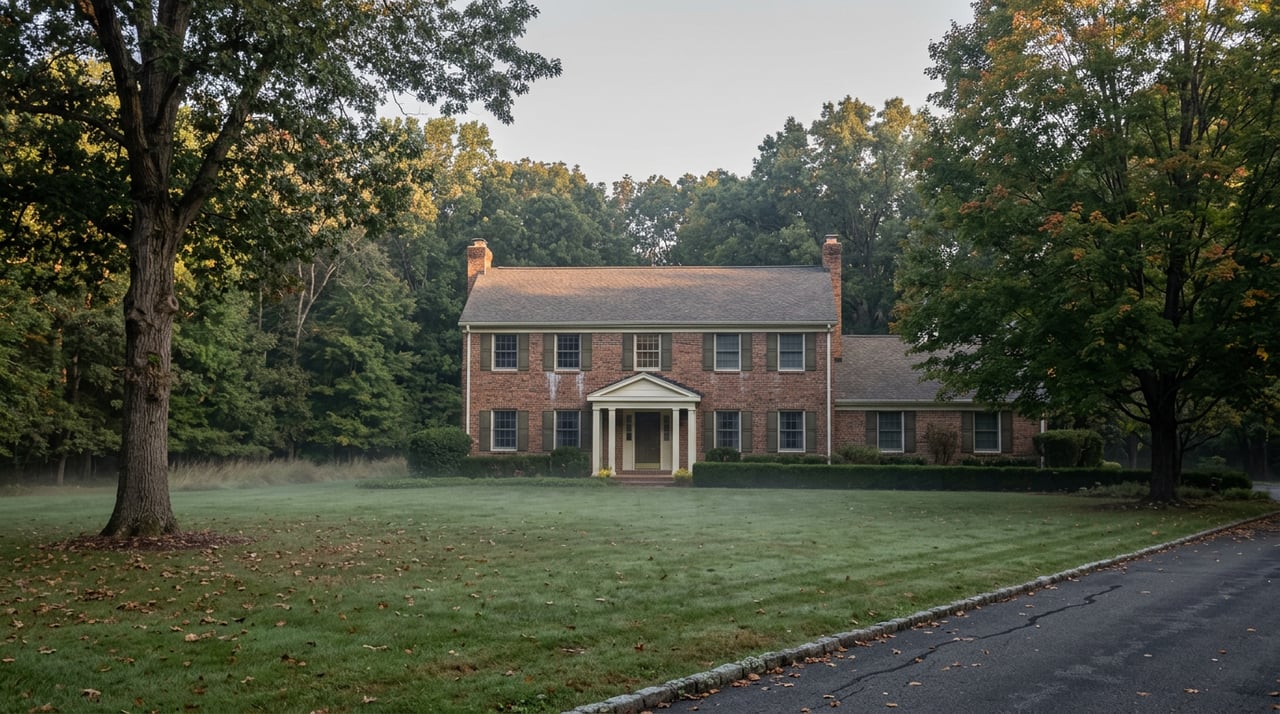
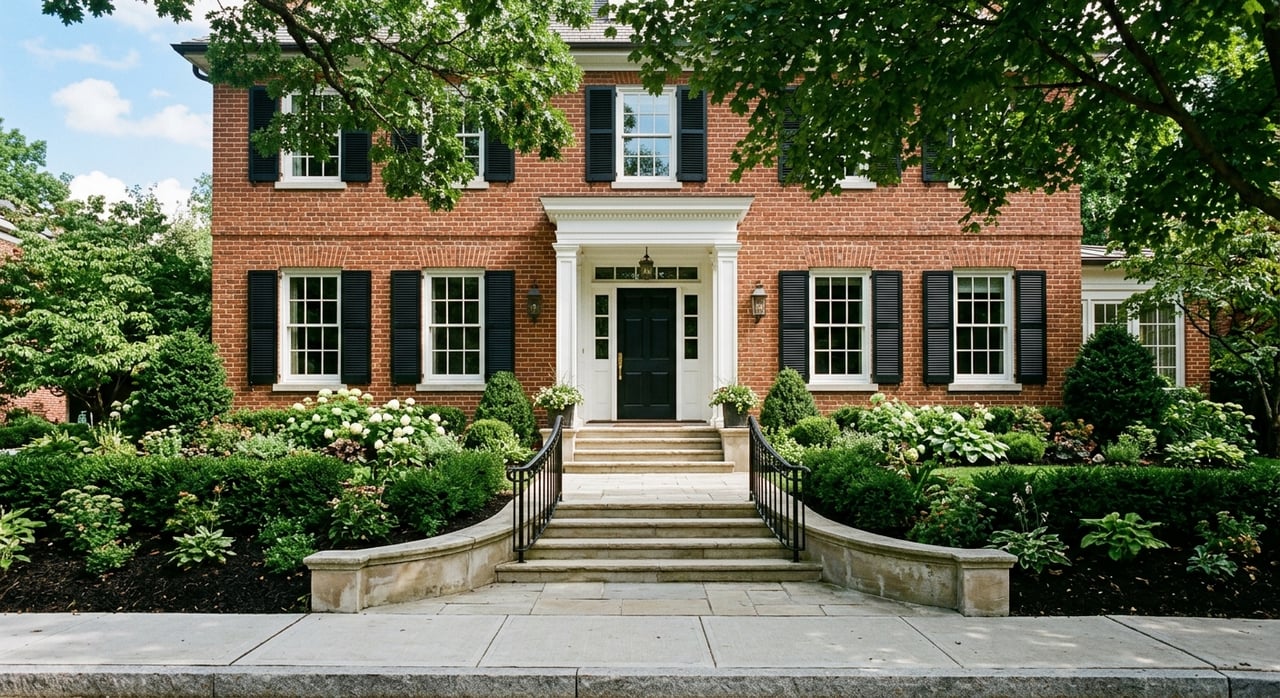
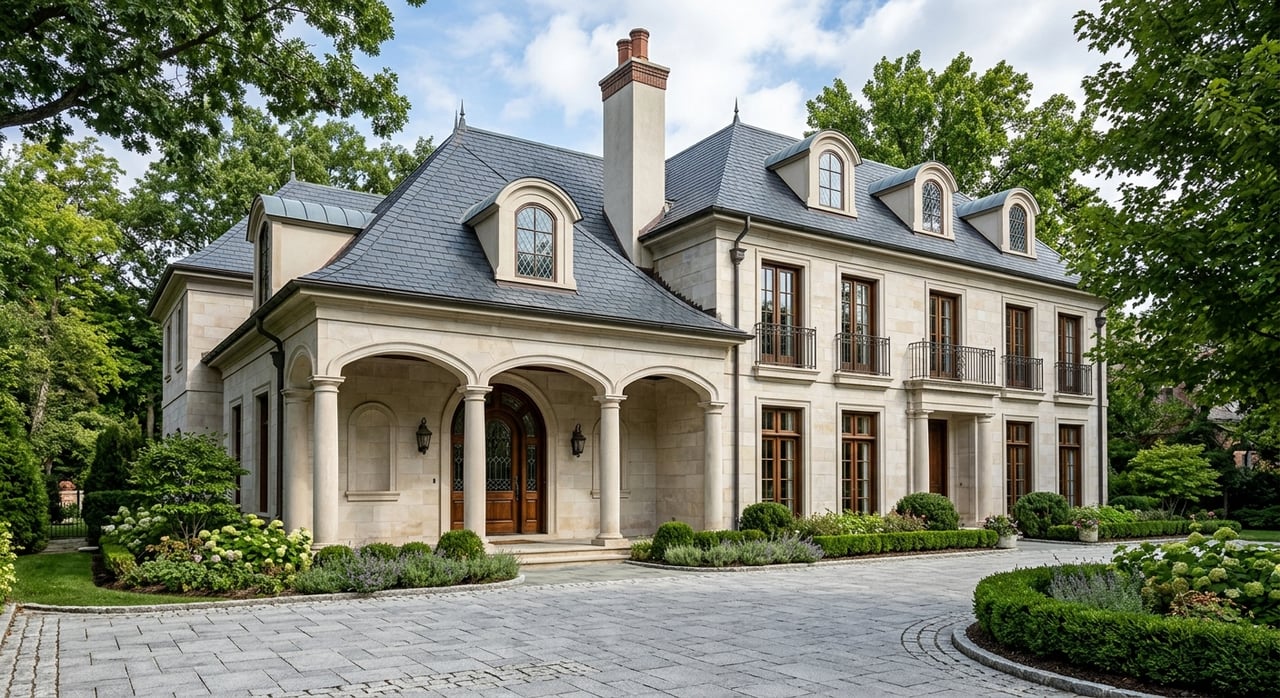
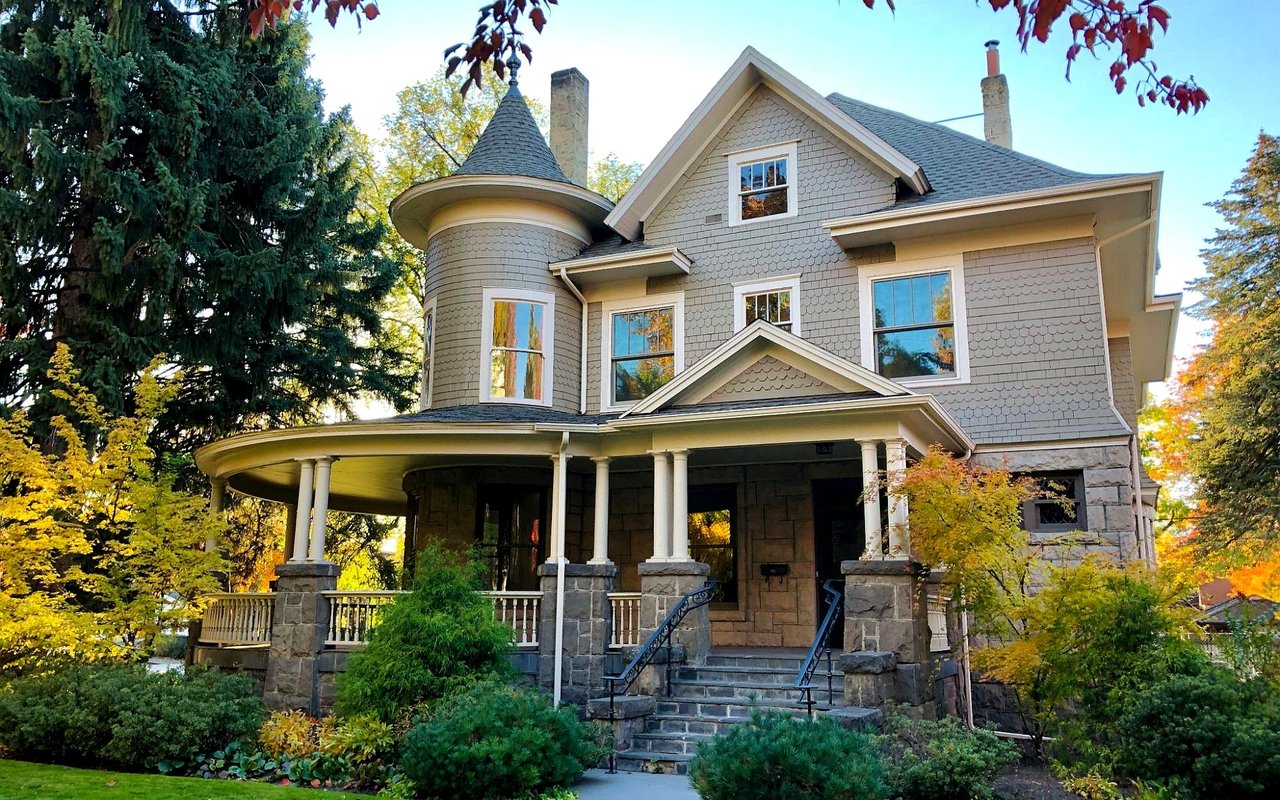
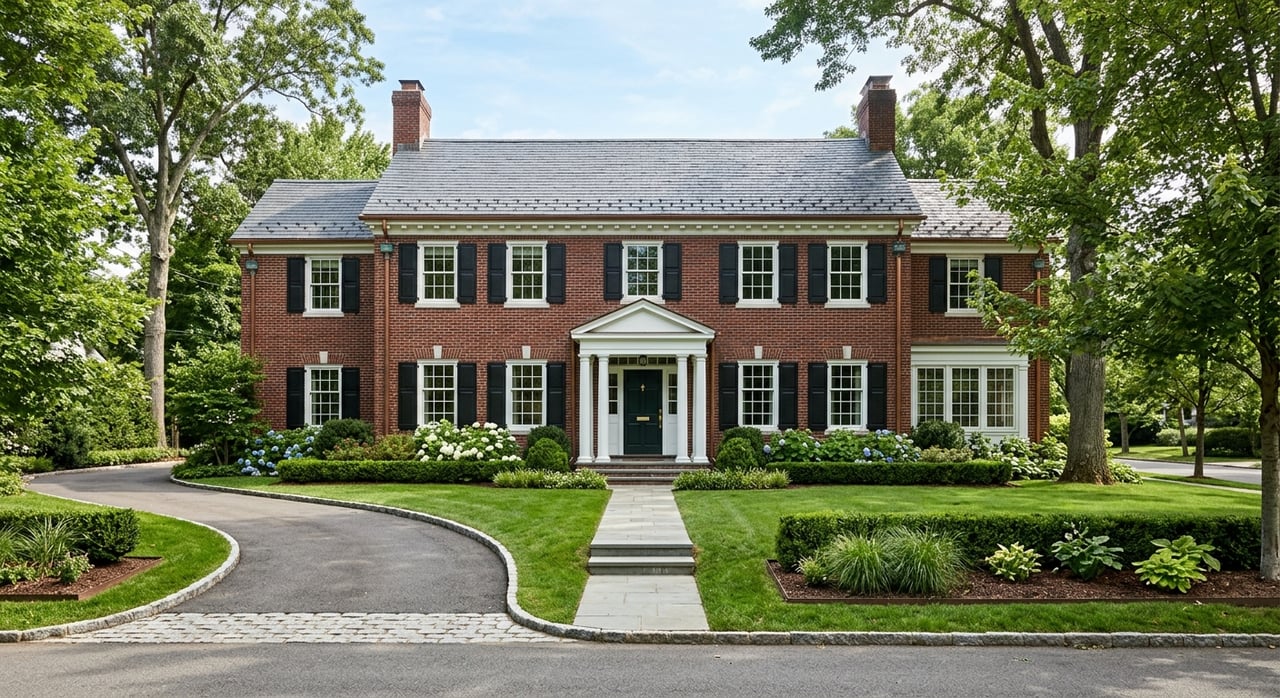
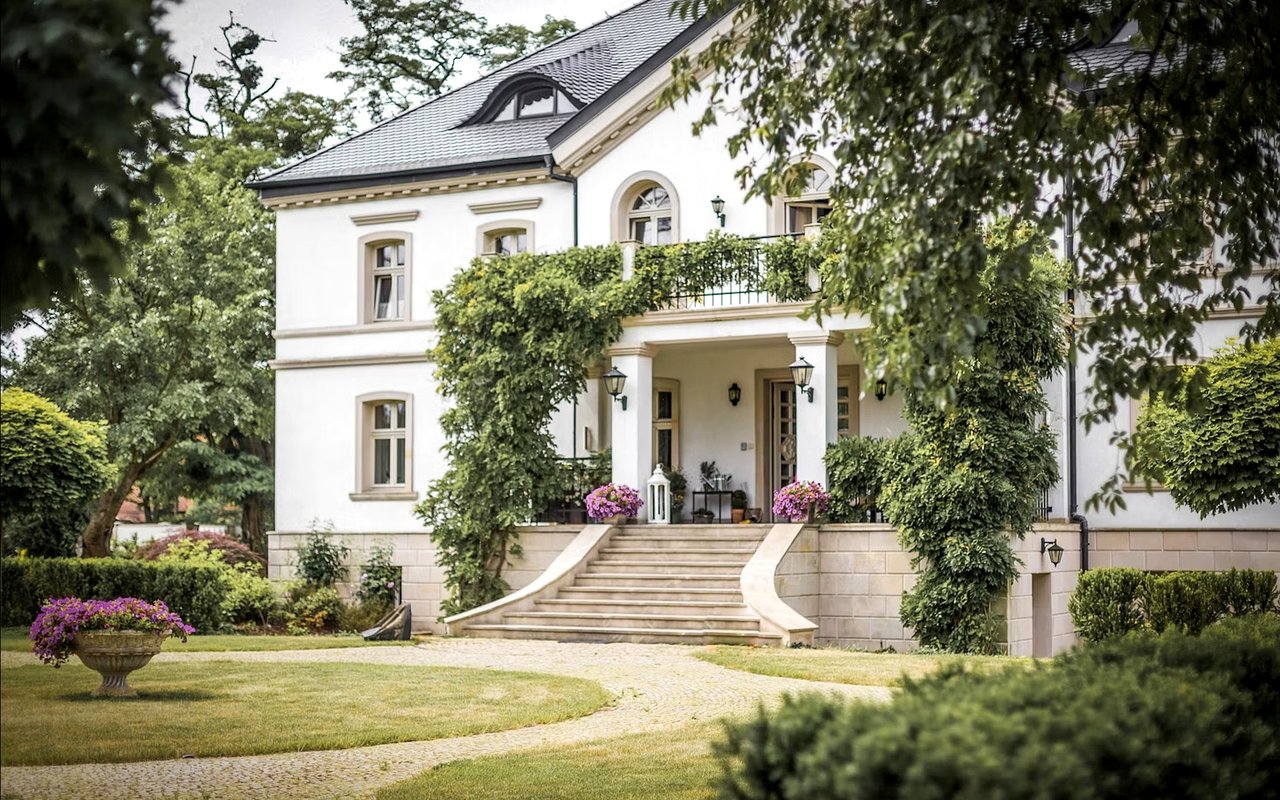
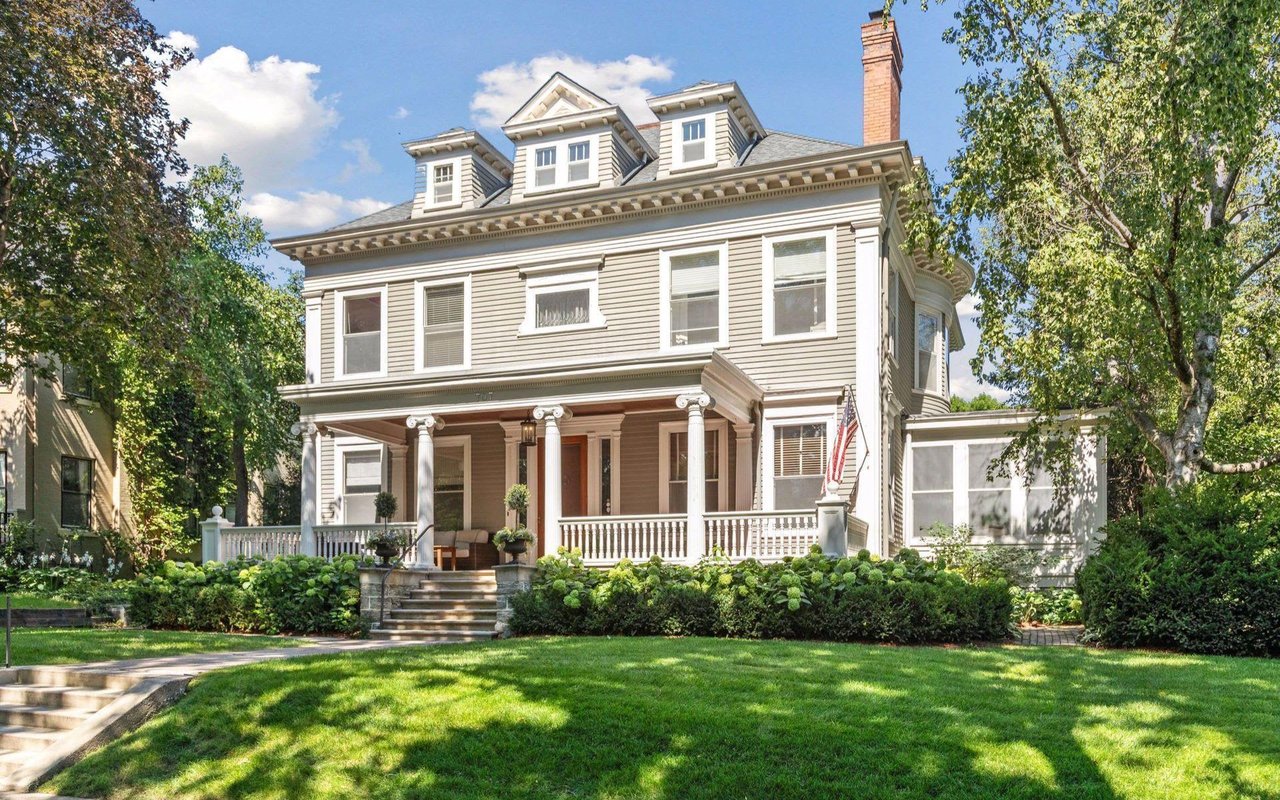
Washburn-Fair Oaks includes large houses on large lots, with Queen Anne and Period Revival styles shaping much of its identity. The area also includes Georgian Revival work by local architect William Channing Whitney, which speaks to the city’s long tradition of architect-designed homes.
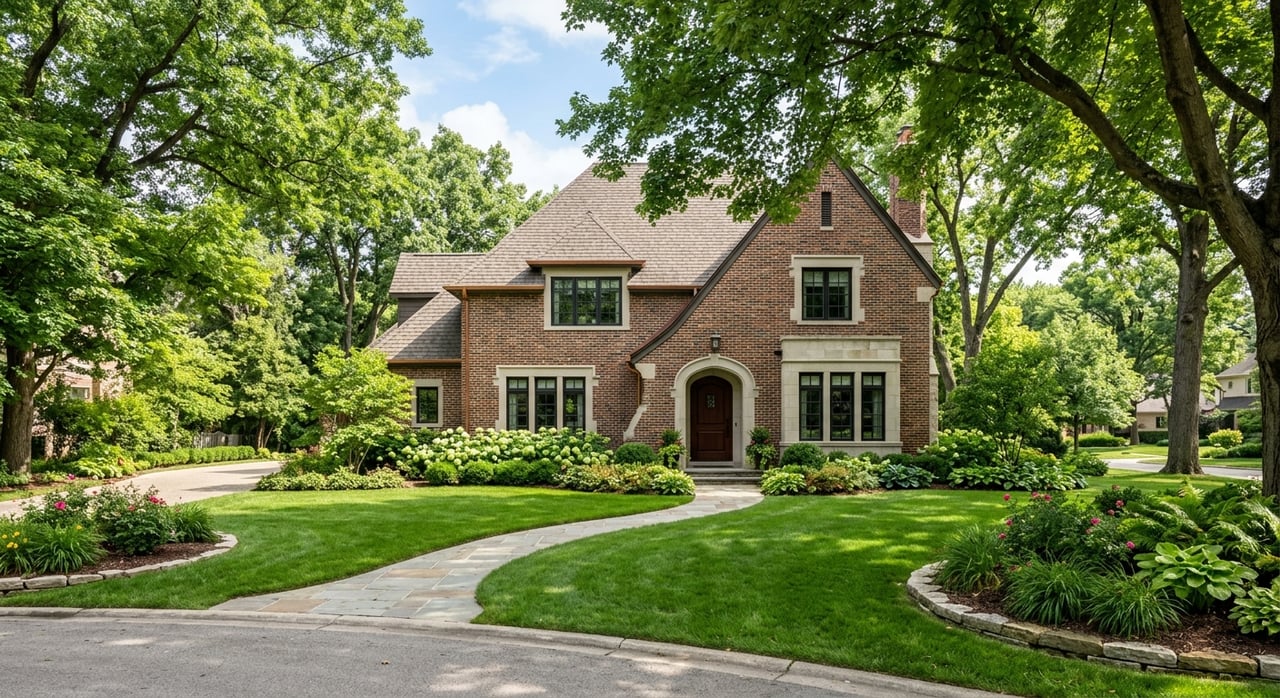
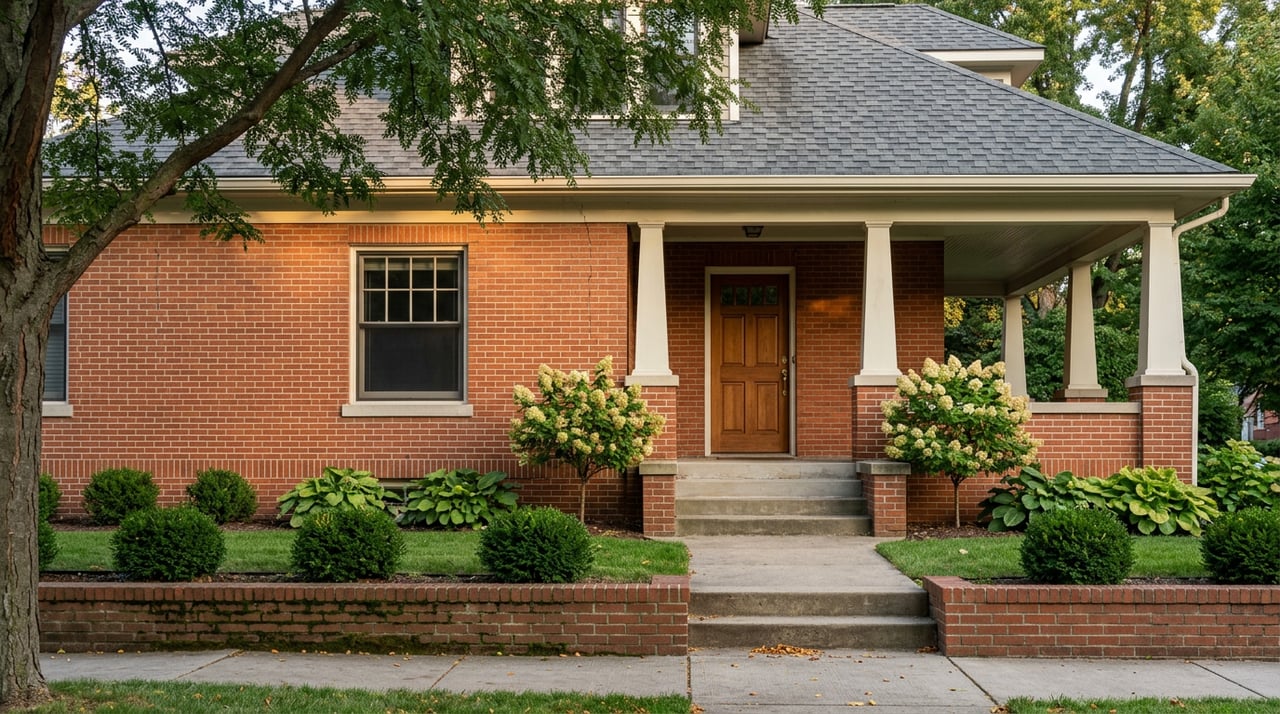
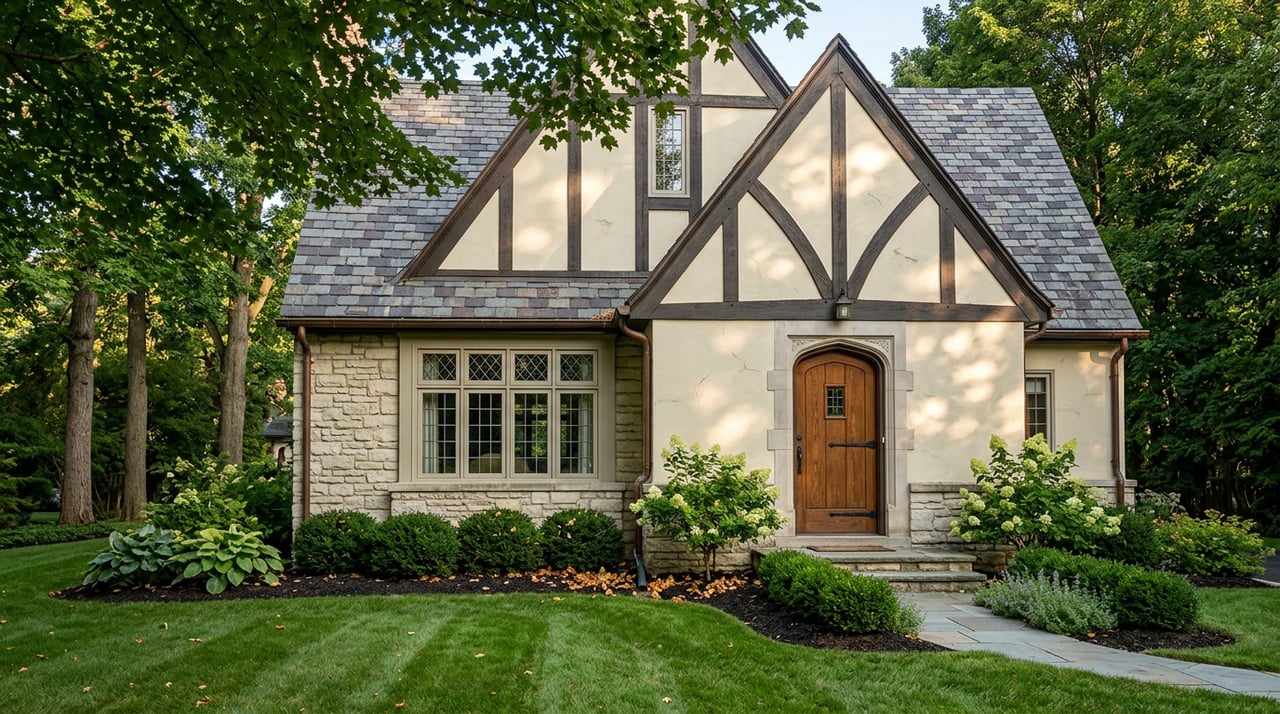
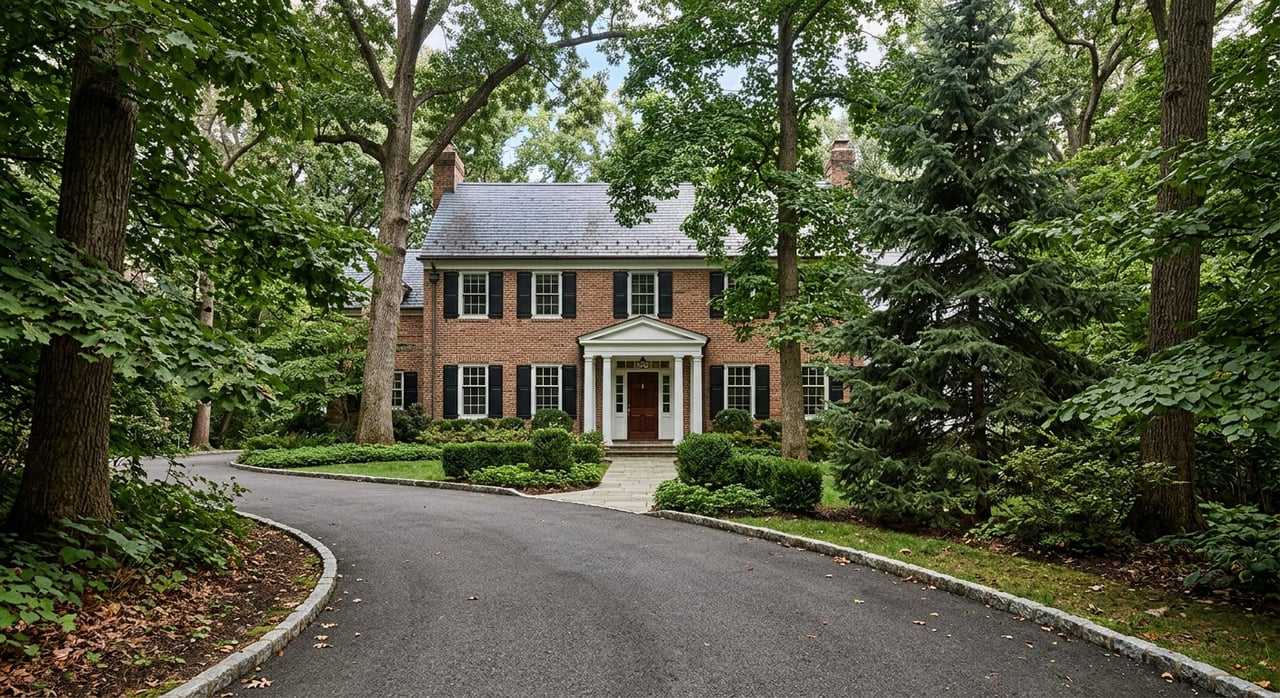
Lowry Hill East adds more Colonial Revival and Queen Anne homes, along with Prairie School and Craftsman examples. In Lynnhurst, you also see Colonial Revival, Classical Revival, Tudor Revival, and Prairie School homes, often on larger lots with mature trees and established landscaping.
What These Homes Usually Require
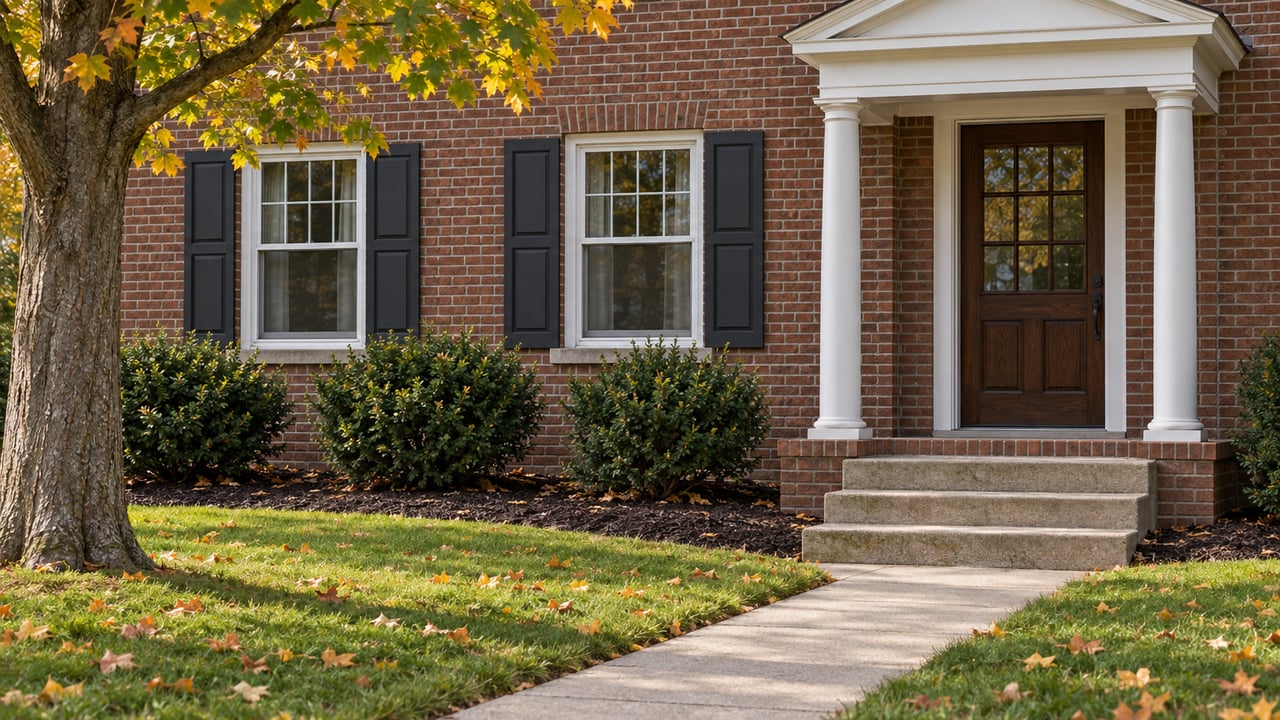
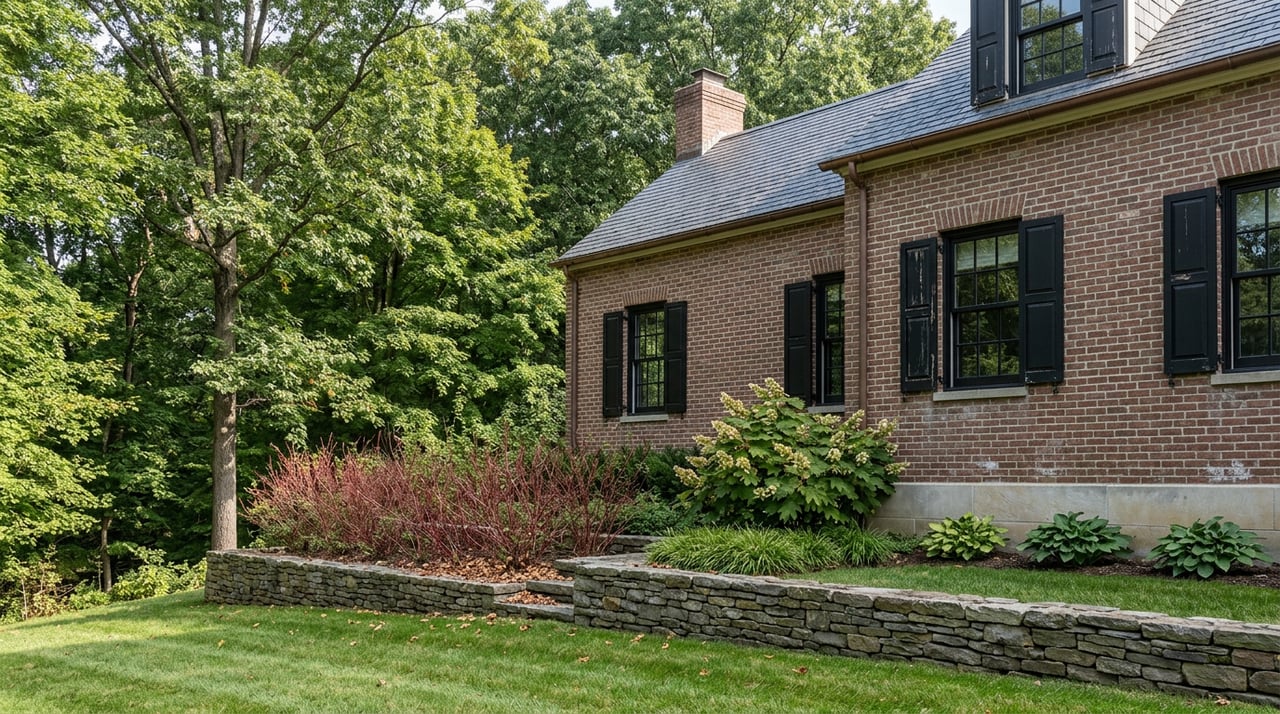
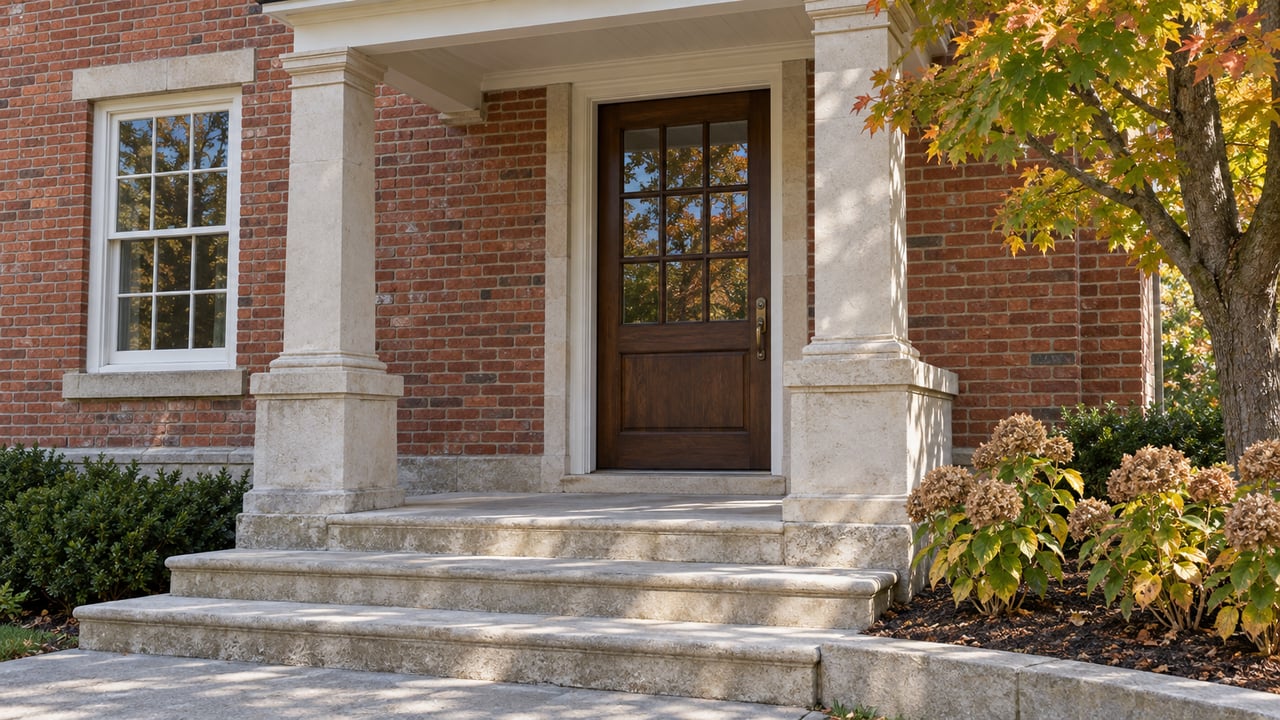
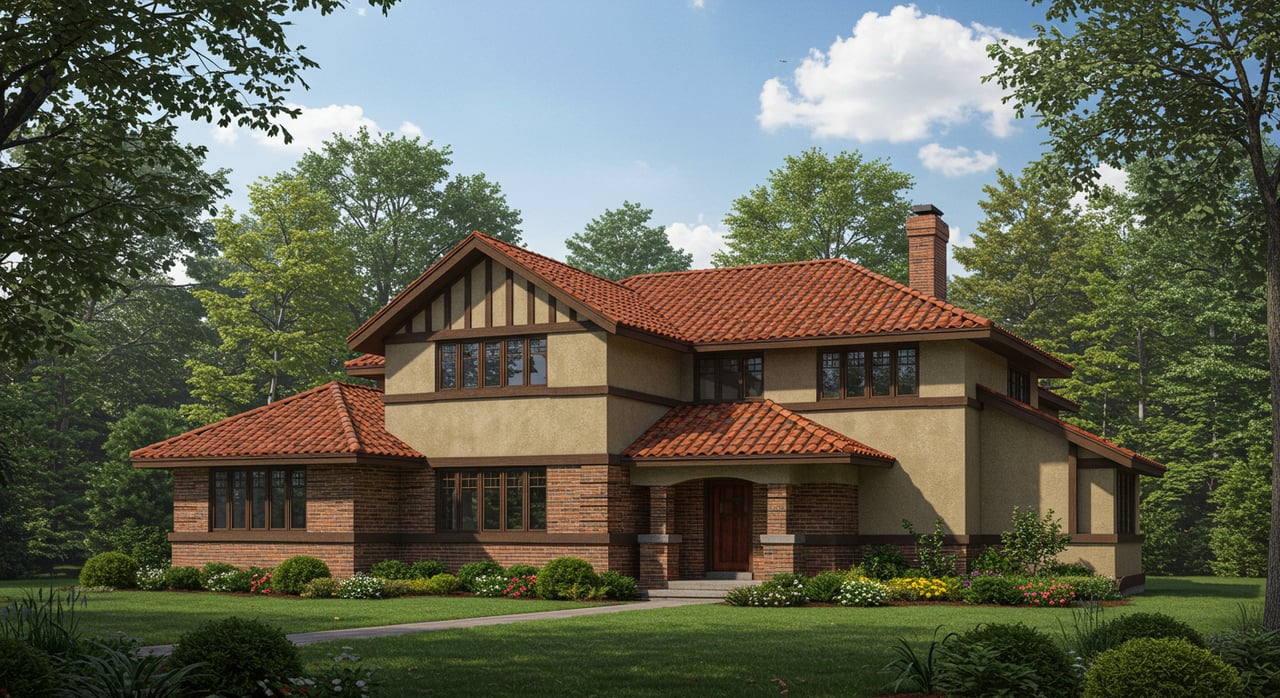
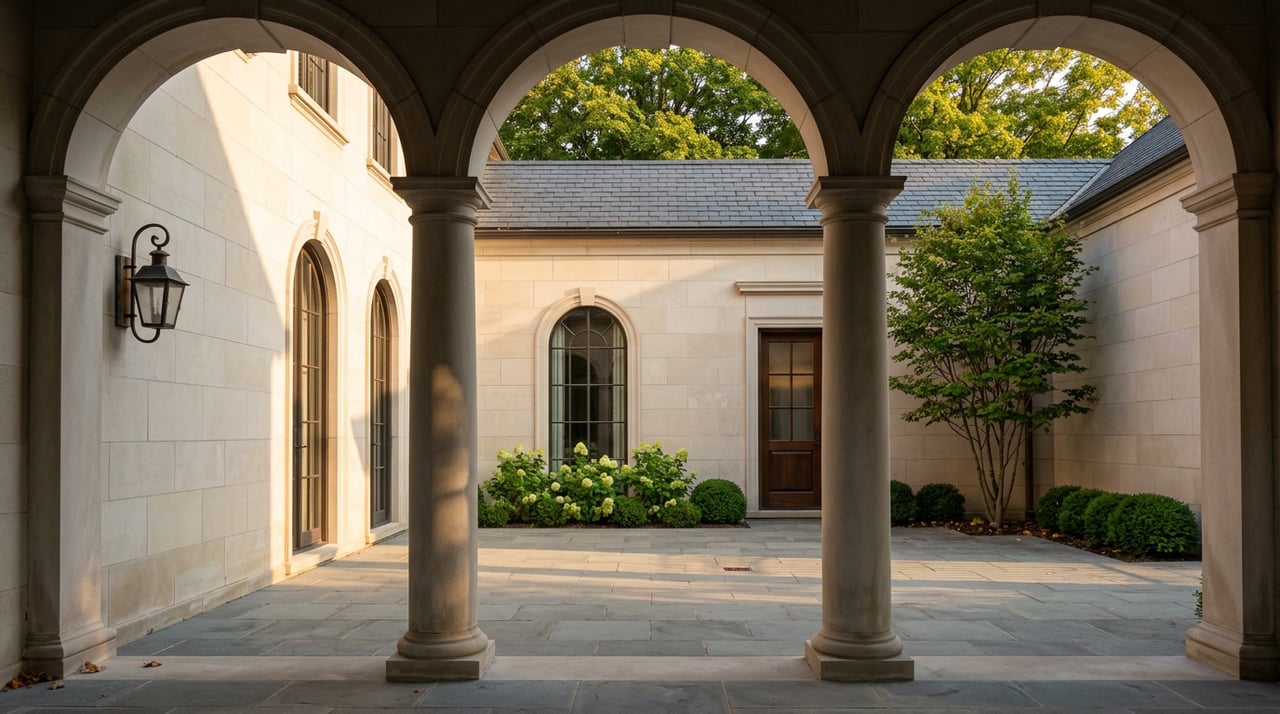
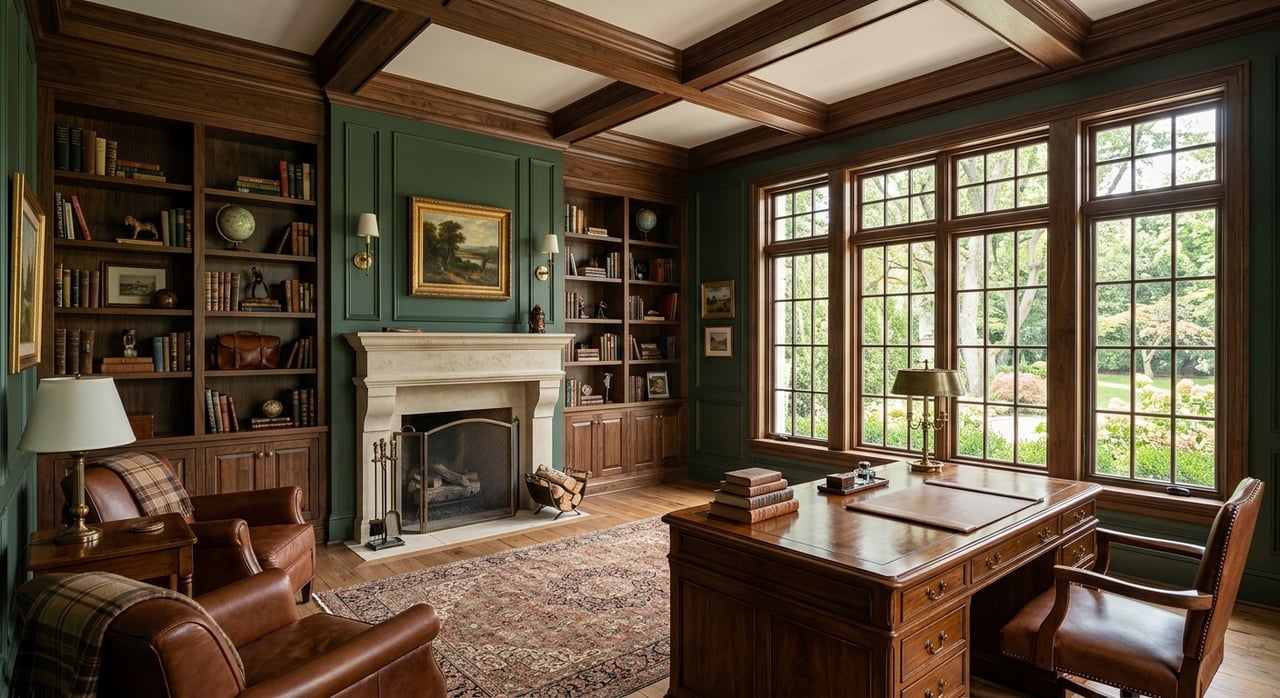
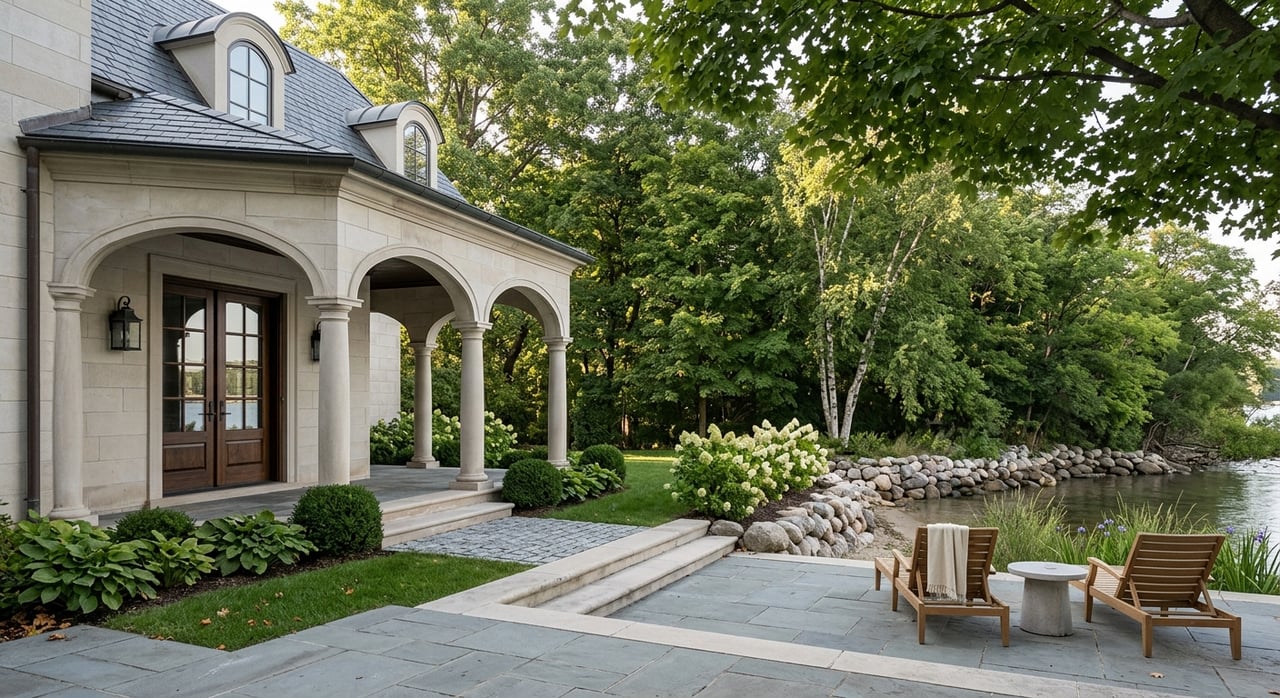
Historic luxury homes often use wood framing, masonry, decorative trim, and original windows. Minnesota preservation guidance also notes that prominent older residences often featured slate or clay tile roofs, along with copper, tin, or lead-coated steel for roofing and flashing.
Those materials can be durable, but they are also repair-sensitive. As an owner, you should expect recurring exterior care such as roof inspections, masonry repointing, gutter and downspout maintenance, paint and trim repair, and periodic window or storm-window work.
Modern Luxury Homes and Contemporary Infill
Minneapolis also has a strong modern design tradition. The Kaufmann House is an International Style residence with stucco walls, ribbon windows, balconies, and a flat roof, while the Neils House reflects Frank Lloyd Wright’s Usonian approach.
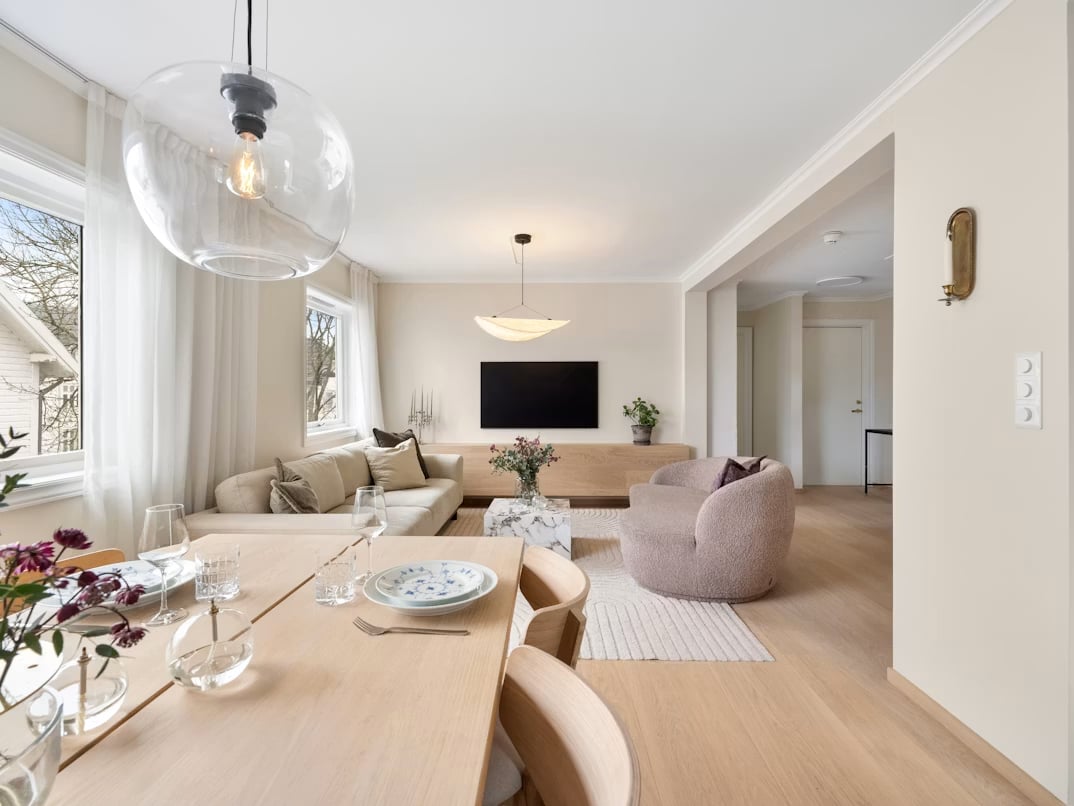
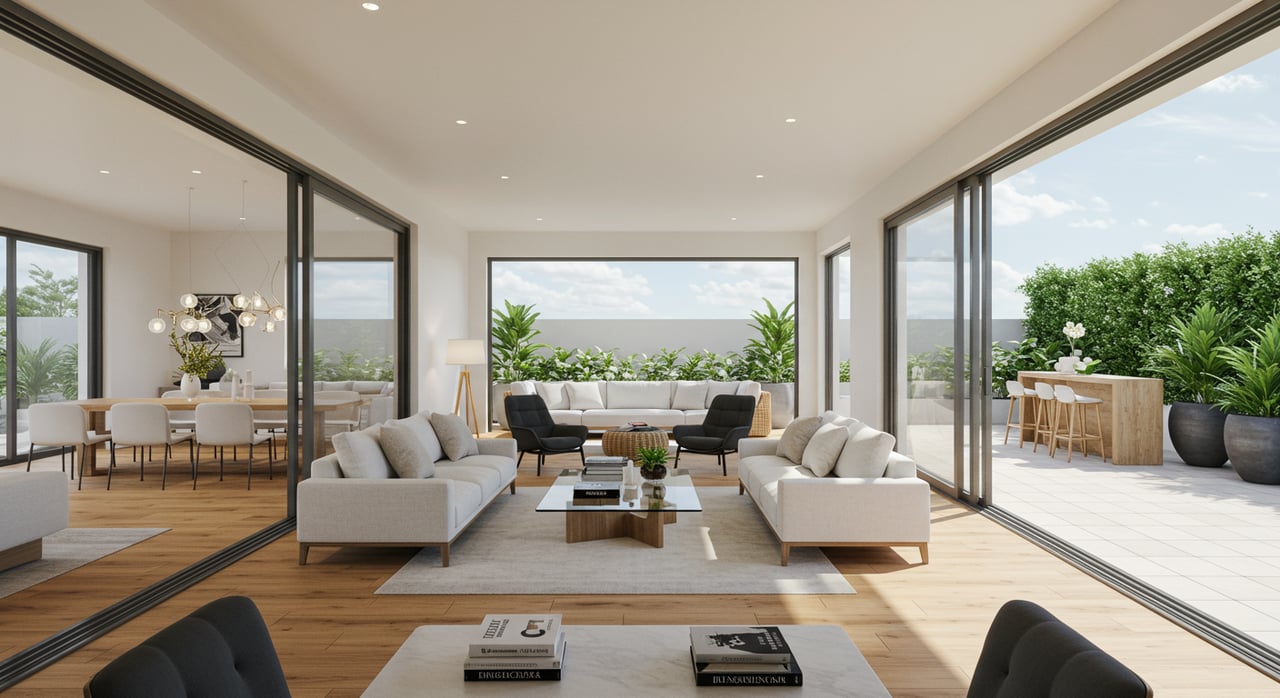
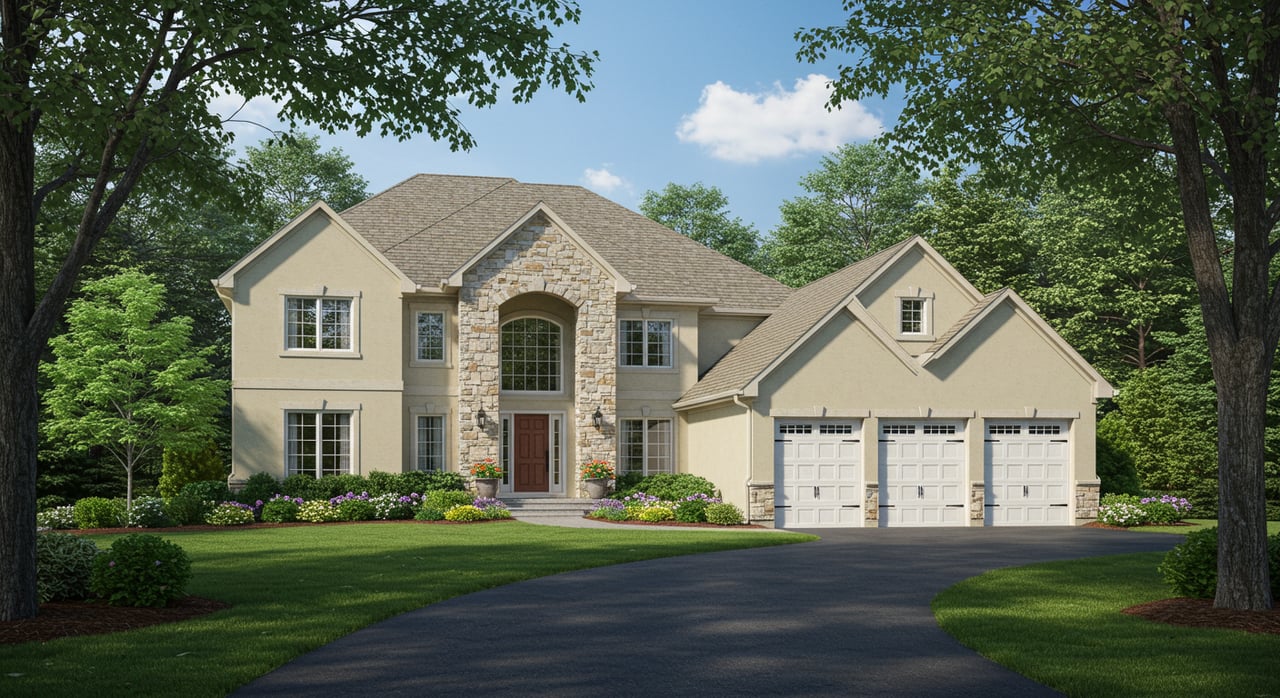
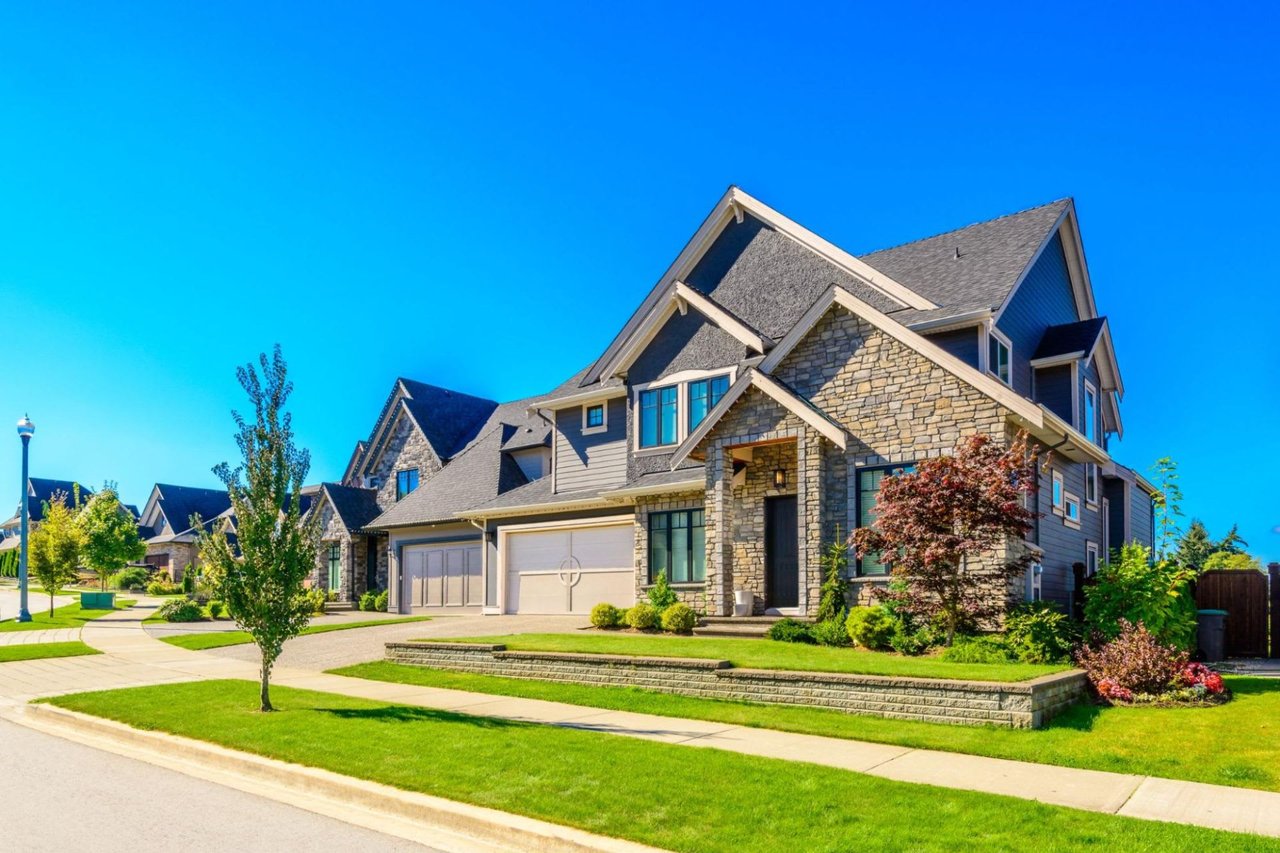
For today’s buyer, that legacy shows up in contemporary homes and custom infill that often prioritize clean lines over ornament. These homes may look simpler from the street, but the upkeep picture is not always simple.
Less Restoration, More Systems Attention
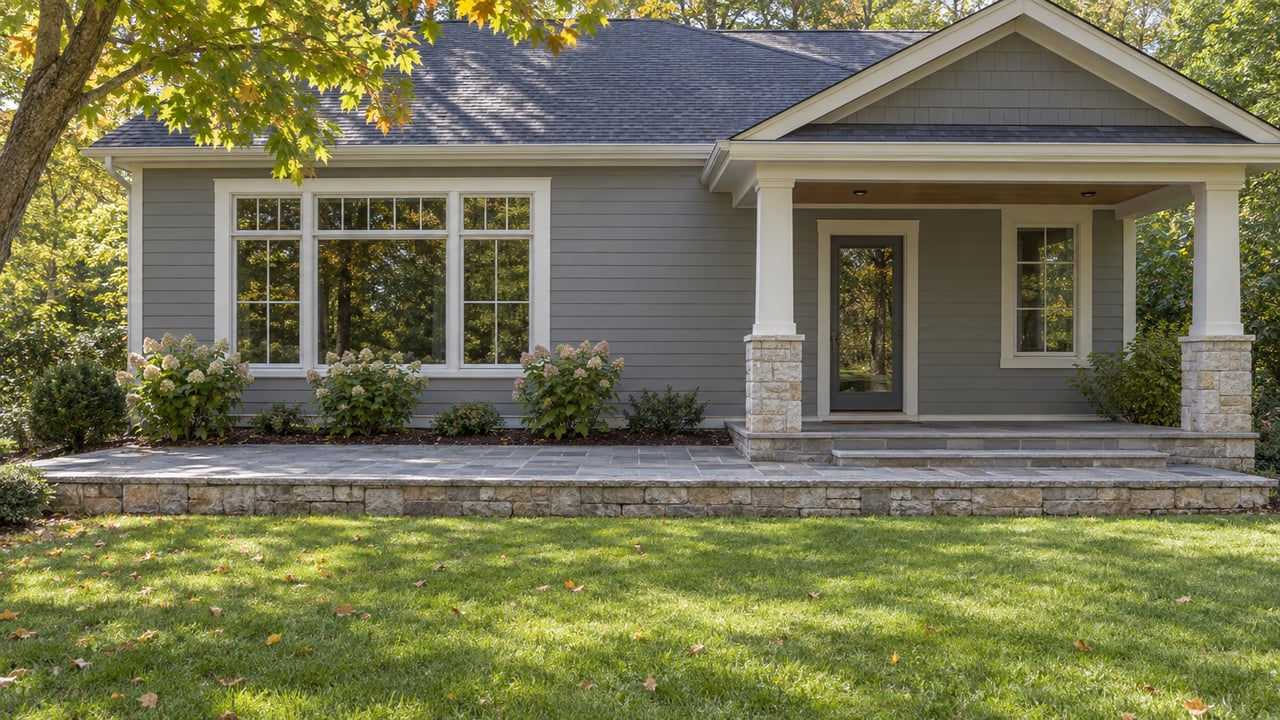
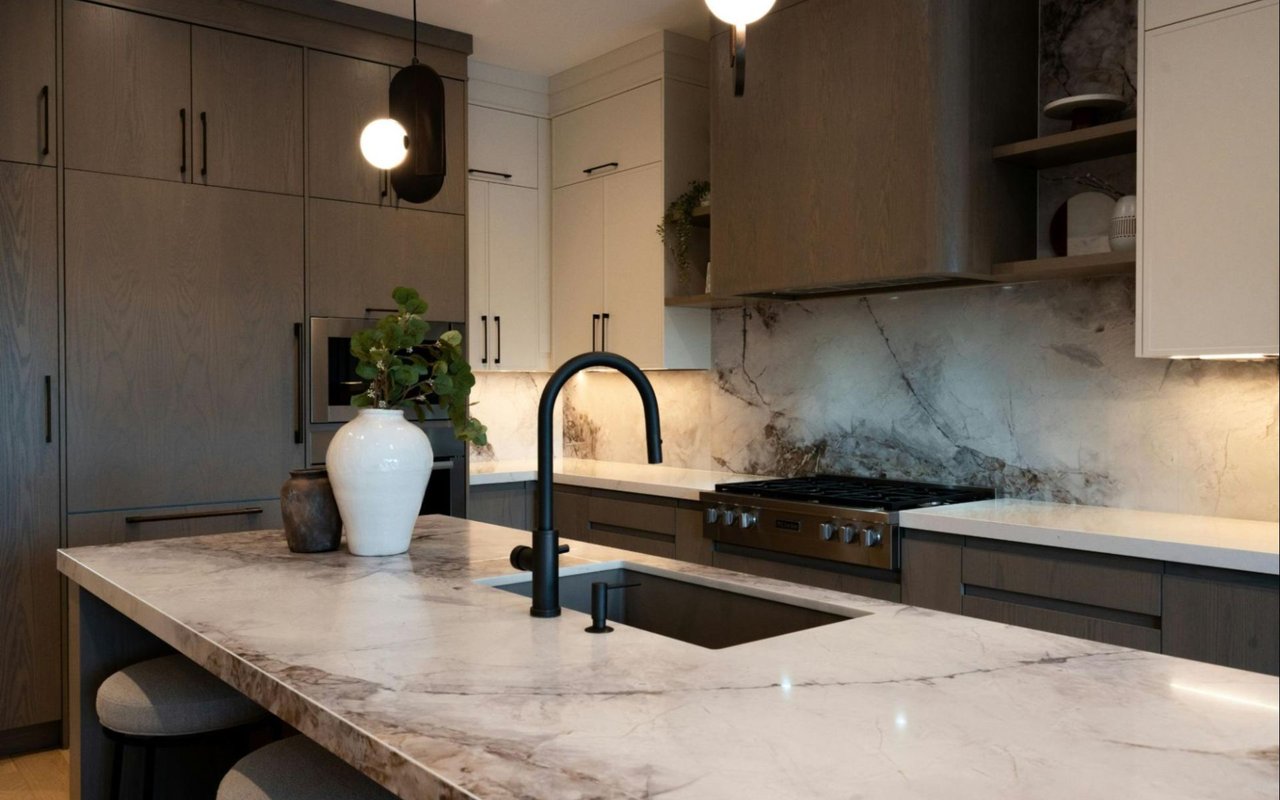
Newer and modern luxury homes often reduce the need for restoration of aging trim, original windows, or older masonry walls. That can make ownership feel more predictable, especially if you prefer maintaining systems rather than preserving historic detail.
Still, lower maintenance does not mean no maintenance. In Minneapolis, where the climate averages 51.2 inches of snowfall and 31.62 inches of annual precipitation, roof performance, ice management, sealing, and drainage remain essential even in newer construction.
Common Focus Areas for Modern Homes
Contemporary luxury homes often call for close attention to:
- Waterproofing
- Glazing and window performance
- Flat or low-slope roof condition
- Mechanical equipment servicing
- Exterior sealants
- Site drainage and runoff management
These homes may trade carved woodwork and historic trim for larger glass areas, more complex envelope details, and advanced systems. That shifts your upkeep budget rather than eliminating it.
Architect-Designed Infill and Custom Homes
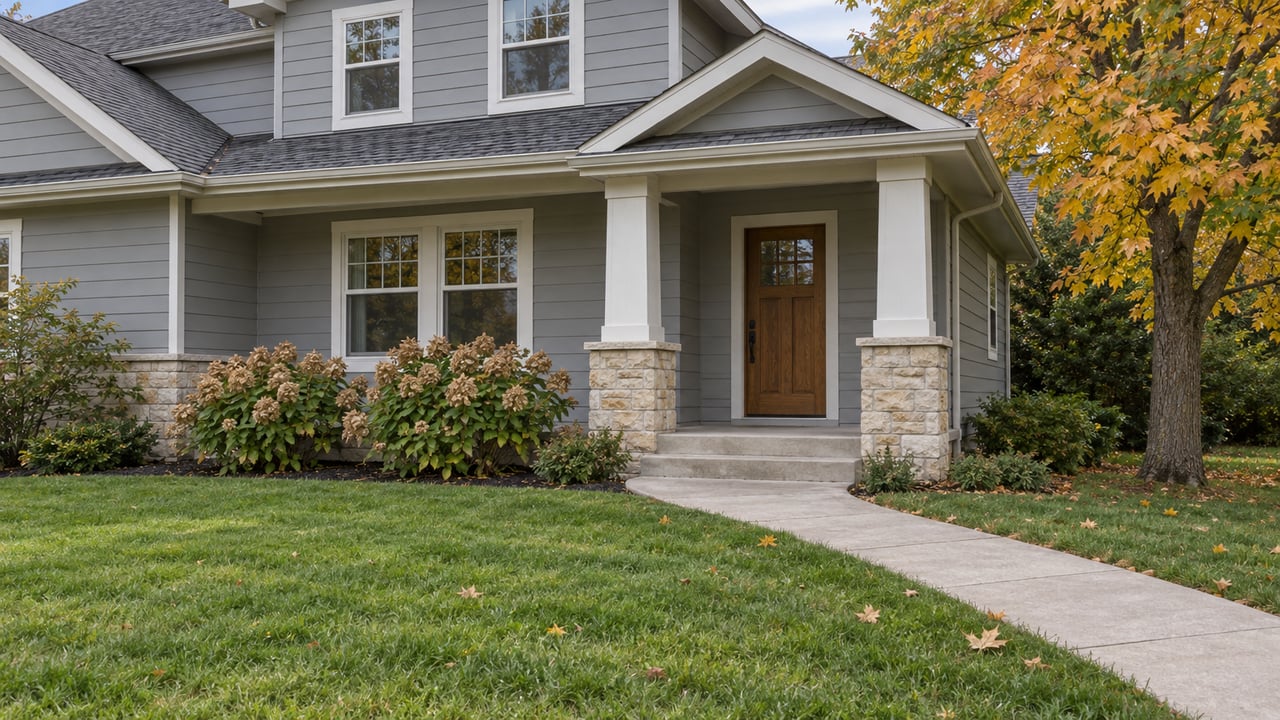
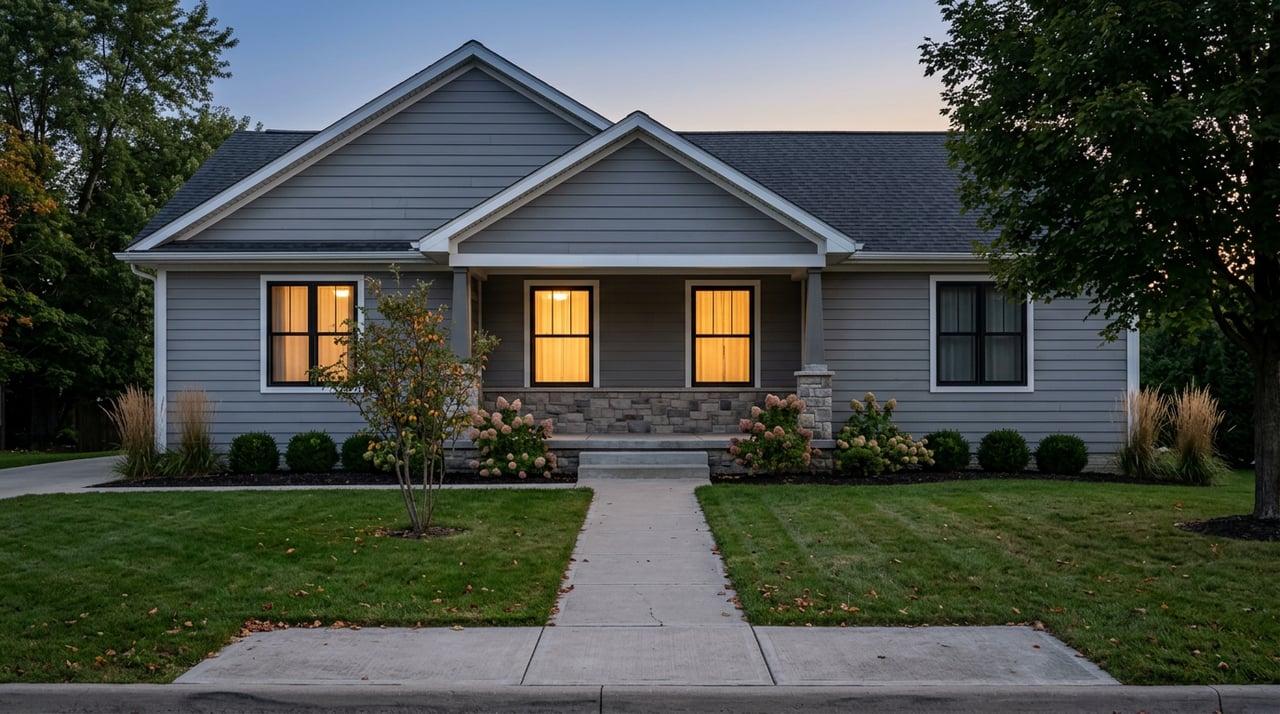
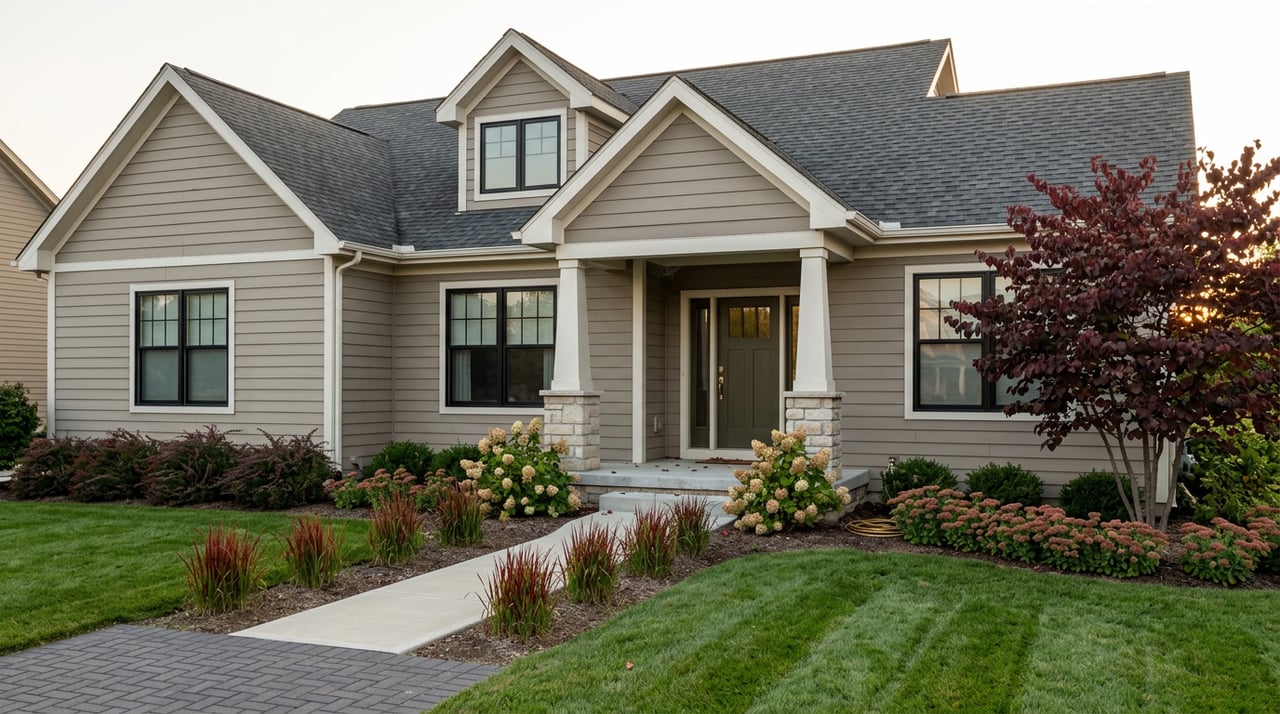
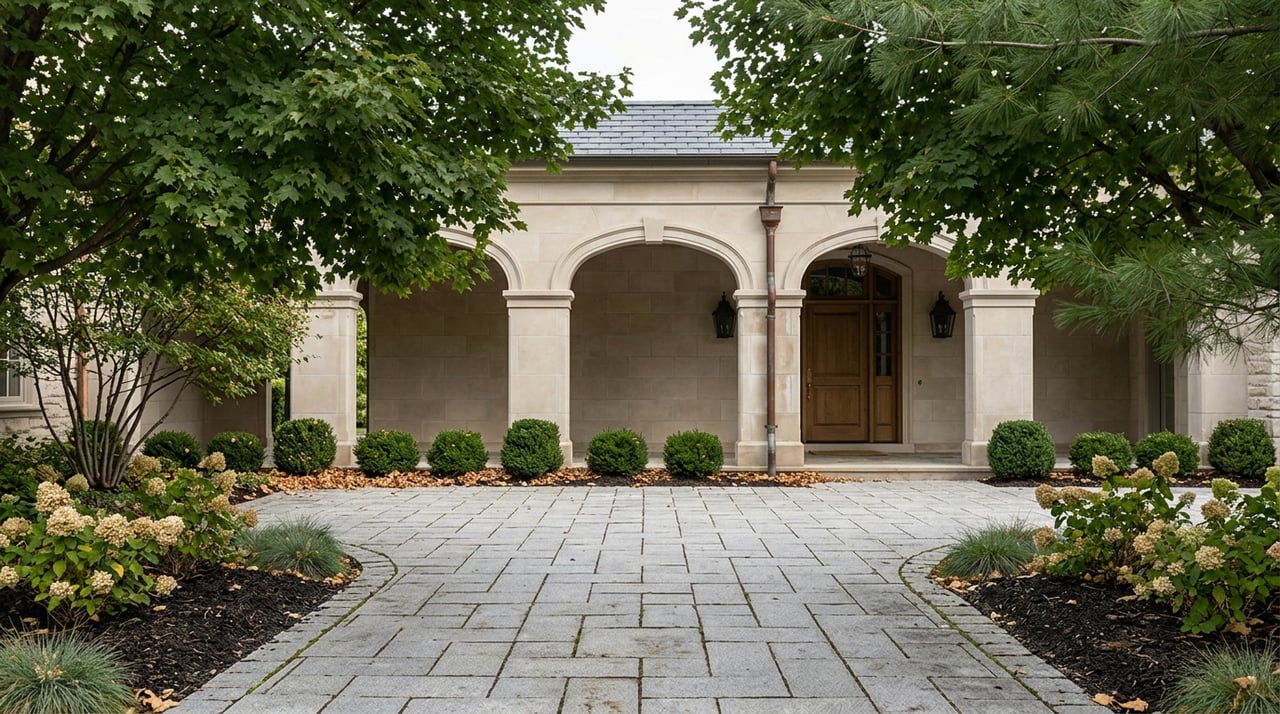
Some Minneapolis luxury homes sit between historic estates and brand-new construction. Architect-designed infill and custom homes often bring modern materials and tailored layouts into older neighborhood settings.
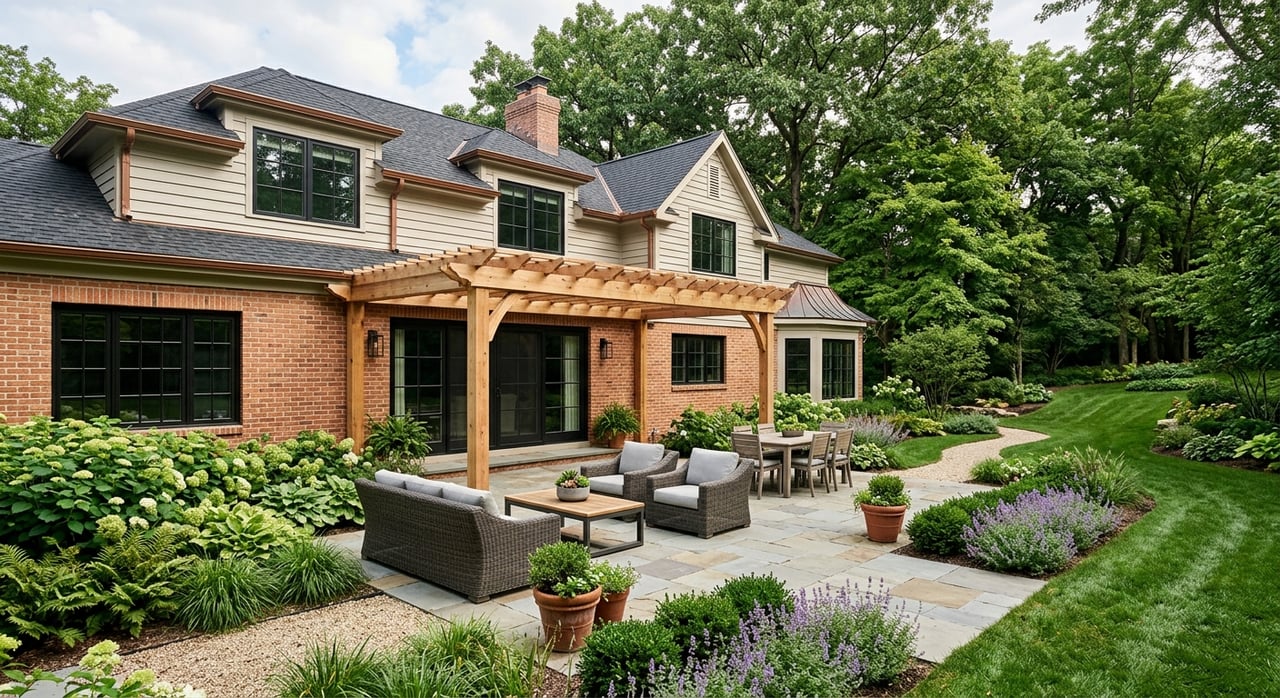
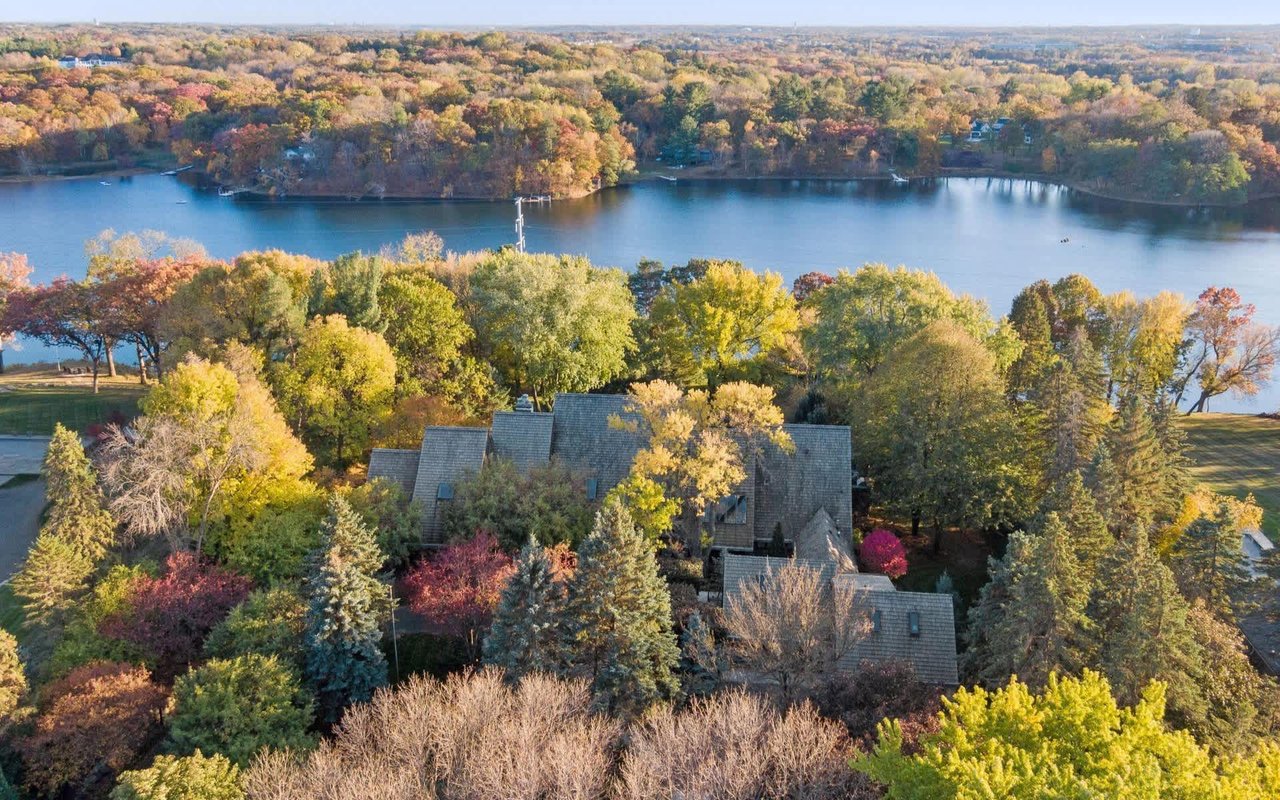
That can create a compelling ownership experience, but it also brings site-specific considerations. In areas with mature landscaping, irregular lots, and established streetscapes, upkeep is often shaped as much by the property’s setting as by the home itself.
Site Conditions Matter More Than You Think
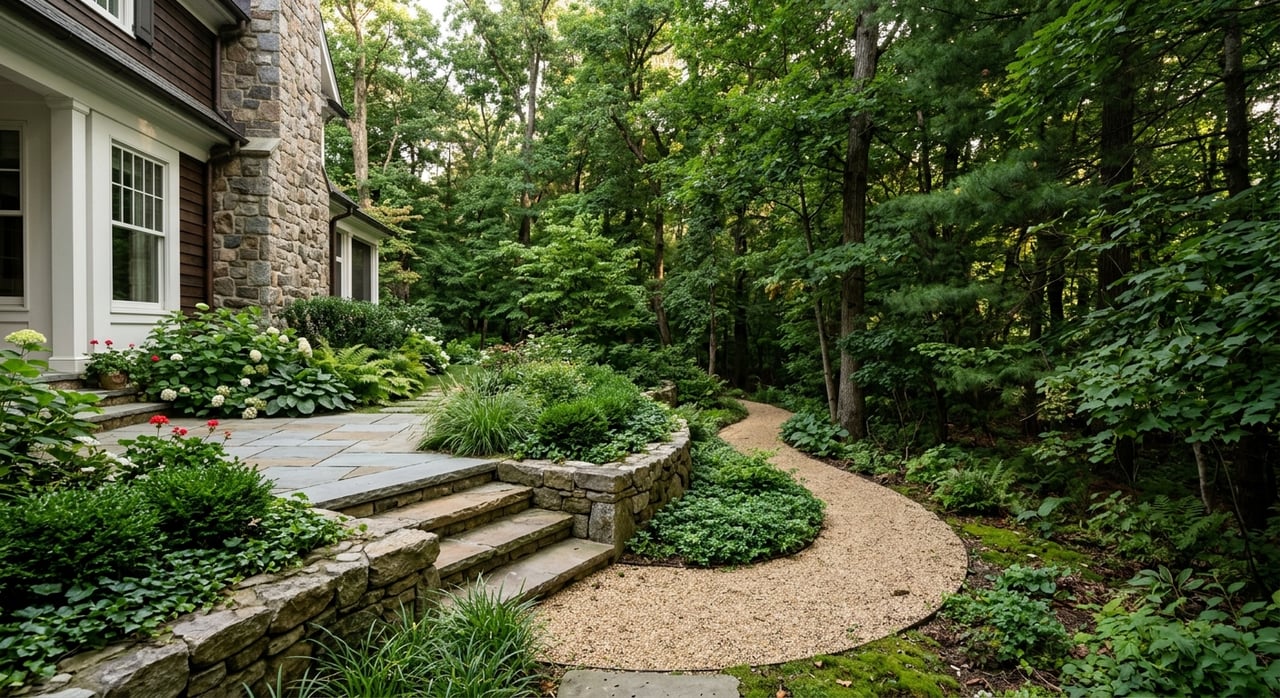
In places like Lynnhurst, large lots, mature trees, and lush plantings are part of the setting. In nearby areas with smaller lots or more infill construction, access, drainage, and exterior maintenance logistics may be different.
For buyers, this often means paying close attention to:
- Drainage patterns across the site
- Tree roots near hardscapes or foundations
- Retaining walls
- Privacy landscaping
- Snow removal access
- Repair access around tight lot lines or custom features
Custom windows, doors, and exterior details can also be more expensive to replace than standard components. That does not make these homes less desirable, but it does make planning more important.
Historic Review Rules to Know Early
If you are considering an older luxury home in Minneapolis, one of the most important early steps is confirming whether the property is individually designated or located within a local historic district. The city requires property owners to follow design guidelines when altering a historic building, and approval is required to alter a historic property.
Because Minneapolis has over 200 locally designated landmarks and historic districts, this is not a minor detail. It can affect renovation timelines, design choices, and the level of review required before work begins.
For a luxury buyer, early due diligence matters. Before you fall in love with a future addition, window replacement plan, or exterior redesign, confirm the property’s status and what that could mean for your plans.
Lead and Older Home Stewardship
If a home was built before 1978, lead-based paint is more likely to be present. If renovation, repair, or painting work disturbs that material, the work must be done by certified firms using lead-safe practices.
The EPA also notes that homes built before 1986 are more likely to have lead pipes, fixtures, or solder. In a high-value older property, that does not automatically signal a problem, but it does mean you should ask careful questions about prior renovations and available documentation.
What to Verify Before You Buy
Luxury buyers often focus on finishes first, but the smarter move is to evaluate stewardship needs alongside aesthetics. In Minneapolis, these are some of the most important items to verify during due diligence.
Exterior and Structural Elements
Pay close attention to the home’s exterior condition and material profile. Older luxury homes may include specialty roof materials, original wood windows, masonry chimneys, and custom trim that require specialized maintenance.
Look closely at:
- Roof type, age, and material
- Window condition and whether original windows are maintained or replaced
- Masonry condition, including cracks or missing mortar
- Chimneys and flashing
- Exterior wood condition, including paint and signs of water intrusion
Site and Drainage Conditions
The lot can be just as important as the house. Larger or tree-lined properties may look established and private, but they can also bring more drainage complexity and landscaping upkeep.
Review:
- Gutter and downspout performance
- Drainage away from the home
- Grading issues
- Mature trees near structures or walls
- Retaining walls and hardscape condition
Historic and Renovation History
For historic homes, confirm whether the property is subject to local review requirements. Also ask for records of major repairs, replacements, and exterior work, especially if the home includes specialty roofing, original windows, or extensive masonry.
If the home predates 1978, ask whether prior renovation work included lead-safe practices and whether the seller has documentation. That information can help you understand both current condition and future project planning.
A Practical Way to Compare Luxury Home Types
One of the clearest ways to think about Minneapolis luxury housing is by stewardship style, not just architecture. That lens helps you match the home to your time, preferences, and tolerance for specialized upkeep.
Stewardship by Home Type
| Home type | Typical ownership focus |
|---|---|
| Historic mansion or revival estate | Craftsmanship, restoration, preservation review, specialty materials |
| Modern luxury or new construction | Systems servicing, envelope performance, drainage, sealing |
| Architect-designed infill or custom home | Bespoke repairs, site-specific maintenance, custom components |
None of these options is inherently better. The right fit depends on whether you value historic detail, streamlined systems, or one-of-a-kind design, and how you want to manage ownership over time.
The Long View for Minneapolis Luxury Buyers
A luxury purchase in Minneapolis is often as much a stewardship decision as a design decision. Historic homes can reward buyers who appreciate craftsmanship and are prepared for specialized restoration, while newer homes may offer fewer legacy repairs but still demand disciplined maintenance in a snowy, wet climate.
There can also be upside to the right historic property. Minnesota SHPO notes that National Register listing is often a first step toward protection or financial incentives, and the office administers tax incentives that can include federal and Minnesota rehabilitation tax credits for qualifying historic work.
The key is to go in with clarity. When you understand the home’s materials, designation status, site conditions, and likely maintenance profile, you can buy with confidence and plan ownership more strategically.
If you are weighing a historic estate, a custom infill home, or a newer luxury build in Minneapolis, working with an advisor who understands both the numbers and the nuances can make the process far smoother. To talk through your goals with a discreet, consultative Twin Cities luxury advisor, connect with Sally English.
FAQs
What luxury home styles are common in Minneapolis?
- Minneapolis luxury homes often include Queen Anne, Colonial Revival, Georgian Revival, Classical Revival, Tudor Revival, Prairie School, Craftsman, and architect-designed modern homes.
What upkeep should you expect with a historic Minneapolis luxury home?
- You should expect recurring maintenance such as roof inspections, masonry repointing, gutter care, paint and trim repair, and periodic work on original windows or storm windows.
What should you know about historic district rules in Minneapolis?
- If a home is a designated historic property or located in a local historic district, alterations may require approval and must follow city design guidelines.
What are the main maintenance concerns for modern luxury homes in Minneapolis?
- Modern homes often need close attention to roof performance, waterproofing, glazing, mechanical systems, sealants, and drainage, especially given local snowfall and annual precipitation.
What should buyers verify before purchasing an older luxury home in Minneapolis?
- Buyers should verify historic designation status, roof material and age, window condition, masonry and chimney condition, drainage and landscaping issues, and any lead-safe renovation history for pre-1978 homes.