Looking for a weekend routine that feels easy, local, and connected to the outdoors? West St. Paul offers a practical mix of neighborhood parks, everyday dining, and quick access to regional trails and riverfront recreation. If you are considering a move or simply want to understand how the area lives day to day, this guide will walk you through what a typical weekend can look like here. Let’s dive in.
Why West St. Paul feels weekend-friendly
West St. Paul is a first-ring suburb next to St. Paul, and its setup makes everyday living feel convenient. The city says it has 15 parks, an indoor ice arena, a community pool, and more than 600 businesses, which creates a strong base for local recreation and errands.
The city’s planning documents also point to continued investment in recreation and walkability. That matters if you want a place where a weekend can include trail time, a casual meal out, and nearby services without needing a long drive for every stop.
West St. Paul does not revolve around a single traditional downtown. Instead, activity tends to spread across park spaces, neighborhood amenities, and the main commercial corridors, especially Robert Street and the Smith/Dodd area.
Parks that shape local weekends
Thompson County Park
Thompson County Park is one of the area’s standout outdoor destinations. This 57-acre Dakota County park includes wooded trails, a lake overlook, free admission, and free parking, making it an easy choice for a walk, a casual outing, or time outside without much planning.
It also connects to the River to River Greenway, which adds another layer of value for people who enjoy biking, hiking, or longer trail outings. Dakota Lodge is located in the park as well, giving the space an added community function for events and gatherings.
Marthaler Park
Marthaler Park supports a more activity-based weekend. The city lists a bike trail, fishing, a nature area, a playground, tennis, and volleyball, so it can work for both quiet outdoor time and more active recreation.
If you like having options in one place, this kind of park setup is a plus. It reflects West St. Paul’s broader pattern of practical, multi-use neighborhood amenities rather than one oversized central park.
Harmon Park and Kennedy Park
Harmon Park is a strong fit for warm-weather weekends thanks to its splash pad, ball fields, soccer field, and neighborhood center. It is the kind of park that supports short outings, meetups, and recurring weekend routines.
Kennedy Park offers a different feel. With trails, gardens, a sledding hill, and views of downtown St. Paul and the state capitol, it brings together outdoor space and elevated views that can make a simple walk feel a little more memorable.
150 Thompson Park’s future role
West St. Paul is also planning 150 Thompson Park as a central gathering space. Current design concepts highlight play areas, plazas, seating, a bandshell, bike parking, and connections to the River to River Greenway.
That project matters because it points to how the city is thinking about future public space. The broader redevelopment proposal also includes 457 market-rate apartments and 19 townhomes, which suggests continued growth around park and trail-linked amenities.
Where weekend dining tends to happen
Robert Street as the main dining corridor
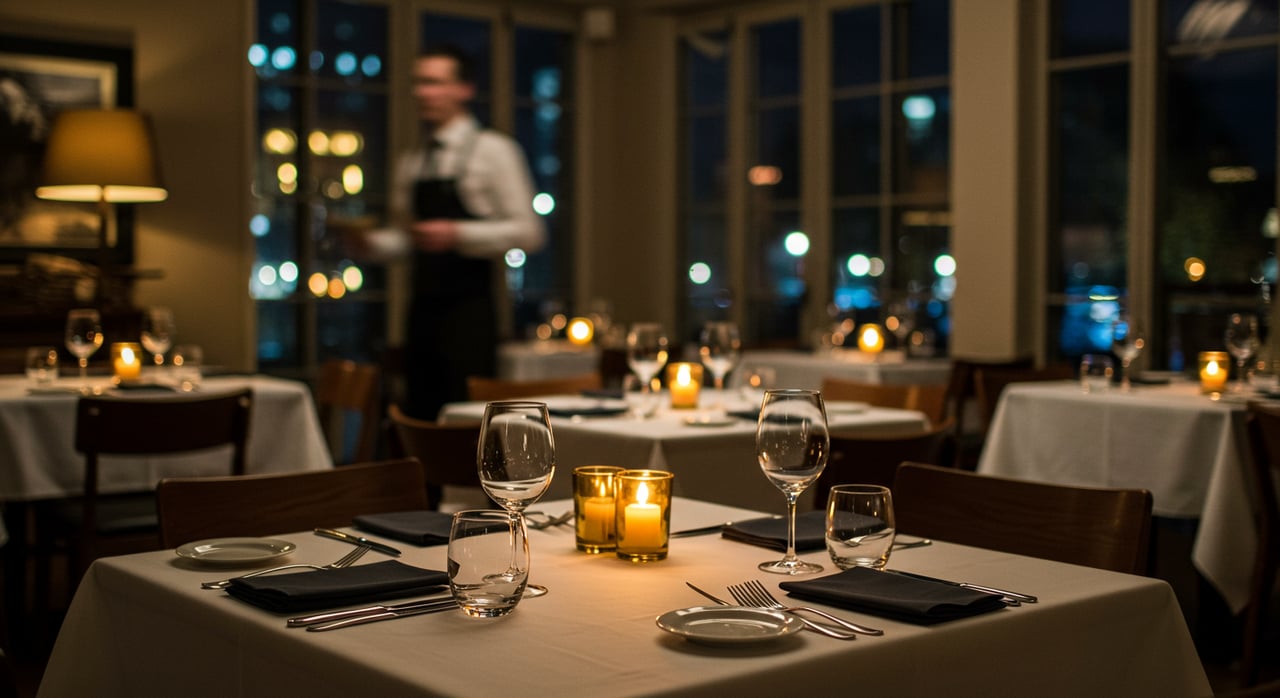
When you picture weekend dining in West St. Paul, Robert Street is the clearest starting point. The city identifies Robert Street as the commercial hub, and current restaurant locations show how much of the local dining mix clusters along this corridor.
You will find a practical range of options here rather than a concentrated restaurant district. That can be appealing if you value convenience and variety over a single walkable dining core.
Casual dining options nearby
Current restaurant sites show a broad everyday mix. On South Robert Street, examples include Denny’s, Grande Sunrise Mexican Restaurant, Mela Thai Cuisine, and Tokyo 23 Hibachi Buffet.
Nearby connectors add more options. FoodSmith Bistro Pub is on Smith Avenue South, and BLVD Tavern on Mendota Road East offers brunch, happy hour, and private events.
What the local dining pattern says
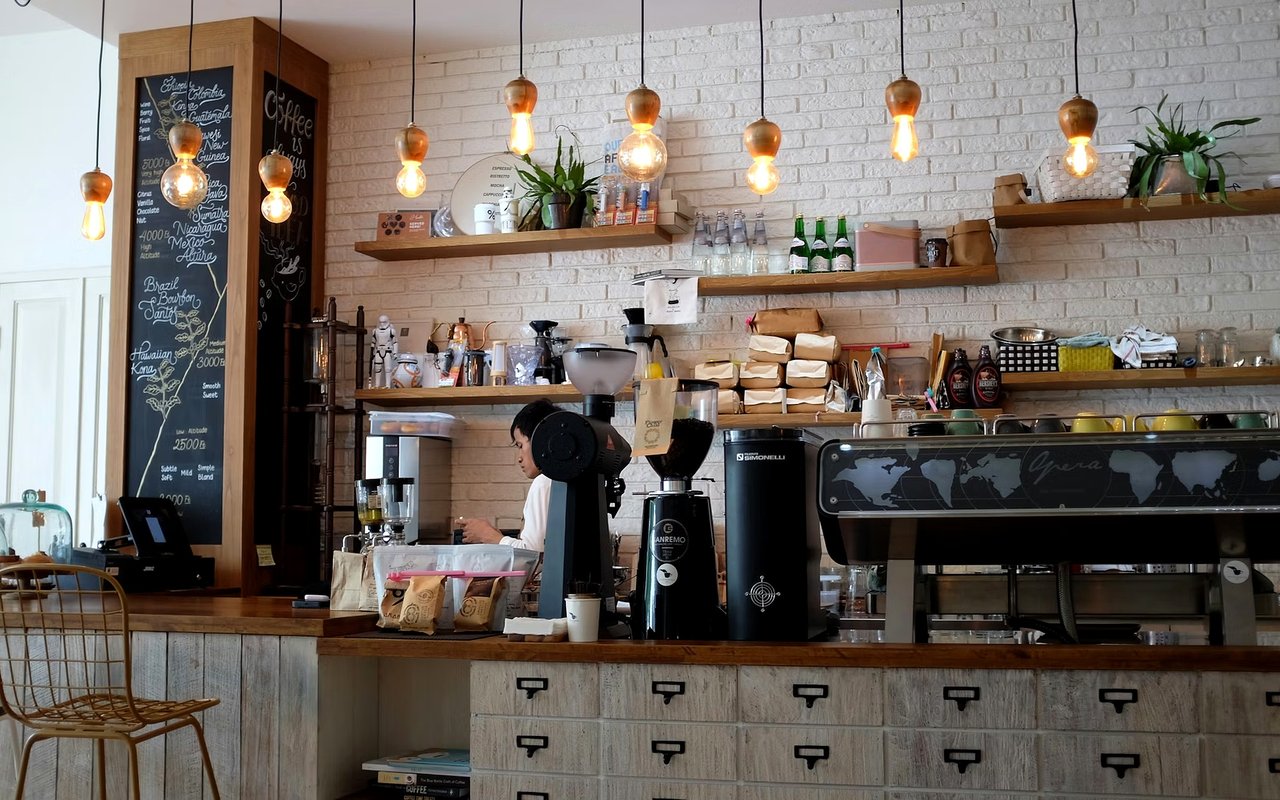
West St. Paul’s dining scene reads as neighborhood-oriented and corridor-based. You are more likely to drive a short distance to a meal than spend an afternoon walking between a dense cluster of restaurants.
For many buyers, that is not a drawback. It simply means the area functions around practical access, with dining woven into the same corridors that support shopping, services, and day-to-day errands.
River access is close, even without shoreline living
River to River Greenway connections
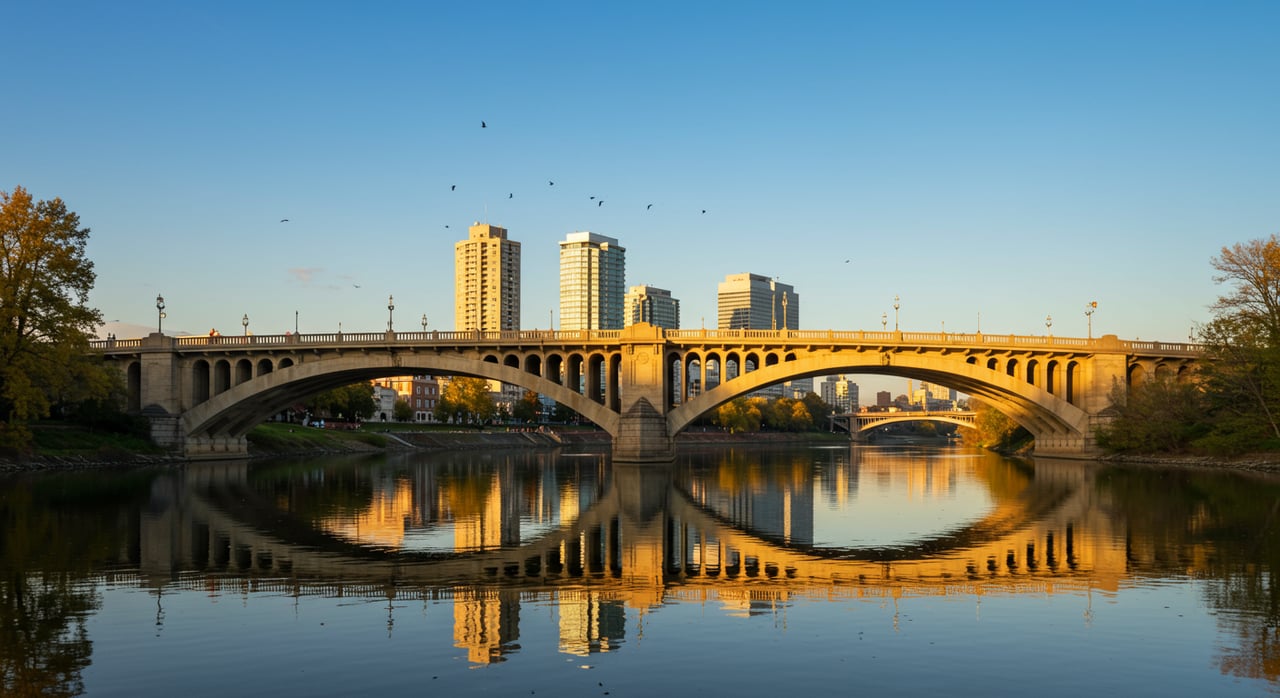
One of West St. Paul’s biggest lifestyle advantages is how quickly you can connect to regional recreation. The River to River Greenway links Lilydale, Mendota Heights, West St. Paul, and South St. Paul through a nonmotorized corridor for biking, hiking, and inline skating.
For residents, that means river-oriented recreation is not abstract or far away. It is part of a nearby network that expands what your weekend can include.
Nearby Mississippi River recreation
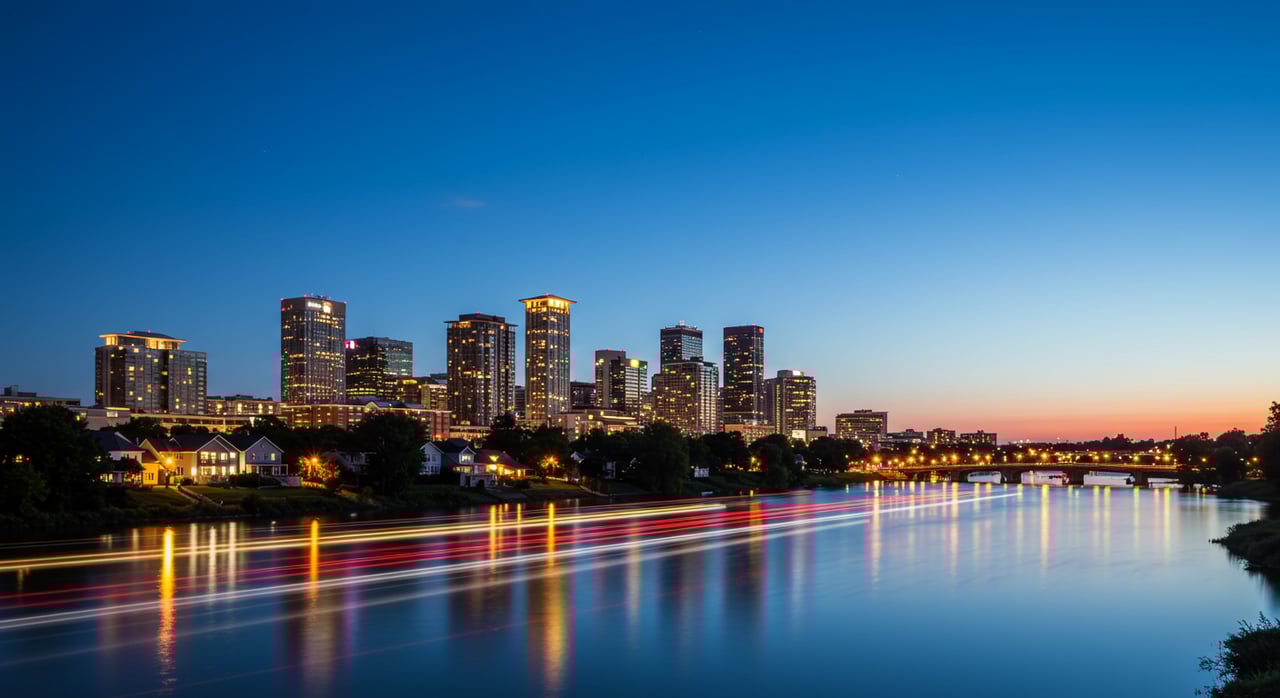
The Mississippi National River and Recreation Area spans 72 miles near Saint Paul and includes fishing, boating, canoeing, birdwatching, bicycling, and hiking. While West St. Paul is not typically defined by direct shoreline living, it benefits from fast access to this larger river system.
That distinction is helpful if you are comparing communities. West St. Paul offers proximity to river recreation without needing to live directly on the waterfront to enjoy it.
Lilydale and Harriet Island
Lilydale Regional Park adds hiking and biking trails, a boat launch, a canoe and kayak launch, kayaking, canoeing, boating, seasonal kayak rentals, and a dog park. Harriet Island Regional Park adds riverfront views, a riverwalk, a public dock, and bike trail connections that include Lilydale Regional Park.
Together, these nearby parks strengthen the area’s weekend appeal. You can spend part of your day in a neighborhood park close to home, then shift to a broader riverfront setting without a major time commitment.
What this means for homebuyers
A mix of housing types
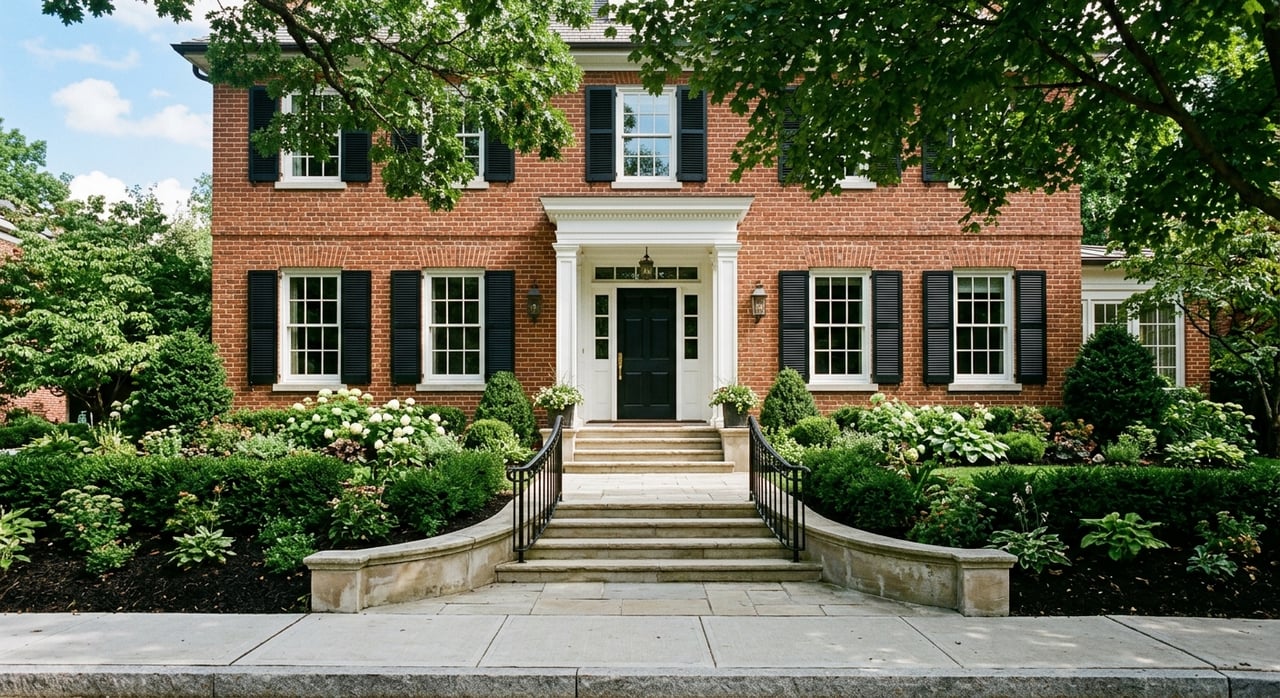
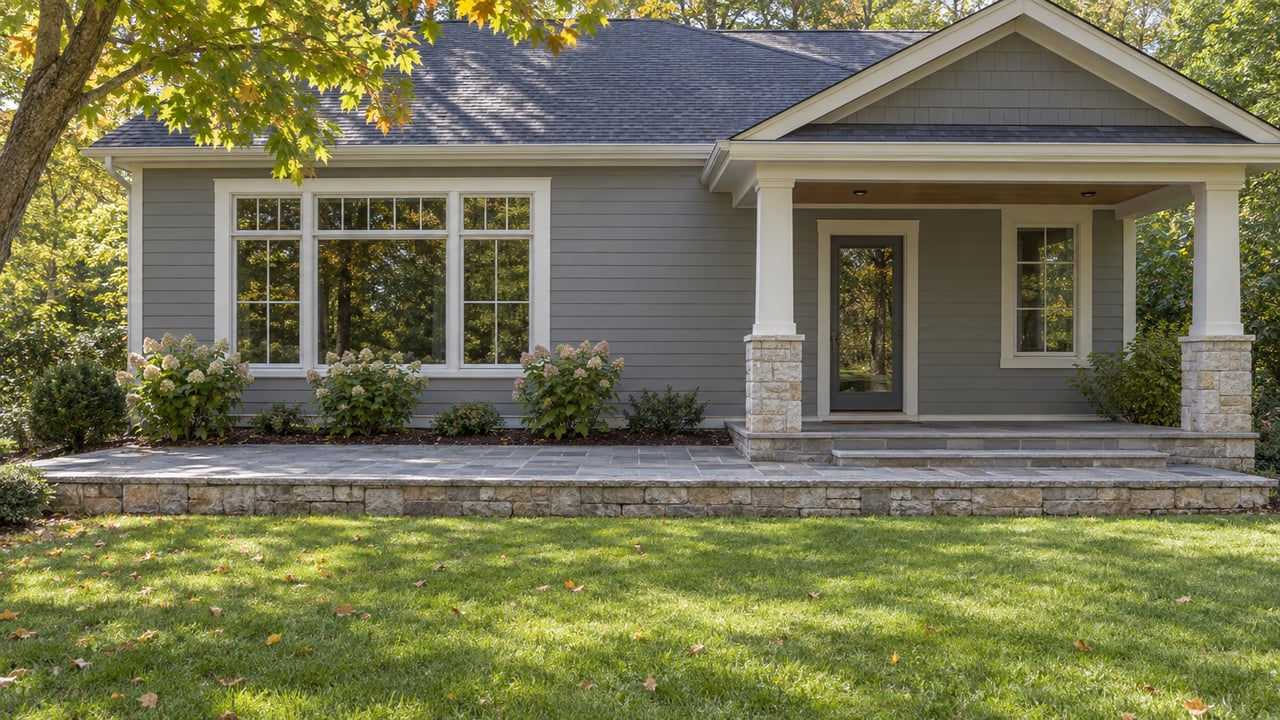
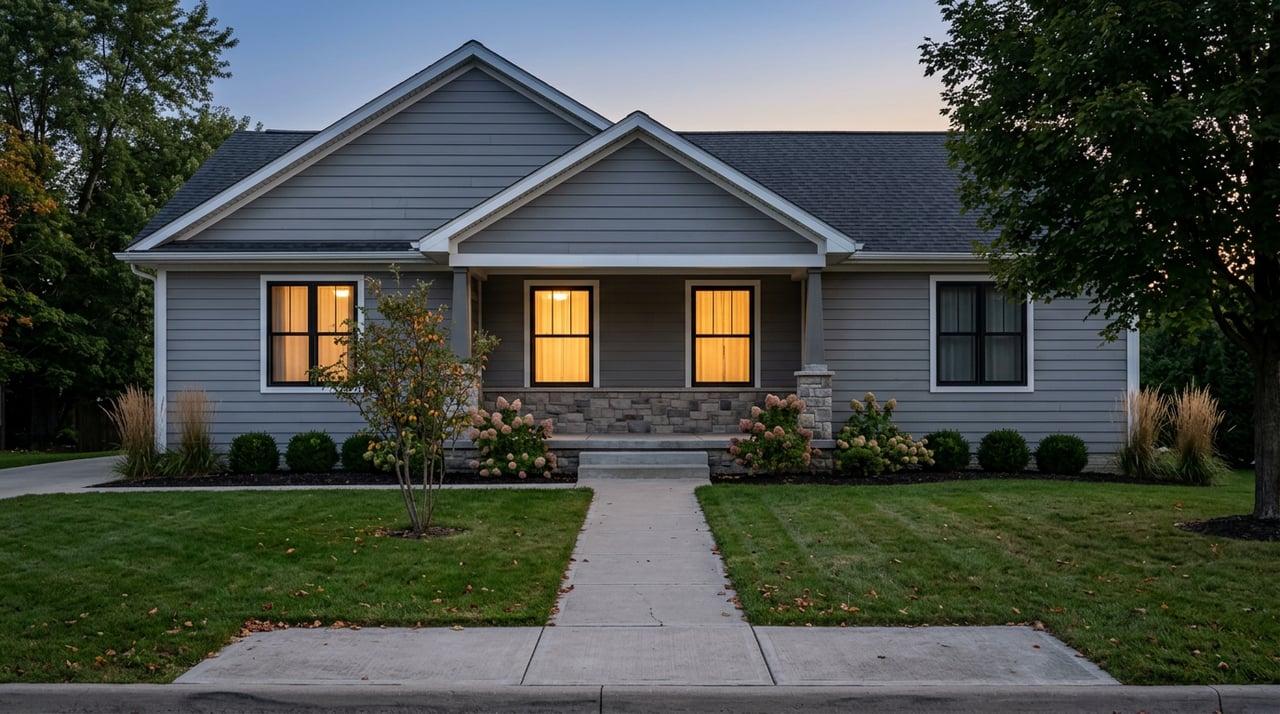
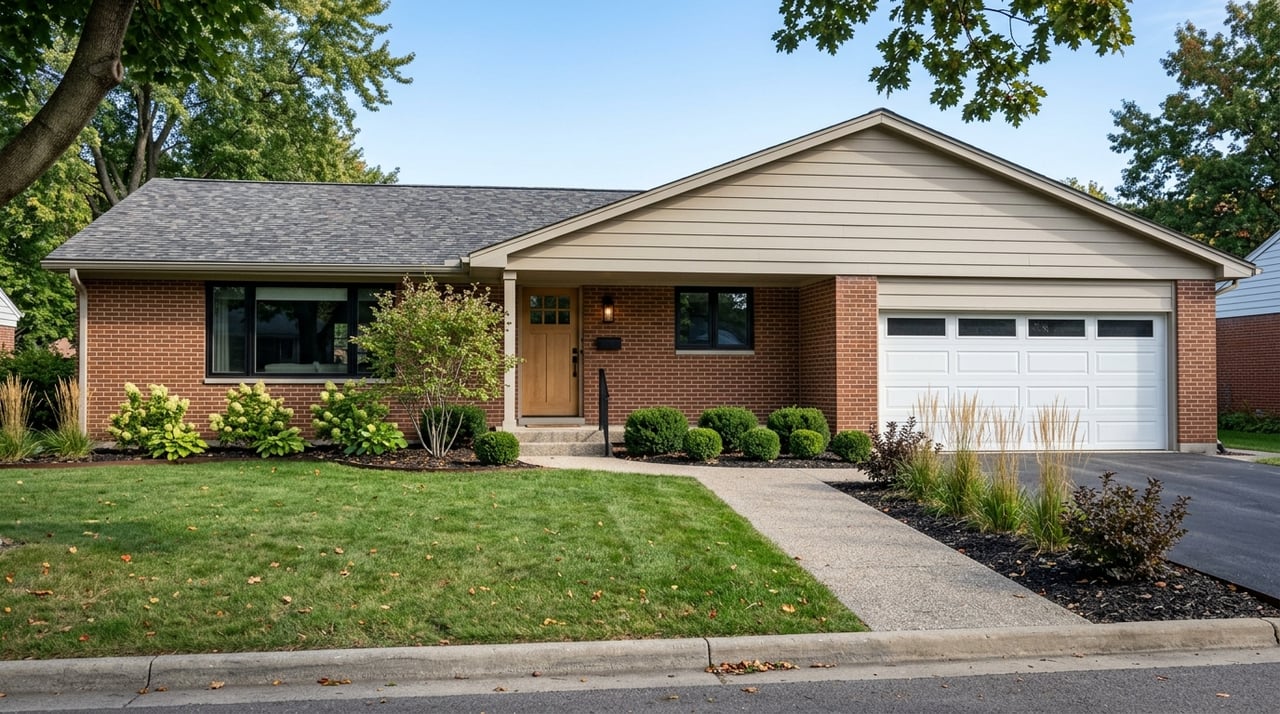
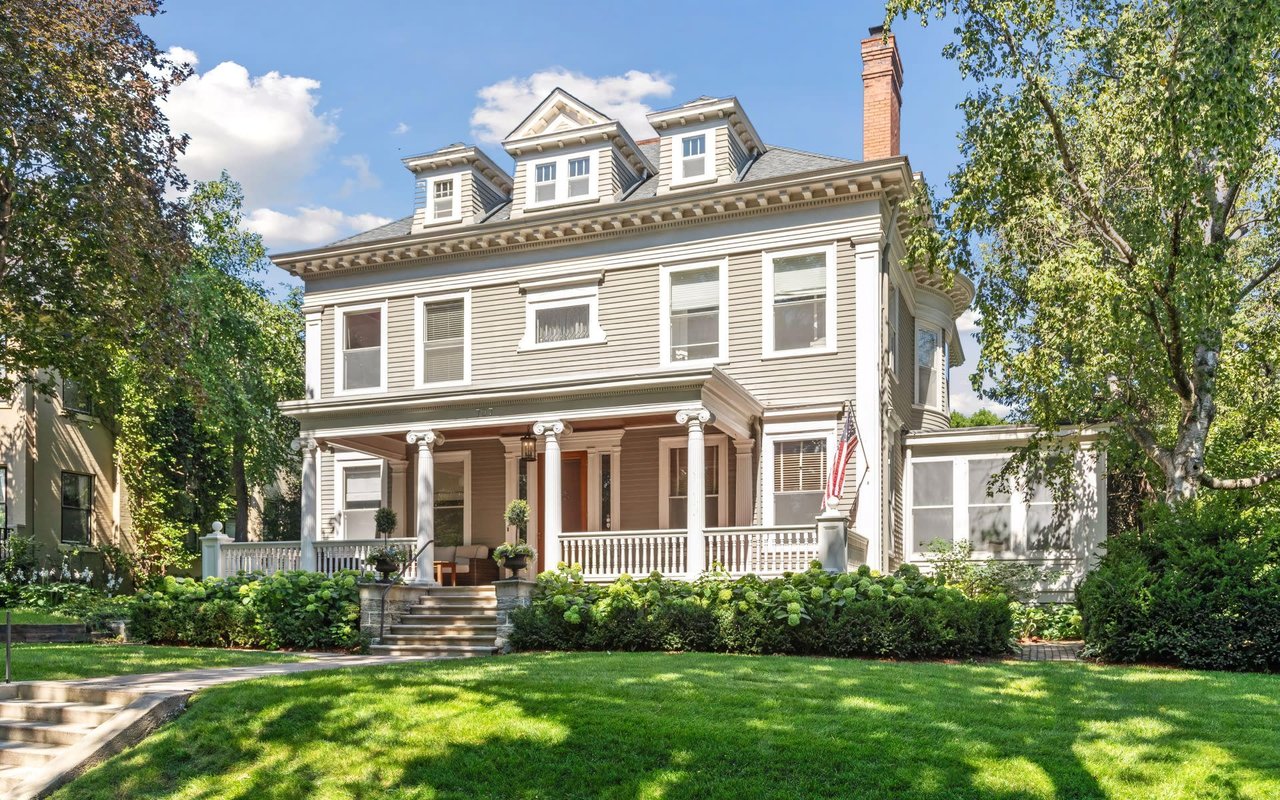
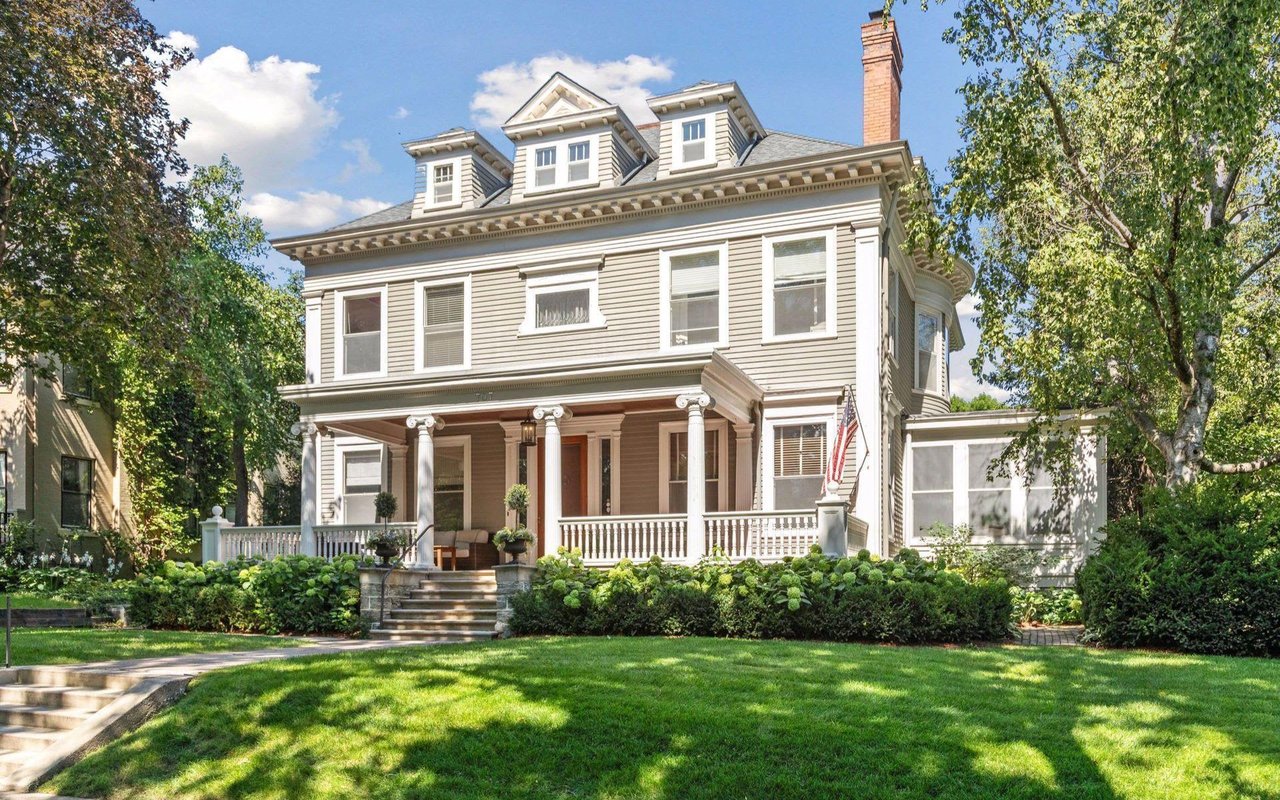
West St. Paul describes its housing stock as diverse and well-maintained. In the city’s 2040 plan, based on 2015 Metropolitan Council estimates, about 51% of housing units were single-family detached, 40% were multifamily buildings with five or more units, 5% were townhomes, and 4% were duplex, triplex, or quadplex units.
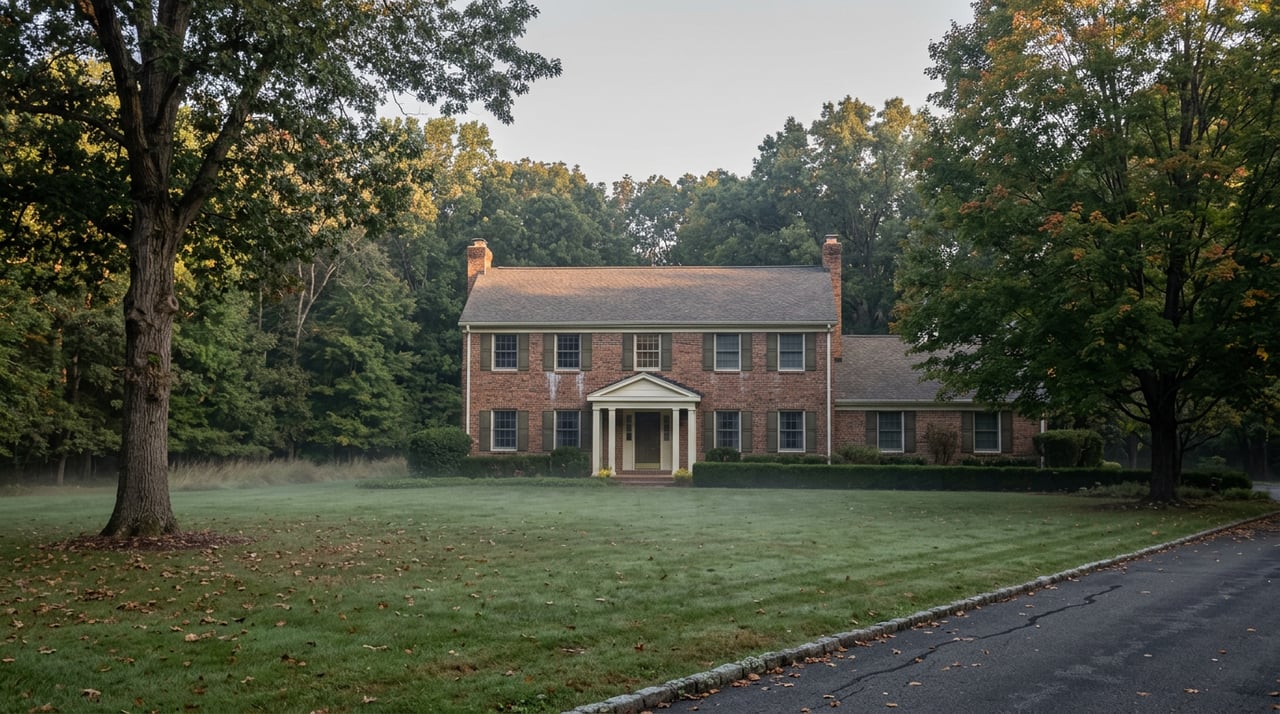
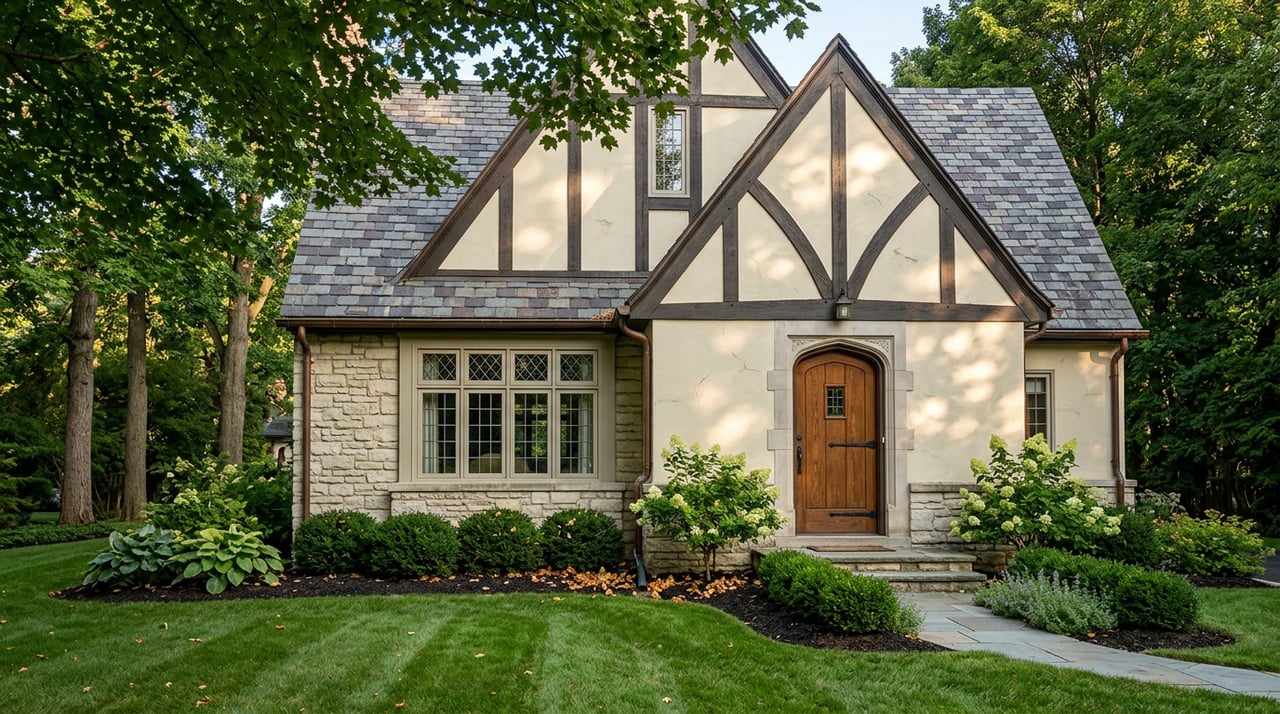
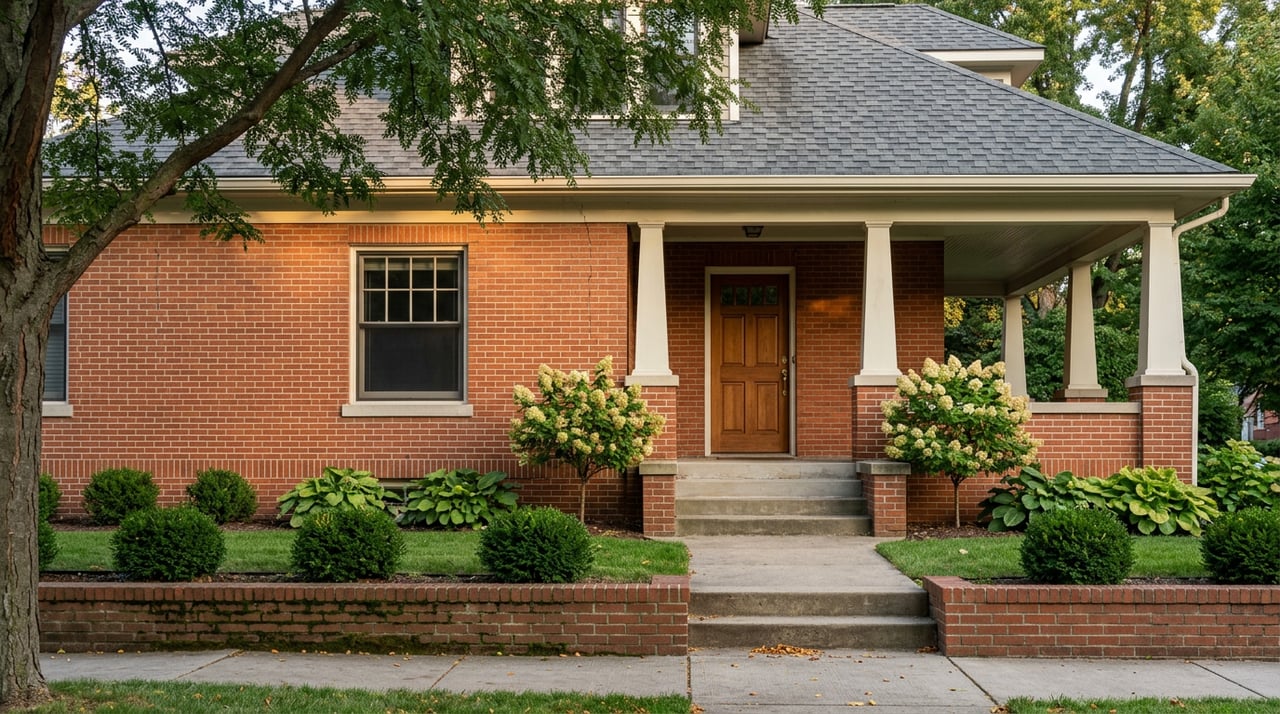
Most housing was built between 1950 and 1980, with less than one-fifth built before 1950. That gives the city a largely established residential feel, with a range of housing forms rather than one dominant product type everywhere.
Living near amenities
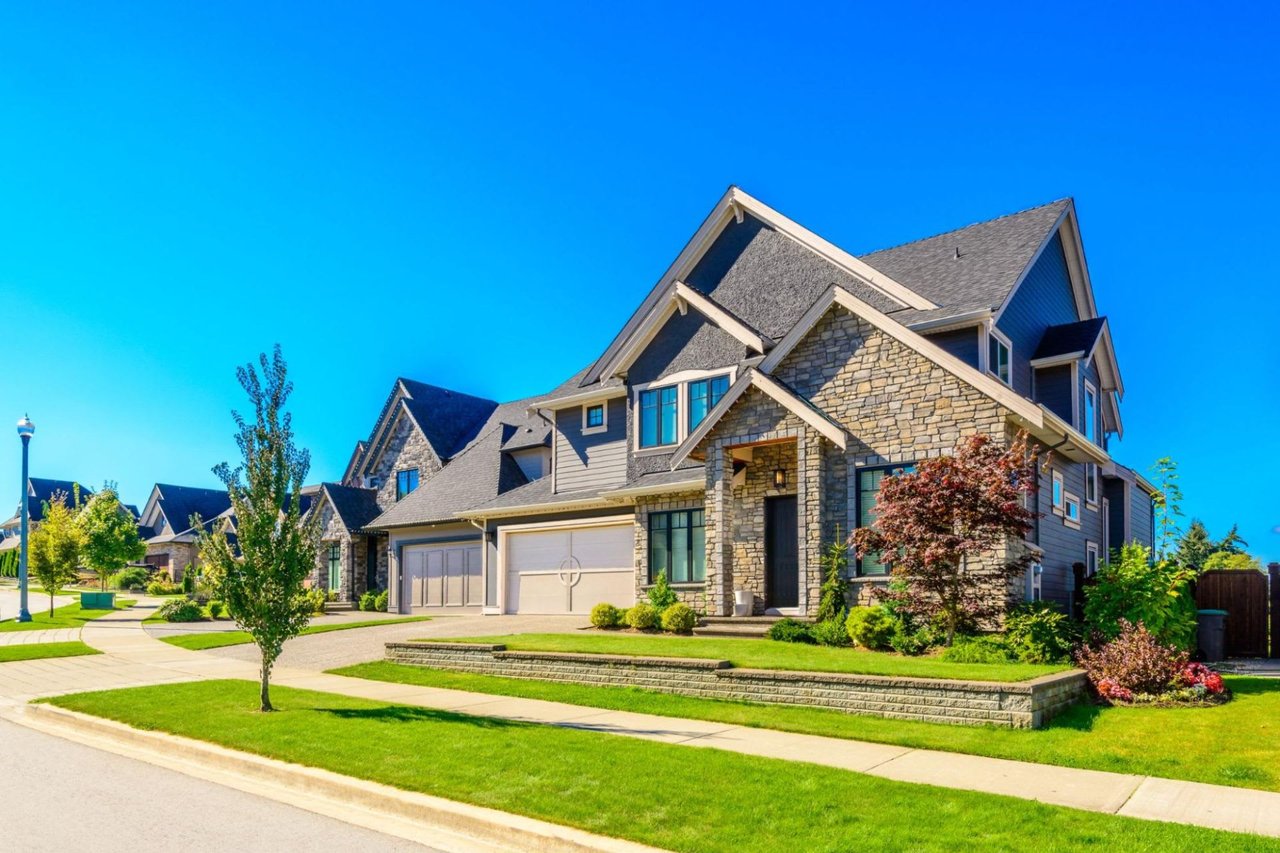
If you focus your search near Robert Street or central park and trail nodes, you are likely to see a varied mix. That may include older detached homes, small-lot infill, and newer multifamily or townhome opportunities.
The city’s rental licensing program also covers single-family homes, duplexes, triplexes, four-plexes, apartments, condominiums, and townhomes. From a buyer’s perspective, that reinforces the idea that West St. Paul supports several different living styles within one community.
Growth to watch
The 150 Thompson redevelopment area is especially worth watching if you are interested in how public space and housing may evolve together. With plans for market-rate apartments, townhomes, and a central gathering space tied to trail connections, it reflects a more connected, amenity-oriented pattern of growth.
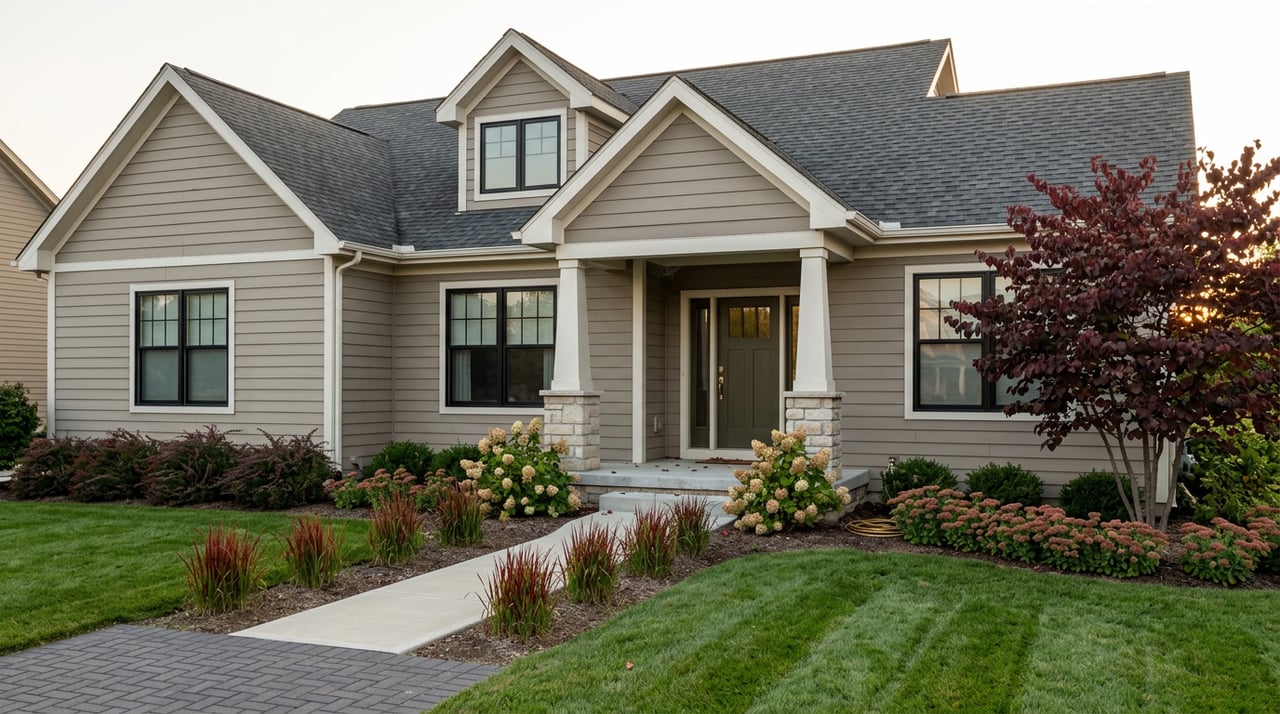
The city’s Housing Replacement Program also shows a smaller-scale effort to refresh parts of the housing stock, including new single-family homes built on sites along Bernard Street East, Dodd Road, Annapolis Street East, and Hurley Street East.
How to evaluate West St. Paul as a buyer
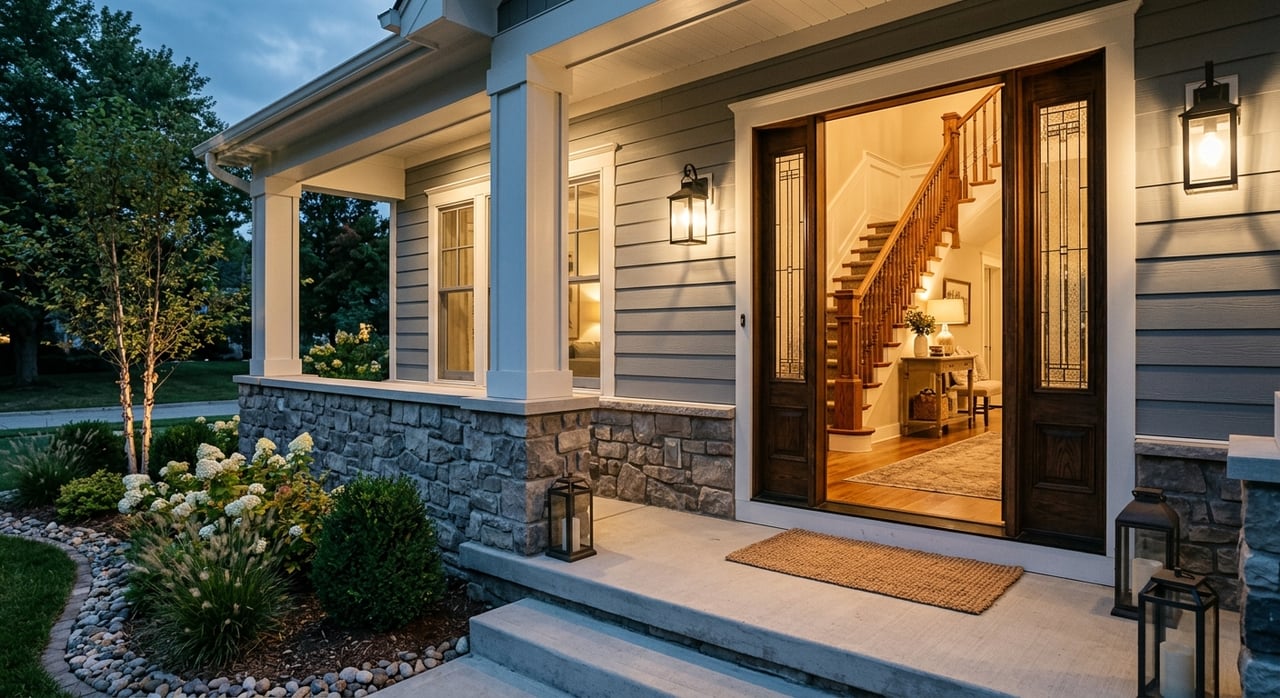
If weekend lifestyle matters to you, West St. Paul is best understood as a place of access and balance. You are not buying into a resort market or a destination dining district. You are buying into a practical, established suburb with local parks, useful dining corridors, and quick connections to riverfront recreation.
That can be a strong fit if you want your day-to-day life to feel manageable. Parks are woven into the city, dining is straightforward and convenient, and regional outdoor amenities are close enough to become part of your regular routine.
For buyers who value established neighborhoods and want to stay connected to Saint Paul while keeping everyday recreation nearby, West St. Paul deserves a closer look. If you want help evaluating homes, blocks, and amenity access in this part of the Twin Cities, Sally English can help you approach the search with clarity and confidence.
FAQs
What parks can you visit in West St. Paul on weekends?
- West St. Paul offers several options, including Thompson County Park, Marthaler Park, Harmon Park, and Kennedy Park, with features such as trails, overlooks, fishing, playgrounds, sports areas, gardens, and seasonal recreation.
Where do most West St. Paul restaurants cluster?
- Many dining options cluster along Robert Street, which the city identifies as the main commercial hub, with additional restaurants in the Smith/Dodd area and along nearby connector roads.
Does West St. Paul have direct Mississippi River access?
- West St. Paul is better understood as having quick access to nearby riverfront parks and trail systems, including the River to River Greenway, Lilydale Regional Park, and Harriet Island Regional Park, rather than being defined by direct shoreline living.
What is the housing mix in West St. Paul?
- The city describes its housing stock as diverse and well-maintained, with a mix of single-family homes, multifamily buildings, townhomes, and smaller multi-unit properties.
Is West St. Paul a good fit if you want parks and convenience?
- If you want an established suburb with neighborhood parks, practical dining options, and close access to regional trails and river recreation, West St. Paul offers a balanced lifestyle centered on convenience and local amenities.