By Sally English
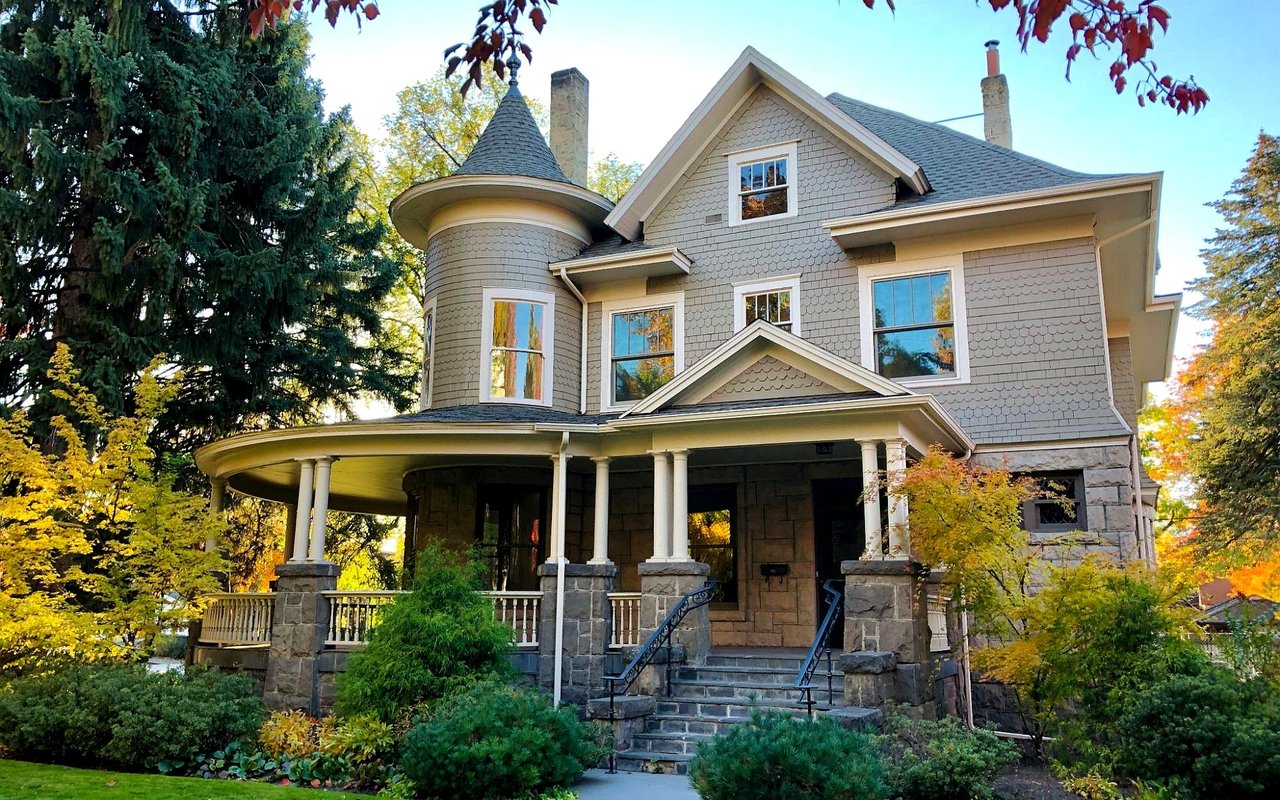
A great dinner party starts long before the first guest arrives. Whether you are hosting in a Summit Avenue Victorian, a Cathedral Hill brownstone, or a home in Highland Park, the principles are the same: plan thoughtfully, source well, and create an experience that feels effortless. Here is how to host a dinner party in St. Paul that delivers on all of that.
Key Takeaways
- The best dinner parties are built around a menu you can mostly prepare in advance, not one that keeps you in the kitchen all evening
- Sourcing ingredients locally from the St. Paul Farmers' Market gives your table a seasonal character that store-bought menus cannot replicate
- The physical environment of your home, including lighting, table setting, and temperature, shapes the mood of the evening before a single dish is served
- A thoughtful guest list and a loose timeline are the two most underrated tools in how to host a dinner party successfully
Plan the Menu Around Your Time, Not Your Ambition
The most common mistake in how to host a dinner party is choosing a menu that requires your full attention during the event. The goal is to be present with your guests, not disappearing into the kitchen between courses. A menu that is mostly complete before anyone rings the doorbell is always better than a technically impressive spread that leaves you frantic.
Think in terms of what can be made the day before and what needs only assembly the day of. A braised short rib or slow-roasted chicken is more forgiving and often more satisfying than a dish that demands precise timing.
Think in terms of what can be made the day before and what needs only assembly the day of. A braised short rib or slow-roasted chicken is more forgiving and often more satisfying than a dish that demands precise timing.
Menu Planning Principles for a Stress-Free Dinner Party
- Choose one course fully prepared and refrigerated the day before so day-of involves assembly rather than cooking from scratch
- Build the main course around a method that holds well: braises, roasts, and slow-cooked dishes tolerate the inevitable timeline variations of a real dinner party
- Plan the table for the number of dishes you can serve comfortably; three well-executed courses beat five rushed ones
- Account for dietary restrictions before finalizing the menu rather than scrambling the day of the party
Source Locally and Let the Season Do the Work
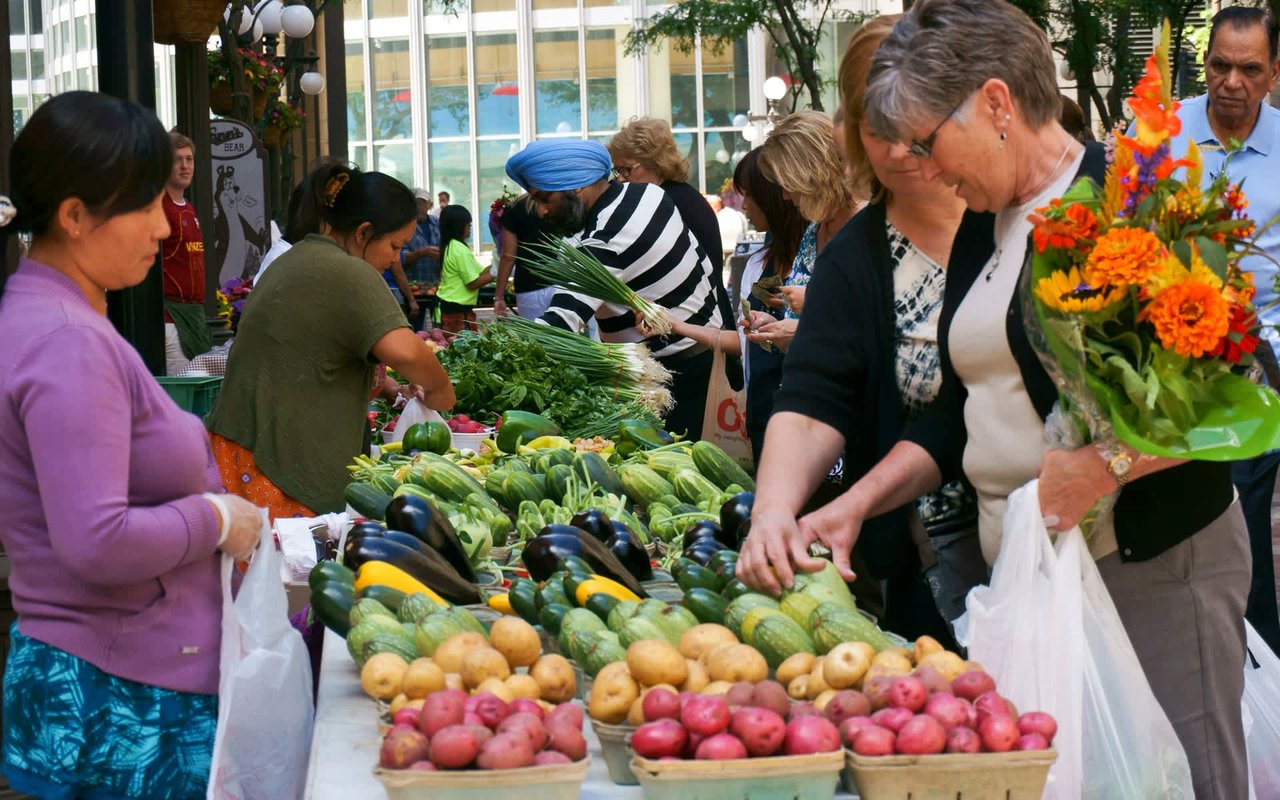
The St. Paul Farmers' Market in Lowertown is one of the most straightforward ways to elevate a dinner party menu. Established in 1854, it is the longest-running farmers' market in Minnesota, sourcing everything within 100 miles of the city. Shopping there on Saturday morning before a Saturday evening dinner creates a seasonal specificity your guests will notice even if they cannot name why the food tastes so good.
Minnesota's growing season from late spring through fall produces exceptional sweet corn, squash, root vegetables, local honey, and artisan dairy and bread products. In colder months, the indoor location at 308 Prince Street continues with frozen meats, baked goods, and preserved products from the same vendors.
Minnesota's growing season from late spring through fall produces exceptional sweet corn, squash, root vegetables, local honey, and artisan dairy and bread products. In colder months, the indoor location at 308 Prince Street continues with frozen meats, baked goods, and preserved products from the same vendors.
What to Look for at the St. Paul Farmers' Market for a Dinner Party
- Fresh seasonal produce sourced within 100 miles of St. Paul, including sweet corn, heirloom tomatoes, squash, and root vegetables depending on the time of year
- Local artisan bread from vendors like St. Agnes Bakery, a market fixture that pairs well with a composed first course or a cheese board
- Minnesota-raised meats and eggs that bring a provenance story to the table
- Locally produced honey, jams, and specialty preserves that can anchor a cheese course or dessert component without any additional preparation
Set the Scene Before the First Guest Arrives
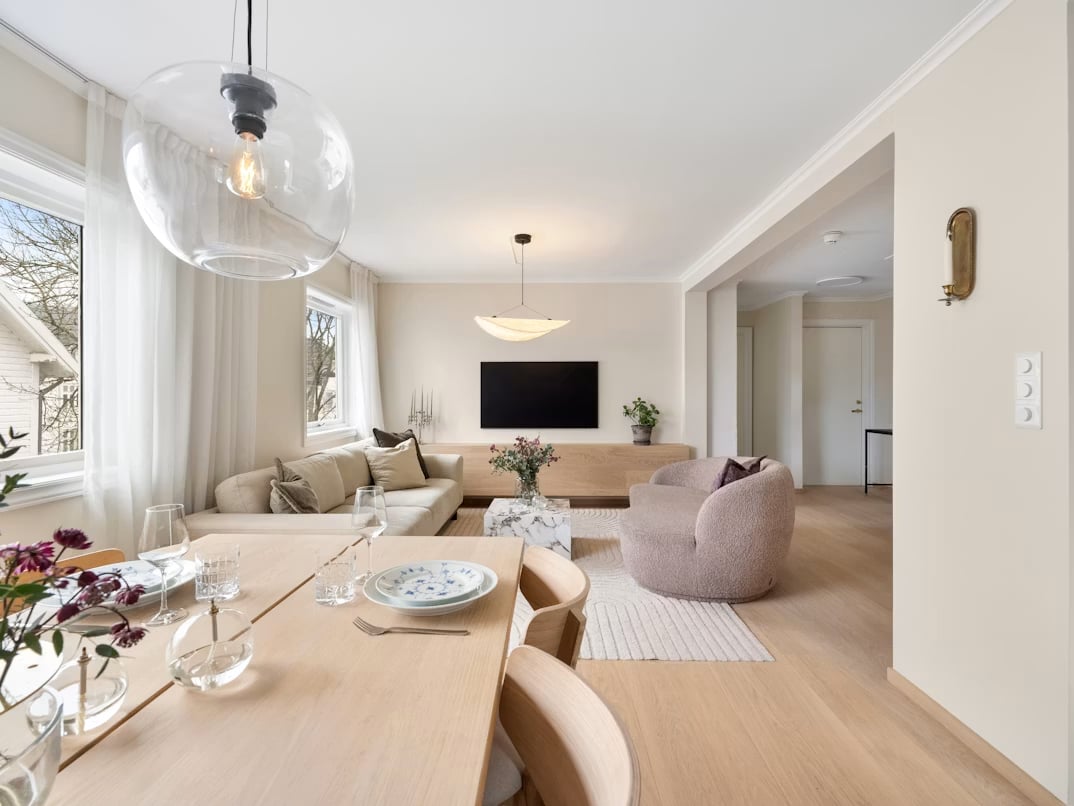
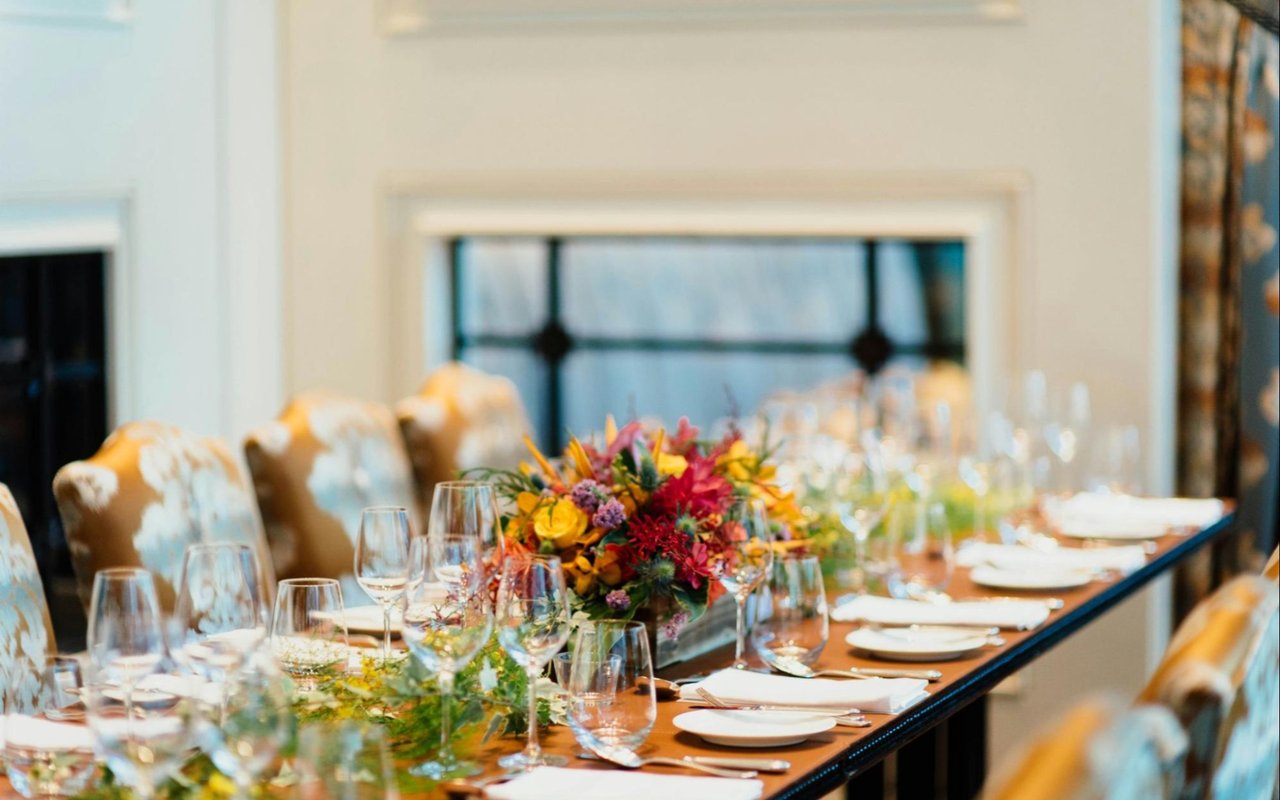
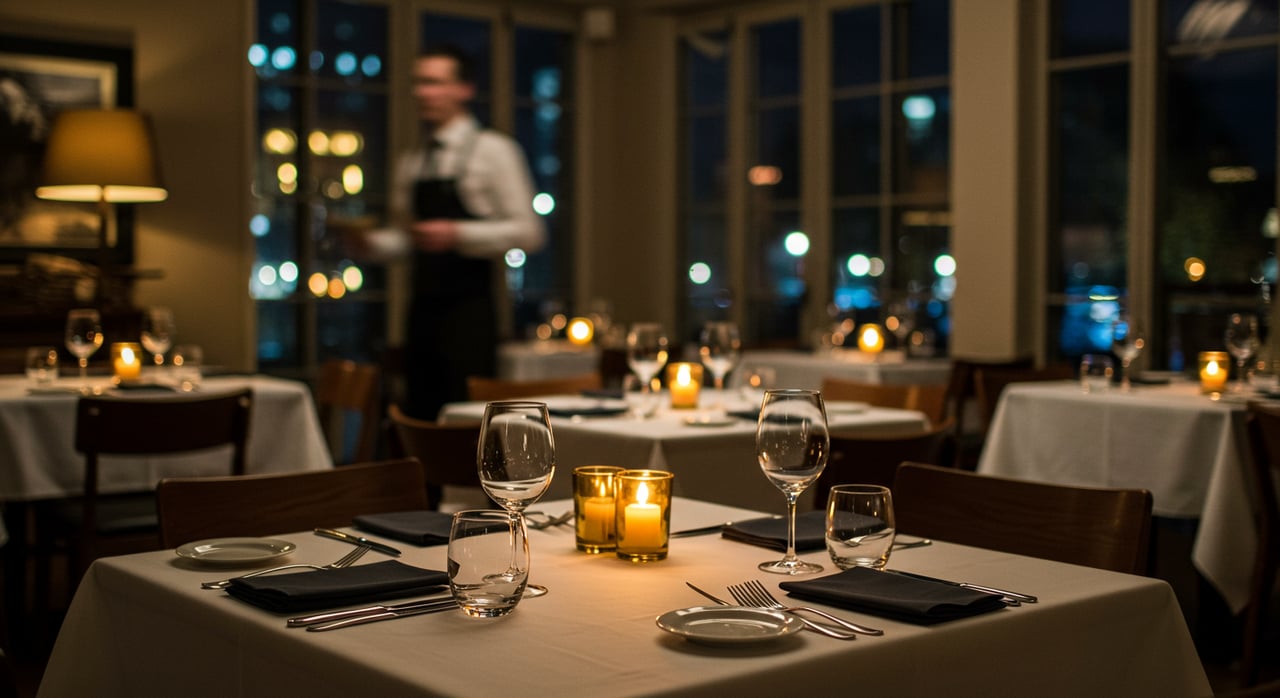
The physical environment of a dinner party does at least as much work as the food, and it is entirely within your control before guests arrive. Lighting is the most important variable. Overhead lighting appropriate for everyday use will flatten any gathering; candlelight and low lamp light create the warmth that makes a dinner table feel like a destination.
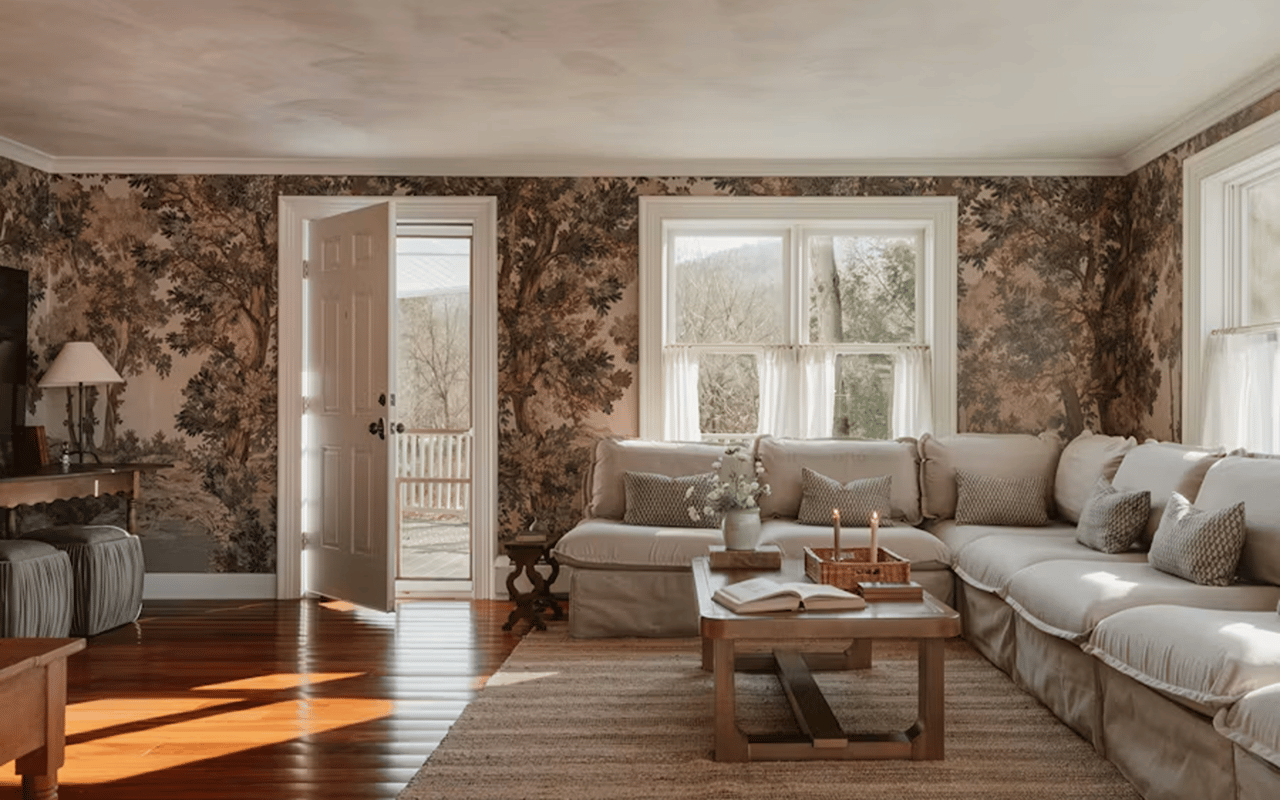
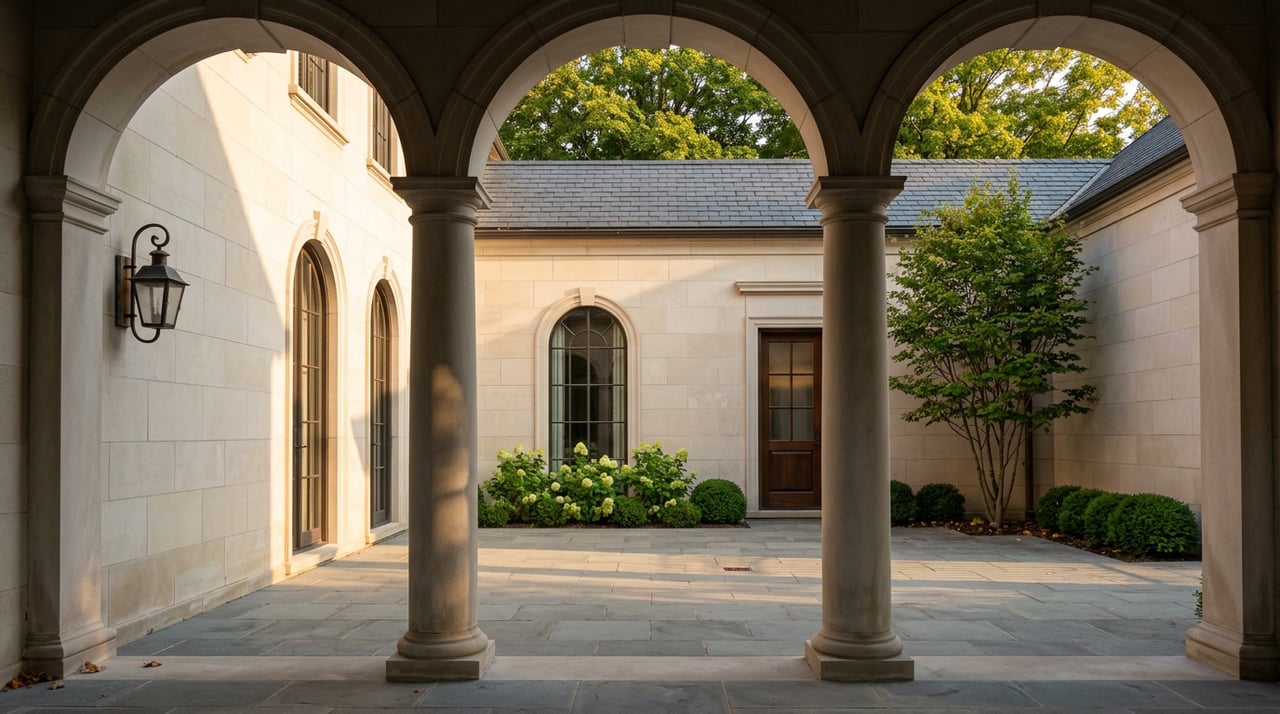
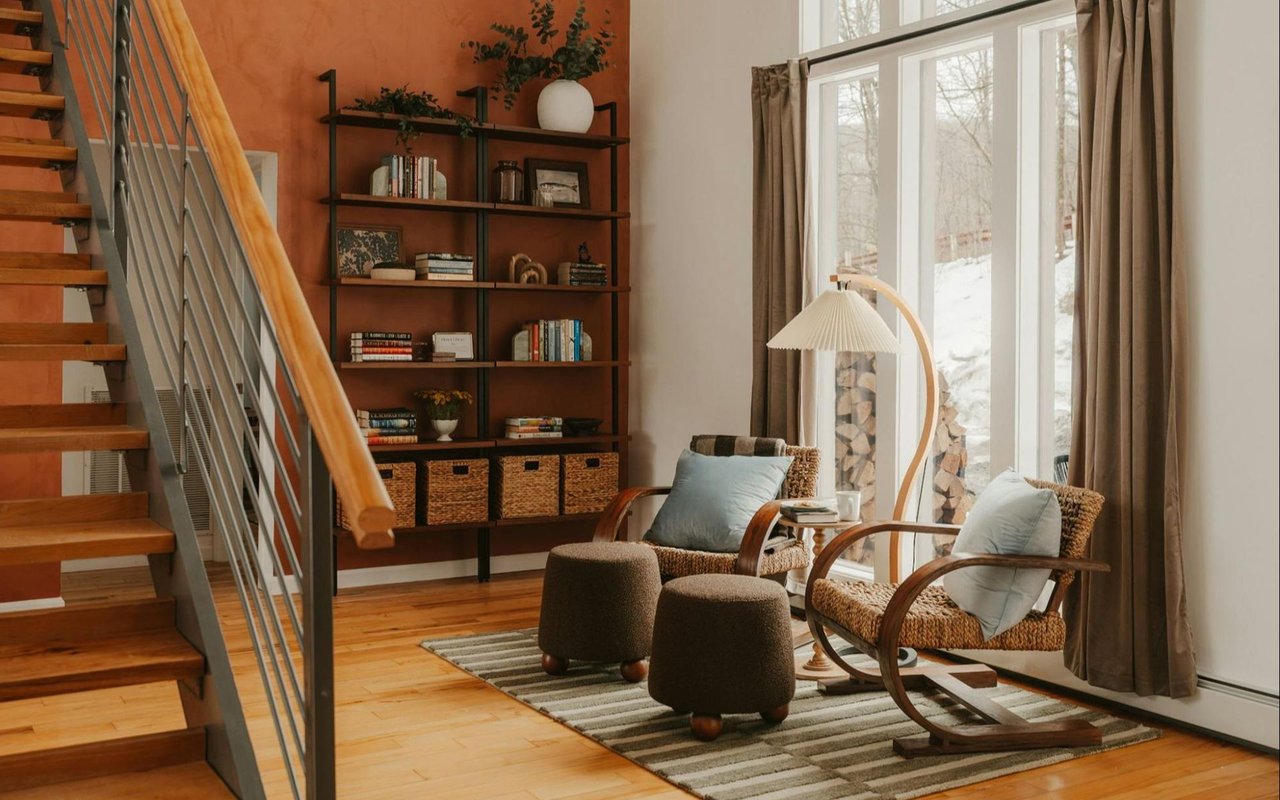
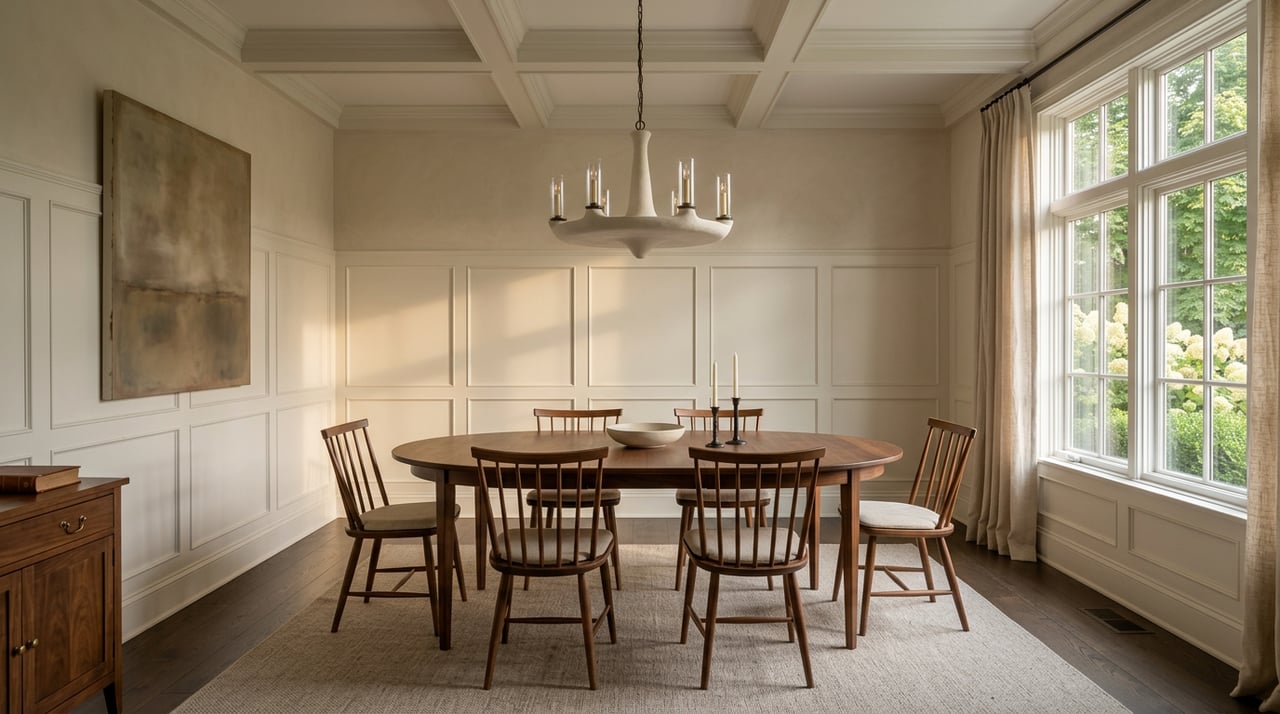
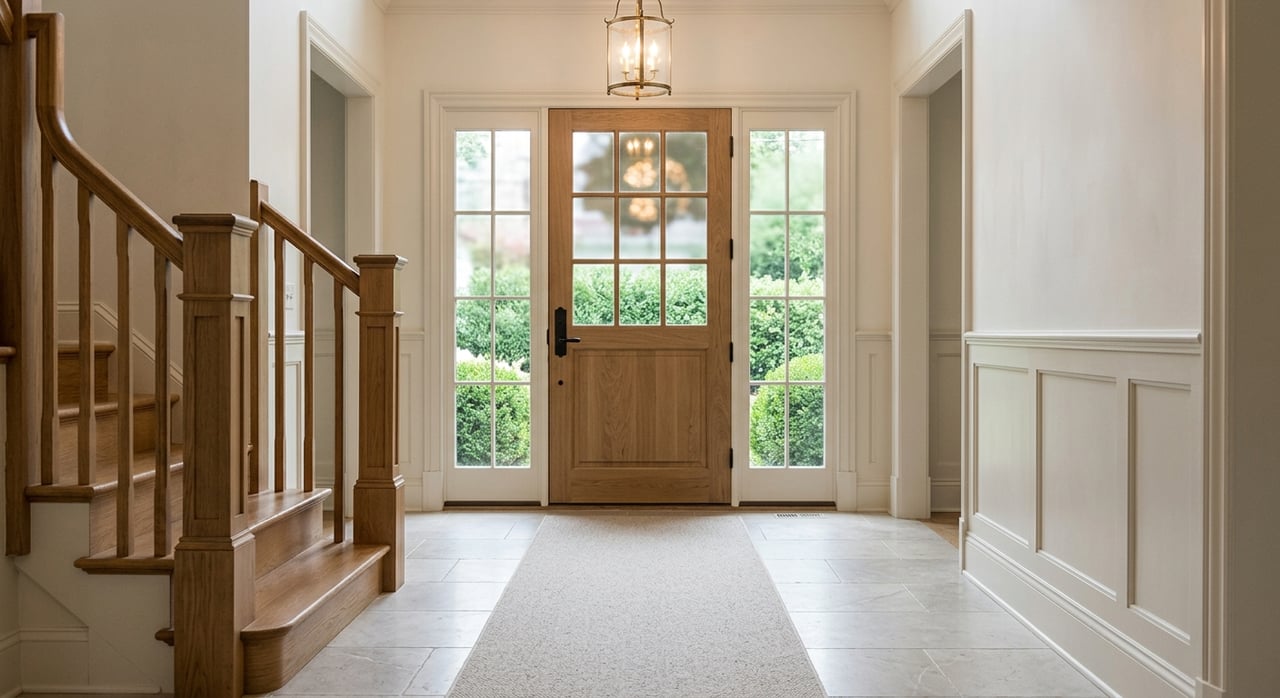
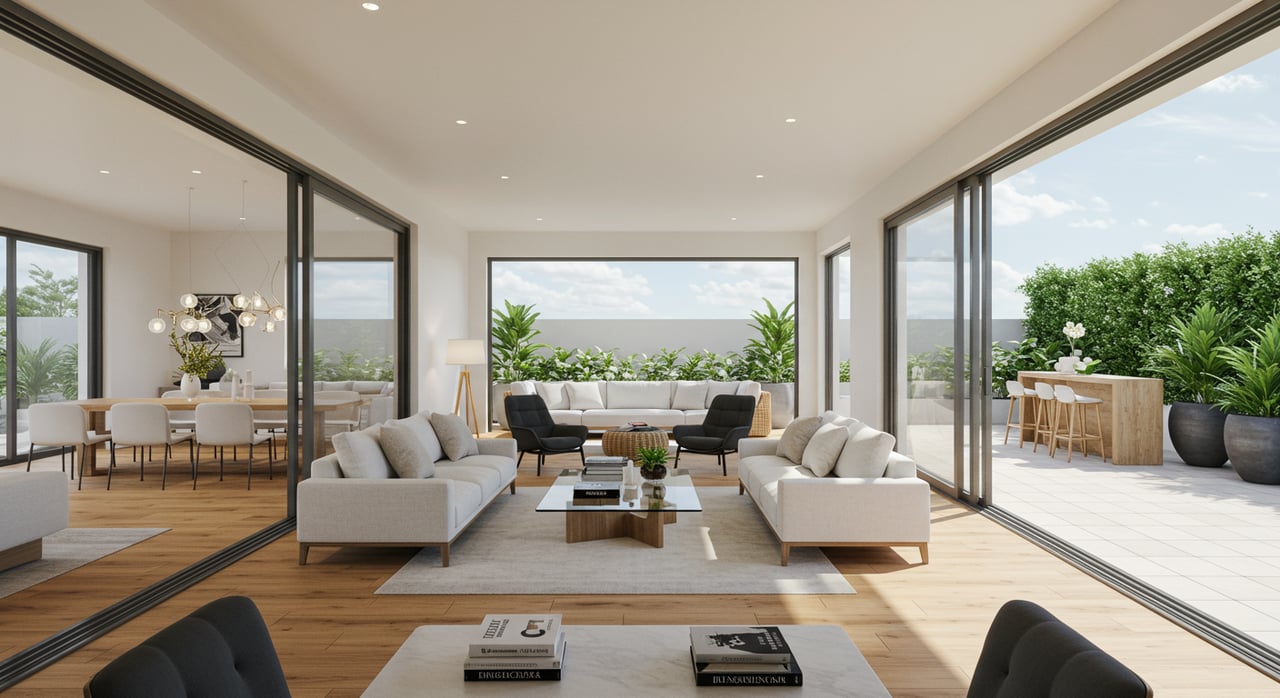
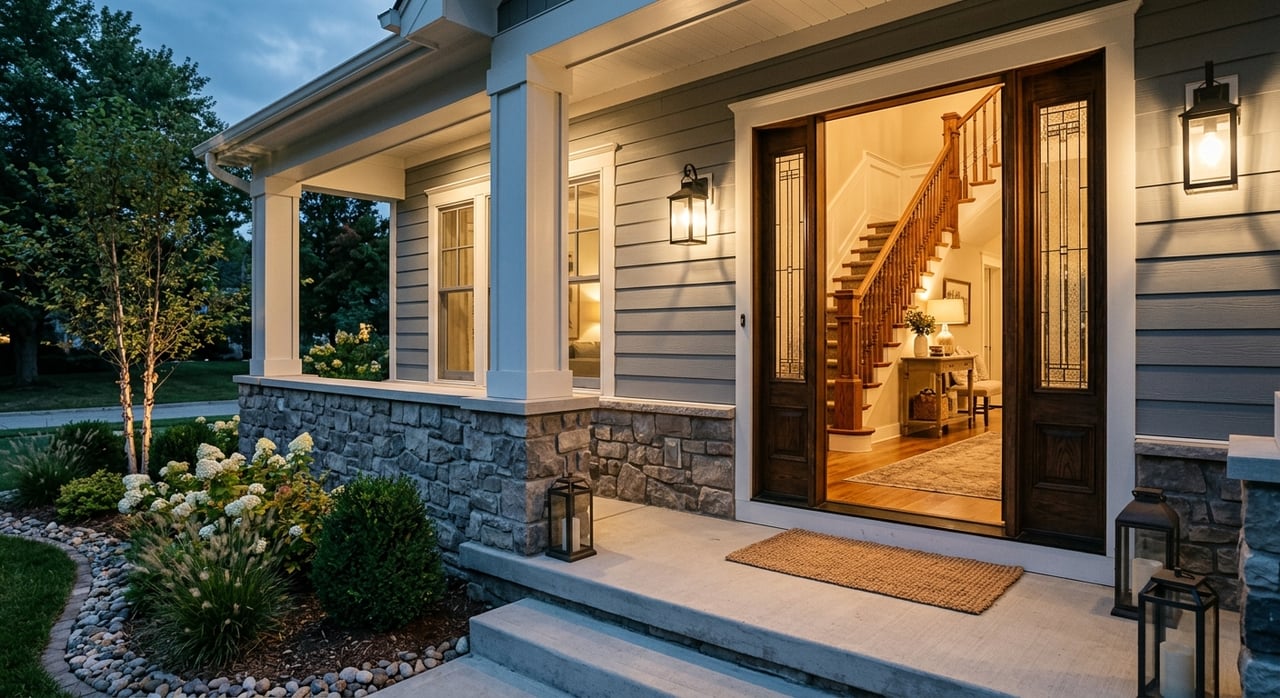
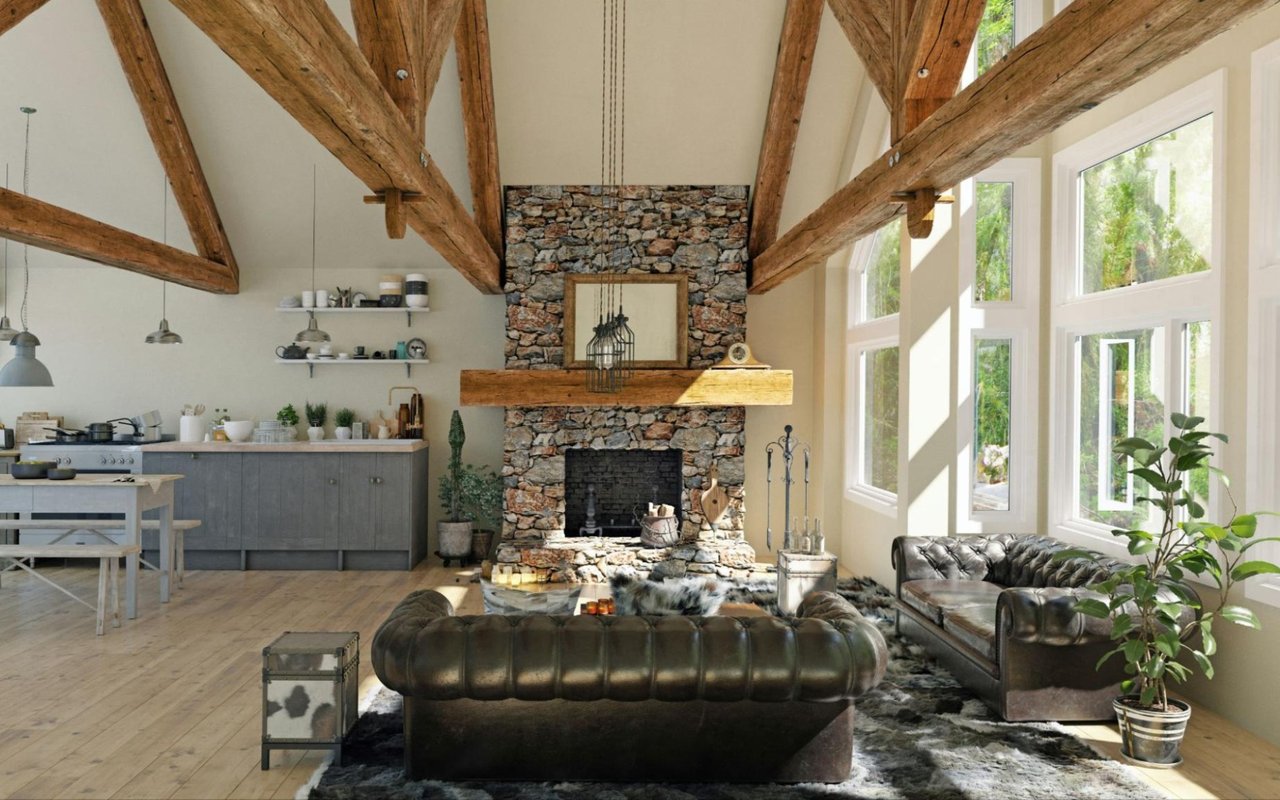
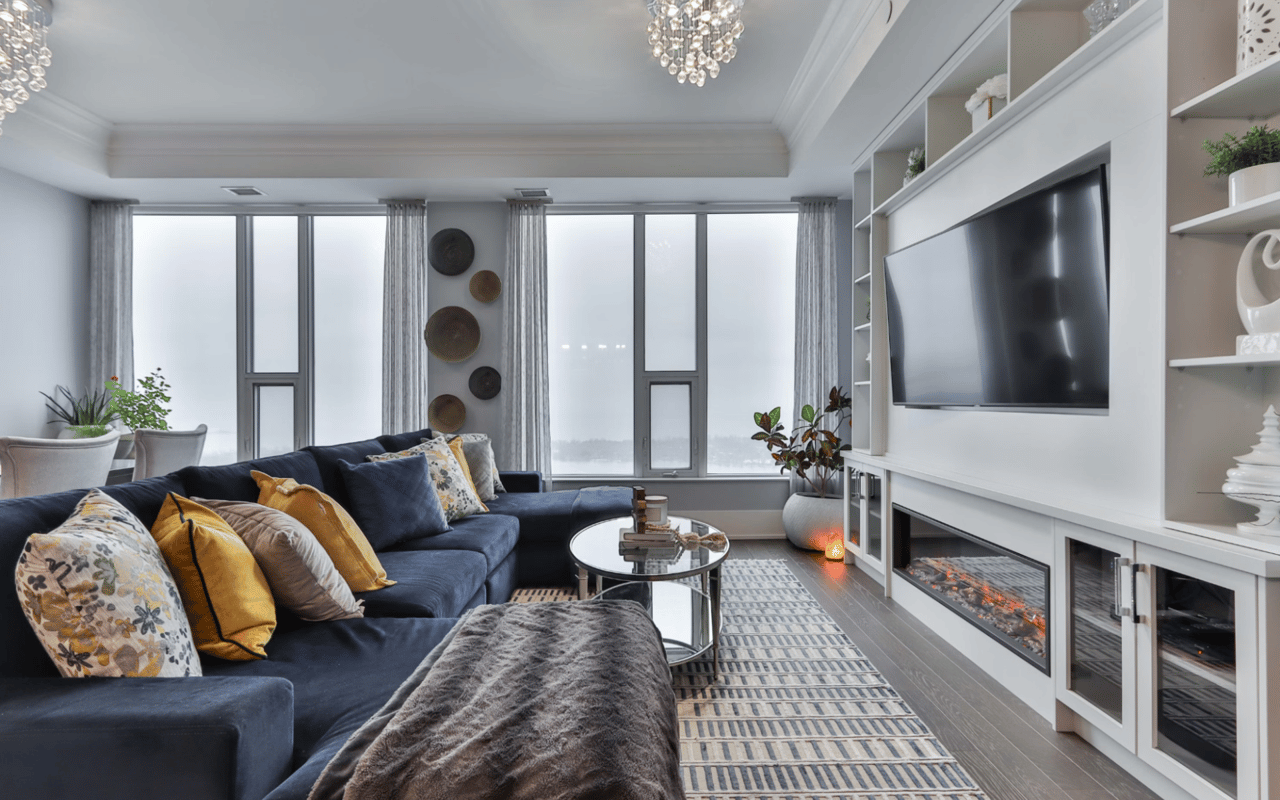
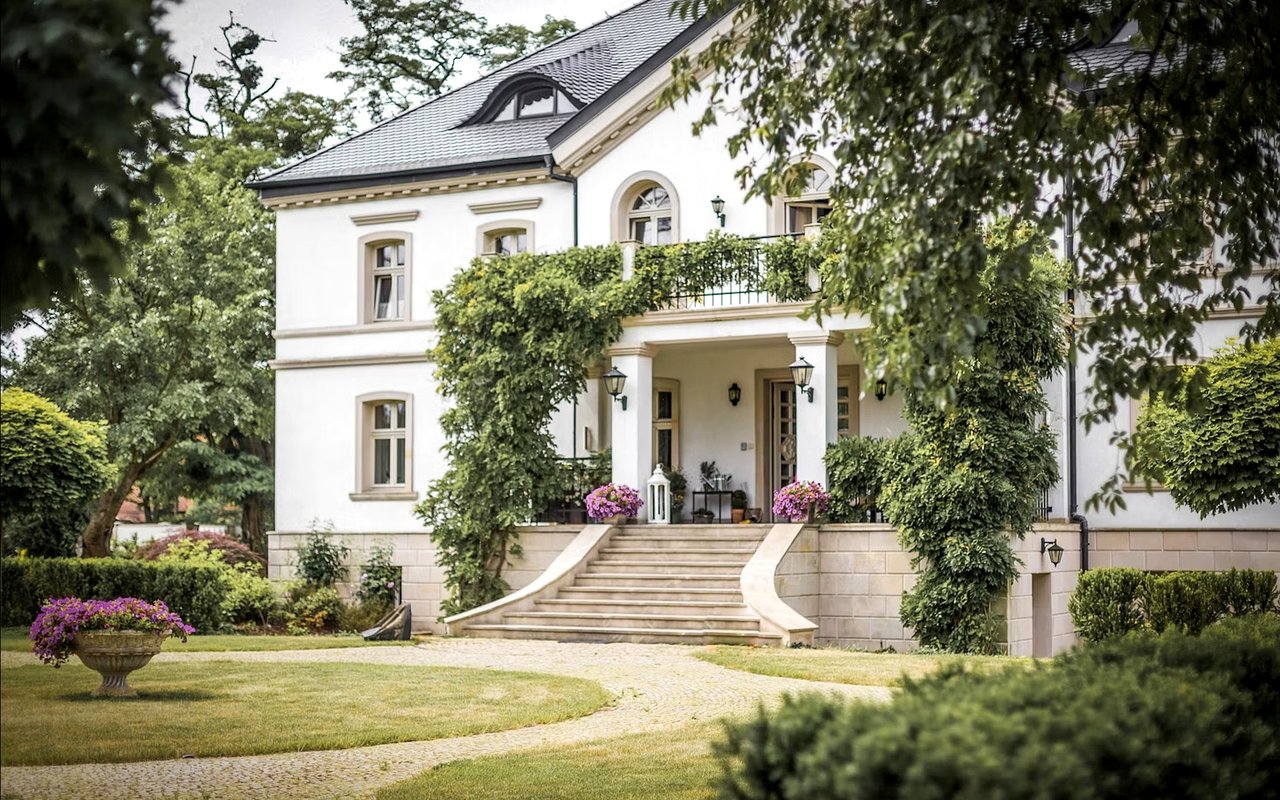
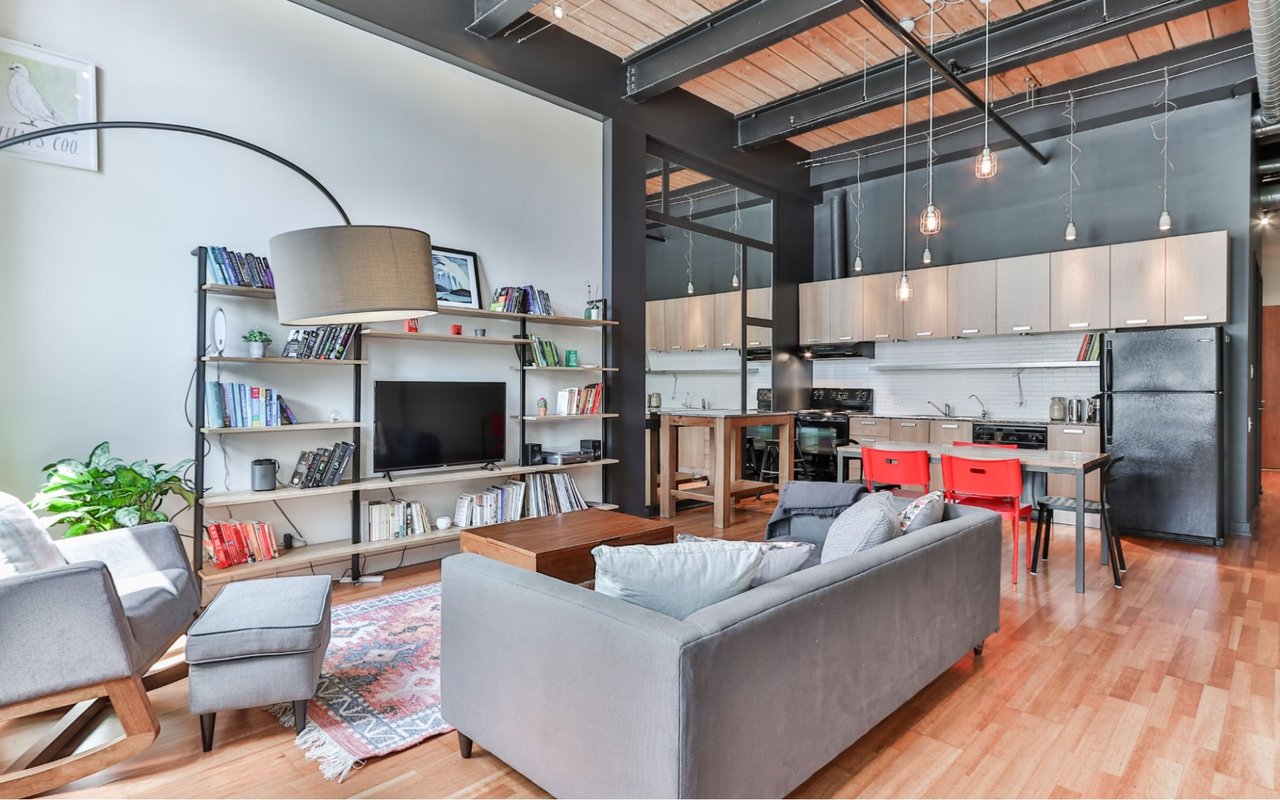
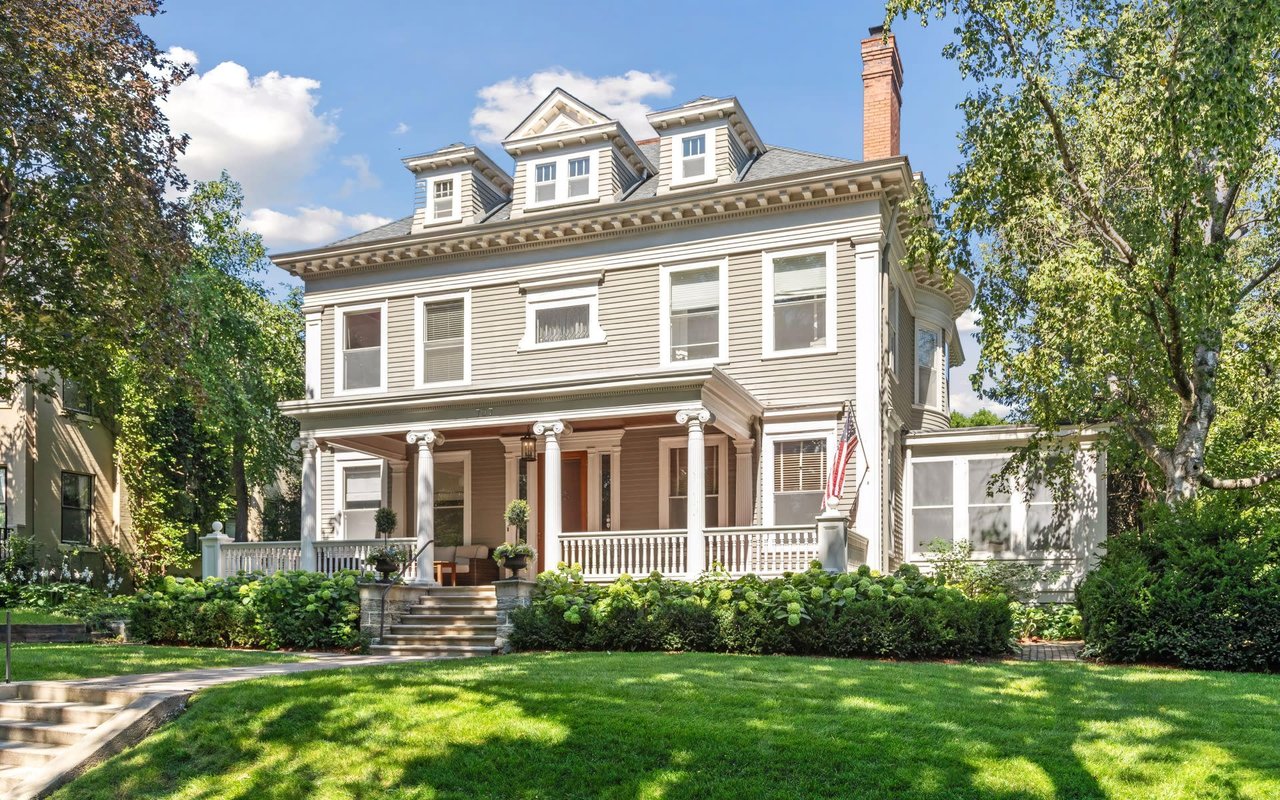
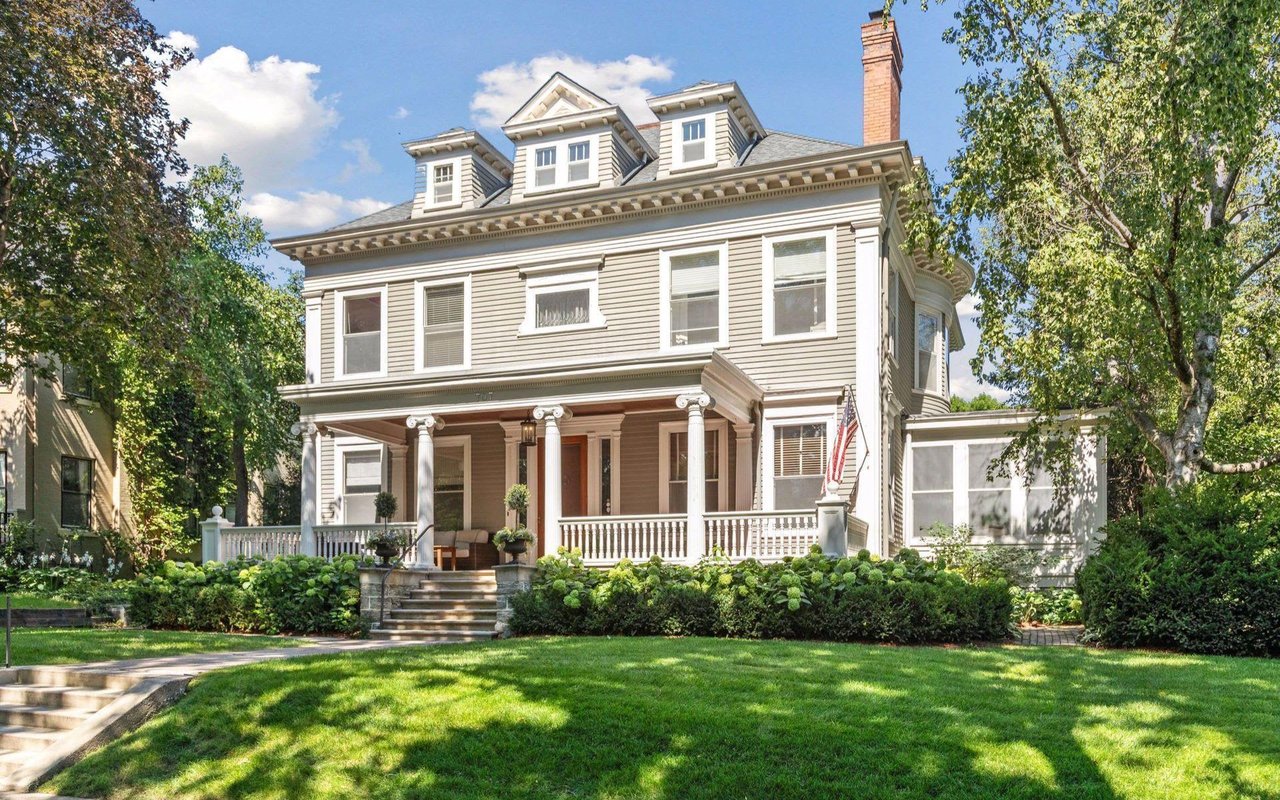
In a St. Paul home with original architectural details, the setting is a backdrop worth showing off. Make sure the table is completely set before guests arrive.
In a St. Paul home with original architectural details, the setting is a backdrop worth showing off. Make sure the table is completely set before guests arrive.
The Physical Details That Shape a Dinner Party's Atmosphere
- Lighting adjusted before guests arrive: candles lit, lamps on low, overhead fixtures dimmed or off in the dining room
- A table set completely with folded napkins, water poured, and a centerpiece low enough for conversation across the table
- Room temperature calibrated for a full table; St. Paul winters and summers both require thinking about how cooking will shift a dinner space
- Music at a level that fills silence without competing with conversation
Build a Guest List With Intention
The food and setting create the conditions for a great dinner party, but the guest list determines whether it actually becomes one. The best dinner parties mix people who know each other with people meeting for the first time. Eight is the ideal number for a seated dinner, being large enough that conversation can vary but small enough that the table feels like a single gathering.
In St. Paul, where neighborhoods like Merriam Park, Mac-Groveland, and Crocus Hill have strong community identities, dinner parties often serve a connective function, introducing neighbors or maintaining the friendships that make city life rich.
In St. Paul, where neighborhoods like Merriam Park, Mac-Groveland, and Crocus Hill have strong community identities, dinner parties often serve a connective function, introducing neighbors or maintaining the friendships that make city life rich.
Guest List Principles for How to Host a Dinner Party That Works
- Mix established friendships with newer acquaintances
- Eight guests is a reliable target for a seated dinner
- Consider conversation energy when assembling a table, not just social connections
- Send invitations at least two weeks out and confirm attendance the week before to finalize the menu and seating
FAQs
How far in advance should dinner party preparation begin?
The most effective approach is to plan the menu about a week out, shop for local and specialty ingredients the day before or morning of, and complete the majority of cooking prep the evening before. Day-of preparation works best when limited to finishing touches and what the oven requires in the final hour. The less that needs to happen while guests are present, the smoother the evening runs.
What is the best number of courses for a home dinner party?
Three courses is the sweet spot for most home dinner parties: a first course guests arrive to, a main course served at the table, and a dessert that closes the evening. Four courses work with careful pacing and smaller portions. Five or more at home almost always means the host is spending too much time in the kitchen to fully enjoy the evening.
How should dietary restrictions be handled without overhauling the entire menu?
The most graceful approach is to ask about restrictions when extending the invitation, before the menu is finalized. One well-chosen modification — a vegetarian main option or a naturally allergen-free dessert — integrates smoothly into the evening without drawing attention. Last-minute adjustments made after the fact are almost always more disruptive than early planning.
Contact Sally English Today
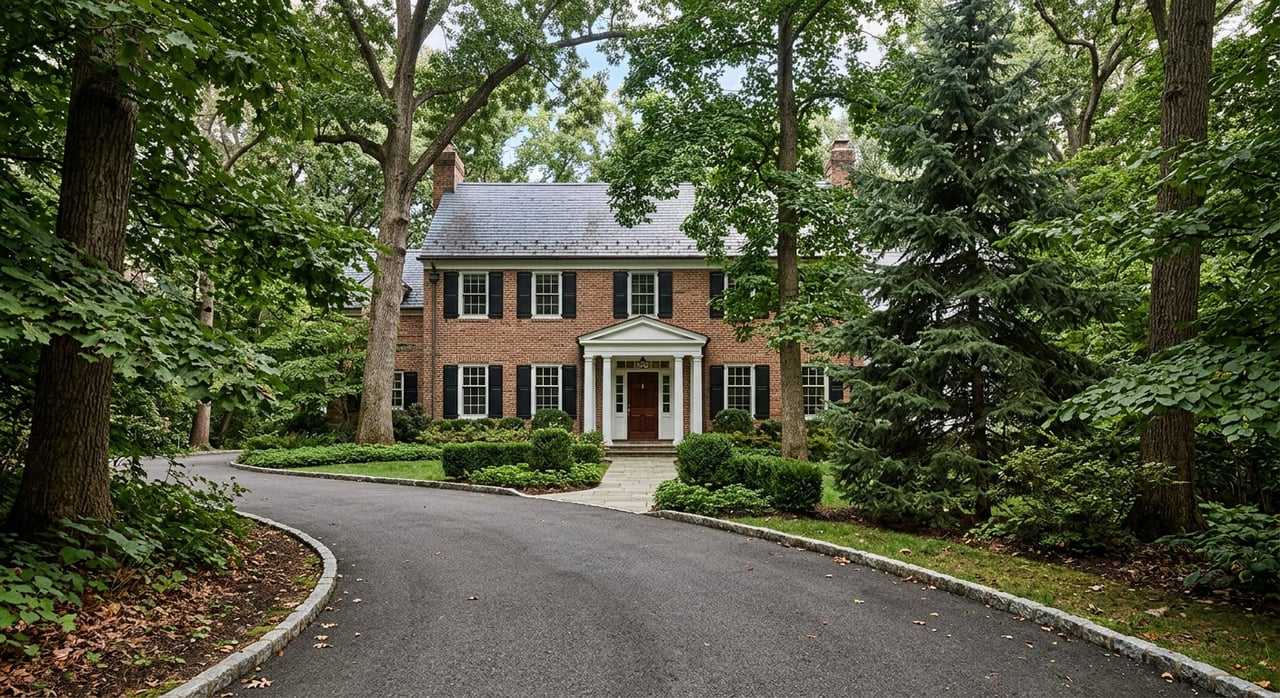
If you are in the market for a St. Paul home with the space and character to host the kind of gatherings these evenings deserve, I would love to help you find it. From the dining rooms of Summit Avenue to the entertaining spaces of Highland Park and beyond, I know this market and what it offers.
Reach out to me, Sally English, to start the conversation about finding your next home in St. Paul.
Reach out to me, Sally English, to start the conversation about finding your next home in St. Paul.