By Sally English
Most first-time buyers assume the hardest part of buying a home is finding one they love. In my years working with buyers across Saint Paul, that part is usually the easy one. Contracts, inspections, and closing costs are what trip homebuyers up once an offer gets accepted. Knowing the next steps before you sign anything changes how confident you’ll feel at the closing table.
Key Takeaways
- Learn how much home you can realistically afford before you start touring listings.
- Discover which Saint Paul neighborhoods fit different budgets and lifestyles.
- Find out which contract terms and contingencies protect you as a buyer.
- Understand which closing costs to budget for before you sign anything.
Know Your Numbers Before You Look
Saint Paul's market moves quickly, especially in popular pockets like Highland Park and Mac-Groveland. Getting pre-approved before touring a single home puts buyers in a stronger position the moment they find one worth pursuing.
What Lenders Review Before Approving You
- Credit history and current credit score, including any recent inquiries
- Income documentation and employment history going back at least two years
- Existing debt compared to monthly income, often called the debt-to-income ratio
- Available funds for a down payment along with cash reserves after closing
- Any recent large deposits or withdrawals showing up in bank statements
A pre-approval letter signals to sellers that a buyer is ready to move, which matters in a market where a well-priced listing near Crocus Hill or Merriam Park can draw multiple offers within days.
Build the Right Team Around You
Buying a first home alone, without the right people in place, is one of the most common mistakes I see. A strong team catches problems long before they become expensive ones.
Who You'll Want in Your Corner
- A real estate agent who knows Saint Paul's neighborhoods and current pricing trends
- A mortgage lender who communicates clearly and closes loans on time
- A licensed home inspector who checks the property's condition in detail
- A closing agent or real estate attorney to review final paperwork
- An insurance agent who can quote homeowner's coverage before closing day
Each of these people plays a specific role, and none of them should be chosen at random. Referrals from someone who has closed on a Saint Paul home recently tend to be worth more than online reviews.
Understand What You're Signing Before You Sign It
The purchase agreement is where most first-time buyers get nervous, and for good reason. It's a legally binding document with several deadlines that are easy to miss on a first read.
Key Terms Worth Reading Twice
- The purchase price and exactly what's included in the sale
- Earnest money amount and how that deposit is protected
- Inspection contingency terms, including deadlines for response
- Financing contingency language tied to final loan approval
- Closing date and which party pays which closing costs
Buyers who take the time to ask questions about these terms before signing rarely regret it later. Buyers who skim through them under pressure to close quickly sometimes do.
Search With a Strategy in Saint Paul
Saint Paul isn't one market. It's dozens of smaller ones, each with its own price range, housing stock, and pace.
Neighborhoods First-Time Buyers Often Consider
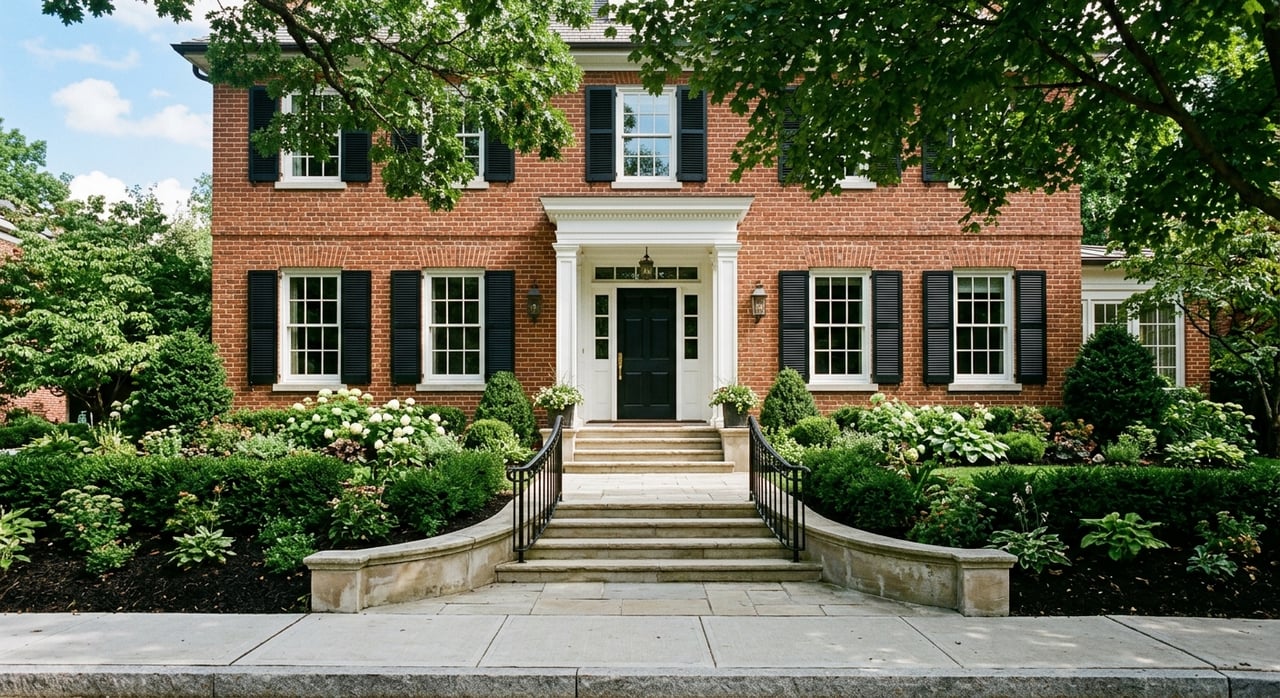
- Highland Park, known for its parks, golf course, and established housing stock
- Mac-Groveland, close to Macalester College and the shops along Grand Avenue
- Como Park, near the Como Park Zoo, Conservatory, and lakeside walking paths
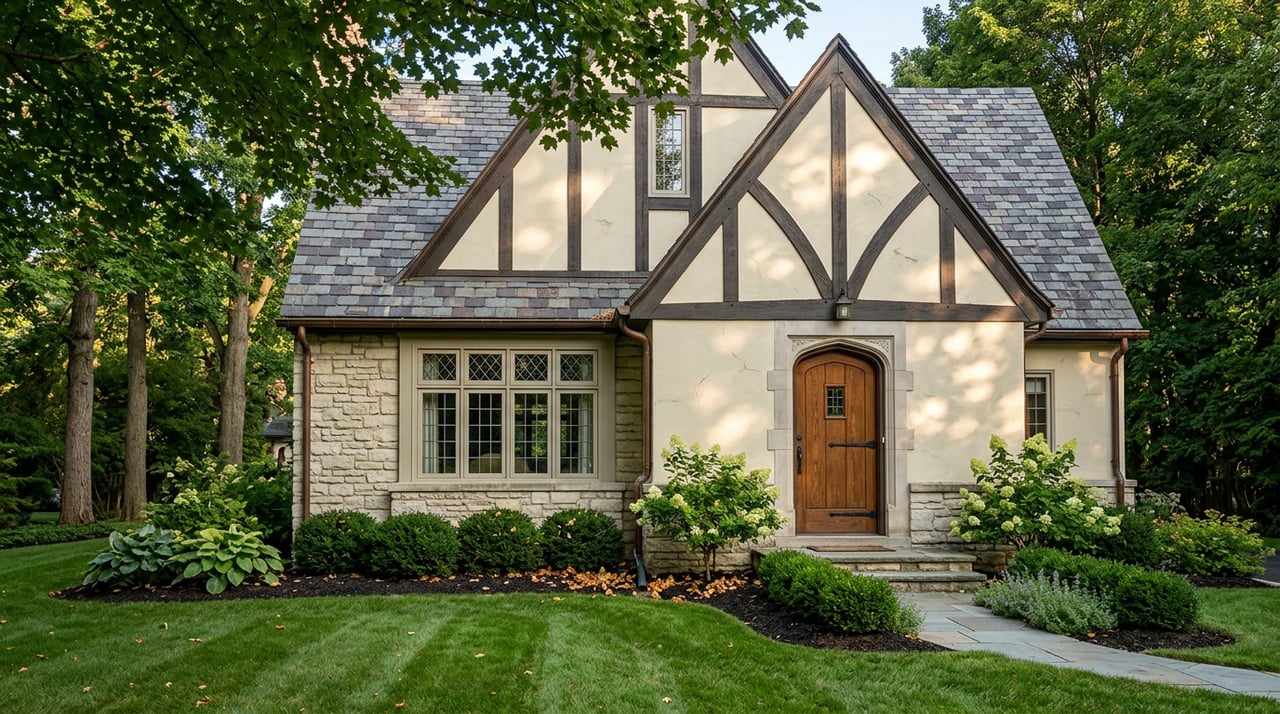
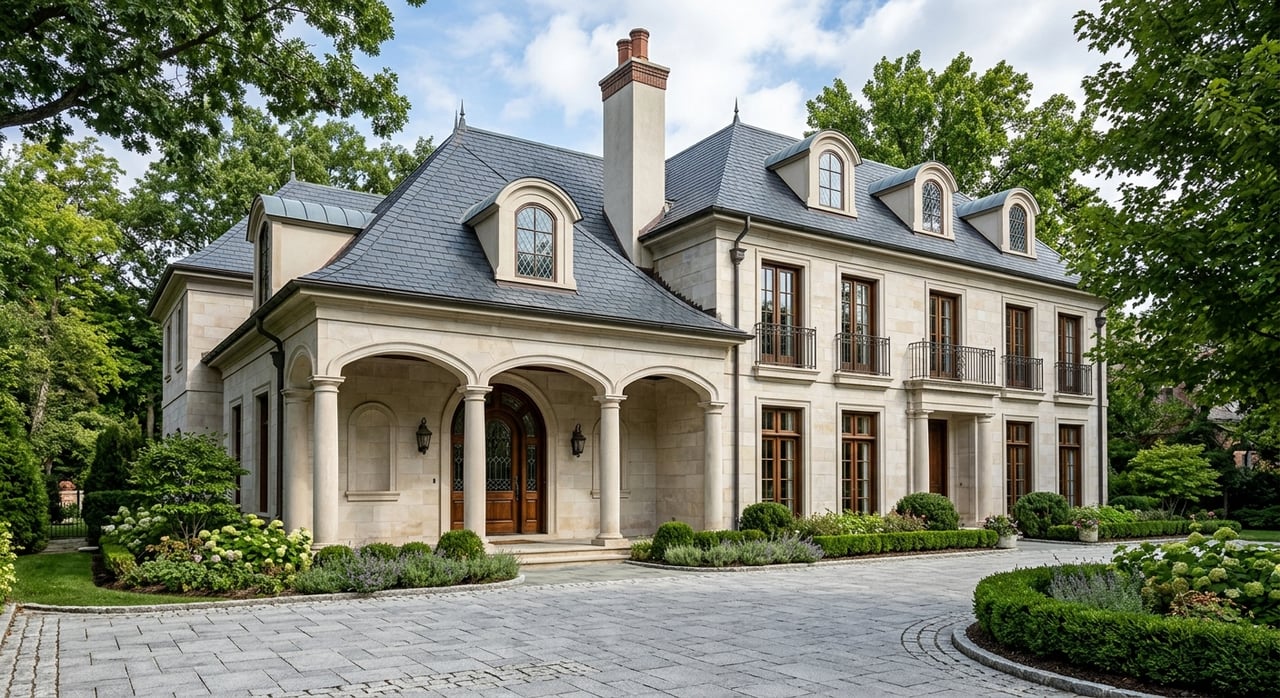
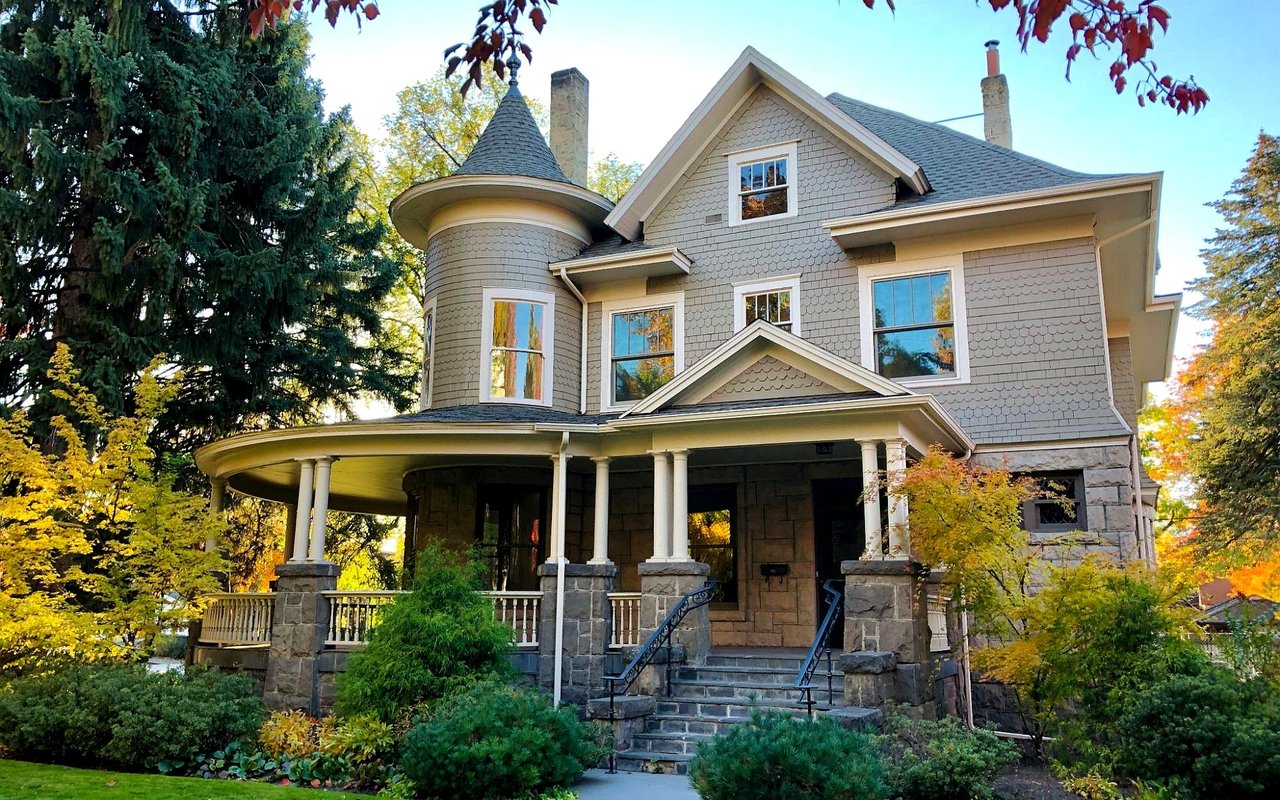
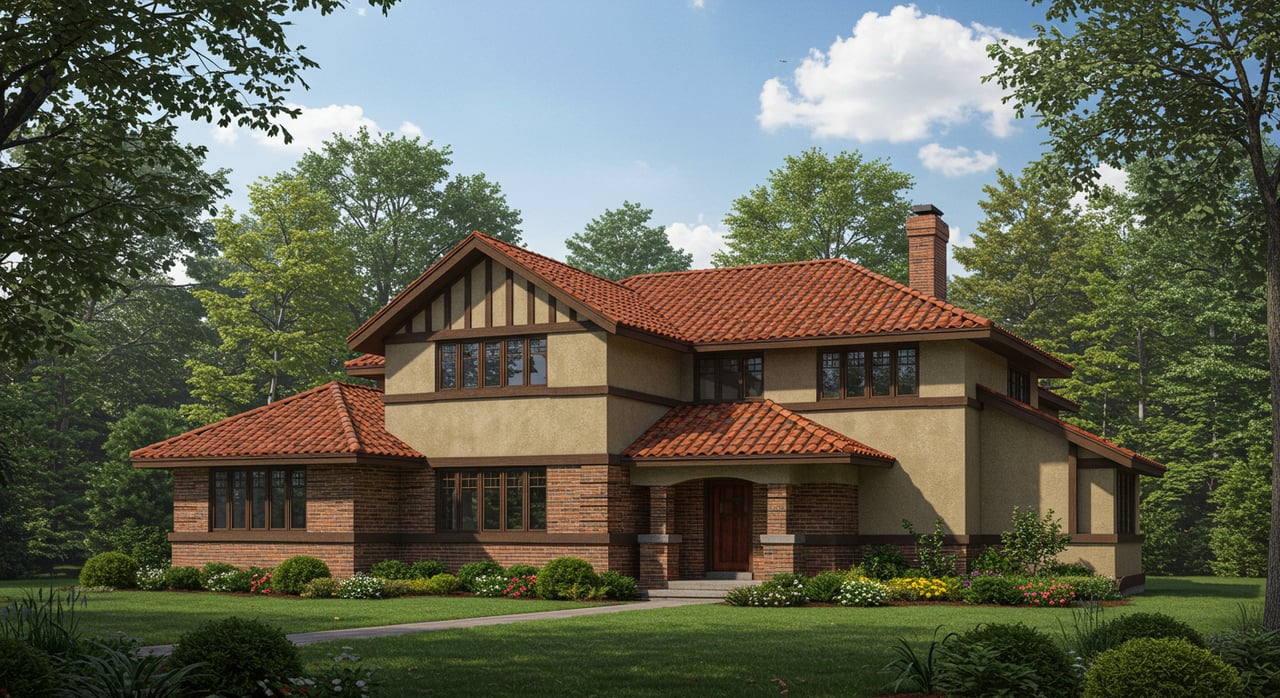
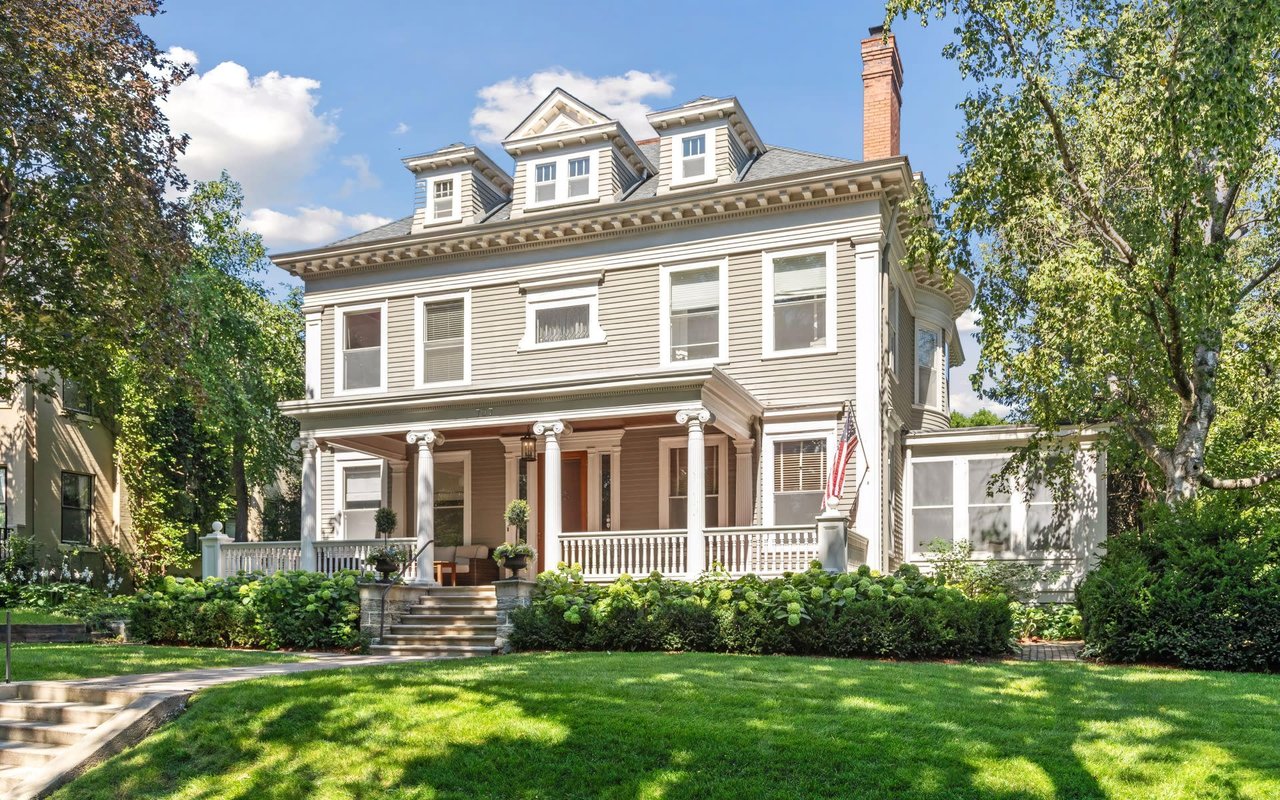
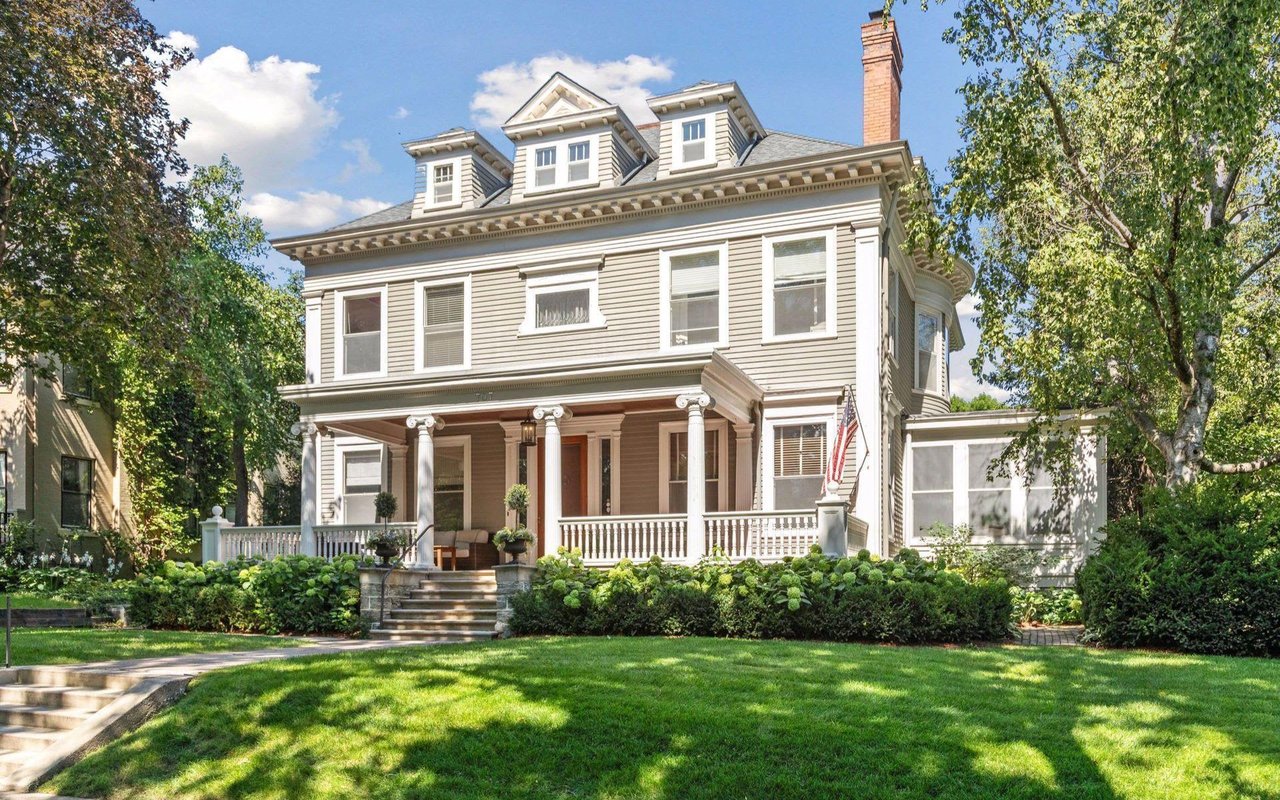
- Summit Hill and Crocus Hill, home to historic Victorian and Tudor architecture
- Payne-Phalen and Frogtown, often more attainable for first-time buyer budgets
Matching a neighborhood to a lifestyle and a budget narrows the search fast. It also keeps buyers from falling for a house that doesn't fit their actual life.
Budget for the Full Cost of Homeownership
Mortgage payments are only part of what a home costs each month. First-time buyers who plan for these expenses upfront rarely feel blindsided later.
Costs Beyond the Mortgage Payment
- Ramsey County property taxes, which vary by neighborhood and assessed home value
- Homeowner's insurance premiums, which can shift based on the home's age and roof condition
- A maintenance reserve set aside for repairs that come up during the first year
- Utility costs, which tend to run higher in Saint Paul's older housing stock
- HOA dues, if the property sits within a townhome or condo association
Building these costs into a monthly budget from the start prevents surprises once the keys are in hand. It also makes comparing two similar listings far more accurate than price alone.
Frequently Asked Questions
How much do I need for a down payment in Saint Paul?
It depends on the loan program, but some first-time buyer loans allow as little as three-percent down. A larger down payment can lower the monthly payment and may remove the need for mortgage insurance. Reviewing down payment assistance options with a lender early can also open up programs many buyers don't know exist.
What closing costs should I expect as a first-time buyer?
Closing costs in Minnesota typically run between two and four percent of the purchase price. These usually cover lender fees, title work, recording fees, and prepaid property taxes or insurance. Getting an early estimate from your lender helps avoid surprises at the closing table.
How long does the home buying process usually take?
From an accepted offer to closing, most Saint Paul transactions take around 30 to 45 days. Financing timelines and inspection results can shift that window in either direction. Buyers who stay organized with paperwork tend to move through the process with fewer delays.
Contact Sally English Today
First-time buyers in Saint Paul do best when they have someone translating the process in real time, not after a decision has already been made. My work centers on walking buyers through each step, from pre-approval to the final signature, so nothing feels like a surprise partway through. Local knowledge of neighborhoods like Highland Park, Como Park, and Crocus Hill makes that guidance more specific and more useful than generic advice.
If a home in Saint Paul is on your radar, connect with me, Sally English, today to talk through your budget, your must-haves, and the neighborhoods worth touring first. Getting the right guidance from the start makes the entire buying process feel far less overwhelming.
If a home in Saint Paul is on your radar, connect with me, Sally English, today to talk through your budget, your must-haves, and the neighborhoods worth touring first. Getting the right guidance from the start makes the entire buying process feel far less overwhelming.