If you own a luxury estate in Sunfish Lake, pricing is not a simple matter of checking average home values and adding a premium. This is a tiny, highly specific market where acreage, privacy, site utility, and architectural quality can move the number in meaningful ways. If you want to price with confidence instead of guesswork, it helps to understand what buyers are actually measuring today. Let’s dive in.
Why Sunfish Lake Pricing Is Different
Sunfish Lake is not a high-volume market. It is a small residential city of about 1.7 square miles with an estimated 519 residents in 2024, and the city states that, aside from four churches, the entire community is zoned single-family residential with no commercial development.
That matters because low turnover changes how pricing works. In a market with very few listings and very few closed sales, each estate tends to stand on its own, and each pricing decision requires more judgment than a typical suburban comparison would.
As of March 2026, Realtor.com showed five homes for sale in Sunfish Lake and no rentals. Redfin’s three-month snapshot ending May 2026 showed just one closed sale, a median sale price of $2.0 million, 82 days on market, and an 8.9% discount to list, but in a sample this small, those numbers are best used as directional context rather than hard pricing rules.
Start With True Comparable Sales
In Sunfish Lake, a sound pricing strategy starts with the most recent truly comparable closed sales. Countywide and statewide numbers can help you understand the broader environment, but they are not strong substitutes for estate-level comp selection in a market this small.
Dakota County’s median sale price over the three months ending May 2026 was $403,241, with a 21-day median time on market and a 100.5% sale-to-list ratio. Minnesota Realtors reported a statewide median sales price of $362,495 and 54 days on market in May 2026, which shows just how different Sunfish Lake is from typical county and state pricing bands.
The key is not to ask, “What are homes worth in Dakota County?” The better question is, “Which recent Sunfish Lake estate would a buyer compare my property to, and why?”
What Buyers Value in Sunfish Lake Estates
Acreage Alone Is Not Enough
Sunfish Lake’s R-1 zoning requires at least 2.5 net acres, 200 feet of lot width, 100-foot front setbacks, 50-foot interior side setbacks, 50-foot rear setbacks, and a maximum lot coverage of 10%. The ordinance also allows the city to limit structure placement to preserve trees, topography, and views.
That means raw acreage is only part of the story. Buyers are often paying for the usable and buildable parts of the site, not just the total lot size shown on paper.
A property with more functional outdoor space, better placement options, and stronger privacy may justify a higher price than a larger parcel with more constraints. In Sunfish Lake, lot utility is often just as important as lot size.
Privacy and Natural Setting Matter
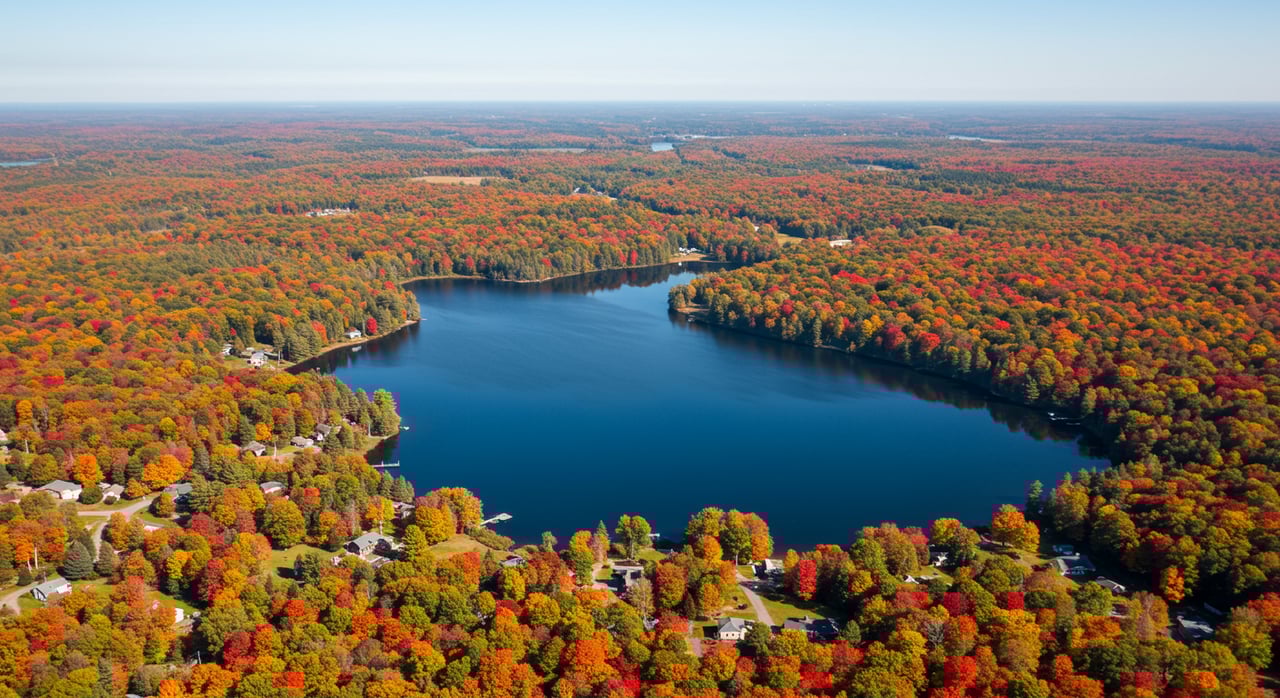
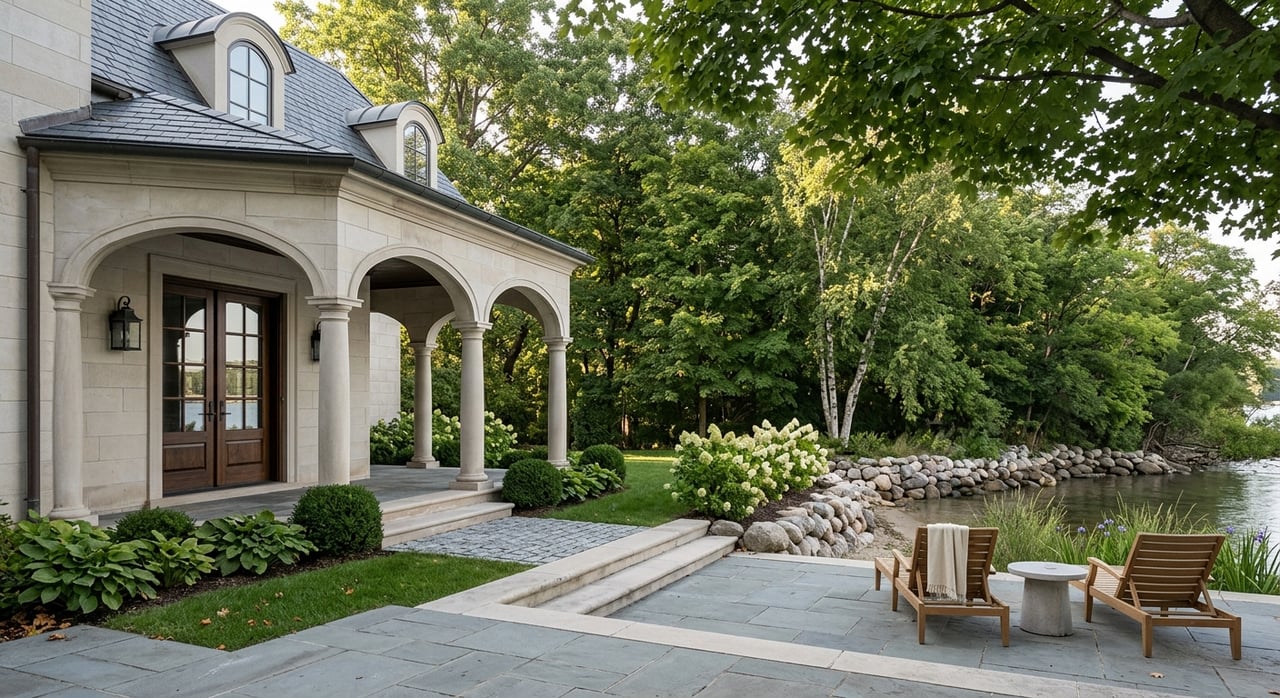
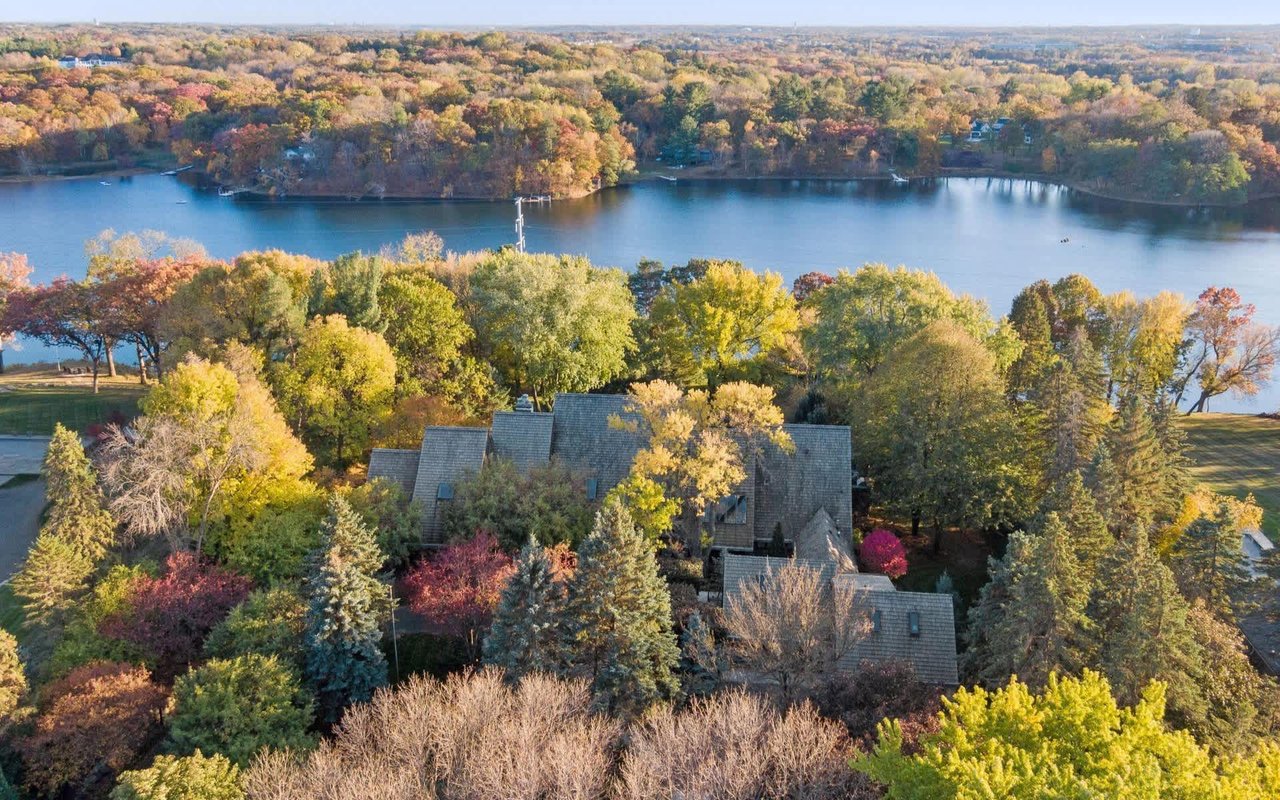
The city describes Sunfish Lake as a heavily wooded moraine landscape with slopes, wetlands, and three small private lakes. It also notes that properties rely on wells and septic systems, since there is no city sewer or water.
For pricing, those features are not background details. They affect how buyers evaluate privacy, maintenance, buildability, and long-term usability.
If your property has mature tree cover, natural screening, and a setting that feels protected and functional, those traits can support value. If slopes, wetlands, or infrastructure limitations reduce use or future flexibility, buyers may factor that in during negotiation.
Shoreland Rules Shape Value
Sunfish Lake’s shoreland overlay adds another layer of pricing complexity. The city applies a 2.5-acre buildable lot-area standard above ordinary high water mark, 200-foot building setbacks, a 30% impervious-surface cap, and limits on vegetation clearing in shore and bluff impact zones.
For sellers, this means waterfront or water-access appeal is not just about beauty. The actual utility of the site, the rules that apply, and the way the property can be used all influence price.
A lake-oriented parcel with practical access and strong privacy may command a premium. A parcel with more restrictions may still be attractive, but it should be priced with those constraints in mind.
Architecture and Condition Carry Weight
In this market, architecture can be a meaningful pricing variable when the design has recognized provenance and the home has been maintained or updated in a thoughtful way. A recent example is 260 Salem Church Rd, which was marketed as an Edwin Lundie estate.
That kind of pedigree can matter, but only when the architecture, condition, and modernization work together. Buyers may respond to a compelling architectural story, yet they still expect the home to function well for modern living.
If your estate has notable design, renovation quality, or distinctive craftsmanship, those features should be documented clearly. In a selective luxury market, storytelling works best when it is supported by facts.
Recent Sales and What They Suggest
Public sale examples in Sunfish Lake show a wide pricing range, even among large estate properties. That spread is one of the clearest signs that square footage alone does not determine value here.
Four Recent Reference Points
- 260 Salem Church Rd sold on 5/1/26 for $2.05 million. It spans 6,593 square feet on 4.49 acres and works out to about $311 per square foot and $457,000 per acre.
- 295 Salem Church Rd sold on 5/30/24 for $2.694775 million. At 11,928 square feet on 3.41 acres, it equates to roughly $226 per square foot and $790,000 per acre.
- 45 Windy Hill Rd sold on 1/10/25 for $2.335 million. Zillow describes it as 6,227 square feet on 3.8 acres with waterfront or deeded-access features and a dock, at about $375 per square foot.
- 2122 Delaware Ave sold on 12/22/25 for $1.29 million. It includes 4,888 square feet on 2.69 acres, plus updates and a pool or hot tub, which comes to about $263 per square foot and $478,000 per acre.
Taken together, these examples range from about $1.29 million to nearly $2.7 million across estates between roughly 2.5 and 4.5 acres. The numbers point to an important truth: buyers are pricing the whole package, not just the home’s size.
Why Price Per Square Foot Falls Short
Price per square foot can be a useful checkpoint, but it is not a complete pricing strategy in Sunfish Lake. For example, 295 Salem Church Rd sold for a lower price per square foot than 45 Windy Hill Rd, even though it had much more interior space.
That tells you buyers are weighing more than scale. Features like waterfront utility, privacy, lot function, improvements, and the overall quality of the experience can carry more weight than a simple size metric.
This is why pricing luxury estates by formula can be risky. In Sunfish Lake, thoughtful adjustment matters more than broad averages.
How Sellers Should Price in 2026
Expect Selective Buyers
Even in a high-end market, buyer discipline still matters. Minnesota Realtors reported more listings and a return toward more historical pricing behavior in early 2026, while statewide closed sales above $1 million were down 13.7% in February 2026.
Dakota County data also showed that 21.5% of homes had price drops. For Sunfish Lake sellers, the lesson is clear: affluent buyers may still have strong purchasing power, but they are likely to scrutinize value and resist pricing that feels aspirational without support.
Price for Credibility, Not Hope
The right list price should reflect what a well-informed buyer can justify after comparing your property to the strongest available sales. That means adjusting for site utility, privacy, condition, architectural significance, and any shoreline or access rights.
Overpricing can create friction in a market where buyers are already selective. A disciplined pricing strategy tends to protect negotiating position better than a high starting number that invites doubt.
Anticipate Questions Before They Become Objections
In Sunfish Lake, strong pricing is closely tied to strong documentation. Sellers are better positioned when they can clearly explain acreage, buildable area, recent improvements, and the features that separate their property from the last comparable sale.
Helpful materials may include:
- Survey information
- Site plans
- Renovation history
- Details on well or septic updates, if available
- Clear notes on privacy, access, and functional outdoor space
This kind of preparation can make a luxury listing feel more credible from the start. In a small estate market, clarity often supports value.
A Smarter Luxury Pricing Approach
A successful pricing strategy for Sunfish Lake luxury estates should balance data with judgment. You need the most relevant closed sales, but you also need a clear understanding of what makes your property more usable, more private, more distinctive, or more constrained than the alternatives.
That is where careful analysis matters. In a micro-market with limited supply and highly individual homesites, the best price is rarely the simplest number. It is the number that aligns your estate’s real strengths with the expectations of today’s buyer.
If you are considering selling in Sunfish Lake, a tailored pricing review can help you avoid costly guesswork and position your property with confidence. To discuss a discreet, data-driven strategy for your estate, connect with Sally English.
FAQs
How should you price a luxury estate in Sunfish Lake, MN?
- Start with the most relevant recent Sunfish Lake closed sales, then adjust for lot utility, privacy, condition, architectural pedigree, and any waterfront or access features.
Why is pricing a Sunfish Lake home different from pricing other Dakota County homes?
- Sunfish Lake is a very small, low-inventory estate market with larger lots, limited supply, and highly property-specific value drivers that do not track closely with countywide median prices.
Does acreage increase value for every Sunfish Lake estate?
- Not automatically. Buyers often place more weight on usable and buildable site area, privacy, and how the land functions within local zoning and setback rules.
Do waterfront features affect Sunfish Lake home prices?
- Yes, public sale examples suggest that waterfront utility, deeded access, and related site features can support stronger pricing when they add meaningful use and appeal.
What documents help support a Sunfish Lake listing price?
- Surveys, site plans, renovation records, and clear information about acreage, buildable area, and property features can help answer buyer questions early and strengthen pricing credibility.