If you want a close-in Twin Cities location without jumping fully into St. Paul proper, West St. Paul deserves a serious look. For many buyers, the appeal is simple: established blocks, practical access, and a housing stock that often offers more character and renovation potential than newer suburban inventory. If you are weighing convenience, upkeep, and long-term value, this guide will help you understand what West St. Paul’s established neighborhoods really offer. Let’s dive in.
Why West St. Paul Stands Out
West St. Paul is a first-ring suburb next to St. Paul, and it functions as a full-service community with 15 parks, an indoor ice arena, a community pool, the Regional Athletics Center dome, and more than 600 businesses. City planning documents describe it as a built-out, largely urbanized community where residential land is the dominant use. That matters because the experience of buying here is different from shopping in a newer edge suburb.
You are generally looking at an established-market environment rather than a new-construction one. The city’s 2040 profile shows a housing mix of about 51% single-family detached homes, 40% multifamily, 5% townhomes, and 4% duplex, triplex, or quad-style properties. For buyers, that means neighborhood character can shift from block to block, and it pays to compare each pocket carefully.
What the Housing Stock Means for Buyers
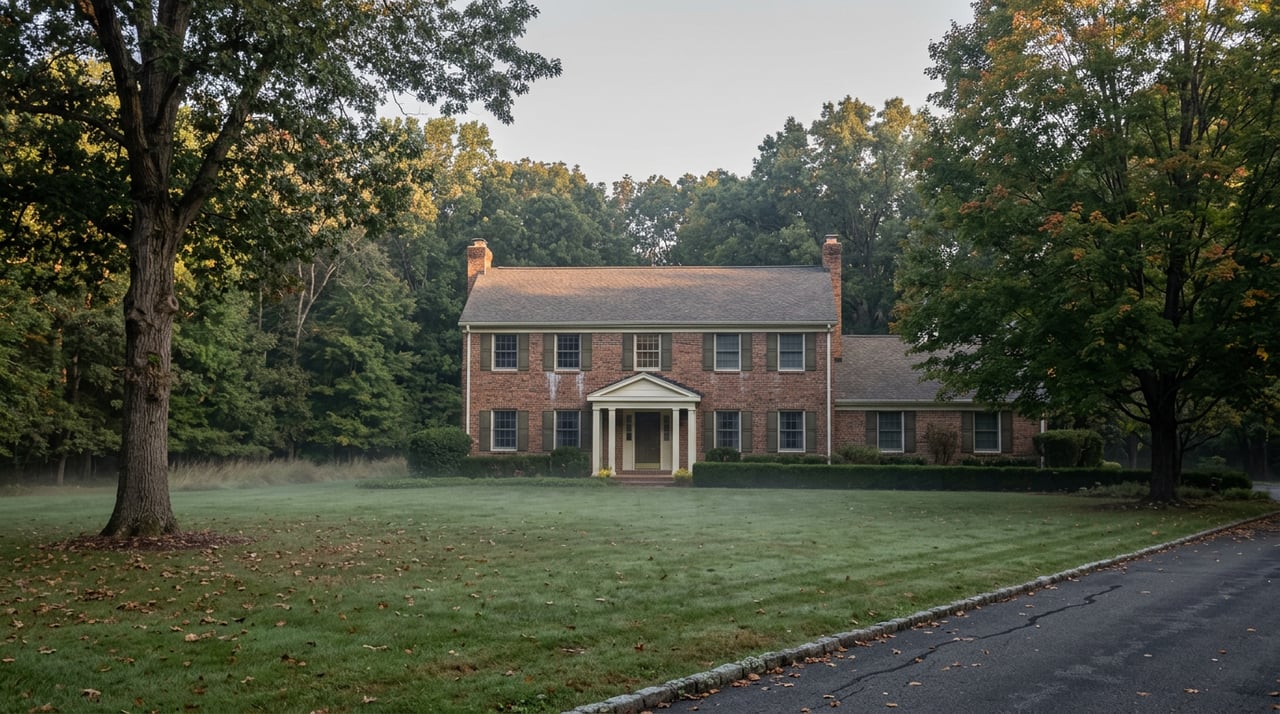
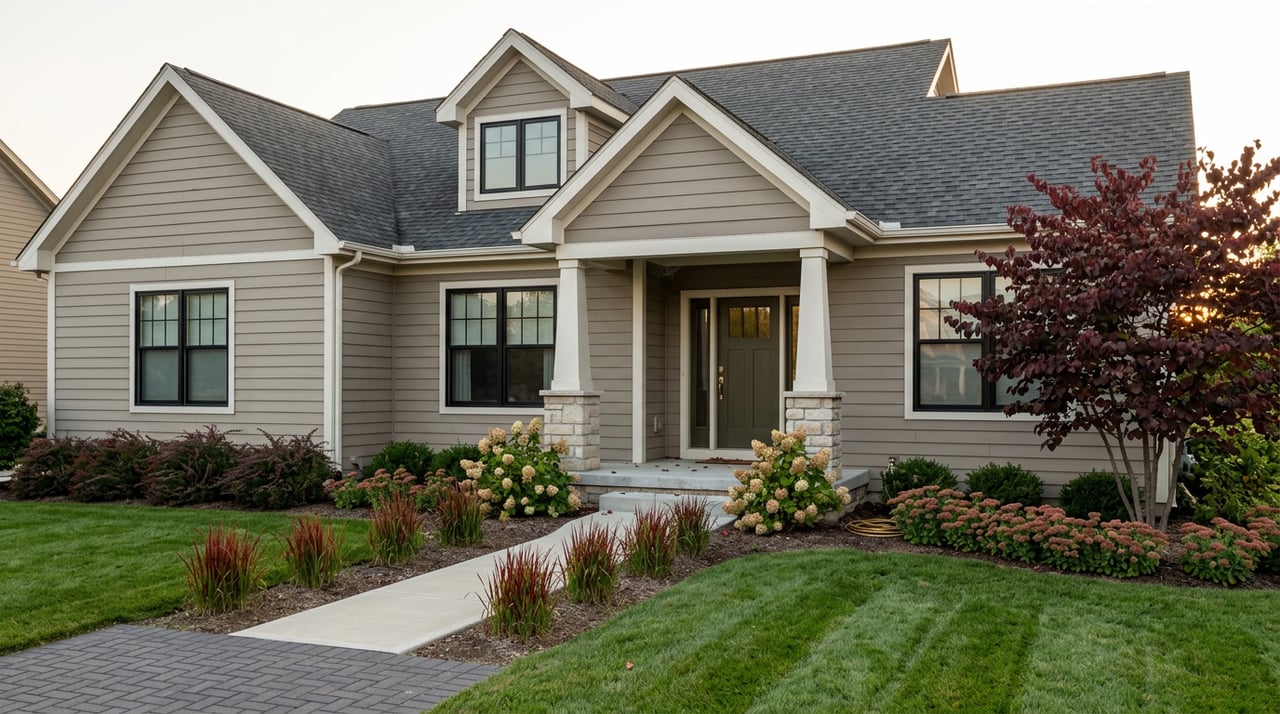
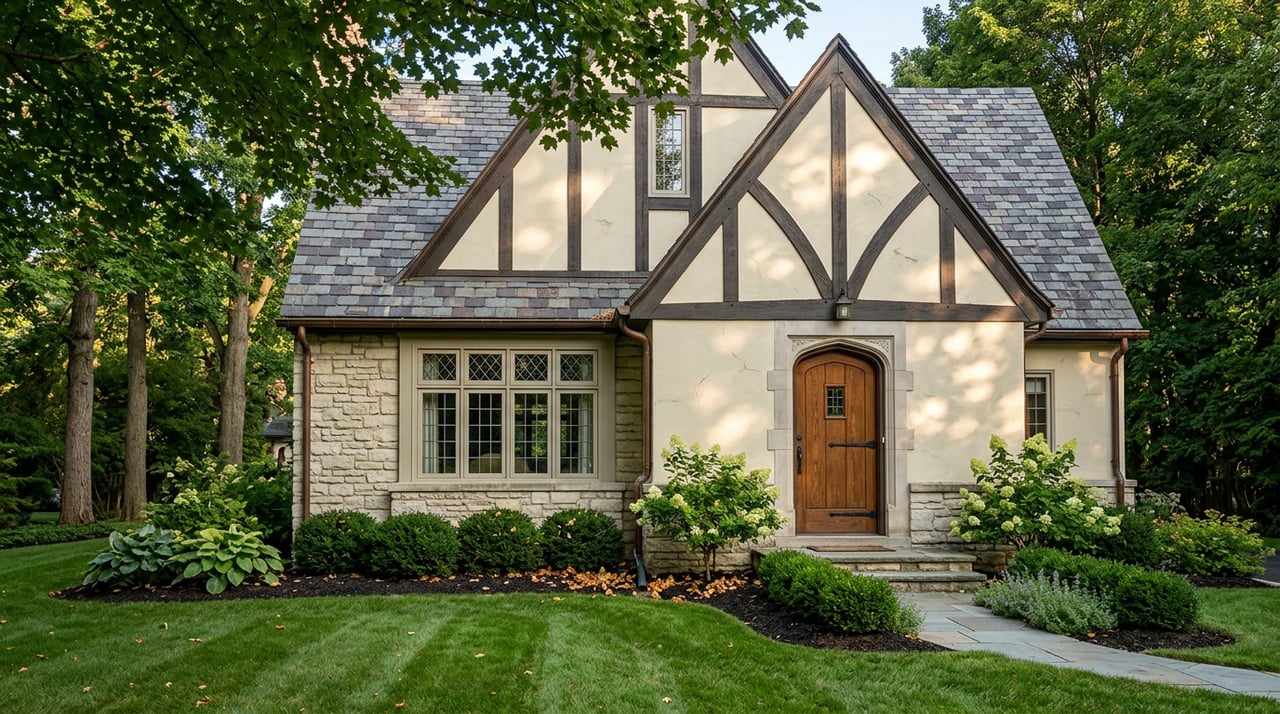
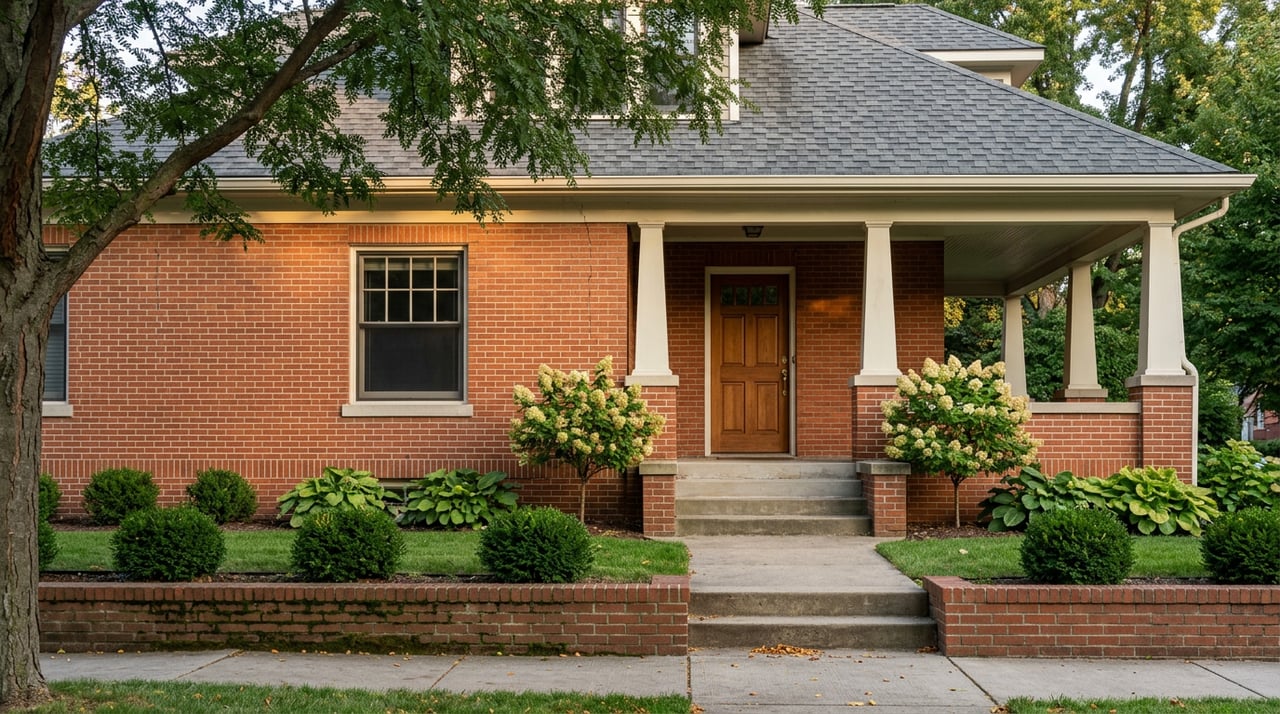
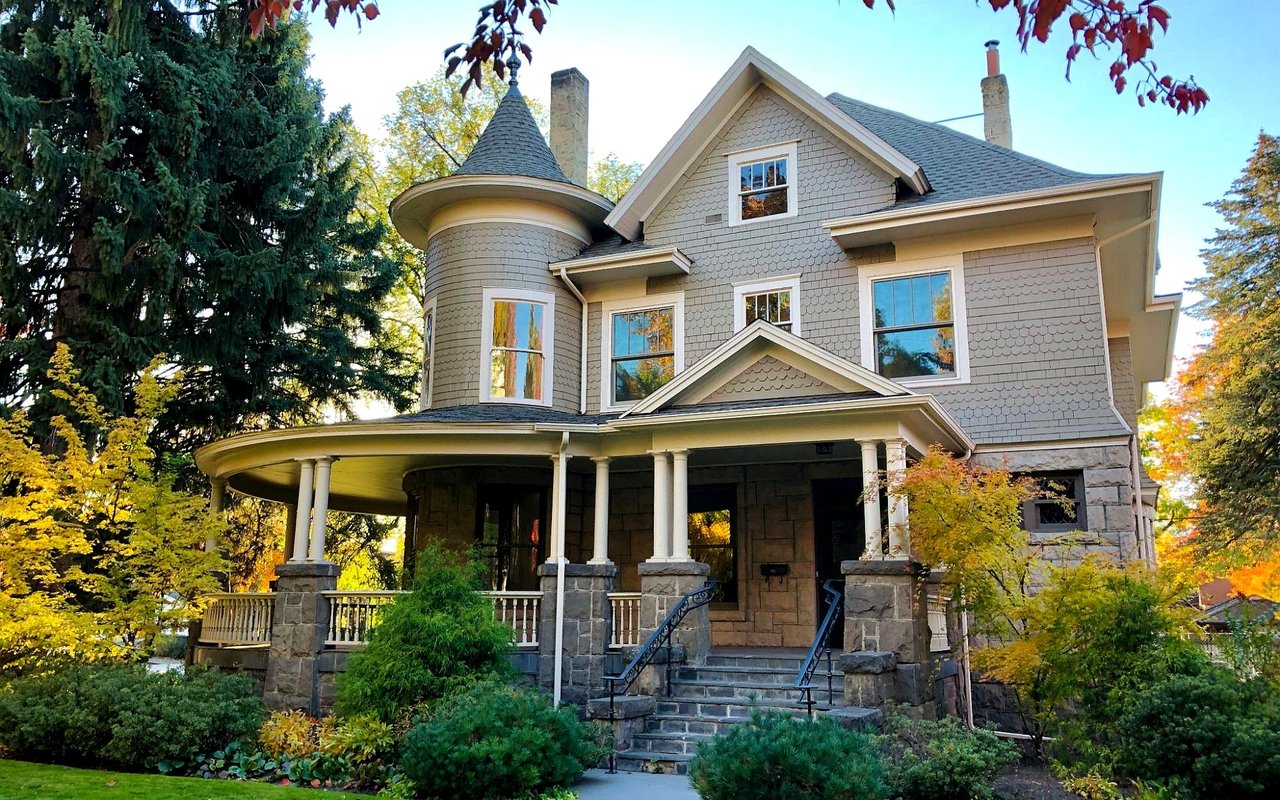
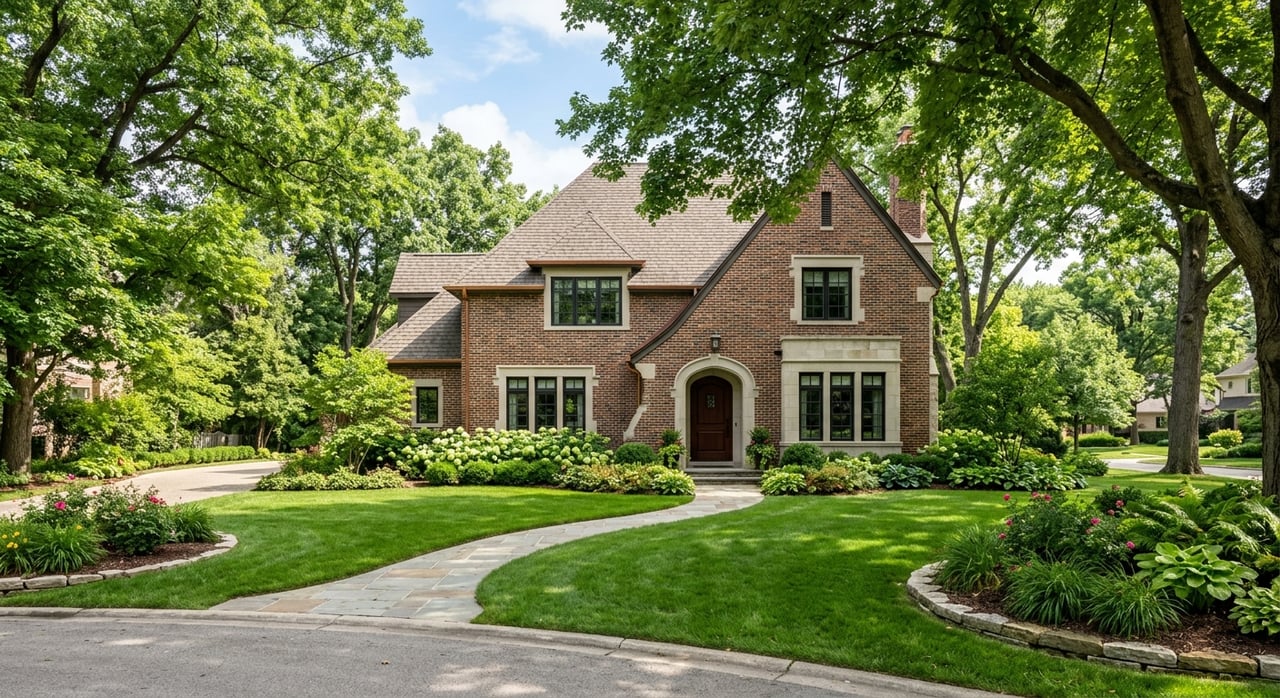
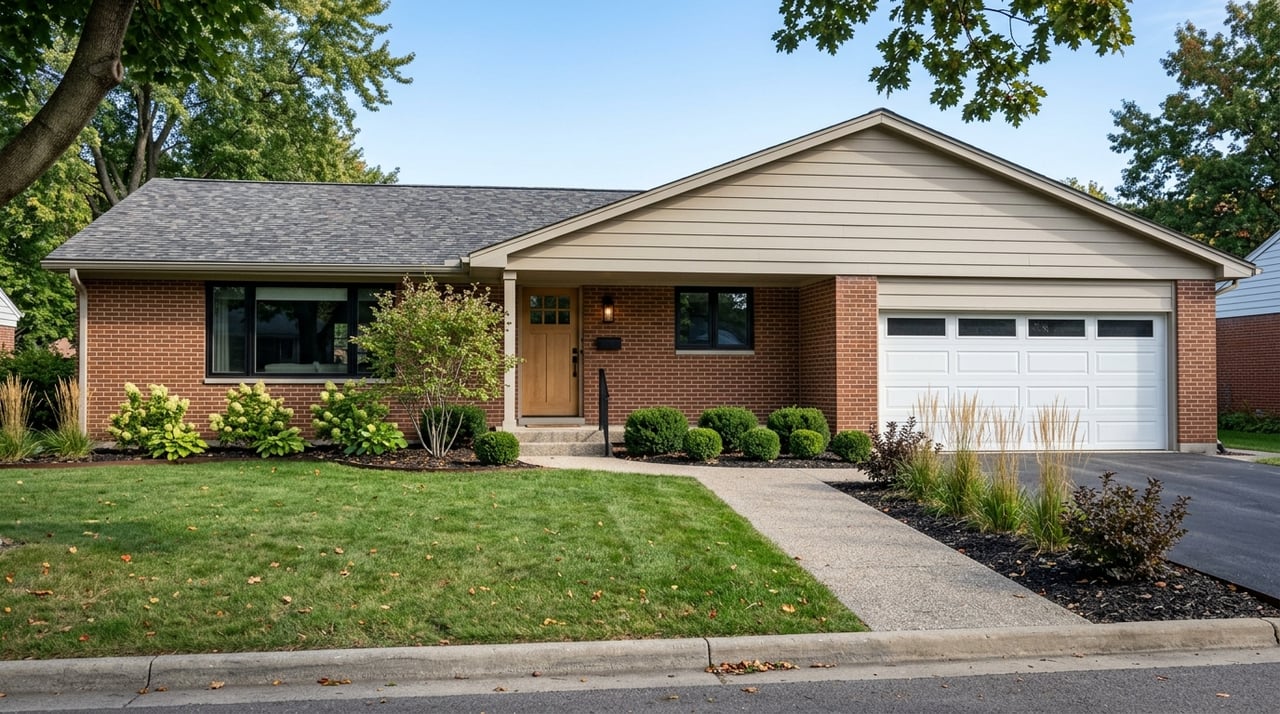
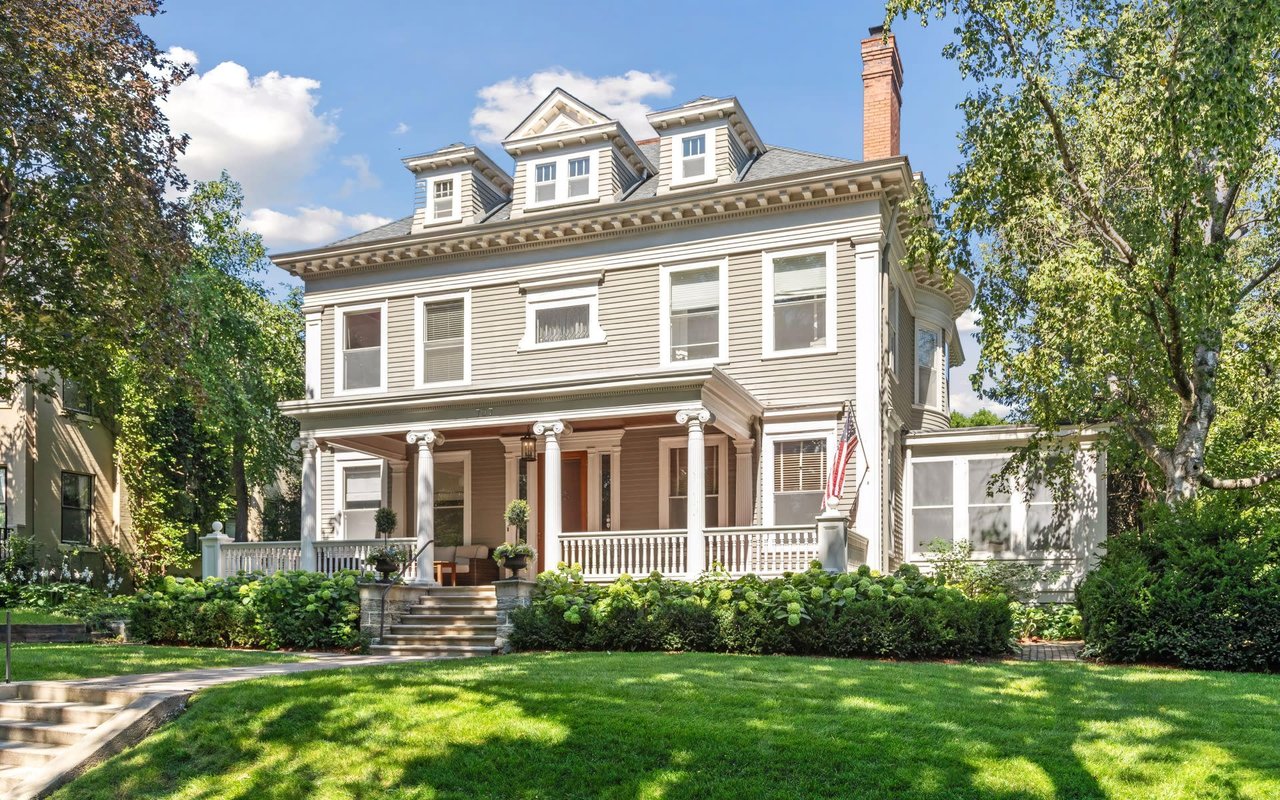
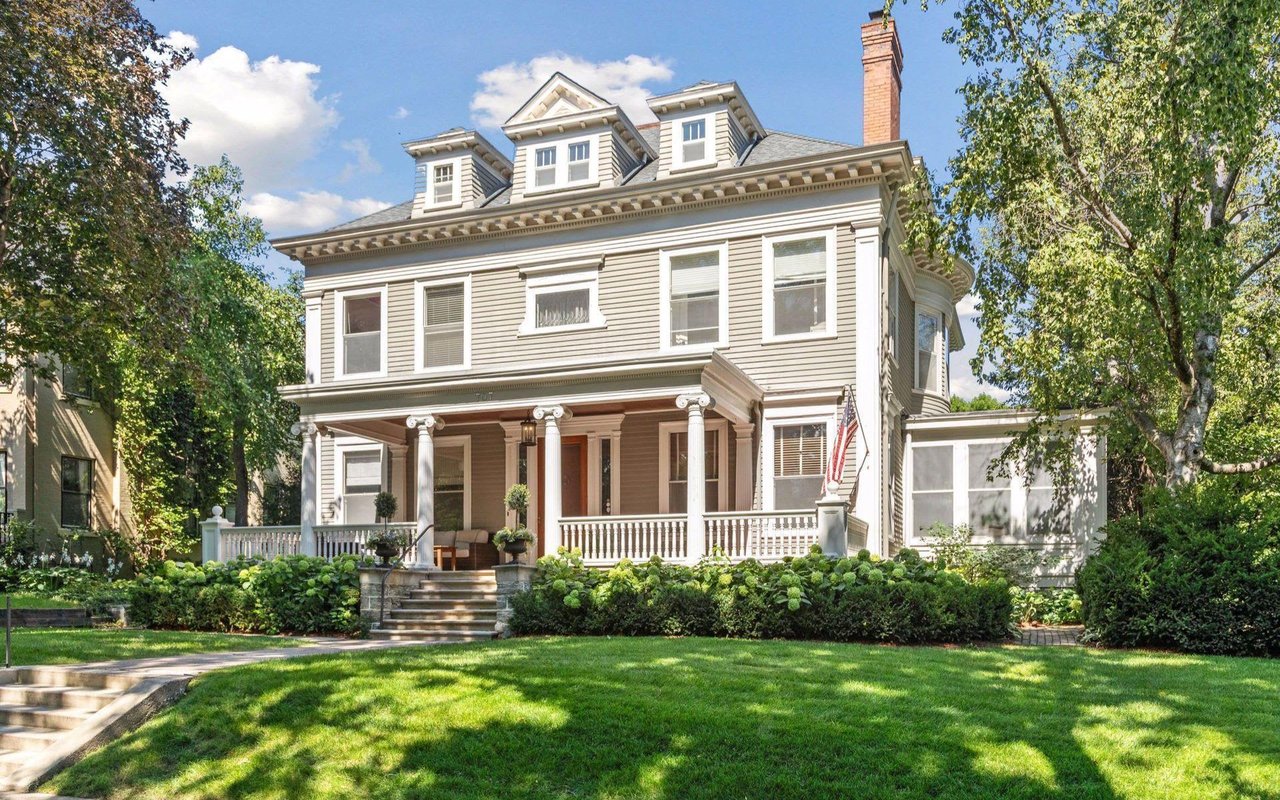
A large share of West St. Paul’s housing was built in the postwar decades. Less than one-fifth of the housing stock was built before 1950, and about three-fifths was built between 1950 and 1980. In practical terms, you will often find homes with mid-century roots, established yards, and layouts that may have been updated over time.
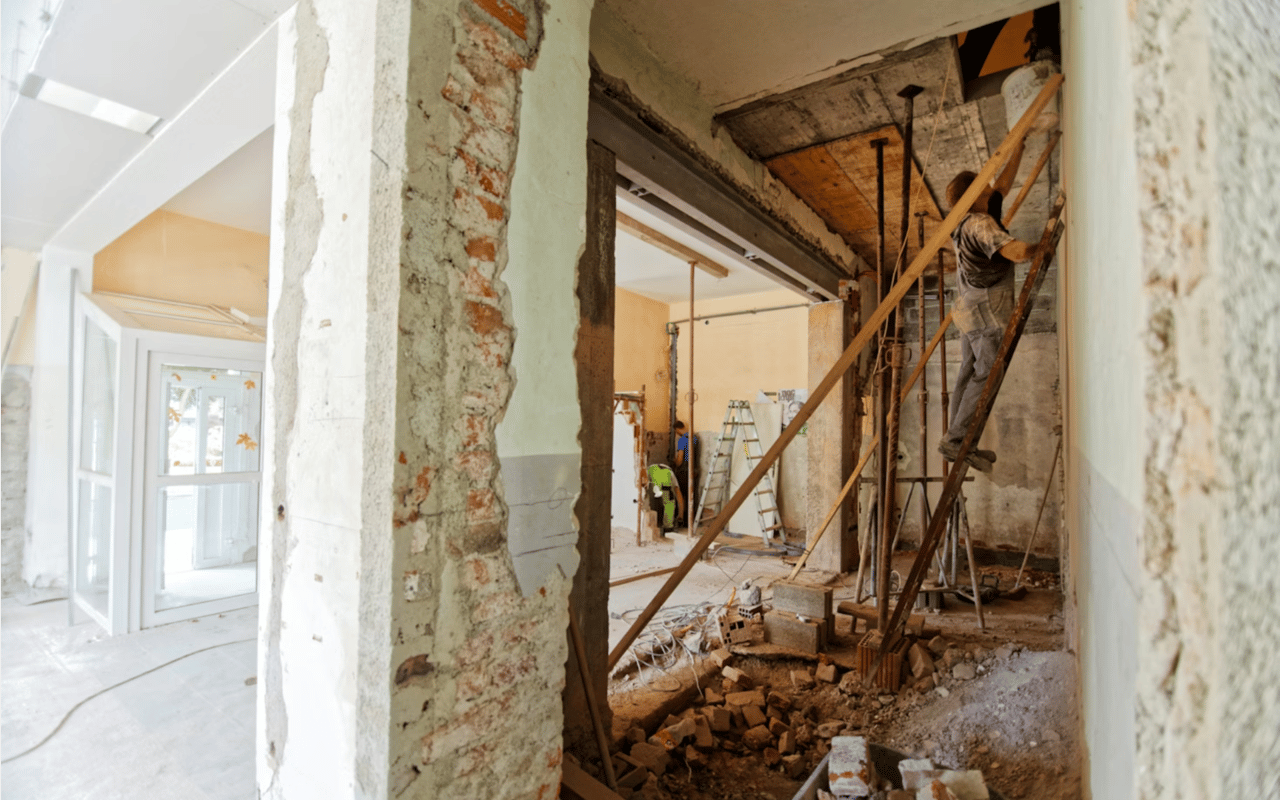
That age profile also means condition can vary widely. Some homes may be move-in ready, while others may need cosmetic updates, mechanical replacements, or future layout changes. In a built-out city like West St. Paul, two homes on nearby blocks can offer very different ownership experiences.
West St. Paul also sits in an interesting value position. In 2020 through 2024 data, the median value of owner-occupied homes was $301,300, compared with $381,000 in Dakota County overall and $294,500 in St. Paul. That supports West St. Paul’s appeal for buyers who want proximity and established neighborhoods without paying newer-suburb pricing across the board.
Established Neighborhood Tradeoffs
Every established neighborhood comes with a mix of benefits and responsibilities. In West St. Paul, the upside is often convenience, mature neighborhood fabric, and housing with personality. The tradeoff is that older homes and built-out lots usually require more careful due diligence.
If you are hoping for oversized lots, wide setbacks, or uniform newer construction, you may need to compare West St. Paul against farther-out Dakota County options. If your priorities lean toward easier access, traditional blocks, and homes with renovation upside, West St. Paul may be a better match. The right fit depends on how you weigh lifestyle against maintenance and future projects.
How Lots and Zoning Vary
One of the biggest mistakes buyers make in established neighborhoods is assuming every lot works the same way. In West St. Paul, lot size, width, height, and yard requirements vary by zoning district. The city has distinct districts for single-family, two-family, townhouse, multifamily, and mixed-use residential properties.
That means future plans should always be checked against the specific property, not just the neighborhood’s general look. If you are considering an addition, a larger garage, a fence, or another exterior improvement, the details of the lot and district matter. This is especially important in older neighborhoods where homes may predate current zoning rules.
The city’s subdivision standards also reflect a more traditional neighborhood pattern. Lots are expected to front publicly dedicated streets, and block layouts follow established urban-suburban conventions. For buyers, that often translates to a more connected street grid and a less uniform lot pattern than you might find in newer subdivisions.
Slopes, Drainage, and Site Questions
Topography is an important part of the conversation in West St. Paul. The city’s comprehensive plan notes significant steep slopes in parts of the community, including areas south of Signal Hills shopping center, around Marthaler and Garlough Parks, and in southwestern residential areas. If you are buying in or near those areas, site conditions deserve extra attention.
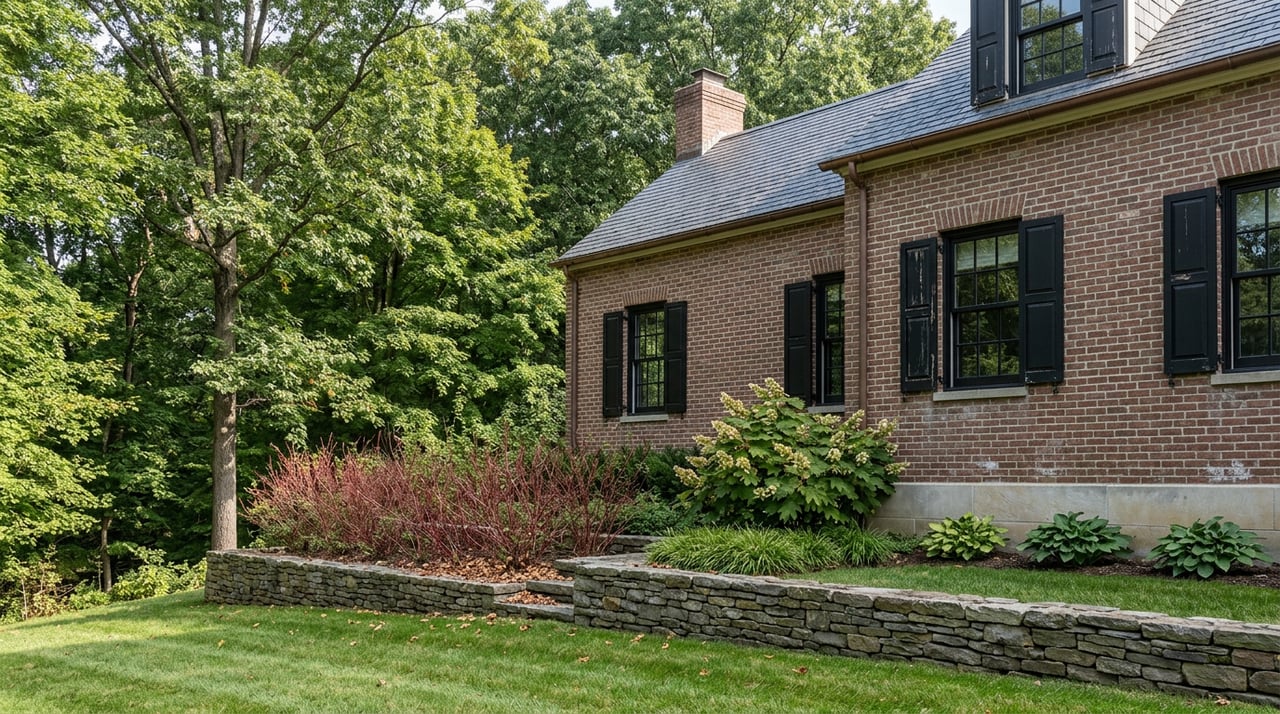
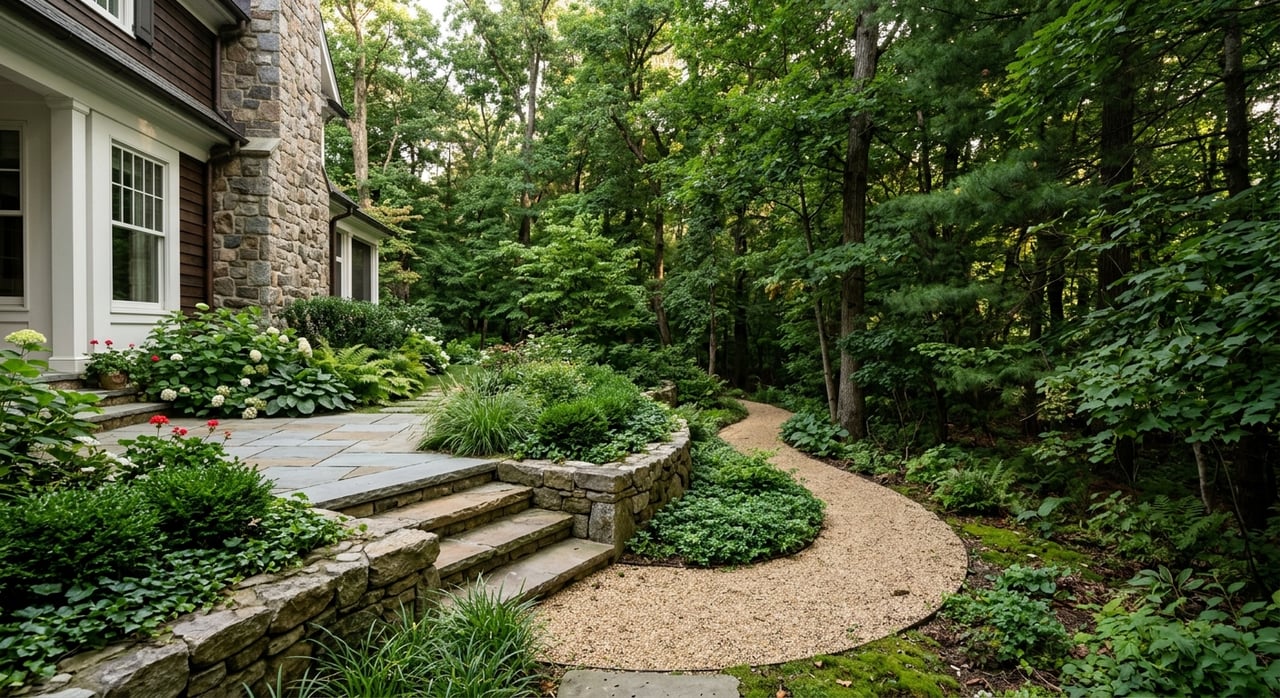
A sloped lot is not automatically a problem. In some cases, it may offer usability benefits such as walkout potential or added separation from neighboring homes. But it can also affect drainage, grading, retaining walls, and the cost or complexity of future exterior projects.
This is where careful inspection matters. When you tour homes, look beyond finishes and ask how water moves across the site, whether retaining features appear well maintained, and how the yard functions in different seasons. These are practical questions that can shape both near-term costs and long-term enjoyment.
Why Inspections Matter Here
West St. Paul does not have a Truth in Sale of Housing program or a point-of-sale inspection program. In plain terms, you should not assume the city will identify defects before closing. Buyers need to rely on private inspections and thoughtful due diligence.
That does not make the city unusual in a negative sense, but it does raise the importance of your own review process. In older housing stock, details like permit history, roof age, drainage, electrical updates, and exterior maintenance can have a real effect on your budget and negotiation strategy. A disciplined approach can help you buy with greater clarity.
Questions to Ask Before You Buy
When you are evaluating a home in West St. Paul, a few focused questions can help you avoid surprises:
- Is the lot conforming or nonconforming under current zoning?
- Do setback or yard requirements affect plans for additions or accessory structures?
- Are there visible slope, drainage, or grading issues on the site?
- Were decks, fences, garages, or additions properly permitted?
- If repairs are needed, are there city or county assistance programs that may apply?
West St. Paul has an active housing-maintenance framework that includes home improvement loans, code enforcement, housing replacement efforts, and rental licensing. For buyers considering a property that needs work, this can be a useful part of the broader ownership picture.
Commuting and Daily Access
For many buyers, West St. Paul’s biggest strength is how easy it is to get around. The city points to an extensive local and regional transportation network, and Minneapolis-Saint Paul International Airport is about 20 minutes away by car. Average commute time for working residents is just over 22 minutes according to current census data.
That close-in convenience shapes everyday life. Whether you are commuting to Saint Paul, Minneapolis, the airport, or other parts of Dakota County, West St. Paul often offers a practical middle ground between urban access and suburban residential living. This is a meaningful advantage if your schedule is busy or your household travels often.
Robert Street’s Role in Convenience
South Robert Street is the city’s major corridor and carries about 20,000 vehicles per day. It was reconstructed in 2015 and 2016 to improve mobility, access management, and safety, with features such as a center median, consolidated driveways, traffic signals, streetlights, and landscaping. For buyers, Robert Street is a major part of the city’s convenience story.
At the same time, proximity to a major corridor comes with tradeoffs. Homes closer to Robert Street may benefit from easier access to shopping, services, and bus routes, but they may also experience more traffic and redevelopment activity than quieter interior streets. If street feel matters to you, it is worth comparing a main-corridor location with a few tucked-away blocks nearby.
Transit may also become more prominent in the coming years. Metro Transit says the METRO G Line will serve the Rice and Robert corridor, with construction planned to begin in 2026 and service phased in for 2027 and 2028. That future investment may be a positive for buyers who value connectivity, though near-term construction is also something to keep in mind.
Parks, Recreation, and Everyday Lifestyle
West St. Paul offers a broader amenity base than many buyers expect from an older first-ring suburb. The city highlights 15 parks along with assets such as Harmon Park, the community pool, the ice arena, and the Regional Athletics Center dome. That variety supports a practical, active day-to-day lifestyle without requiring long drives for recreation.
Harmon Park, the city’s oldest park, includes baseball and softball diamonds, a splash pad, playground, hockey rink, soccer field, picnic areas, parking, and a neighborhood center. Beyond city facilities, West St. Paul is also home to Dodge Nature Center, Southview Country Club, and Thompson County Park. For buyers, these amenities can add meaningful quality-of-life value.
The Robert Street corridor serves as the city’s commercial hub, and the city continues to support redevelopment there. You can also see a more mixed-use, legacy pattern in the Smith and Dodd area, where retail, restaurants, services, single-family homes, and multifamily housing come together. This mix gives West St. Paul a lived-in feel that differs from more recently planned suburban retail districts.
Who West St. Paul Fits Best
West St. Paul tends to work well for buyers who value proximity, established neighborhoods, and practical access. It can be especially appealing if you appreciate mature blocks, want a home with renovation potential, or prefer a built-out community where daily errands and regional connections are straightforward. In many cases, you are buying into neighborhood fabric as much as the house itself.
It may be a less natural fit if your top priorities are brand-new construction, highly uniform streetscapes, or large-lot suburban spacing. That does not make one choice better than the other. It simply means West St. Paul rewards buyers who understand the tradeoffs and shop with a clear plan.
A careful, property-by-property approach matters here. Block character, site conditions, zoning, corridor proximity, and maintenance history can all influence long-term satisfaction. That is exactly why local guidance and disciplined analysis can make such a difference.
If you are considering a move in West St. Paul or comparing established neighborhoods across the Saint Paul area, working with a thoughtful local advisor can help you assess both the obvious appeal and the less visible details. To start a tailored conversation about your next move, connect with Sally English.
FAQs
What types of homes are common in West St. Paul’s established neighborhoods?
- West St. Paul’s housing mix includes mostly single-family detached homes, along with multifamily housing, townhomes, and smaller duplex to quad-style properties, with much of the housing stock built between 1950 and 1980.
What should buyers know about home condition in West St. Paul?
- Because many homes are older, condition can vary widely, so it is important to evaluate updates, maintenance history, drainage, and major systems carefully during your due diligence.
What should buyers know about inspections in West St. Paul?
- West St. Paul does not have a Truth in Sale of Housing program or point-of-sale inspection program, so private inspections and a careful review process are especially important before closing.
What should buyers know about lots and zoning in West St. Paul?
- Lot dimensions and yard requirements vary by zoning district, which means future plans for additions, garages, fences, or other changes should be reviewed for the specific property.
What is commuting like from West St. Paul?
- West St. Paul offers strong regional access, an average commute time of about 22.4 minutes, and car access to Minneapolis-Saint Paul International Airport in about 20 minutes.
What amenities do West St. Paul neighborhoods offer buyers?
- Buyers will find a broad amenity base that includes 15 parks, Harmon Park, a community pool, an ice arena, the Regional Athletics Center dome, and nearby destinations such as Dodge Nature Center and Thompson County Park.