Looking for a luxury neighborhood with real history behind it? In Saint Paul, Crocus Hill and Summit Hill stand out because they offer more than large homes and prestigious addresses. You get a preserved historic setting, walkable daily amenities, and an ownership experience shaped by architecture, stewardship, and city review. If you are comparing legacy homes here with newer luxury options elsewhere in the Twin Cities, this guide will help you understand what makes this area distinct. Let’s dive in.
Why Crocus Hill and Summit Hill Stand Out
Crocus Hill and Summit Hill are part of Saint Paul’s broader hilltop historic district, not isolated pockets cut off from the city around them. The area includes residential streets, a commercial corridor, public spaces, and active neighborhood organizations that continue to shape preservation and land use.
For you as a buyer, that means the value here comes from a layered neighborhood fabric. The eastern side reads as an older bluff-edge core, while blocks farther west transition into later residential development around Grand Avenue and Summit Avenue.
Historic Character Defines the Market
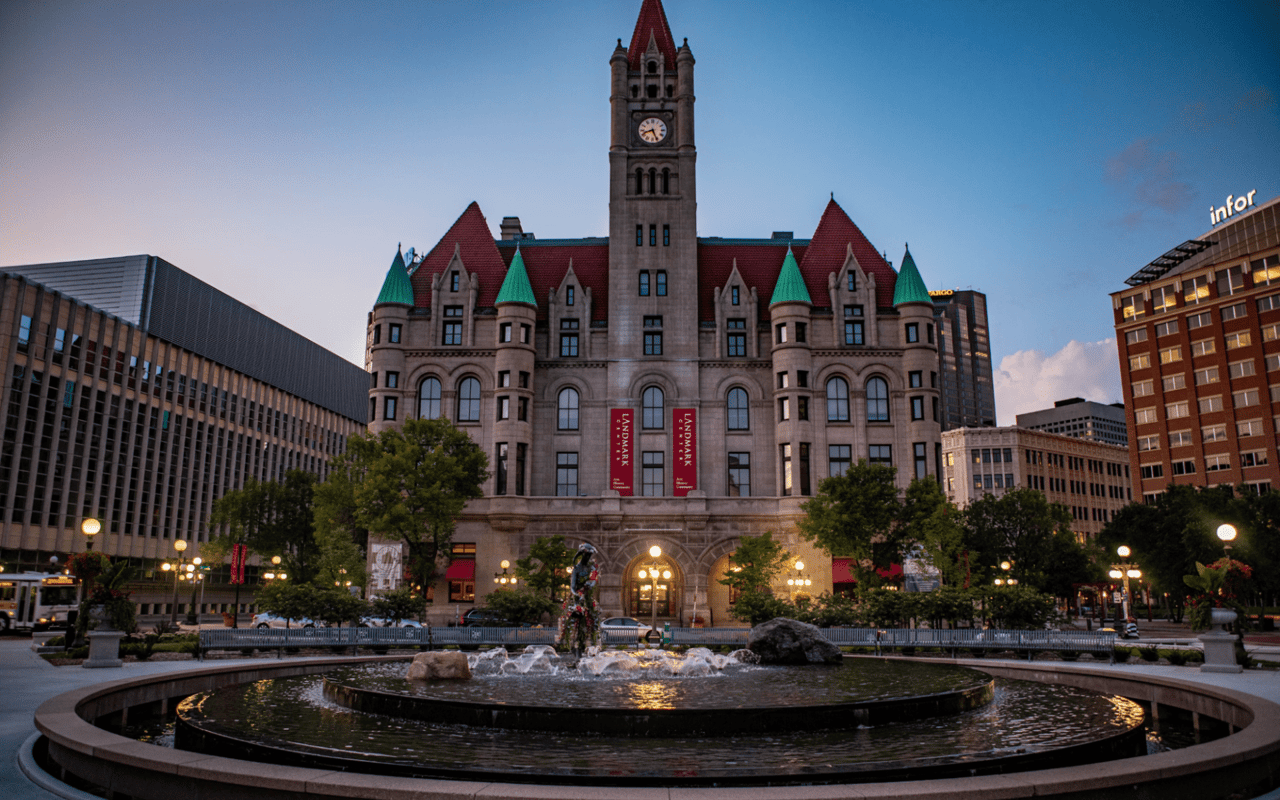
The architectural appeal in this part of Saint Paul is hard to overstate. The Historic Hill district was designated for having the largest concentration of nineteenth- and early twentieth-century architectural styles in Minnesota, and the city describes Summit Avenue as the longest preserved Victorian avenue in the country.
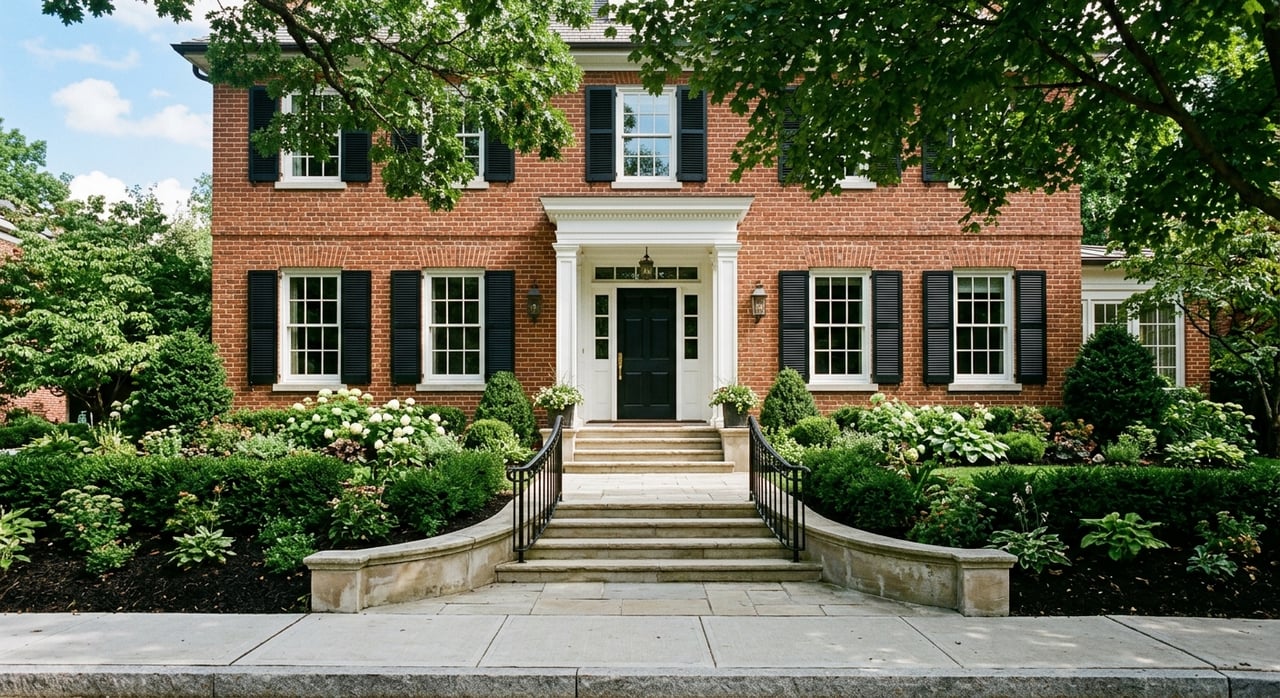
West Summit Avenue adds another layer of prestige. The city describes it as the largest unbroken avenue of Colonial Revival and Classical Revival architect-designed houses in the Twin Cities, which helps explain why the area continues to attract buyers who care about legacy, design, and long-term value.
What the Homes Look Like
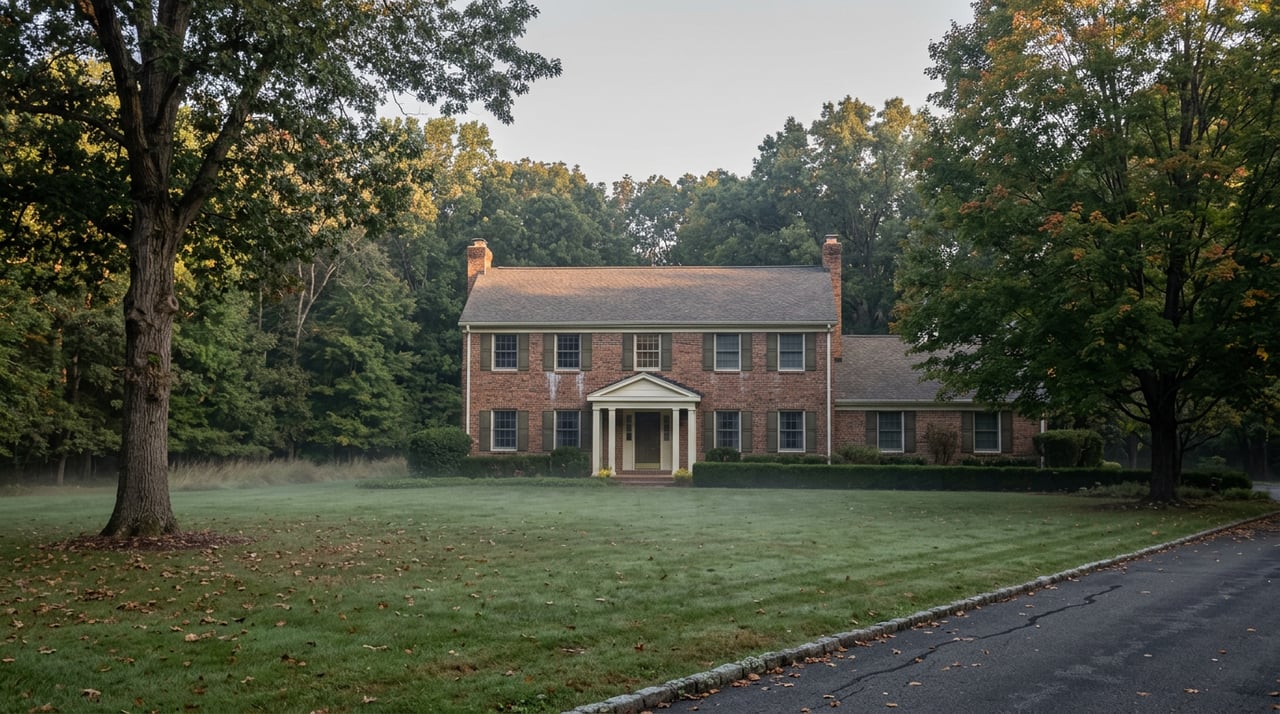
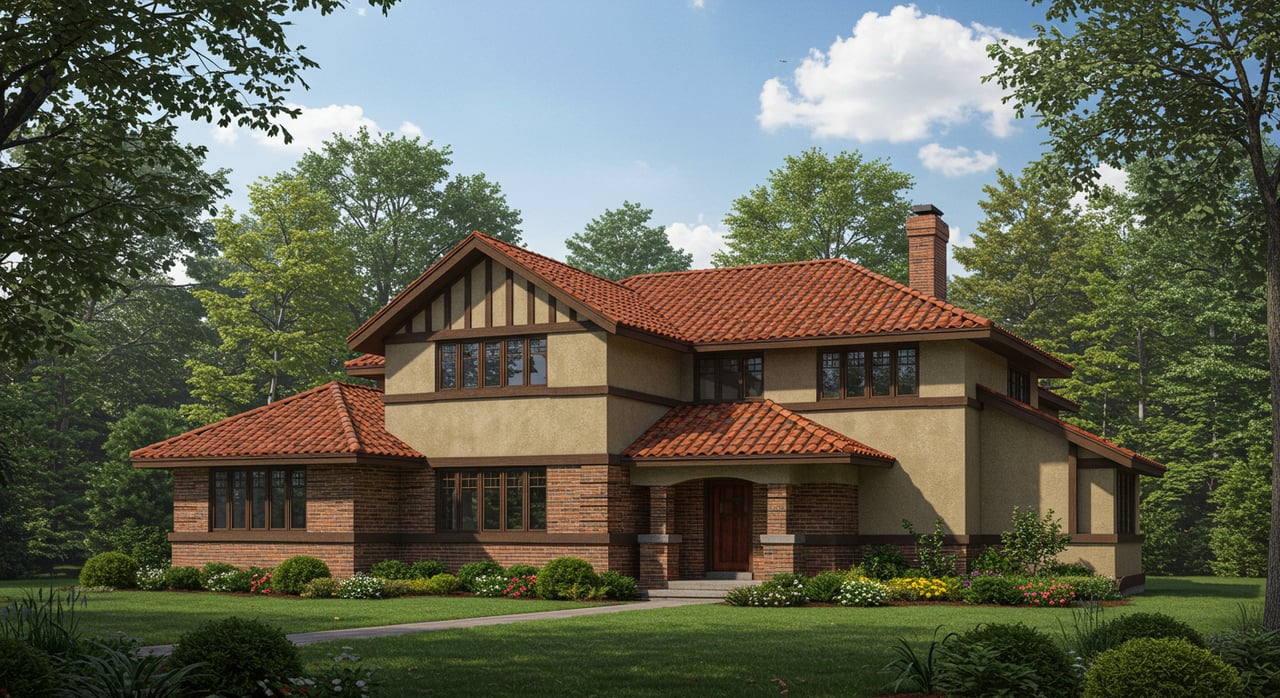
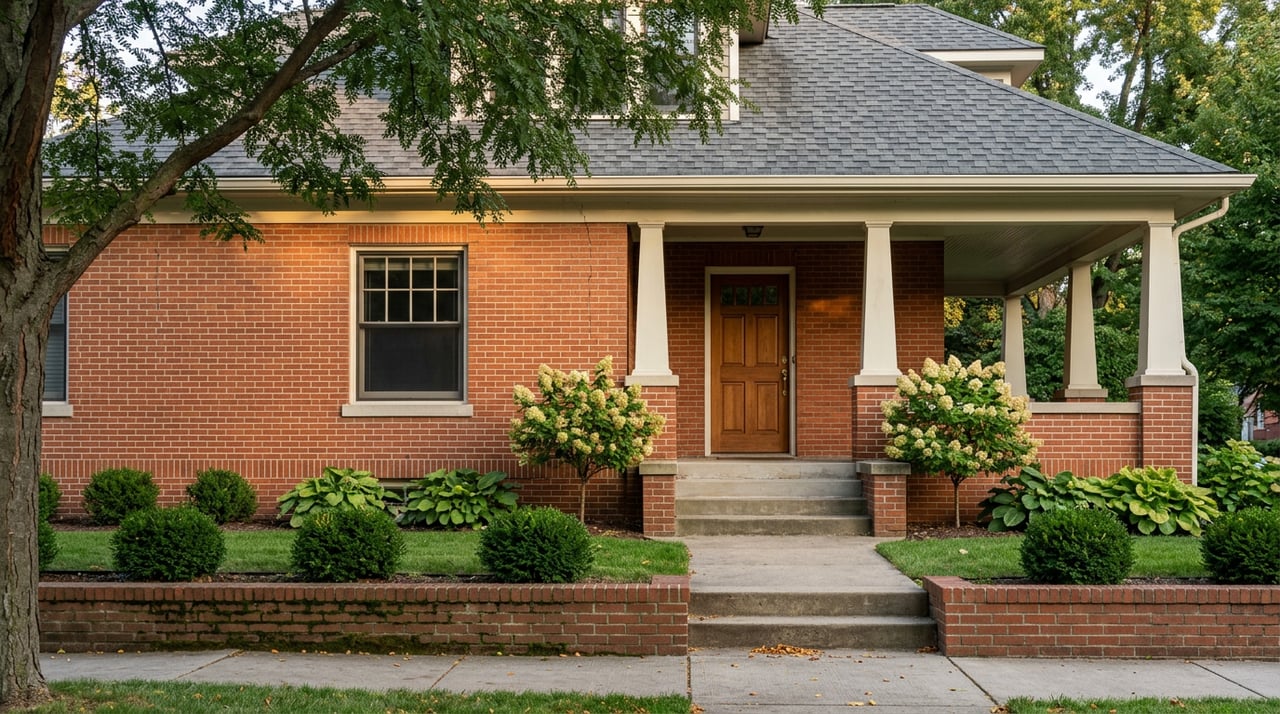
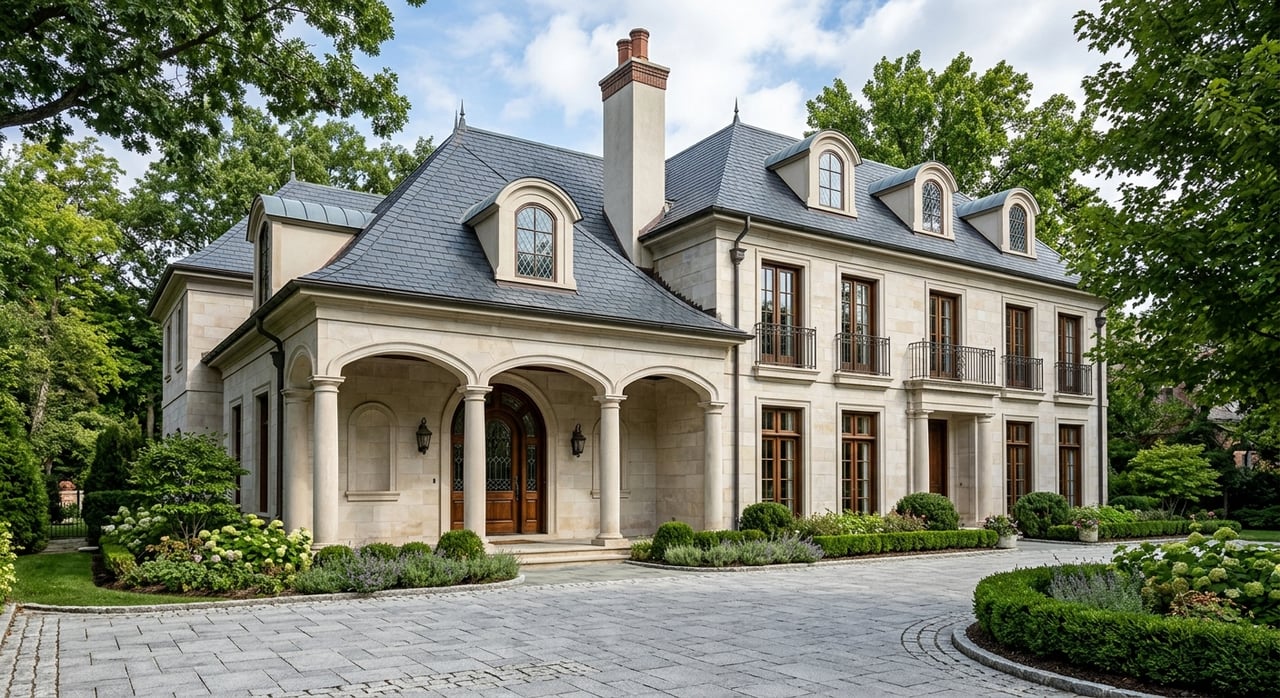
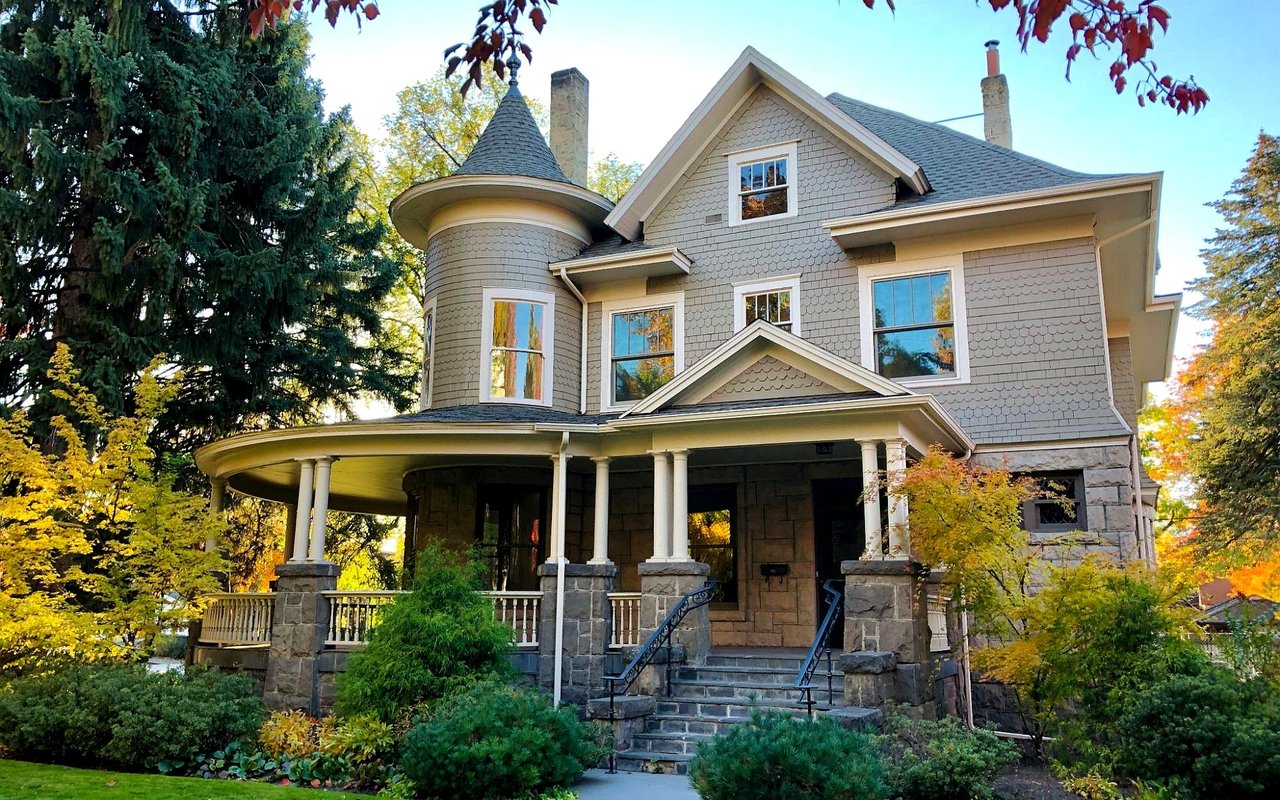
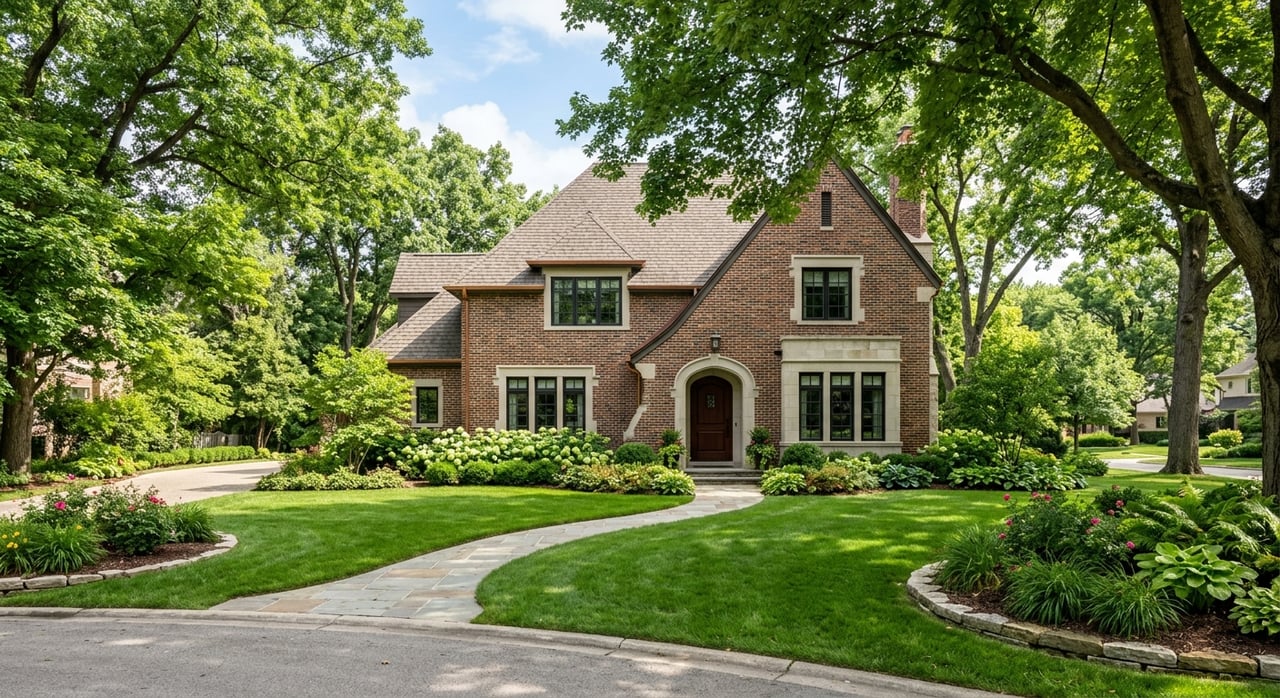
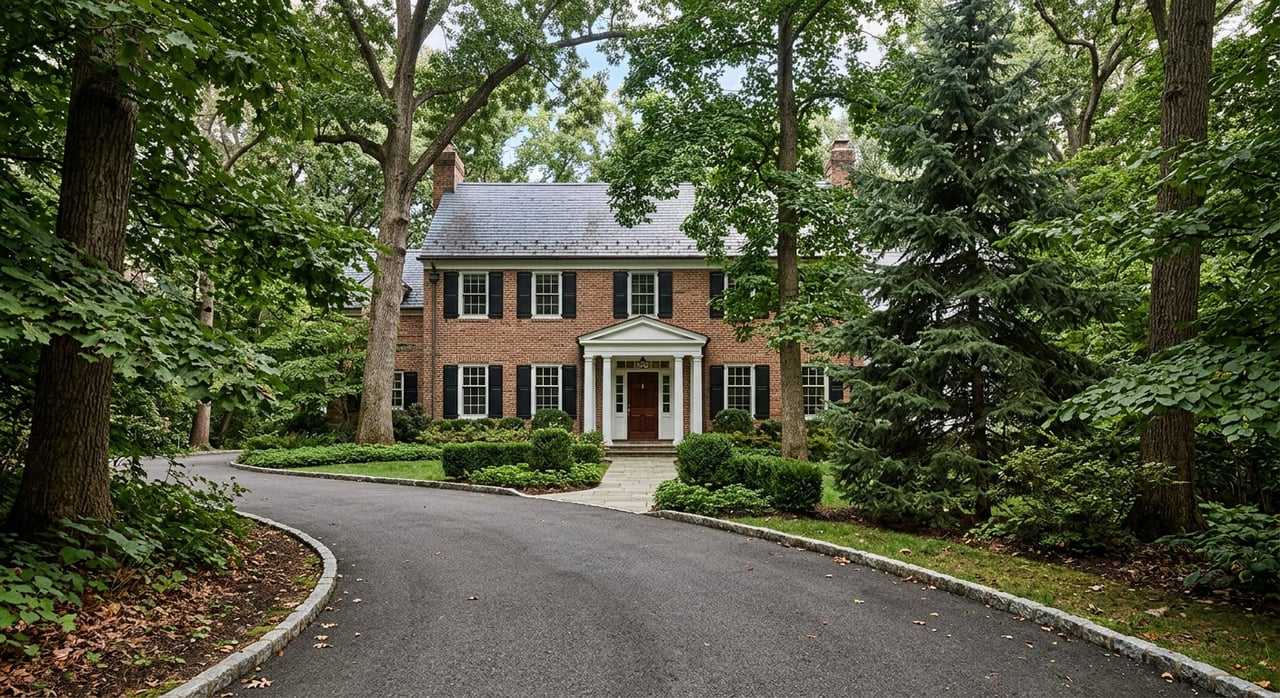
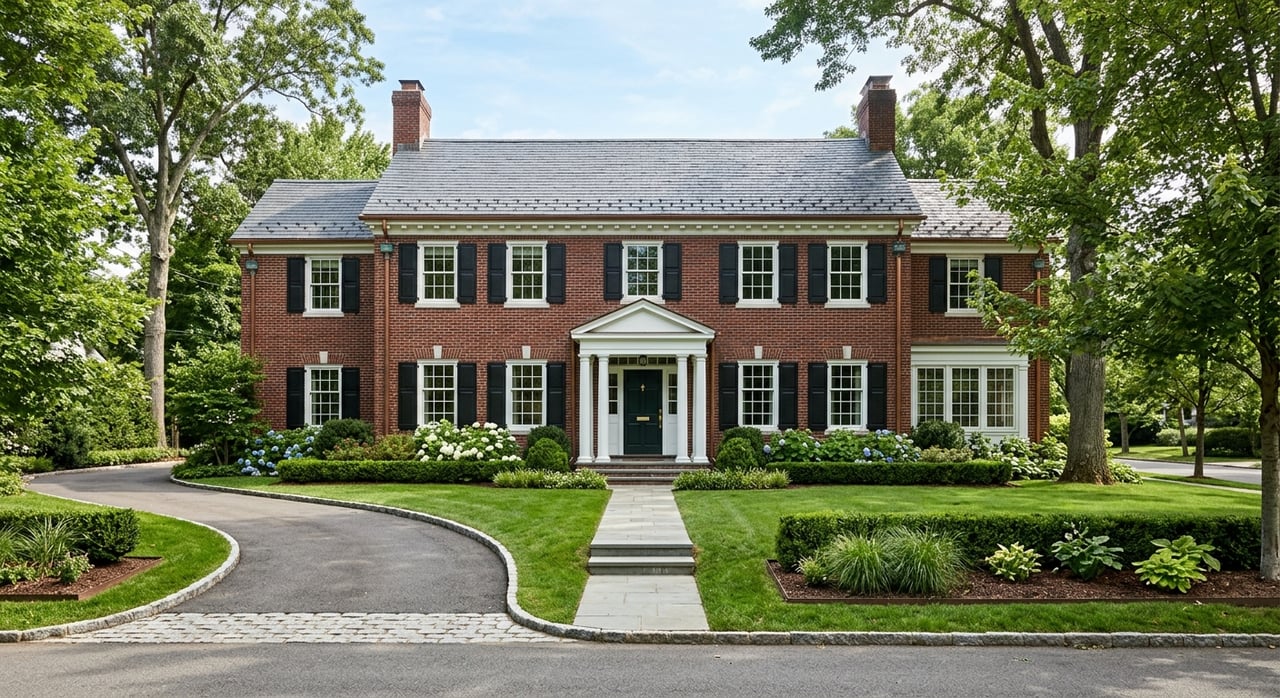
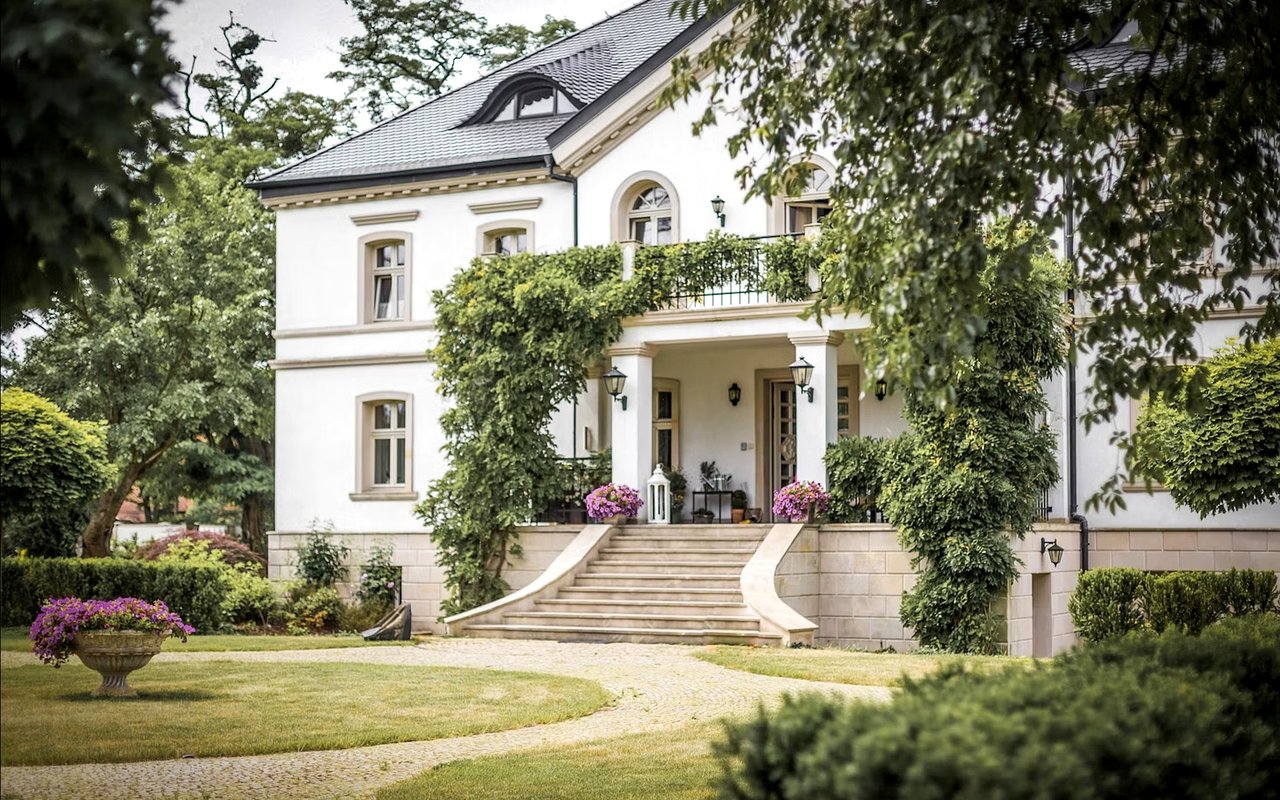
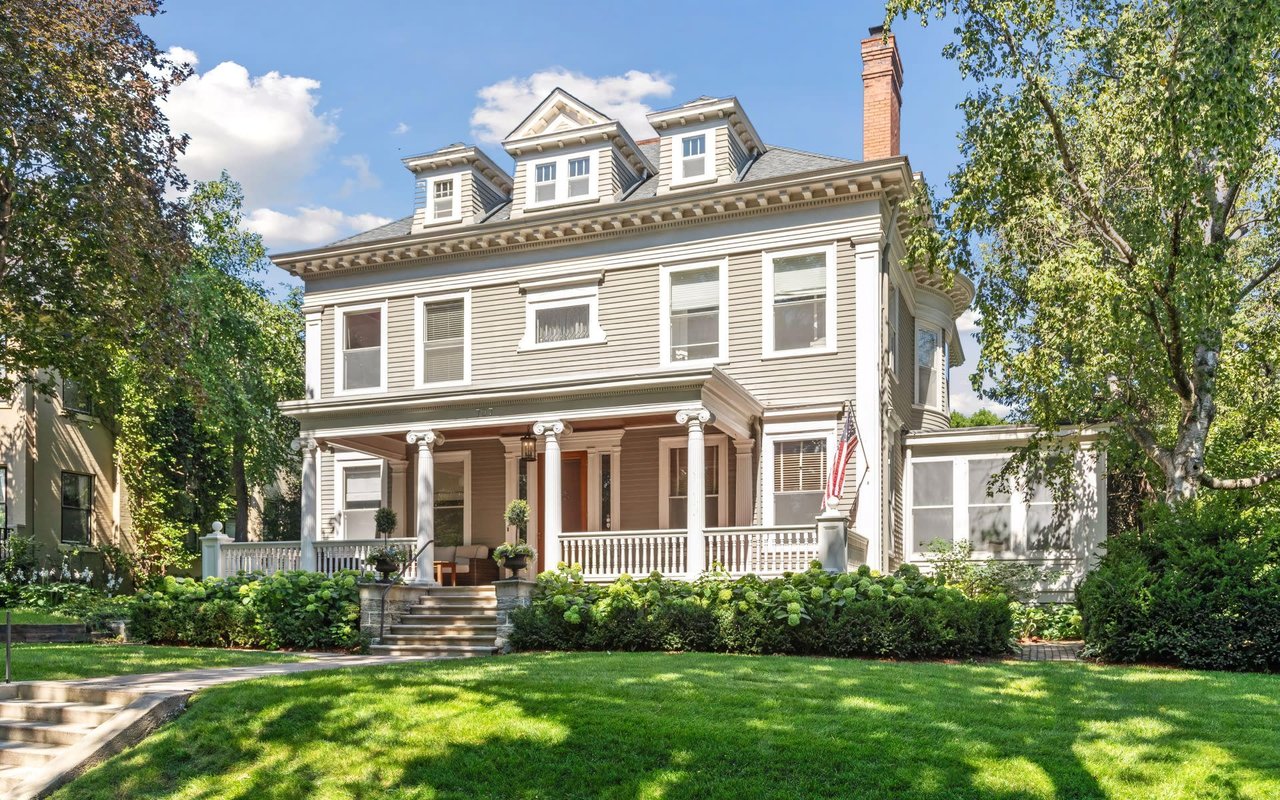
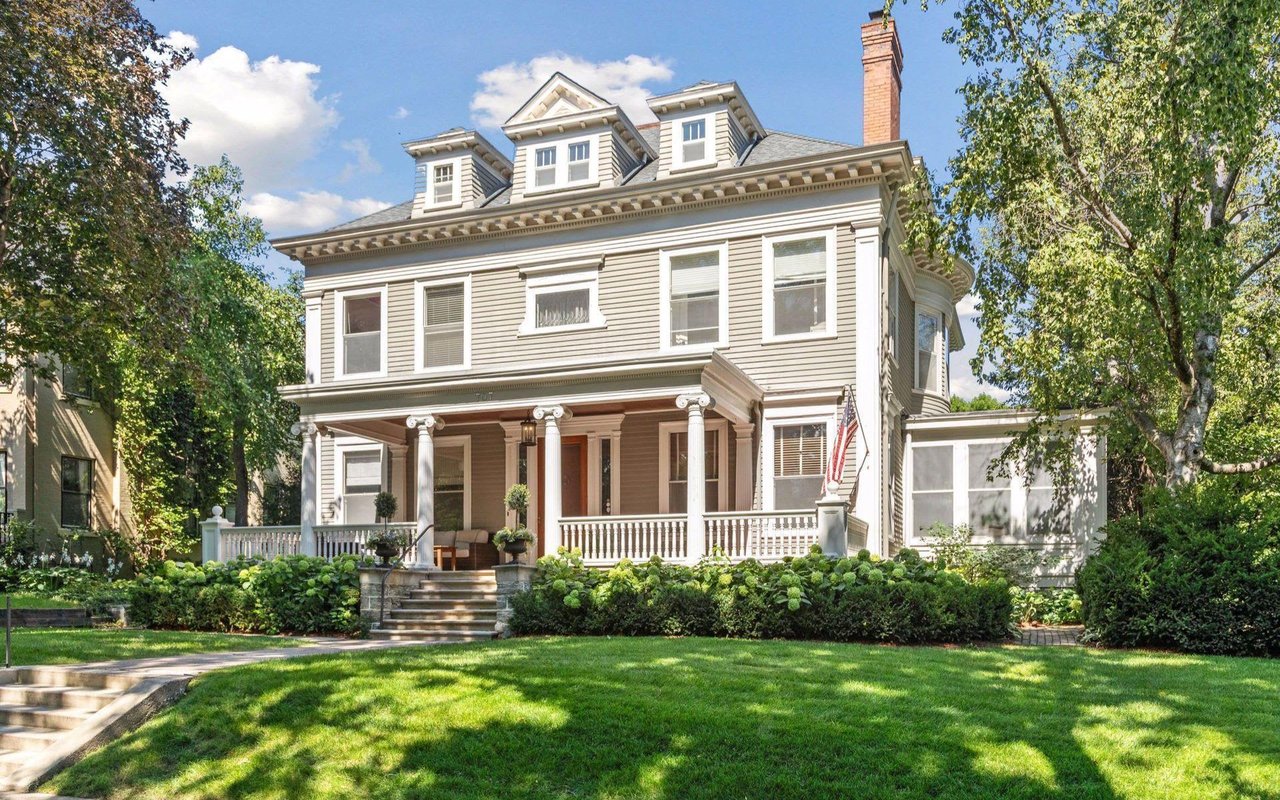
Homes in Crocus Hill and Summit Hill are often large by urban standards and sit on generous lots with mature landscaping. Across the district, you will find mansion-scale residences and a broad mix of styles, including Richardsonian Romanesque, Queen Anne, Prairie School, Italianate, Colonial Revival, and Classical Revival.
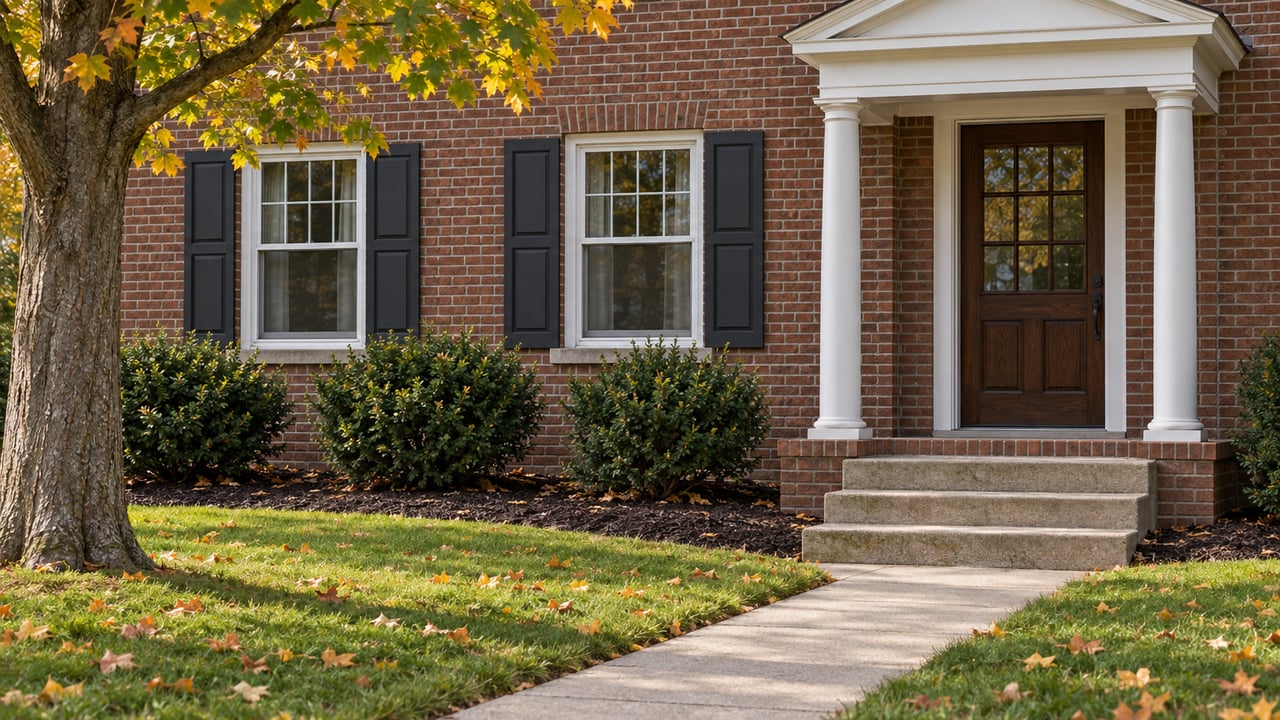
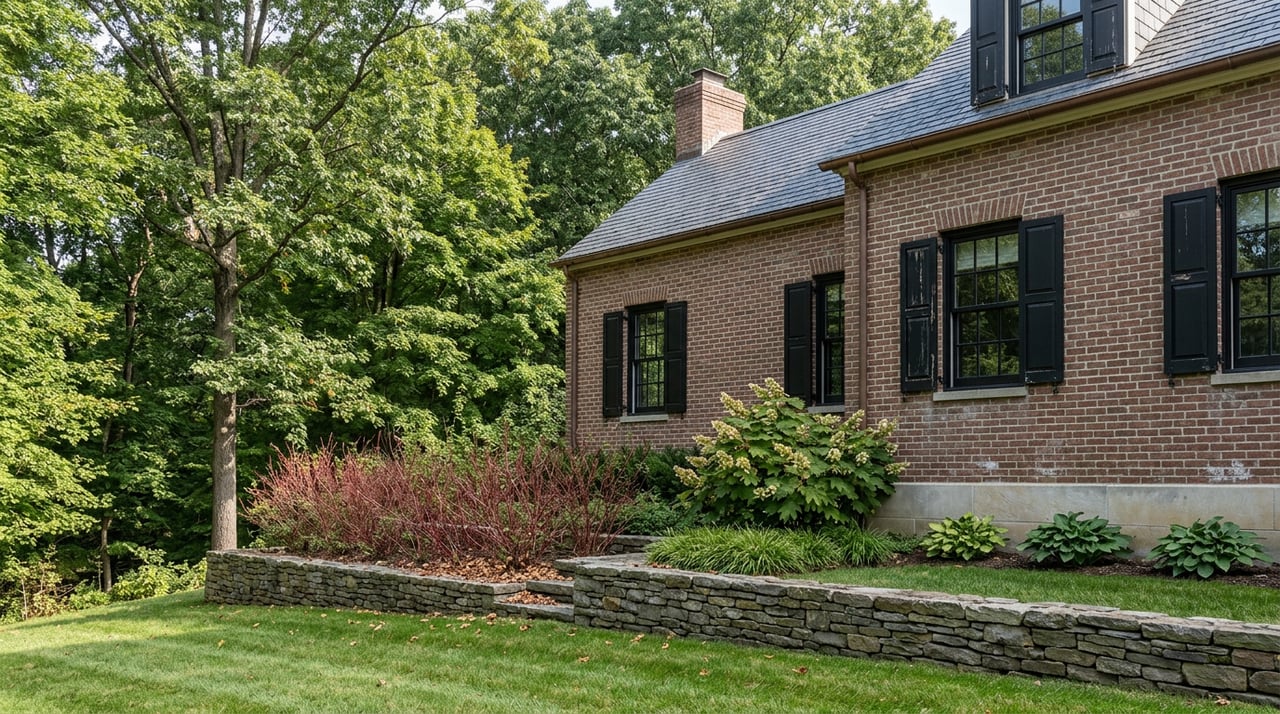
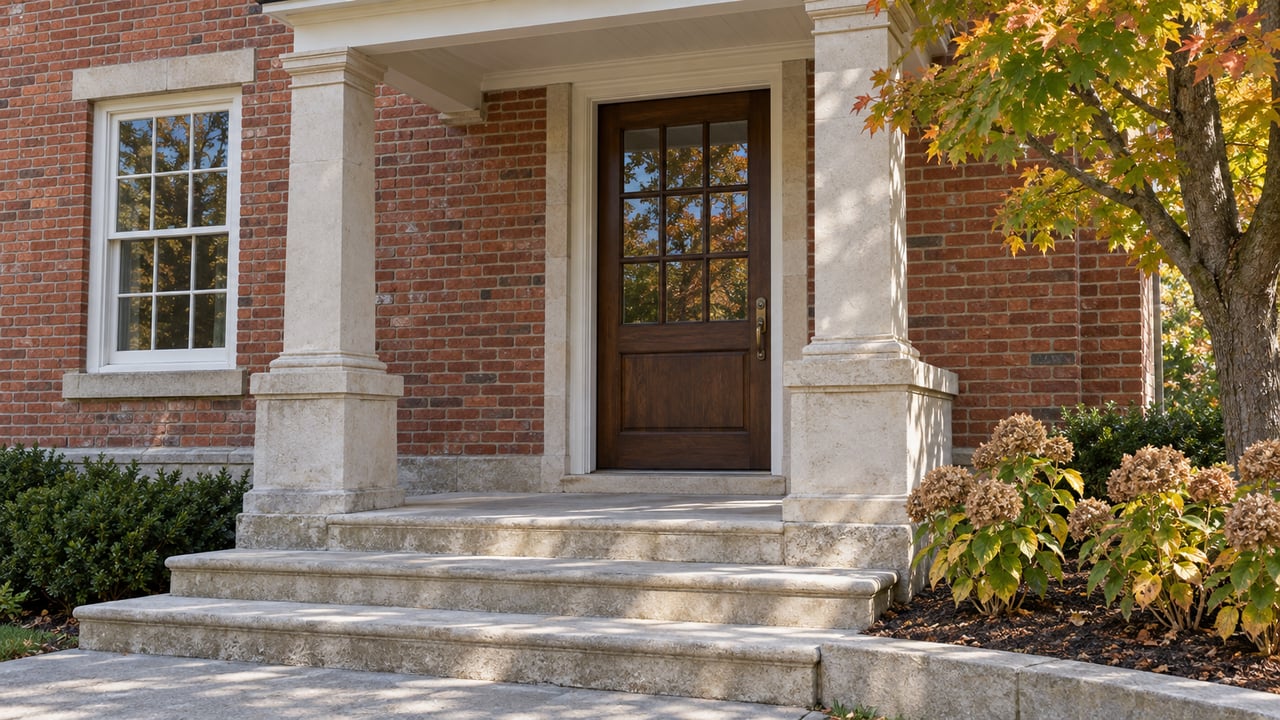
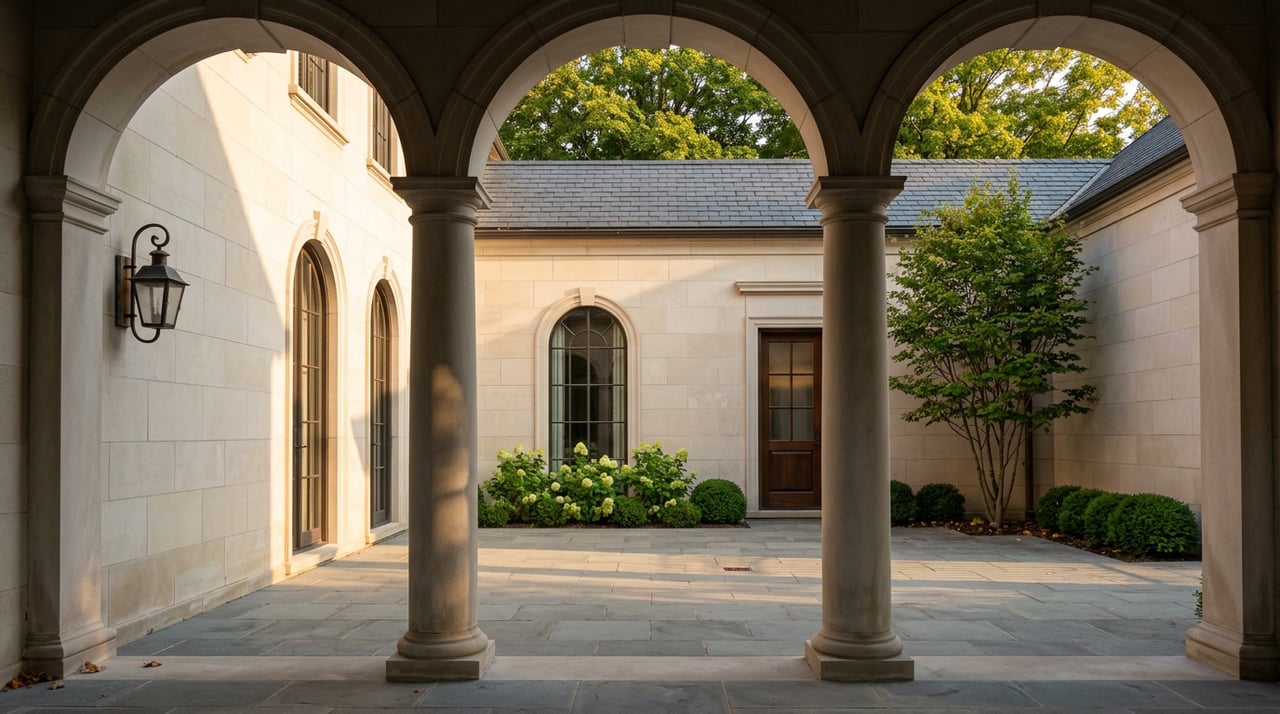
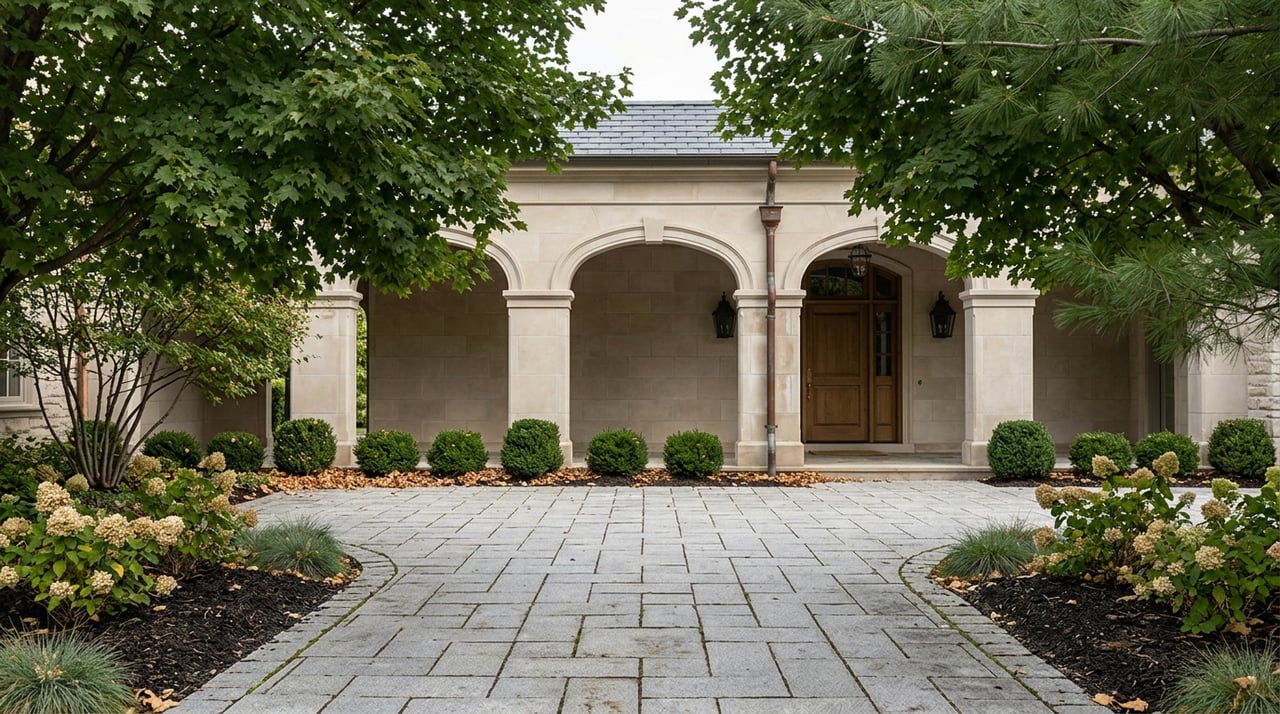
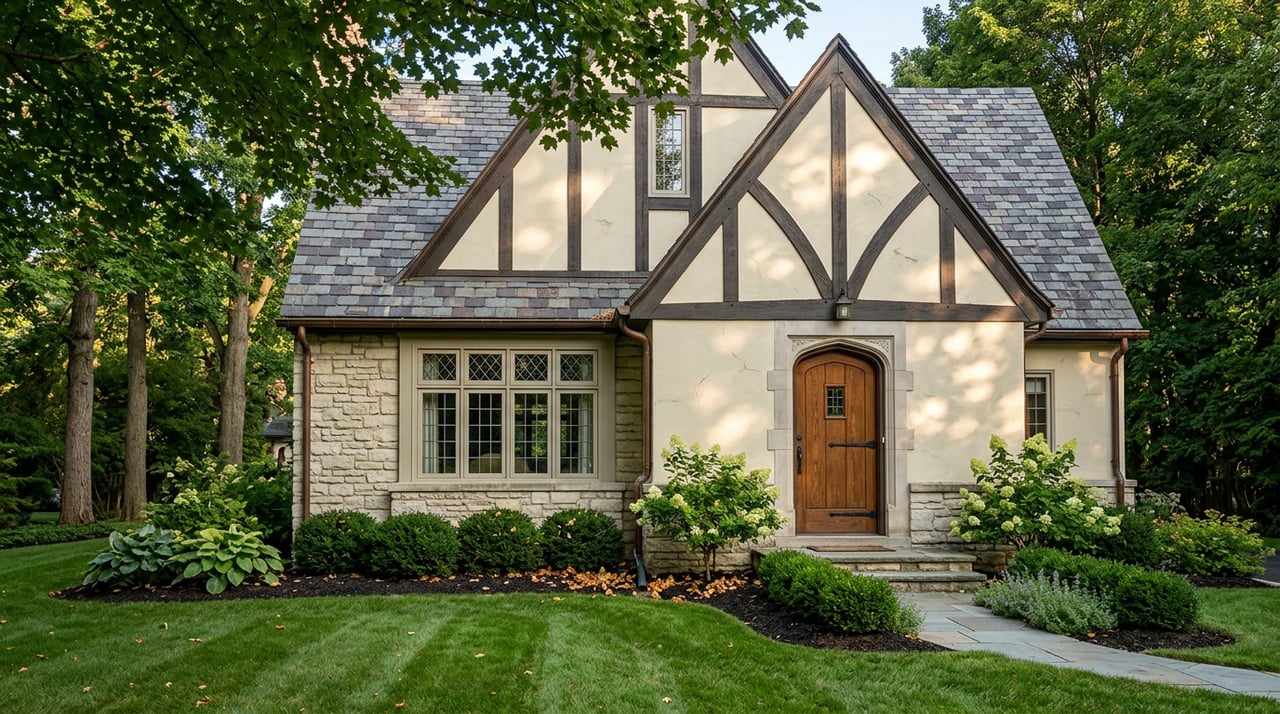
Many properties feature the details buyers hope to find in a historic luxury home. Common features include brick or stone exteriors, wraparound porches, towers, gables, dormers, carved woodwork, stained glass, slate roofs, and carriage-house-era outbuildings.
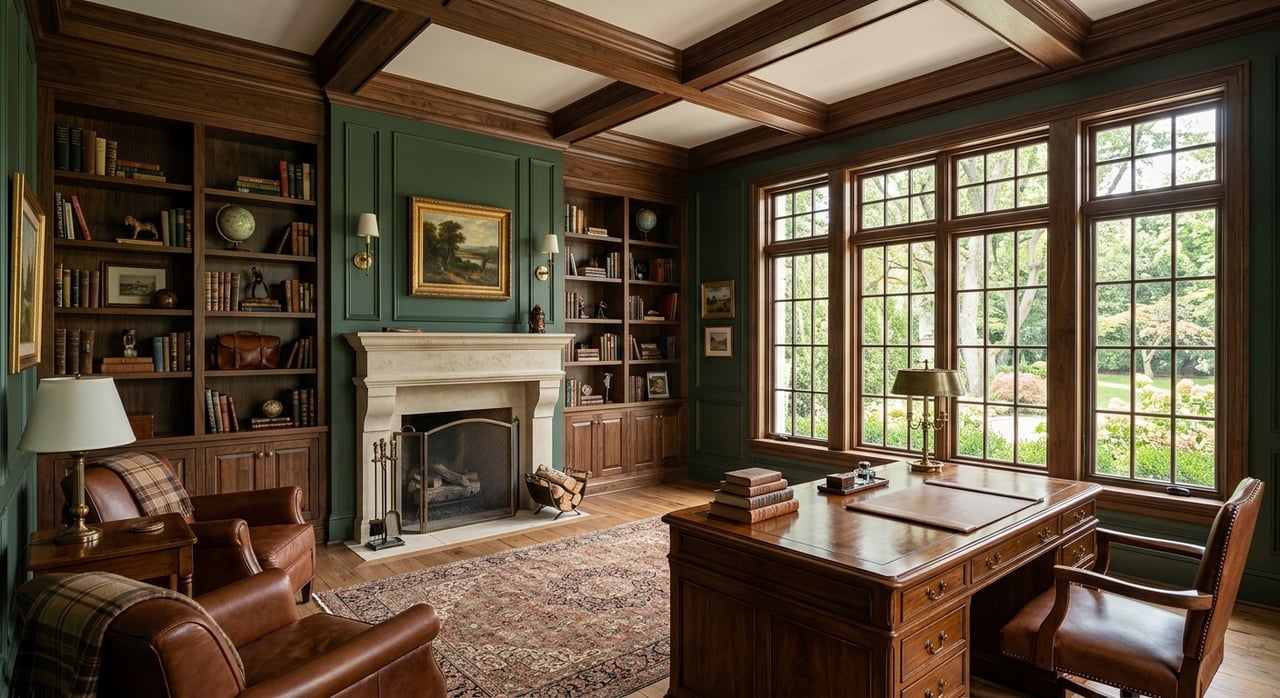
The James J. Hill House offers a helpful benchmark for the level of craftsmanship associated with the district. Original mechanical systems, chandeliers, stained glass, and hand-carved woodwork help illustrate the finish quality that shapes expectations in this market.
The Streetscape Adds Real Value
In this area, the streets themselves are part of the appeal. Summit Avenue was designed with a boulevarded 200-foot parkway concept inspired by landscape architect H. W. S. Cleveland, and that planning legacy still affects how the neighborhood feels today.
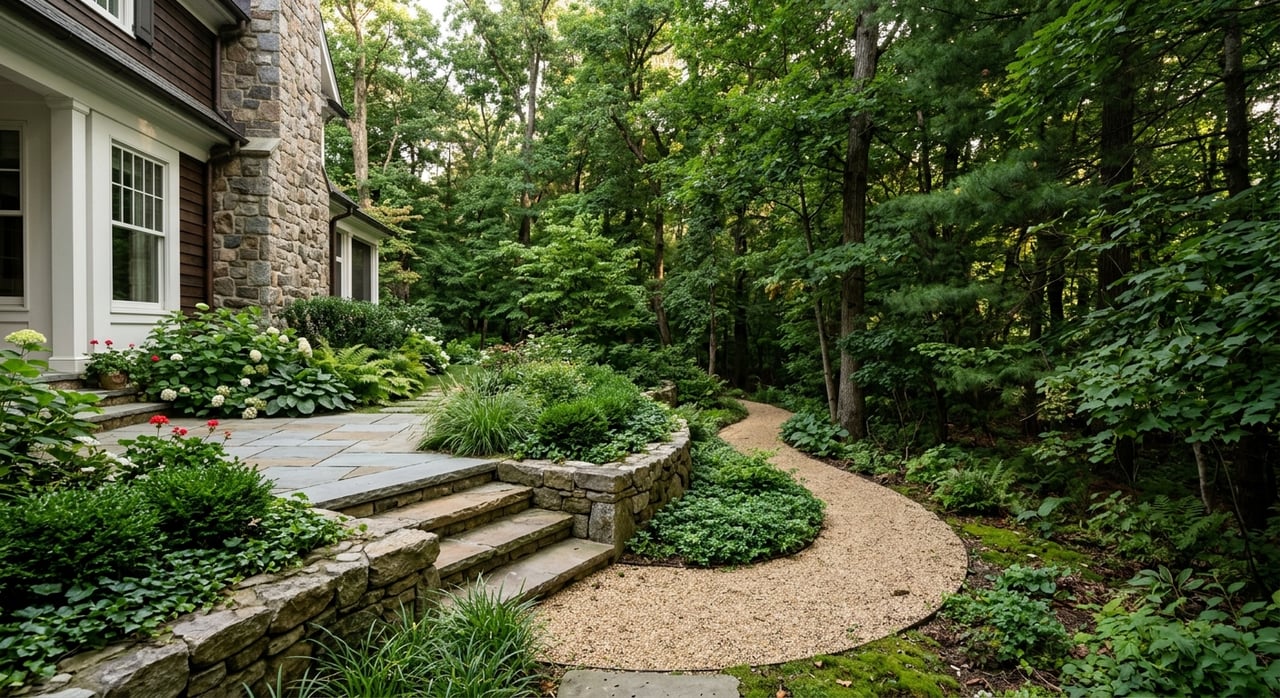
Tree preservation, boulevard trees, pedestrian safety, and a walkable public realm remain priorities in neighborhood planning. For you, that translates into a setting that feels established, cohesive, and intentional rather than accidental.
Everyday Living on Grand Avenue
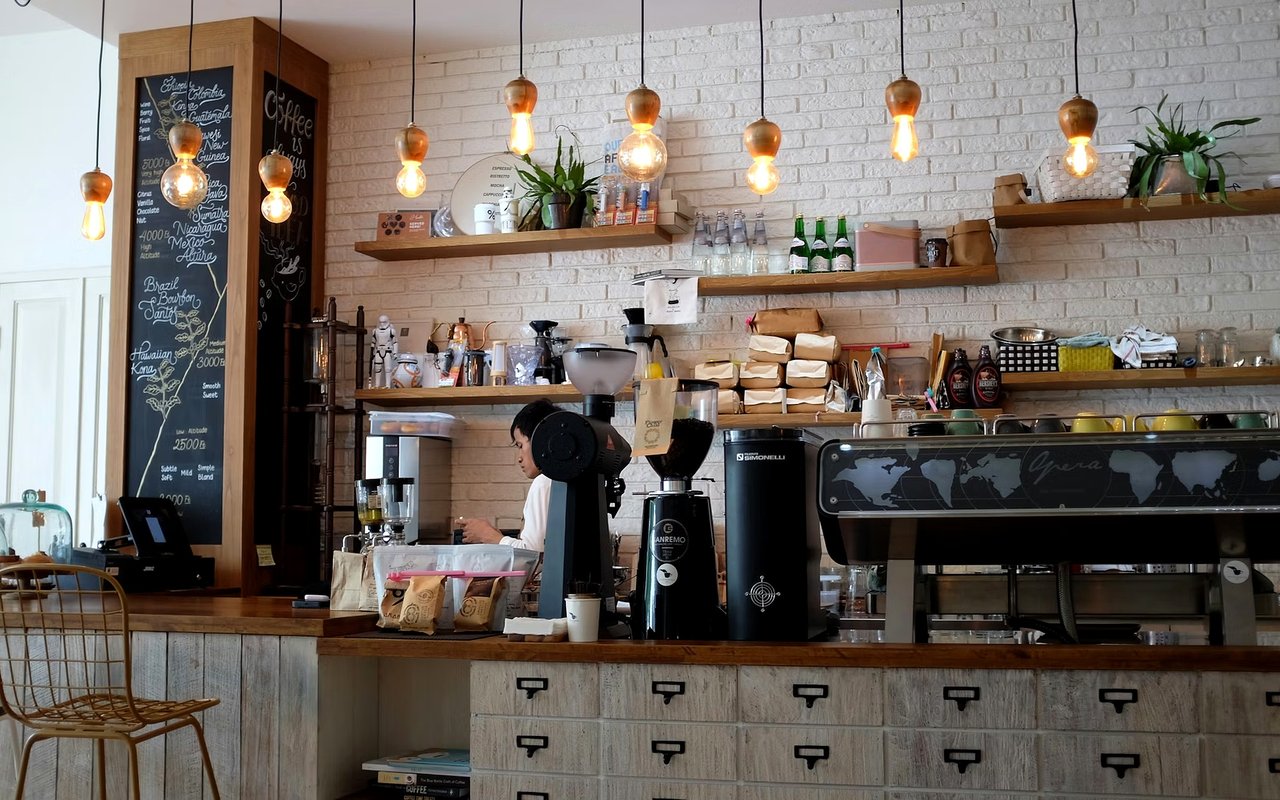
Luxury living here is not only about architecture. Grand Avenue serves as the neighborhood’s everyday amenity spine, with restaurant and bar options, specialty retail, coffee shops, boutique shopping, and services that support daily life.
The neighborhood plan describes Grand Avenue as an eclectic corridor that balances housing, small-scale shops, restaurants, and services. Buildings are intended to relate closely to the sidewalk and encourage pedestrian activity, which supports the area’s walkable rhythm.
Why Walkability Matters
If you want a neighborhood where you can enjoy a historic residential setting without feeling disconnected from city life, this is a key advantage. You can move between quieter residential blocks and a more active commercial corridor without needing to leave the district behind.
That blend often appeals to buyers who want legacy housing with practical convenience. It is one of the clearest differences between Crocus Hill and Summit Hill and some newer luxury inventory in more auto-dependent settings.
Culture and Downtown Access
Another strength of this location is how close it sits to Saint Paul’s broader cultural core. Downtown Saint Paul is home to museums, theaters, concerts, sporting events, and regional destinations such as the Ordway Center, Palace Theater, Fitzgerald Theater, Park Square Theatre, History Theater, Minnesota Children’s Museum, Science Museum of Minnesota, Minnesota History Center, Minnesota Museum of American Art, and the Saint Paul Farmers’ Market.
For you, that means a historic residential base does not require giving up access to urban amenities. You can enjoy a neighborhood setting with established homes and mature streetscapes while staying close to major cultural destinations.
What Ownership Really Involves
Owning a historic home here can be deeply rewarding, but it also comes with responsibilities. If you are considering a purchase in a local historic district, it is important to understand that exterior work is regulated.
Saint Paul’s Heritage Preservation Commission reviews proposed exterior alterations in local historic districts, and approval from the Heritage Preservation office is required for exterior projects in locally designated heritage districts. The city encourages owners to consult staff early in the process.
Plan Ahead for Exterior Work
Historic review is not just for major renovations. In a Historic Preservation Area, exterior work such as tuckpointing, siding, window replacement, and roof patching requires a permit regardless of project value.
Accessory structures, retaining walls, and some site work may also trigger review. Administrative reviews that comply with requirements can be completed in about five business days, but more complex projects may take longer, and express permits are not available for historic structures or properties in historic districts.
Maintenance Is Part of the Investment
Because many homes in the district date from the 1880s through the 1930s and retain high-detail materials, ownership often involves close attention to roofs, masonry, windows, trim, and landscaping. These are not homes you buy and ignore.
That does not make ownership harder than newer construction in every way, but it does make it different. If you value craftsmanship and historic integrity, that stewardship is often part of the appeal.
Practical Questions to Ask Before You Buy
When you tour homes in Crocus Hill and Summit Hill, it helps to look beyond the architecture alone. The district plan’s recurring concerns around parking, traffic, and property maintenance suggest that practical details deserve careful review.
You may want to evaluate:
- Garage access and functionality
- Driveway configuration
- Parking realities on the block
- Condition of masonry, roofing, and exterior trim
- Scope of future exterior maintenance
- Whether planned updates may require historic review
A beautiful façade is only part of the story. In a historic luxury district, the day-to-day ownership experience matters just as much as first impressions.
Who This Neighborhood Fits Best
Crocus Hill and Summit Hill tend to appeal to buyers who want more than square footage. If you are drawn to architectural pedigree, walkable amenities, preserved streetscapes, and a strong sense of place, this area offers a compelling mix.
It can be especially attractive if you see yourself as a steward of a distinctive property rather than simply a consumer of finishes. The neighborhood’s value comes from continuity, preservation, and the fact that its character has been protected over time.
The Bottom Line on Saint Paul’s Historic Luxury Core
Crocus Hill and Summit Hill are best understood as a preserved, walkable, legacy district where architecture, location, and preservation rules all shape the ownership experience. That combination is exactly what makes the area special.
If you are weighing a historic hill property against newer luxury homes elsewhere in the metro, the right comparison is not just age or price per square foot. It is lifestyle, stewardship, streetscape, and the lasting appeal of one of Saint Paul’s most architecturally significant neighborhoods.
If you are considering a move in Crocus Hill, Summit Hill, or another premier Twin Cities neighborhood, Sally English offers a discreet, high-touch approach grounded in local expertise, thoughtful analysis, and concierge-level service.
FAQs
What makes Crocus Hill and Summit Hill different from other Saint Paul luxury neighborhoods?
- Crocus Hill and Summit Hill stand out for their preserved historic architecture, walkable streetscape, access to Grand Avenue, and a neighborhood identity shaped by long-term preservation and planning.
What types of homes are common in Crocus Hill and Summit Hill?
- Buyers will find large historic homes in styles such as Queen Anne, Richardsonian Romanesque, Prairie School, Italianate, Colonial Revival, and Classical Revival, often with detailed materials like brick, stone, stained glass, and carved woodwork.
What should buyers know about historic district rules in Summit Hill and Crocus Hill?
- Exterior alterations in local historic districts are reviewed by Saint Paul’s Heritage Preservation Commission or Heritage Preservation office, and common projects like window replacement, tuckpointing, siding, and roof patching may require permits.
What is Grand Avenue like for daily living in Summit Hill?
- Grand Avenue serves as the area’s main amenity corridor, offering restaurants, coffee shops, specialty retail, boutique shopping, and services in a pedestrian-oriented setting.
What practical ownership issues should buyers review in Crocus Hill and Summit Hill?
- Buyers should pay close attention to garage access, driveway layout, parking realities, exterior maintenance needs, and whether future updates may require historic review.
Is Summit Hill close to Saint Paul cultural attractions?
- Yes. The neighborhood offers convenient access to downtown Saint Paul destinations including theaters, museums, event venues, and the Saint Paul Farmers’ Market.