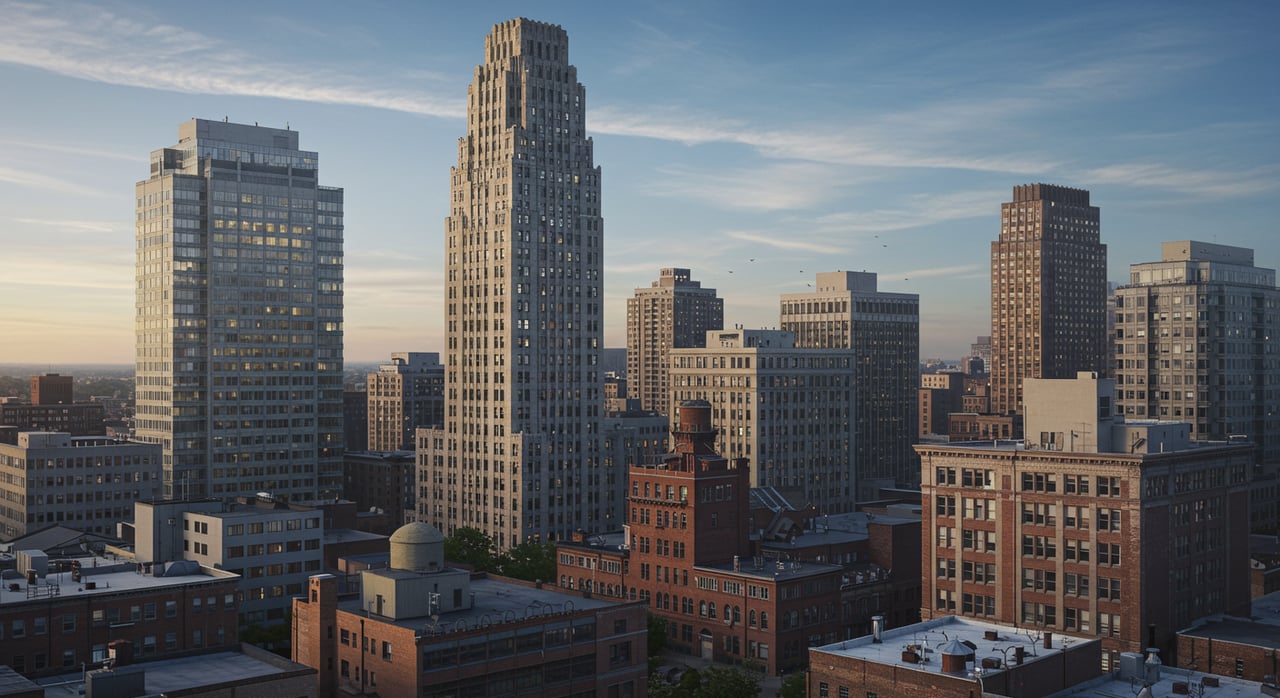
Drive south on Robert Street past Hobby Lobby, Planet Fitness, and the drive-through line at Raising Cane's, and the corridor feels like it could be anywhere in the metro. Turn off that strip toward Marie Avenue or Butler Avenue East, though, and within a few minutes you're standing at a trailhead with a lake on one side and woods on the other. West St. Paul has spent years being described as one or the other: a retail corridor or a quiet residential suburb. This September, the city's own calendar makes the case that it's both, running at the same time, on purpose.
Two anchors, five minutes apart
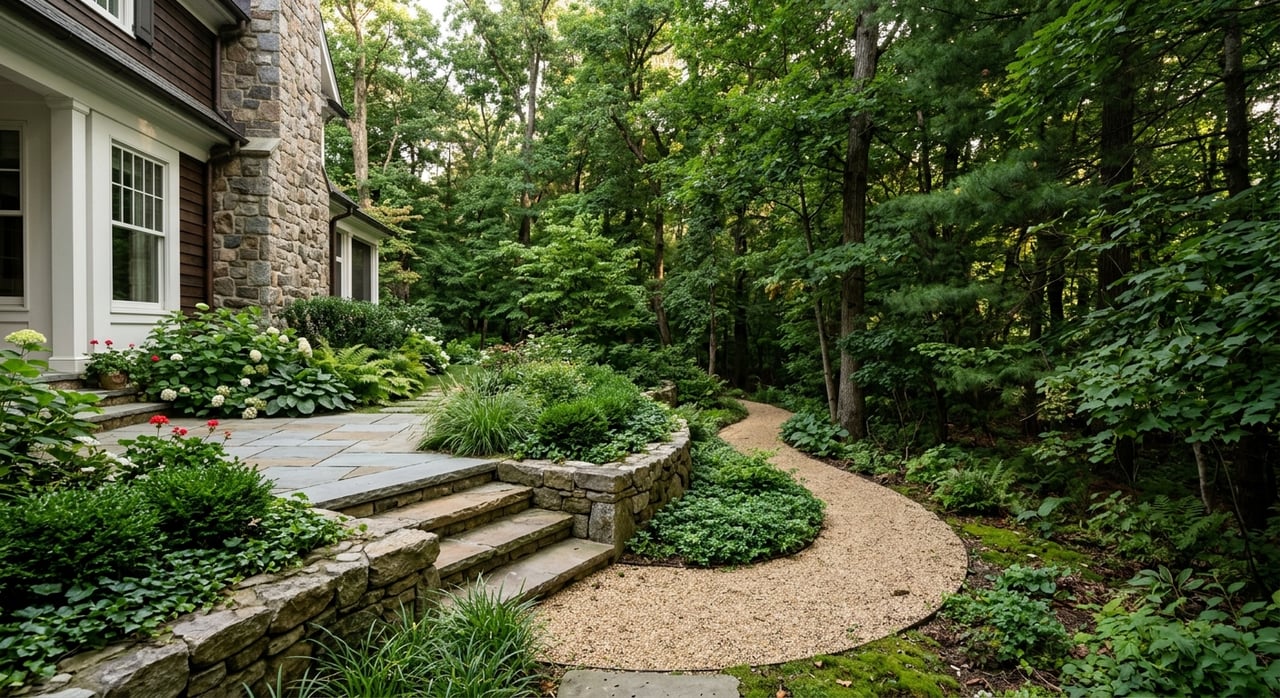
Dodge Nature Center has operated in West St. Paul since 1967, when Olivia Irvine Dodge founded it as one of the first nature centers in Minnesota. The Main Property and the Marie Property sit inside the city, with Dodge's other two locations in Mendota Heights and Cottage Grove. Trails here connect ponds, restored prairie, and a working model farm with raptors, and one section south of the Marie Property is less developed and quieter still, favored by regular visitors who want a longer, less-trafficked walk.
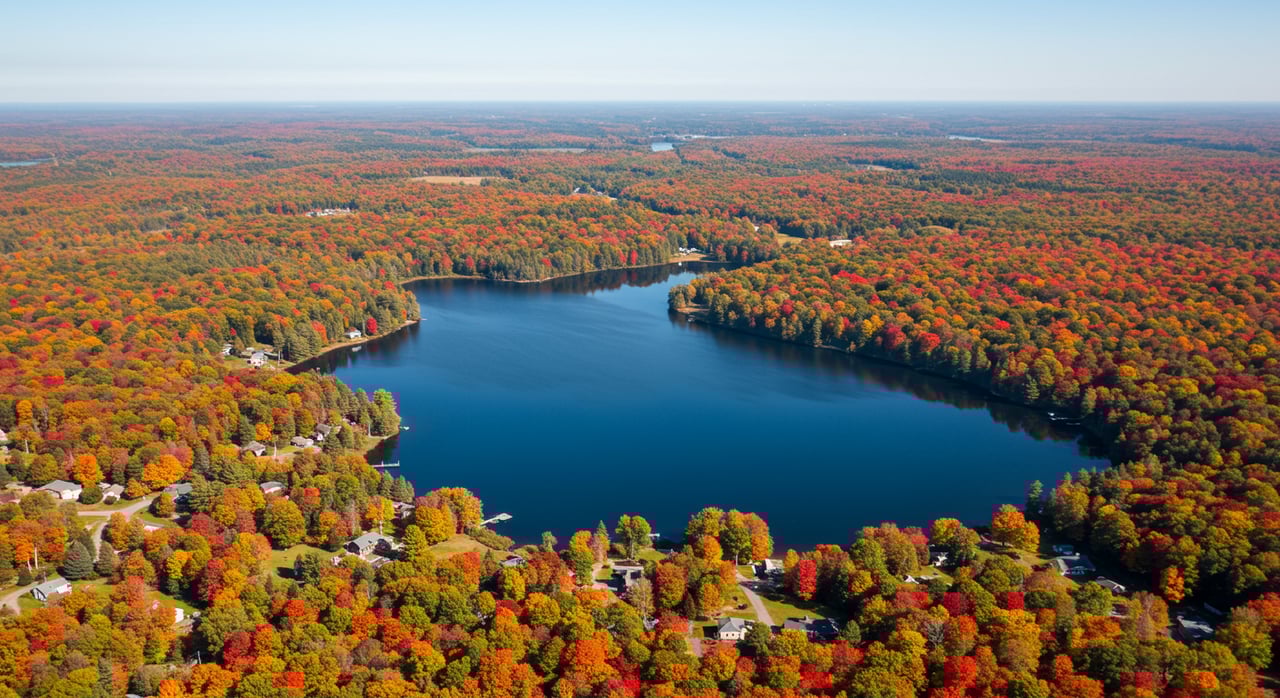
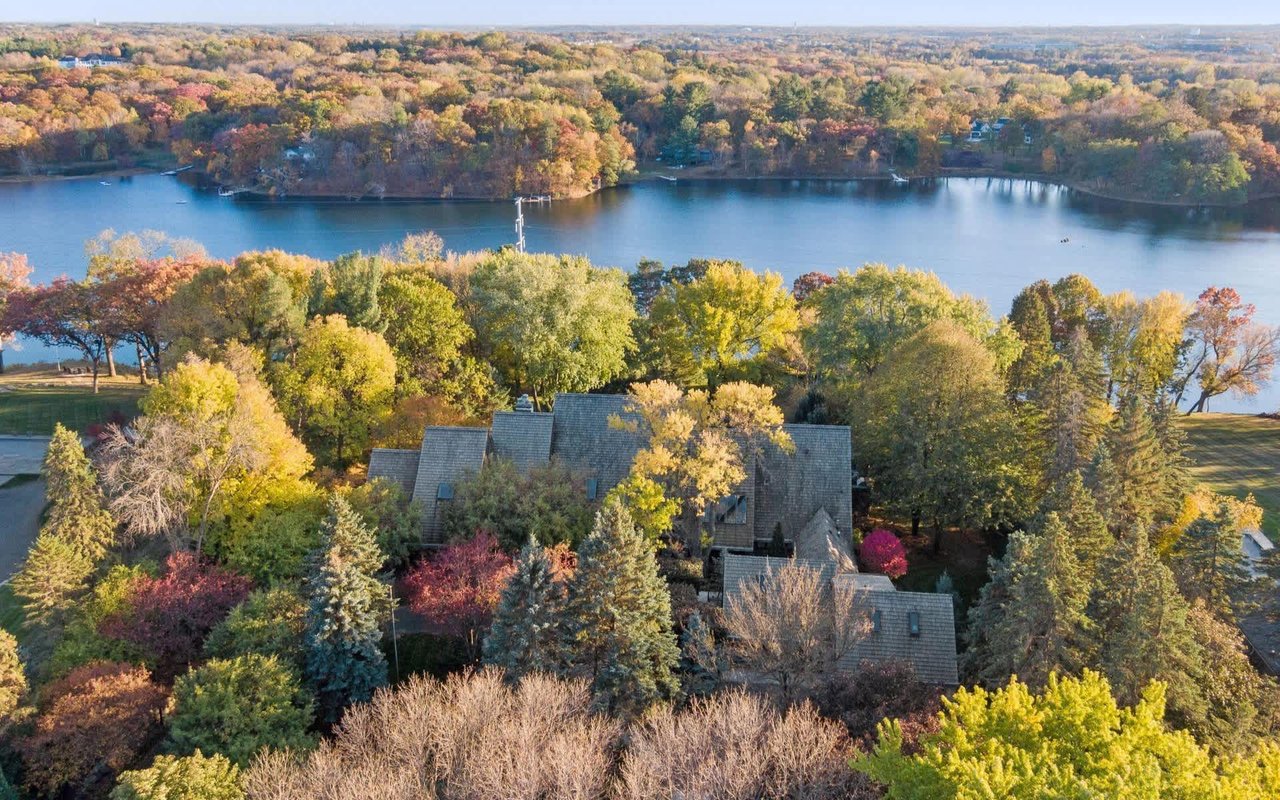
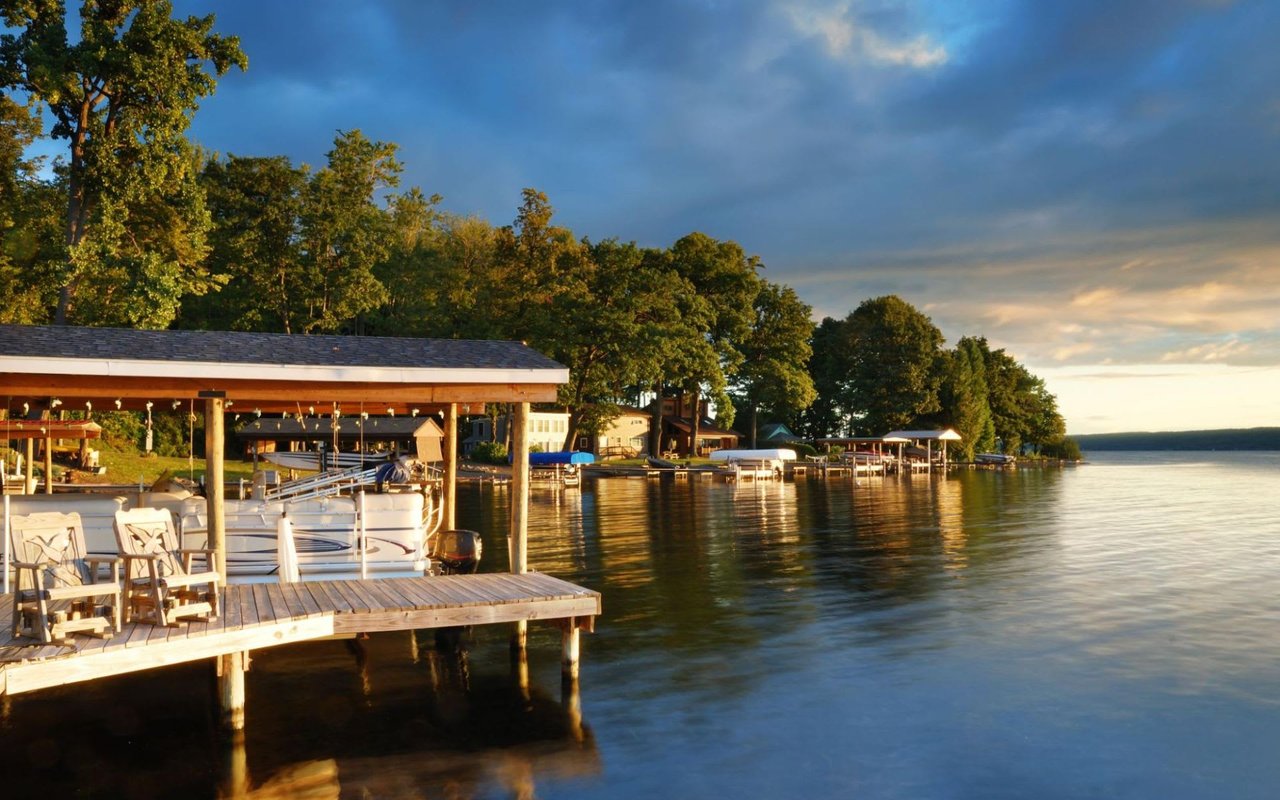
A few minutes away, Thompson County Park covers 57 acres around Thompson Lake, with roughly two miles of paved trail and another mile-plus of wooded footpath. The paved loop connects to the River to River Greenway, which links Thompson to Kaposia Park in South St. Paul and eventually to the Mississippi River Greenway. The park's four-season Dakota Lodge hosts weddings and reunions, and the lake itself draws anglers to a fishing pier that stays busy well into fall, with Canada geese staging on the water before their southern flights.
Neither park competes with the other for attention. Dodge leans into structured programming and land restoration. Thompson leans into flat, accessible trails and picnic space. Together they give West St. Paul two distinct outdoor identities within a short drive of the same retail strip that anchors the city's tax base.
The city put both weeks on the same page
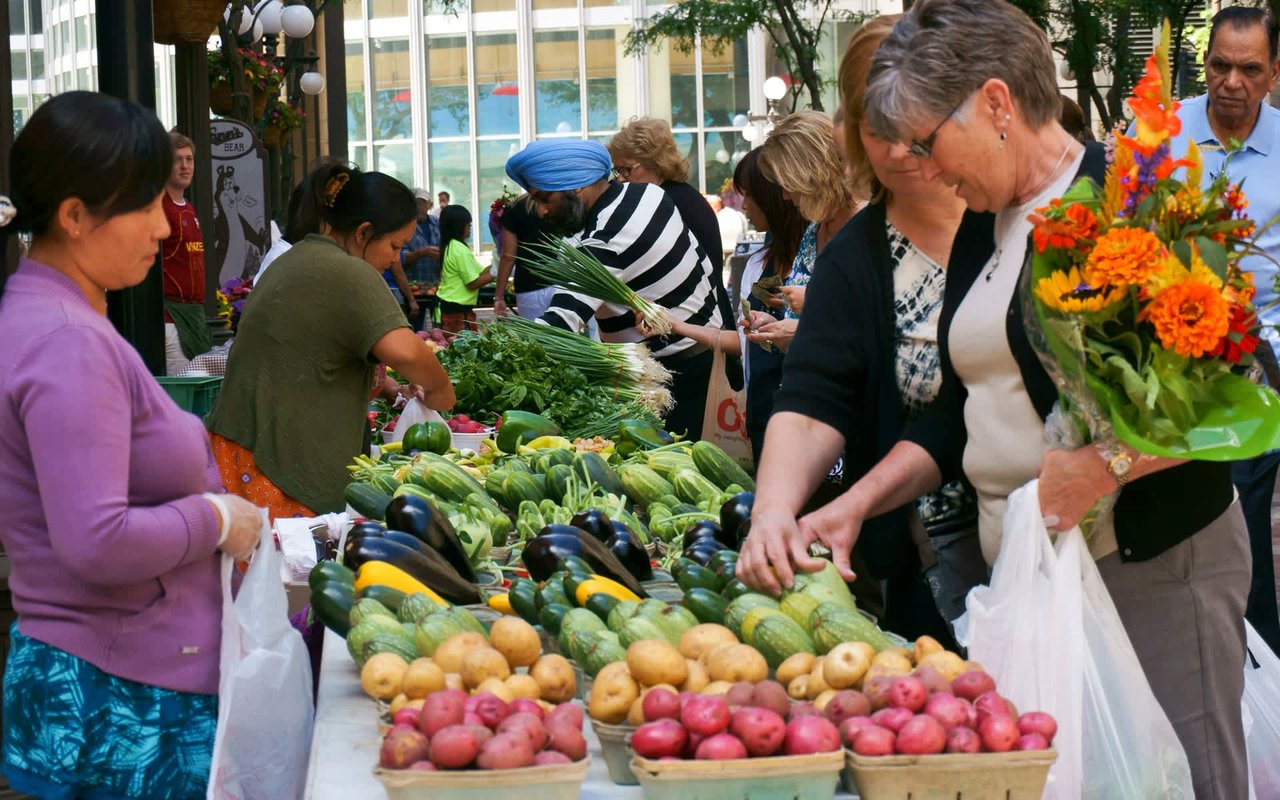
Here's where the calendar gets specific. On September 17, Dodge Nature Center hosts Night for Nature, its annual benefit for the nature center and its preschool. The next evening, September 18, the city runs its WSP Night Market at the West St. Paul Sports Complex on Oakdale Avenue. One event is a quiet fundraiser walk through restored habitat. The other is a market built around crowds, vendors, and foot traffic. They land back to back, not a season apart.
The calendar continues that pattern. On September 22, Dodge runs a Forest Bathing session, a guided, slow-paced walk built around the idea that time in the woods produces measurable effects on mood and attention. Two days later, on September 24, the center's Paint by Nature: Butterflies workshop invites residents to look closely at the insects moving through the property before the frost. Both sessions ask visitors to slow down in the days after the market night.
This isn't a coincidence worth over-reading. It's a useful fact for anyone who lives here and has assumed you have to pick a lane each weekend, either the market-and-restaurant version of West St. Paul or the trail-and-lake version. The city's own event calendar this month says you don't.
What Robert Street looks like right now
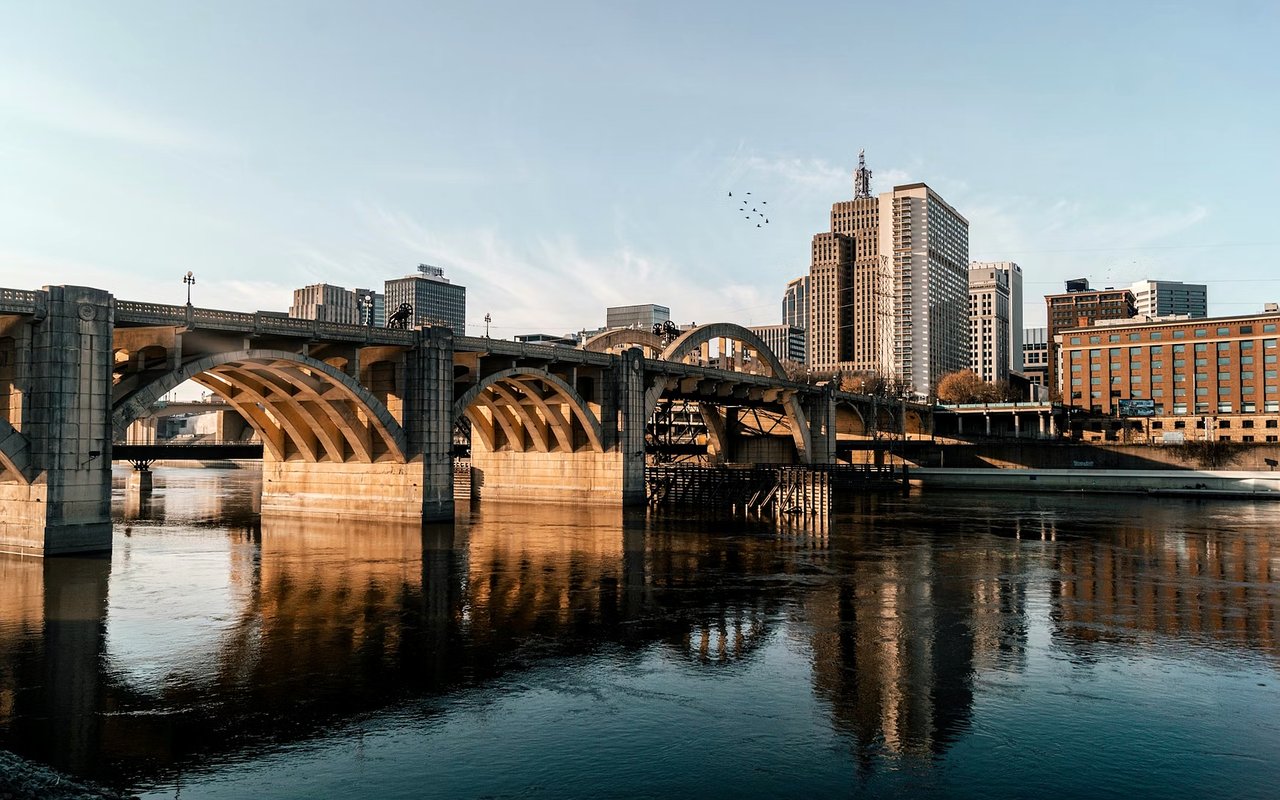
The retail corridor itself is in the middle of a longer transition. MnDOT is planning a multi-phase reconstruction of Highway 3/Robert Street between Annapolis Street and Kellogg Boulevard, with private utility work starting in 2026 and full road construction split across 2027 and 2028 so closures stay limited to whichever segment is active at the time. A related study is underway on South Robert Street between Mendota Road and Annapolis Street, the stretch that runs through the heart of West St. Paul's commercial district. None of this closes the corridor tomorrow, but it tells you the next few years of Robert Street driving will come in phases rather than all at once, and it's worth knowing before you plan around a specific stretch of the road.
In the meantime, the corridor's day-to-day tenant mix reflects what a first-ring suburb's main commercial street tends to look like once a reconstruction project settles in: Hobby Lobby, Planet Fitness, Chick-fil-A, Raising Cane's, Jersey Mike's, Qdoba, and Chuck & Don's all sit along South Robert Street, alongside longer-running local businesses. It's a corridor built for errands and quick meals, not a destination shopping district, and that's exactly the role it plays for people who live a few blocks off it.
The city is investing in the in-between
West St. Paul's own newsletter offers a detail worth sitting with. A recent community survey found high marks for public safety and street maintenance, but residents also said they wanted more local activities, more independent businesses, and a stronger sense of place along the city's main corridors. In response, the city says it's launching a multiyear initiative in 2026 focused on arts, place, and culture, aimed at drawing new businesses and adding more events and activities across the community.
That's a specific signal, not a vague promise. It means the Night Market, the Explore West St. Paul Days programming, and events like the open house Dodge hosted at its Main Property during that same June celebration weren't isolated bookings. They're early pieces of a plan the city is committing multiple years and budget cycles to, built around a survey result that said residents wanted more of exactly this kind of texture.
The city's Harmon Park, with its splash pad, five ball fields, and Neighborhood Center, continues to serve as a second civic anchor away from Robert Street, and the John V. Hoene Ice Arena has been going through phased upgrades to its coolant system and other infrastructure to keep the rink running for another generation of skaters. None of these are flashy additions. They're the kind of steady civic investment that shows up less in headlines and more in whether the splash pad still works next July or the ice still holds in January.
What this adds up to
The easy version of a West St. Paul lifestyle post treats the city as a single character: a quiet, affordable suburb next to a busier one. The calendar this September argues for something more specific. This is a city running two different rhythms over the same stretch of days, one built around a market on Oakdale Avenue and one built around forest bathing at Dodge, both scheduled without apparent concern that they'd compete for the same evening. That's not an accident of small-town programming. It's a sign of a place secure enough in its own mix that it doesn't need to choose a single identity to sell.
If you already live here, that's worth noticing the next time you're deciding between a Friday at the market and a Saturday morning at Thompson Lake. You're not picking between two different towns. You're picking between two things the same town does well over the same stretch of days.
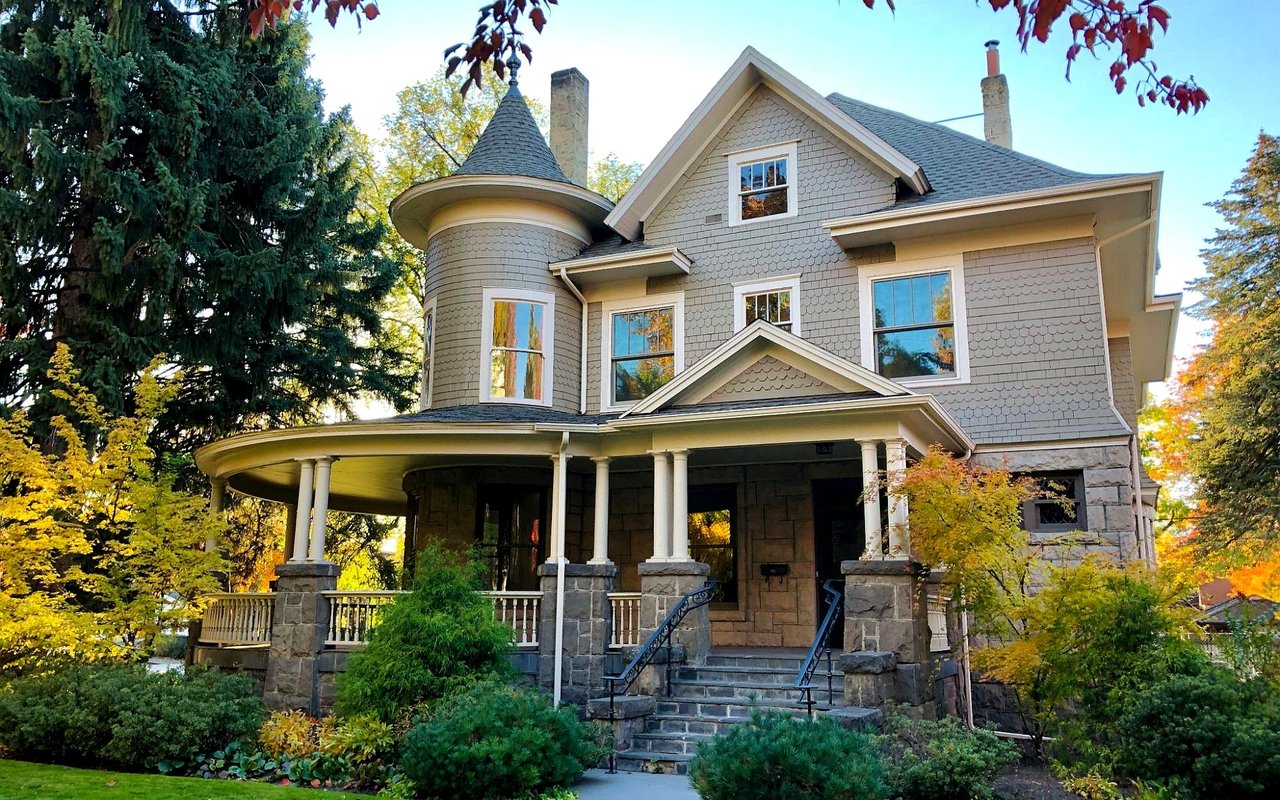
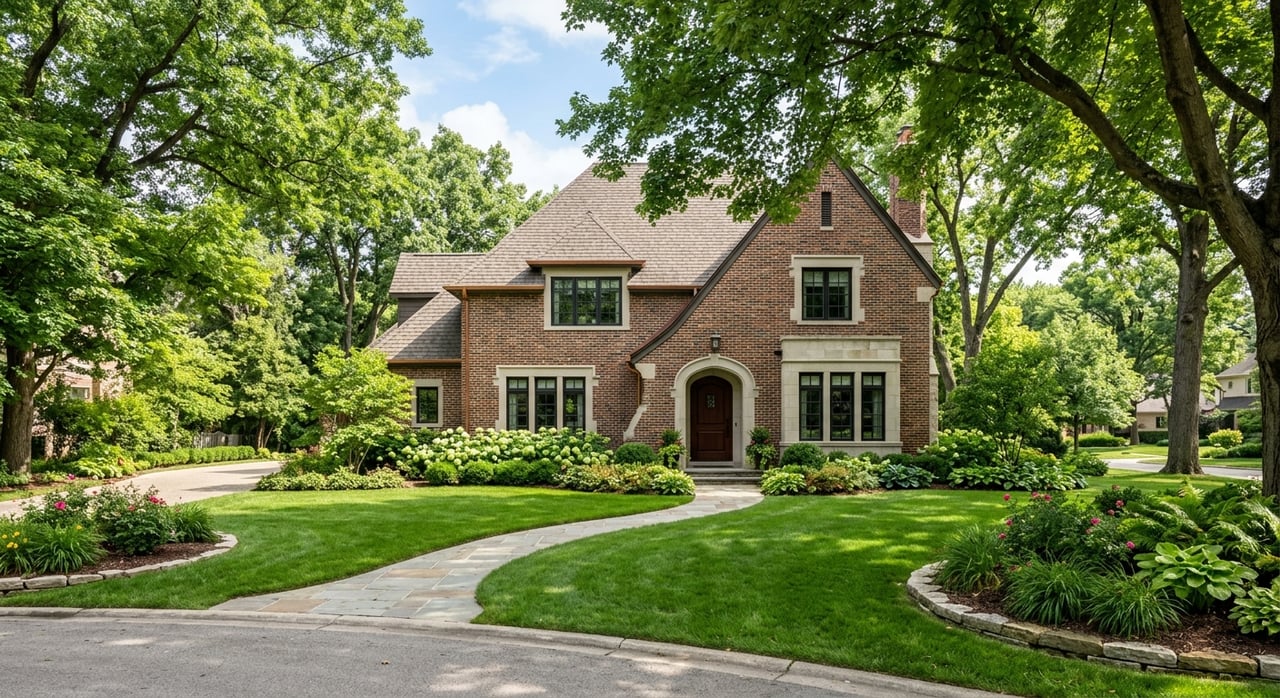
For residents thinking ahead about a move within West St. Paul or into one of the neighboring communities Sally English covers, that kind of local texture, the parks that don't compete with each other, the corridor mid-transition, the civic investment responding directly to what residents asked for, is the kind of detail that shapes day-to-day life long after closing day. If you'd like to talk through what a property in this part of the Twin Cities actually offers beyond the listing photos, Sally English would be glad to help. Let's Connect.