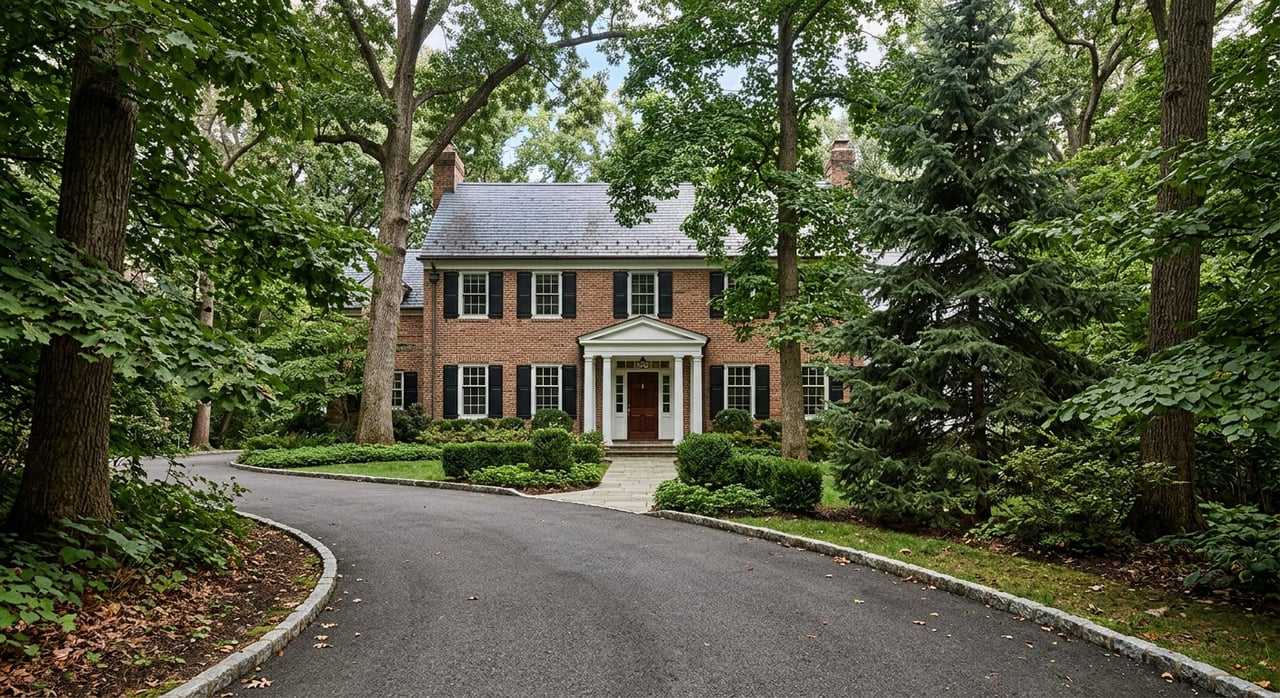
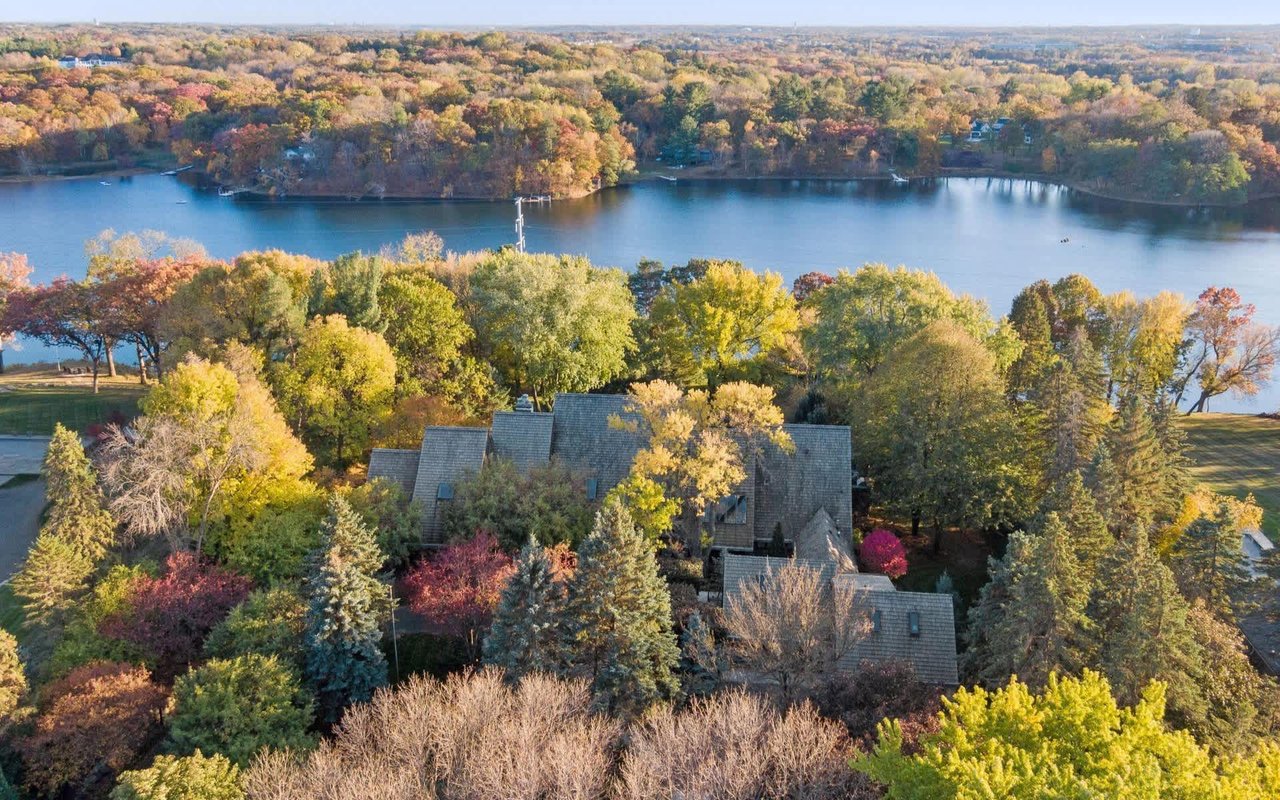
In 2022, a homeowner named Michael Frattallone bought two adjoining parcels on Sibley Memorial Highway in Mendota Heights for $1.64 million, property records showed at the time. The land had belonged to developer Jerry Trooien, sat above the Mississippi River, and came with the kind of privacy that makes bluff lots desirable in the first place. Frattallone brought in contractors to grade and landscape roughly 10,000 square feet of the property, including a sand volleyball court. Neighbors noticed the equipment, called the city, and work stopped. He had never pulled a permit.
The lot wasn't even directly on the river. It sat back roughly 1,000 feet from the water, the Star Tribune reported at the time. That didn't matter. The parcel fell inside the Mississippi River Corridor Critical Area, a protection zone that has covered this stretch of the river since 1976, and Mendota Heights Public Works Director Ryan Ruzek confirmed the city requires a permit for any land alteration over 1,000 square feet within it. Contractors had disturbed ten times that.
This is the story a lot of bluff-lot buyers and sellers in Mendota Heights don't know until it becomes their story. The assumption on a two-acre parcel with river views is that more land means more latitude: fewer neighbors close enough to complain, fewer rules dense city lots have to follow. In this specific corridor, the opposite is closer to true. The properties with the most privacy and the best views are often the ones carrying the most oversight, because the land underneath them is the reason the oversight exists.
What actually sits inside the overlay
The Mississippi River Corridor Critical Area, or MRCCA, isn't citywide. According to the city's own permit page, it covers properties along the northerly edge of Mendota Heights, running along the State Highway 13 and Sibley Memorial Highway corridor, plus the shared boundaries with Mendota and Lilydale. If your listing, or the one you're considering, doesn't touch that edge of the city, this likely doesn't apply. If it does, the list of what requires a permit is longer than most sellers expect.
| Requires a Standard MRCCA Permit | Requires only a Minor/Administrative Permit |
|---|---|
| New construction or additions | Small additions under 200 square feet |
| Retaining walls | Fences and sheds |
| Swimming pools | Small decks and walkways |
| Detached garages | Patios |
| Land alteration or grading | |
| Vegetation and land clearing | |
| Sewage treatment system installation or alteration |
Larger projects under these rules move through the city's full planning review track, not just a staff sign-off. Mendota Heights holds Planning Commission meetings at 7 p.m. and City Council meetings at 6 p.m., both at City Hall, and the city's own guidance is blunt about the consequence of missing a deadline: late or incomplete applications simply don't make it onto the agenda. The city recommends meeting with staff before you submit anything at all.
Why the bluff itself is the trigger
A bluff, under the state rule that governs this whole 72-mile river corridor, is defined as any slope of 18 percent or greater. That's a geometry test, not a judgment call, and it's why a parcel can sit 1,000 feet from the river and still be regulated as if it were on the bank. The rule prohibits structures within bluff and shoreline setbacks and limits how much vegetation can come off a slope like that, because the whole point of the 1976 designation was to keep the corridor's bluffs, wetlands, and scenic views intact even as the metro grew up around them.
Colleen O'Connor Toberman, who directs land use and planning work for Friends of the Mississippi River, put the enforcement gap in plain terms when the Frattallone case became public: Mendota Heights, she said, is "the only city that requires permits for almost anything you do in the critical area." Other cities along the same river corridor have the same rules on paper. Mendota Heights is the one that actually checks.
That distinction matters if you're comparing Mendota Heights to a neighboring suburb on lot size and price alone. The acreage might look similar. The permitting reality on a bluff parcel here is not.
What this means if you're selling
If your property, or the one you're listing, touches that MRCCA boundary, the due diligence conversation should start before the sign goes in the yard, not after an inspector asks about it. A few questions are worth answering in advance:
- Has any grading, retaining wall work, pool installation, or significant vegetation clearing happened on this parcel during your ownership, and is there a permit on file for it?
- If work happened without a permit, is it worth applying now, before a buyer's attorney or title company raises it during closing?
- Does the parcel's septic or sewage treatment system, if it has one, have documentation showing it was installed or altered under a permit?
None of this means unpermitted work automatically kills a sale. In the Frattallone case, the city didn't fine the homeowner. Community development director Tim Benetti said officials met with him, he applied for the permit after the fact, and the matter was resolved without a penalty. What it does mean is a delay, and delays inside a purchase agreement have a way of becoming leverage for whoever notices first.
What this means if you're buying, especially if you're building
For an investment-minded buyer eyeing a bluff parcel for a teardown, an addition, or a pool, the MRCCA overlay is a planning input, not a footnote. Larger projects move through the city's full planning review process, and the city explicitly encourages a pre-application meeting with staff before you file anything. Build that lead time into your offer timeline the same way you'd build in a financing contingency. Construction itself is also bounded by city hours, weekdays from 7 a.m. to 8 p.m. and weekends from 9 a.m. to 5 p.m., which is worth knowing if your renovation schedule assumes anything more flexible.
The demand for these parcels hasn't slowed because of the regulation. Bluff lots along streets like Hunter Lane and Glenhill Road, some over three acres with sweeping views of the Minnesota River Valley or downtown skylines, continue to draw serious interest from buyers planning custom builds. The overlay shapes how you build there. It doesn't appear to be shrinking who wants to.
Where the numbers stand right now
As of June 2026, the median home price for single-family listings in Mendota Heights sat at $1,040,000, with an average sale price of $1,210,995. Homes were spending a median of 39 days on the market, well under the national average of 58 days. Looking at the trailing 12 months through June 2026, the median sale price across the city was $877,000, up 25 percent from the prior 12-month period. At the time of that snapshot, 36 houses were listed for sale in the city, spanning $359,900 to $4,685,000, a range wide enough to include everything from a starter property to a bluff estate.
None of that data distinguishes MRCCA parcels from the rest of the city's inventory. That's precisely why the permit history question deserves a direct answer rather than an assumption based on price point or acreage. A $1.6 million purchase price didn't exempt the Frattallone parcel from a 1,000-square-foot grading threshold, and a $4 million bluff listing today isn't exempt either.
A few questions worth asking directly
Does every property in Mendota Heights fall under the MRCCA? No. The overlay covers the corridor along State Highway 13 and Sibley Memorial Highway and the shared boundaries with Mendota and Lilydale. A property elsewhere in the city isn't subject to these specific rules.
What actually counts as a "bluff" here? An 18 percent slope or greater, under the state rule that governs the whole river corridor. It's a measurable threshold, not a description of how the land looks from the street.
If a past owner did unpermitted work, does that sink the sale? Not automatically. It can slow the transaction and it should be disclosed. The city has a process for applying for a permit after the fact, and in at least one documented case that process resulted in no fine.
If you're weighing a bluff-lot listing in Mendota Heights, on either side of the transaction, the permit history is worth a phone call to the city before it becomes a question from someone else's attorney. Sally English works this corridor regularly and can walk you through what a specific parcel's MRCCA status means for your timeline, whether you're preparing to list or evaluating a purchase. You can also find more on the local market in her Mendota Heights neighborhood guide. Let's Connect.