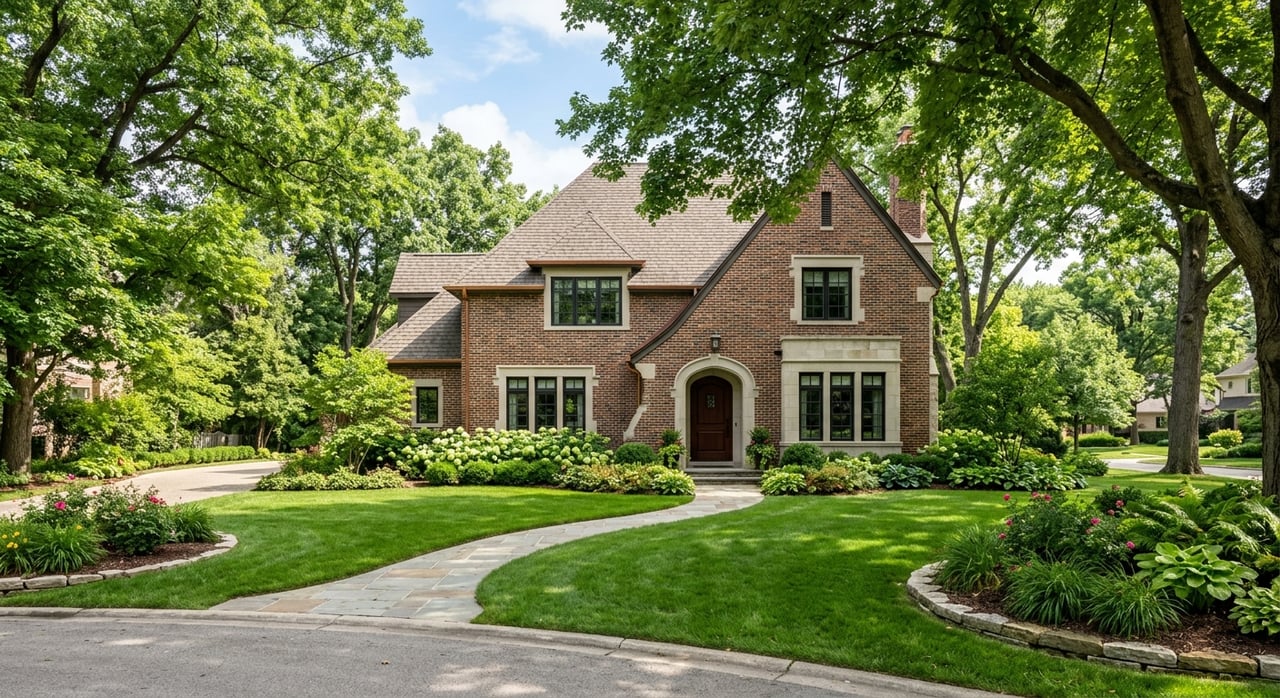
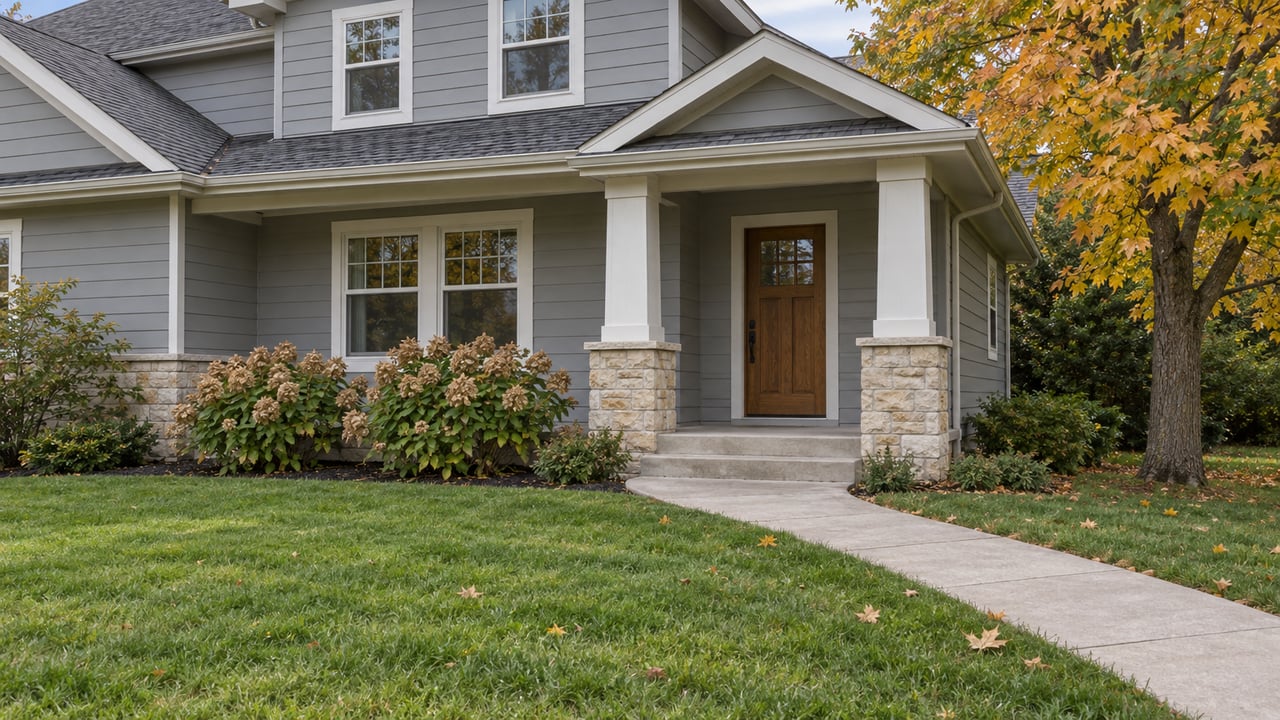
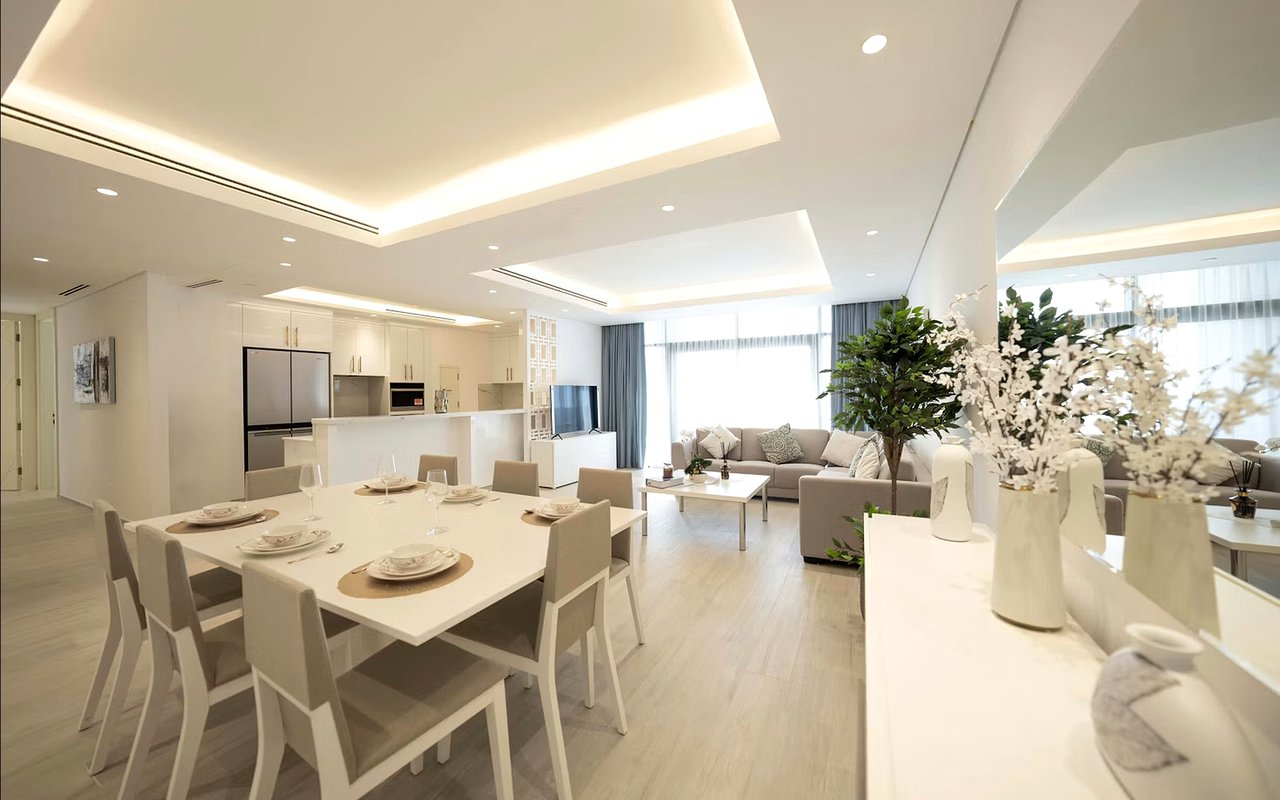
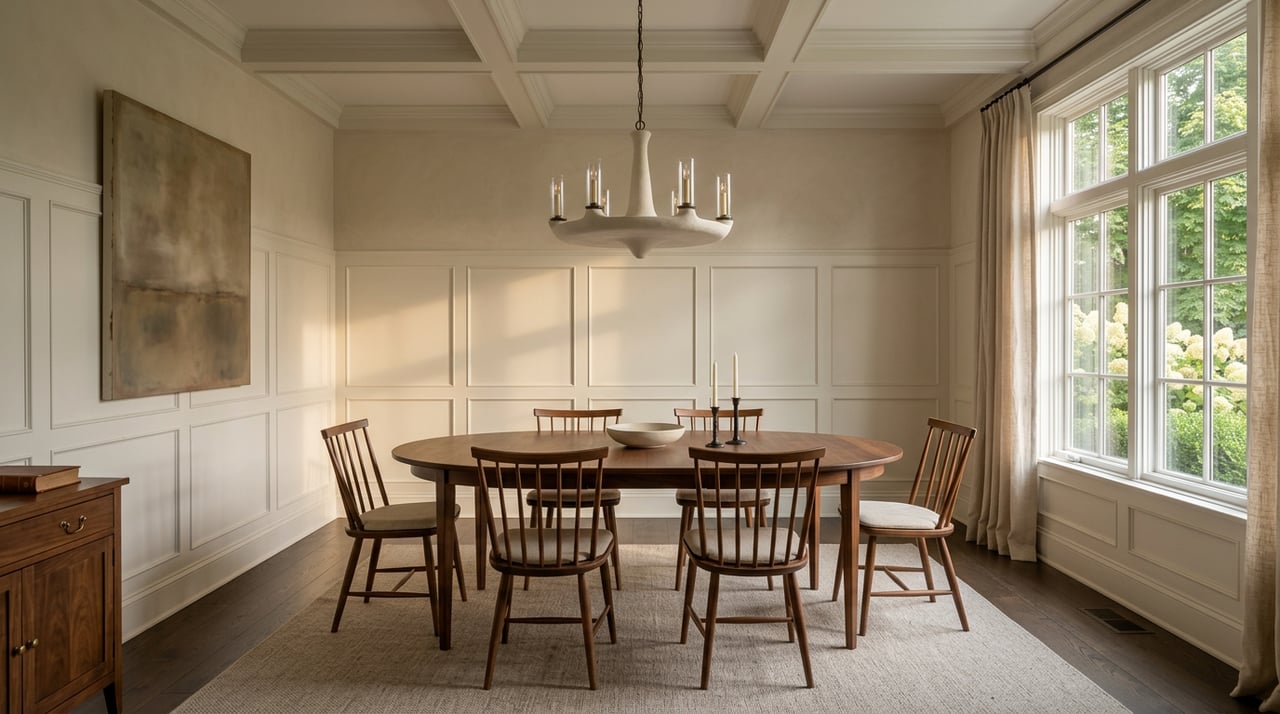
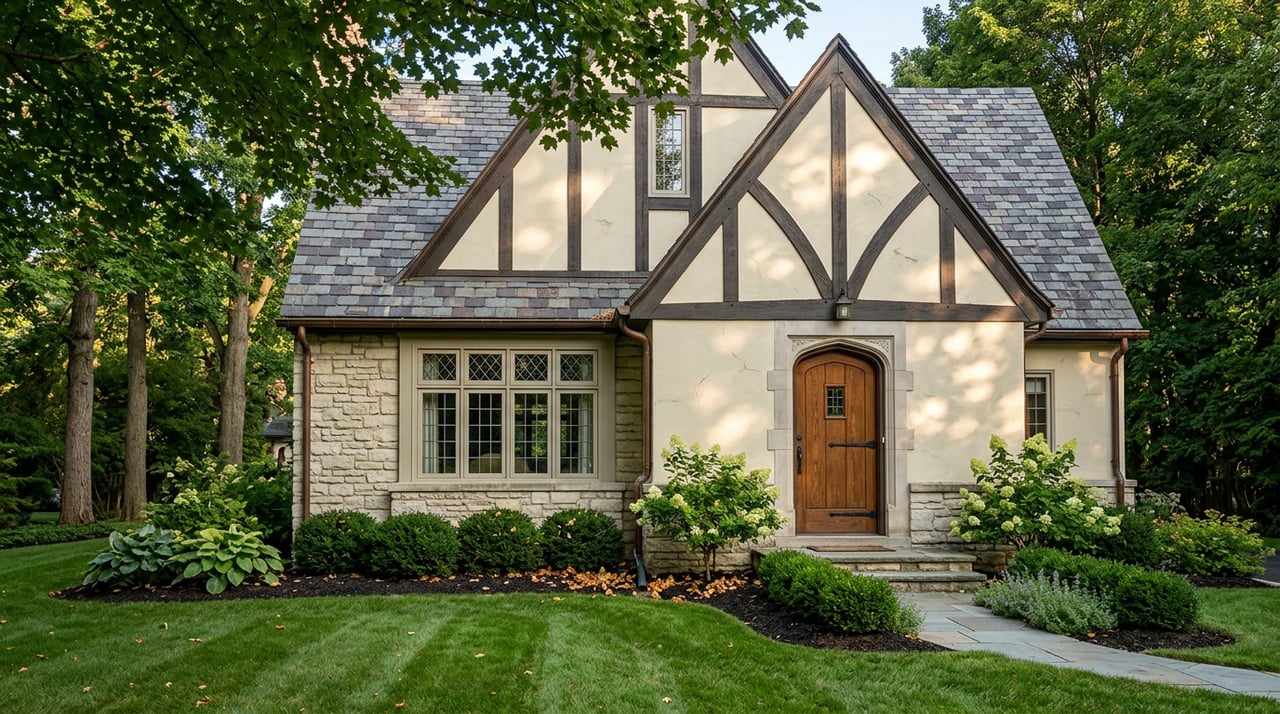
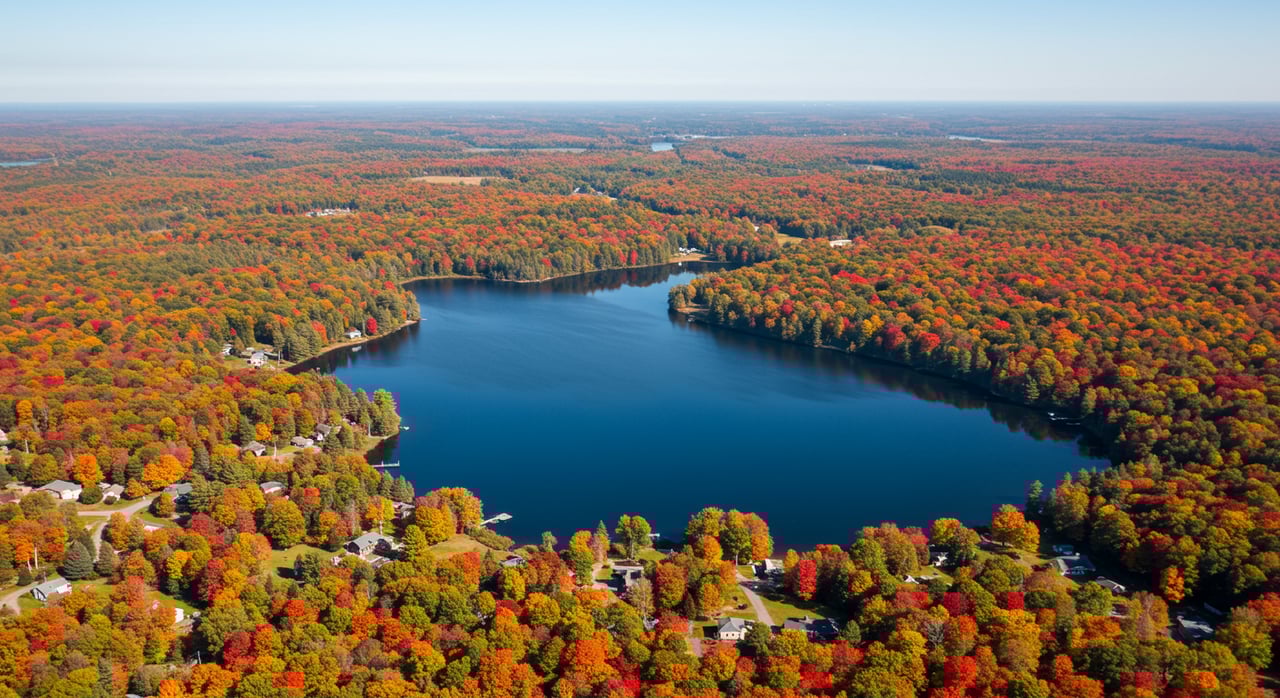
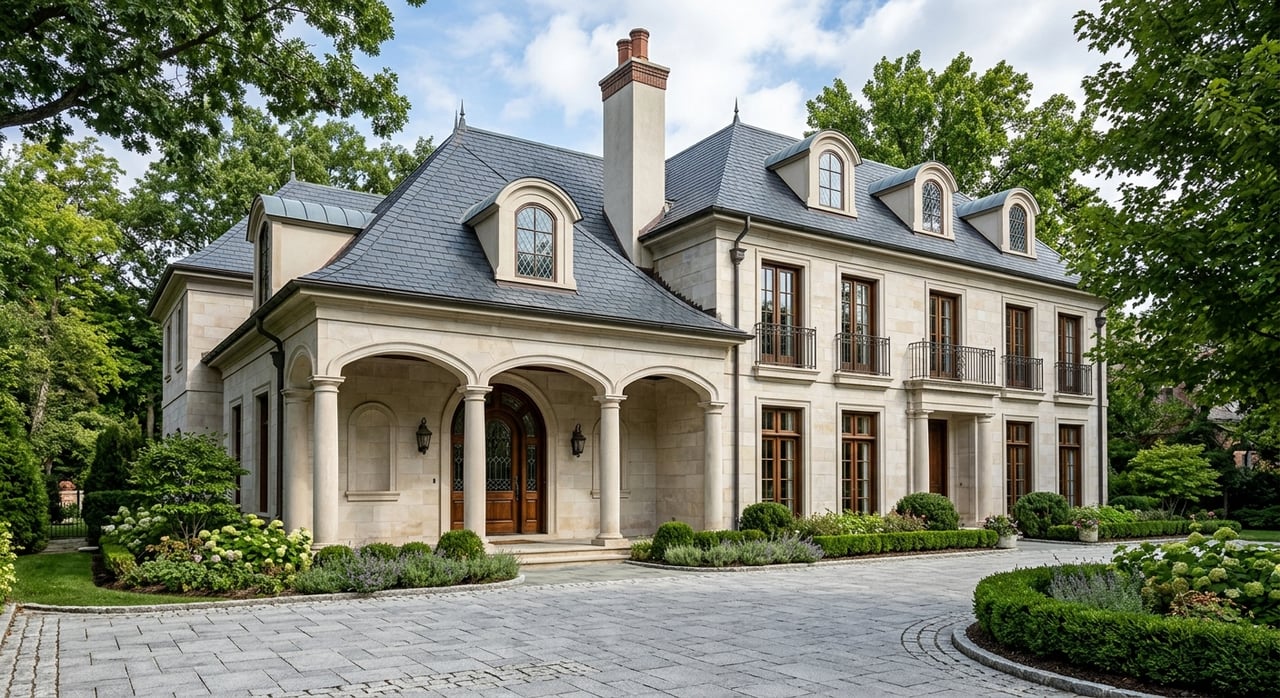
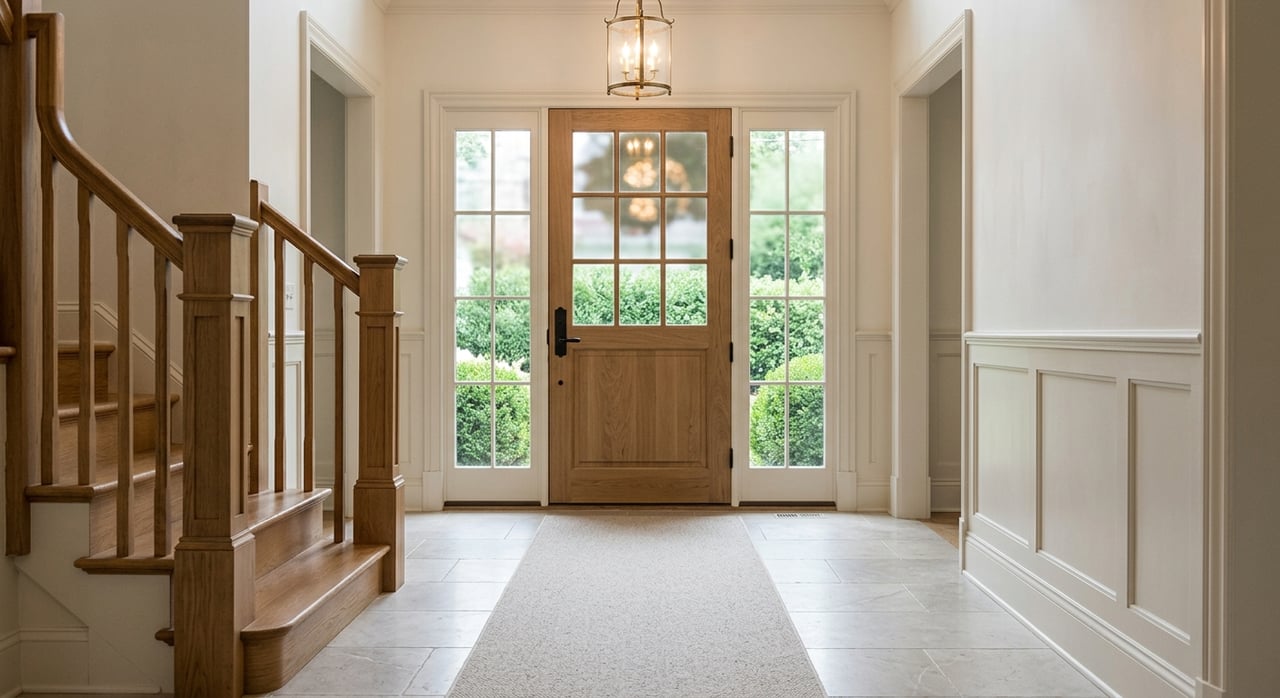
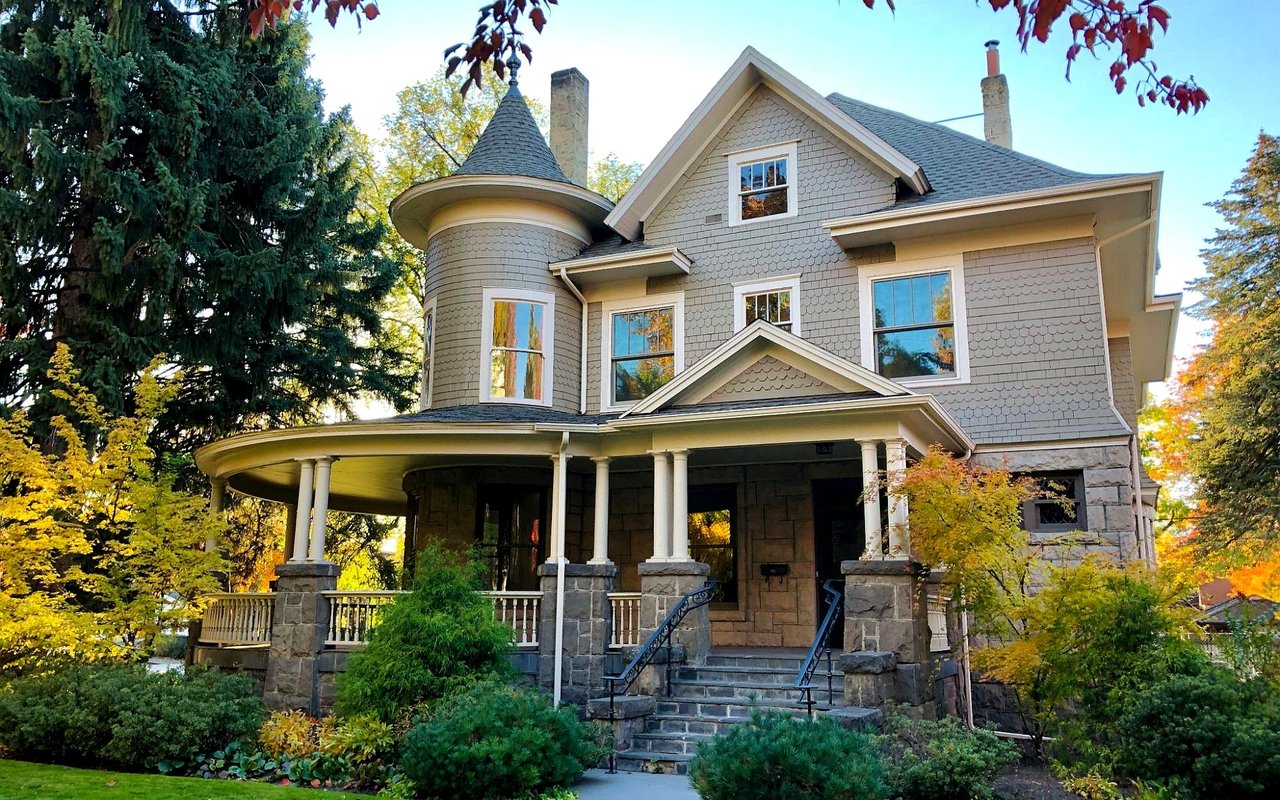
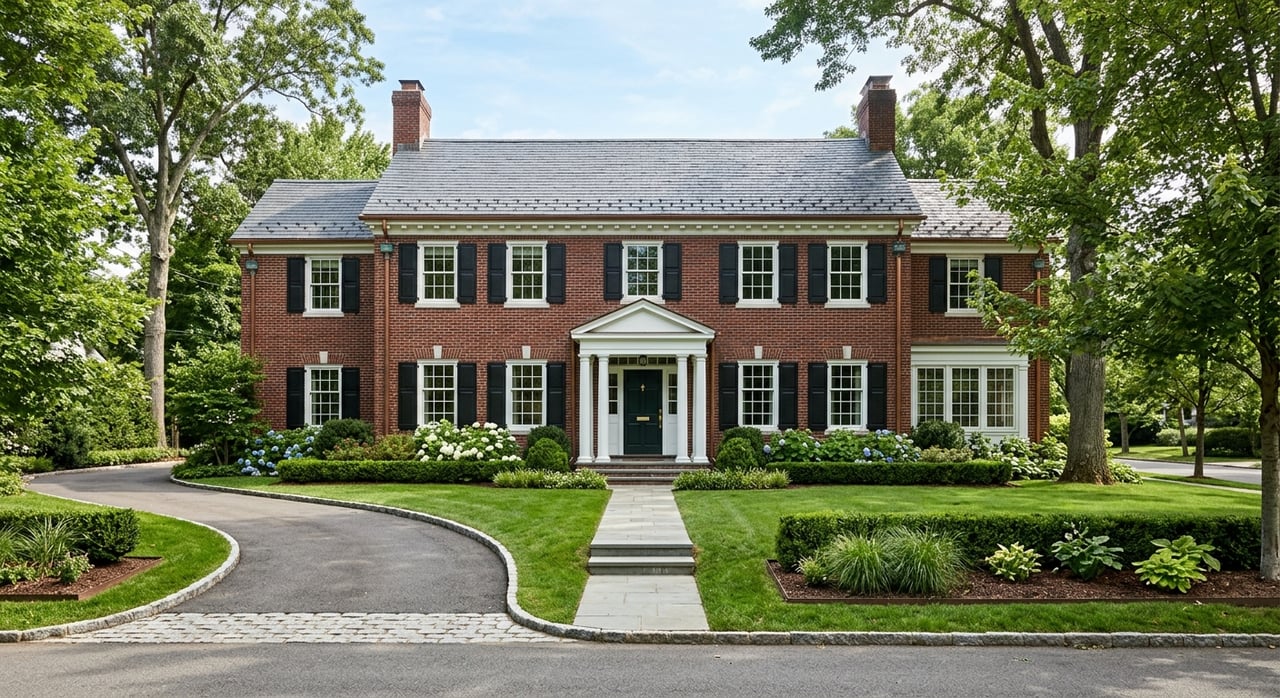
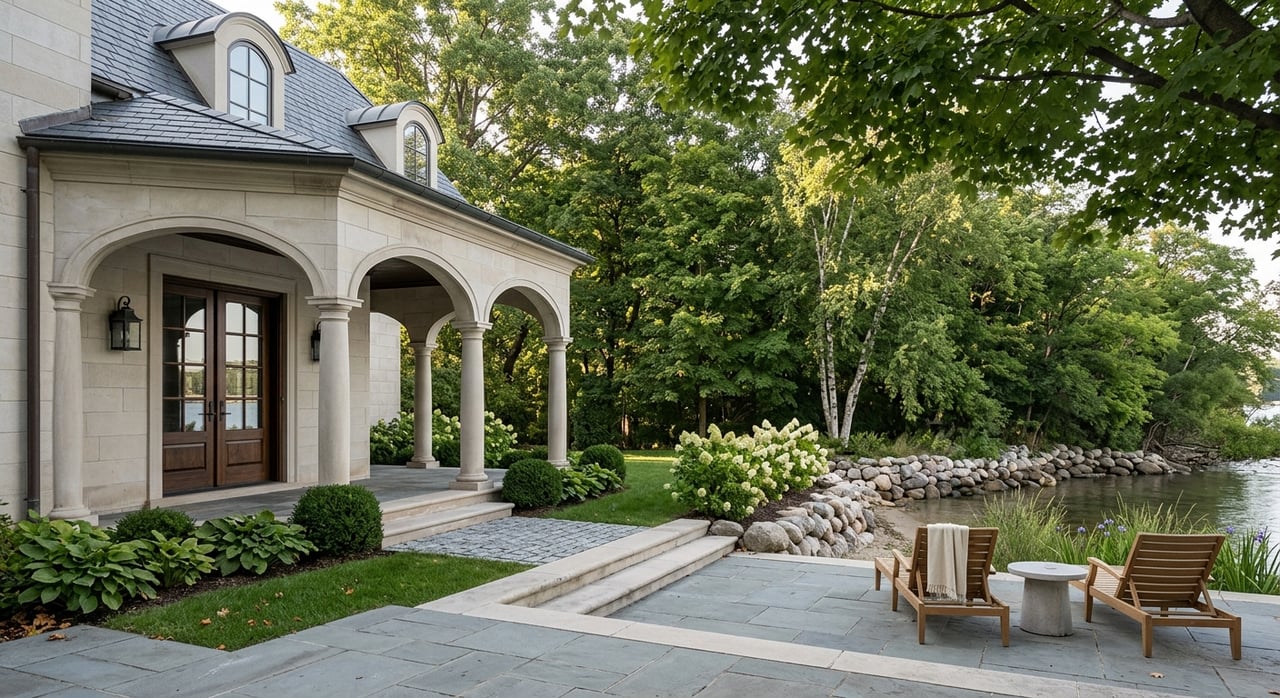
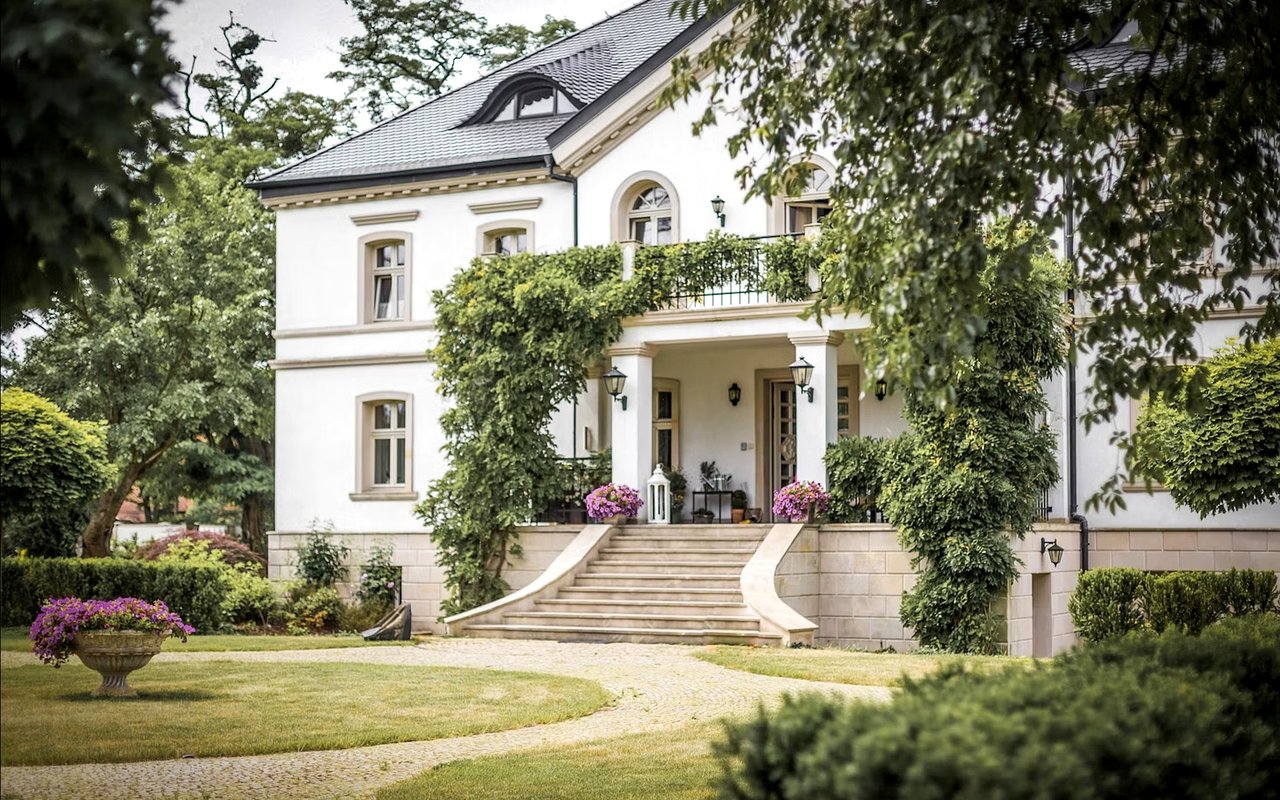
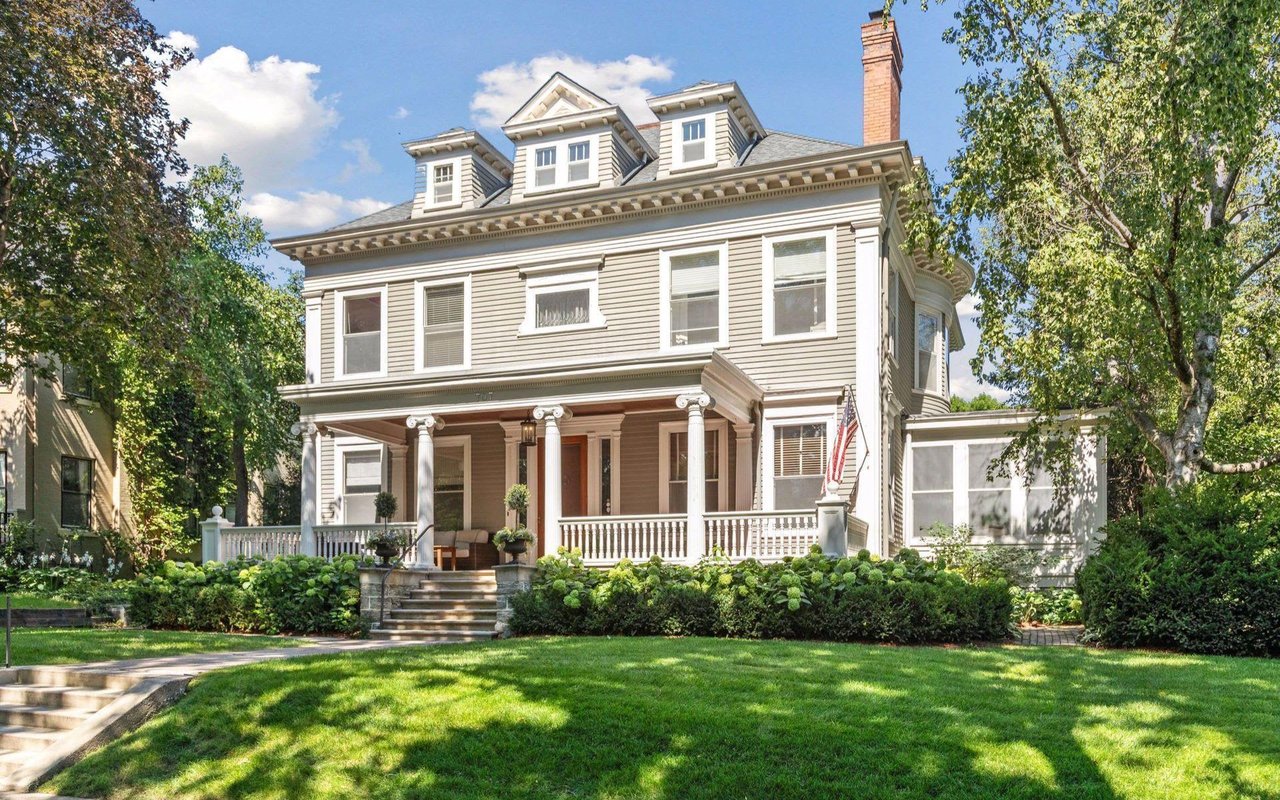
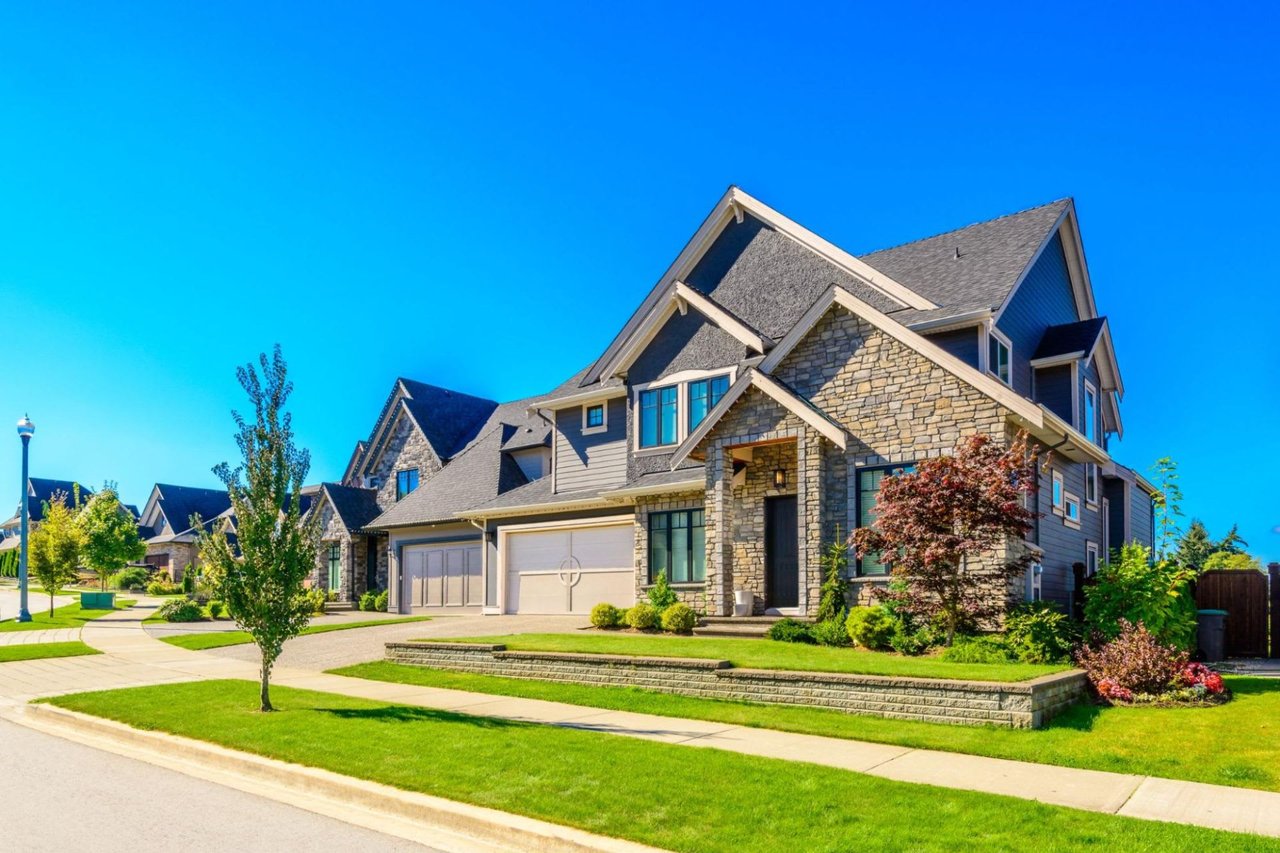
If you picture estate living as more than square footage, Sunfish Lake deserves a closer look. This tiny Dakota County city offers a very different kind of luxury, one rooted in land, privacy, tree cover, and careful preservation. If you are considering buying or selling here, understanding what truly defines the market can help you make more confident decisions. Let’s take a closer look.
What Makes Sunfish Lake Distinct
Sunfish Lake is one of the smallest communities in the Twin Cities metro. The Metropolitan Council’s final 2024 estimate placed the city at 519 residents, 179 households, and 192 housing units. That small scale is part of what sets it apart.
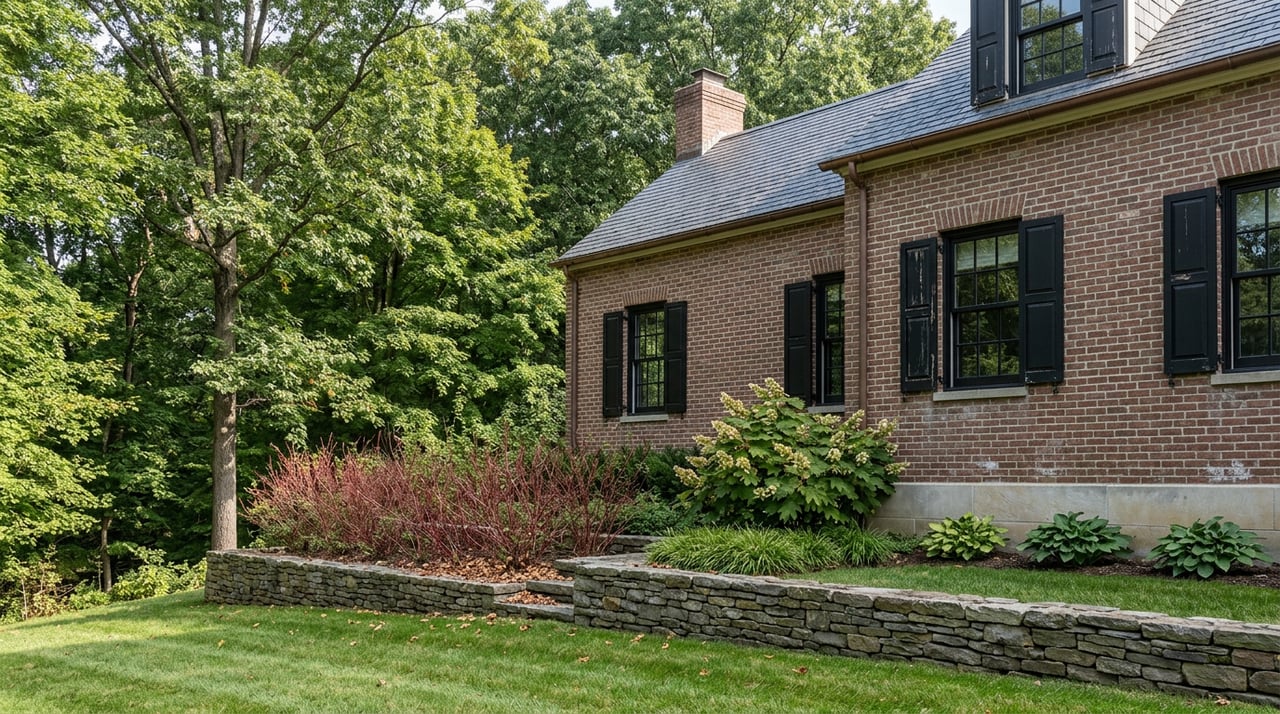
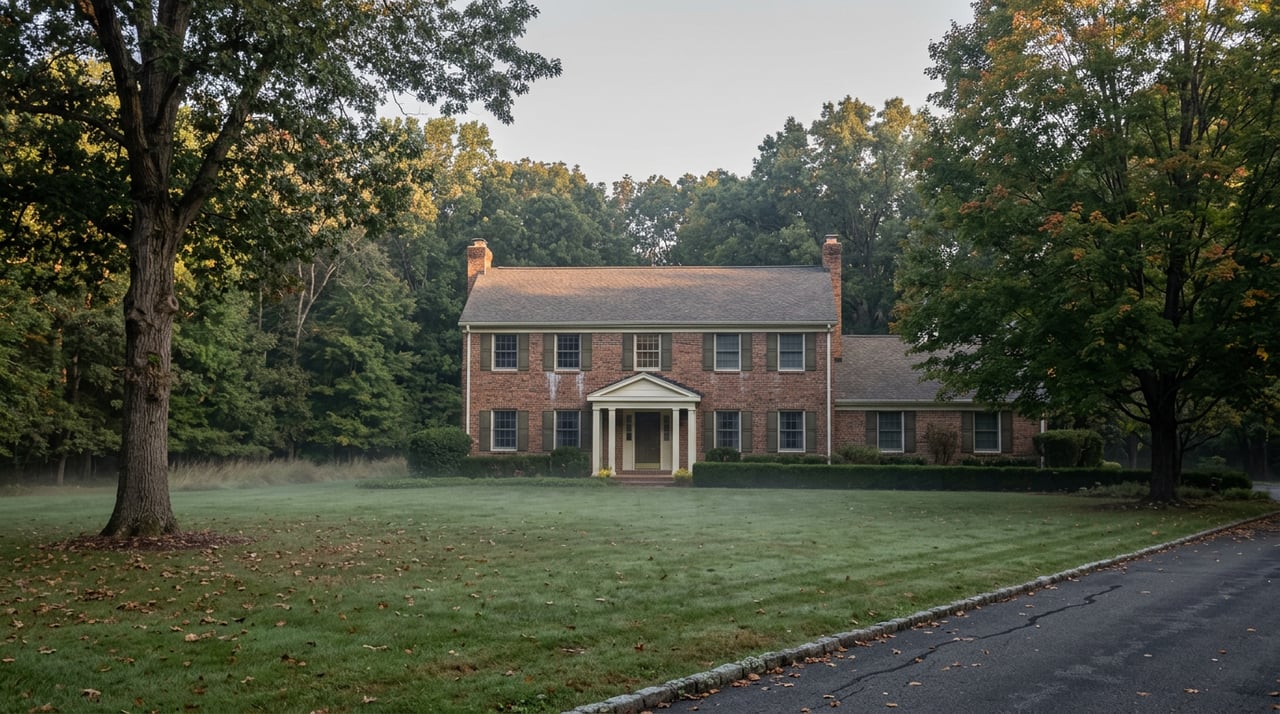
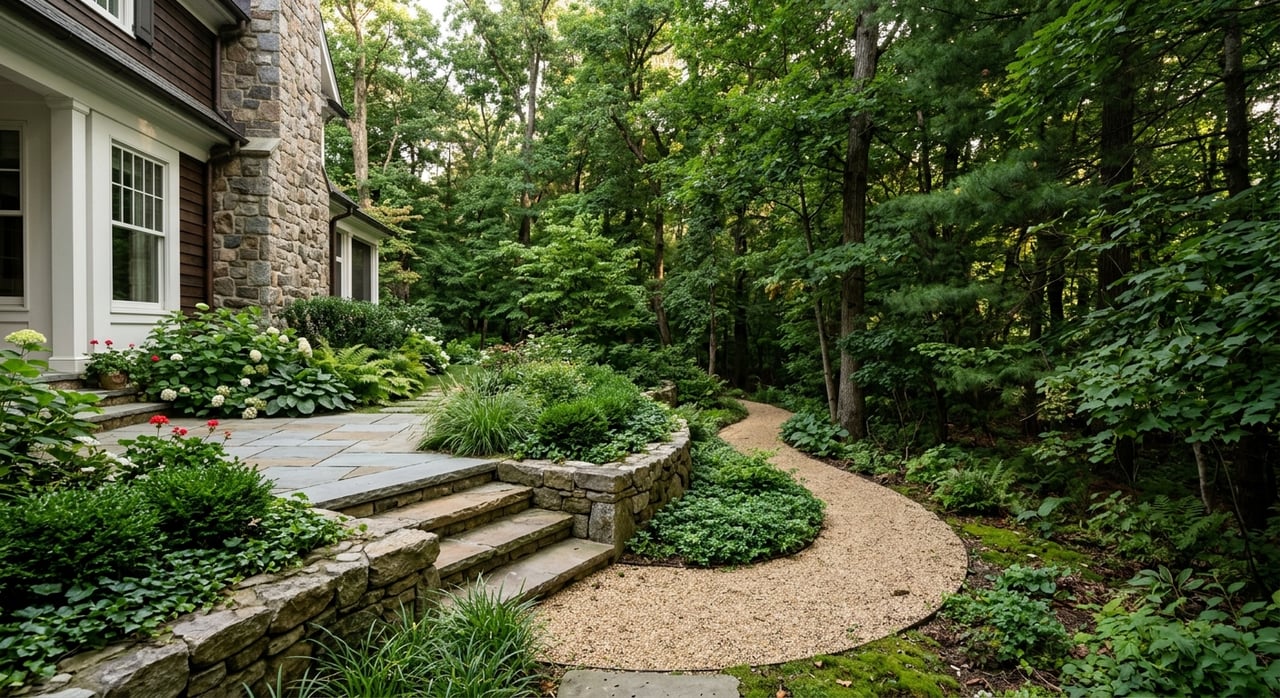
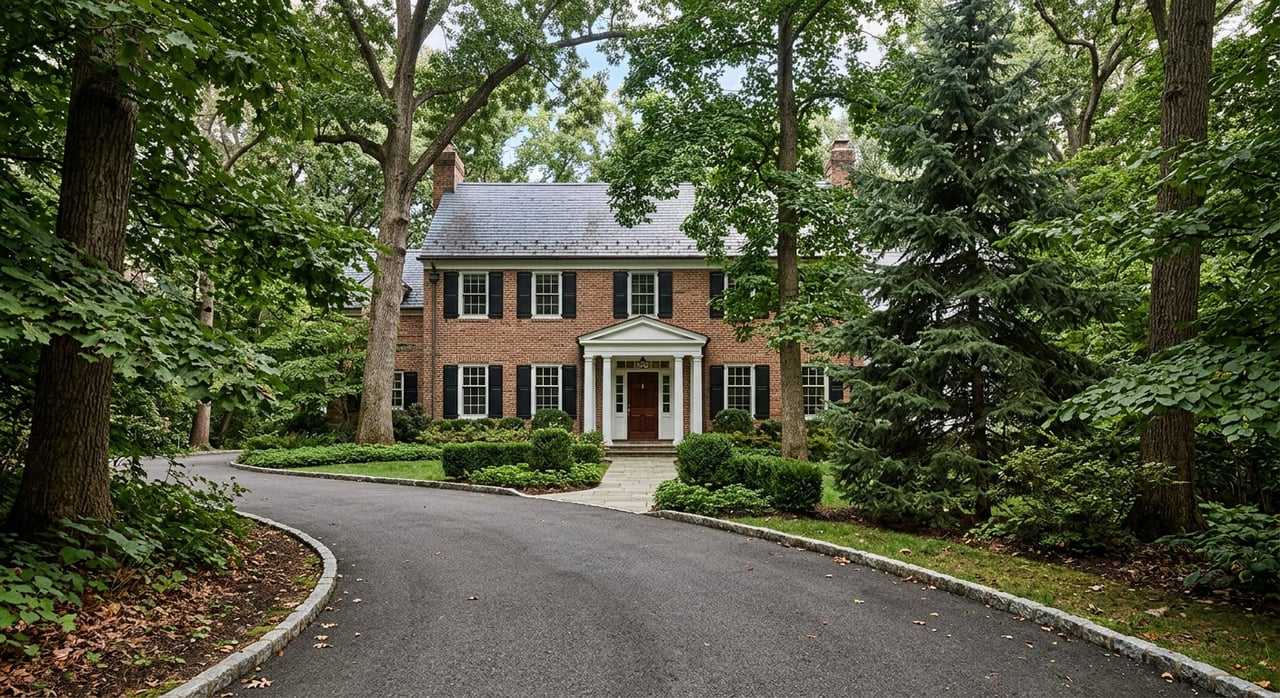
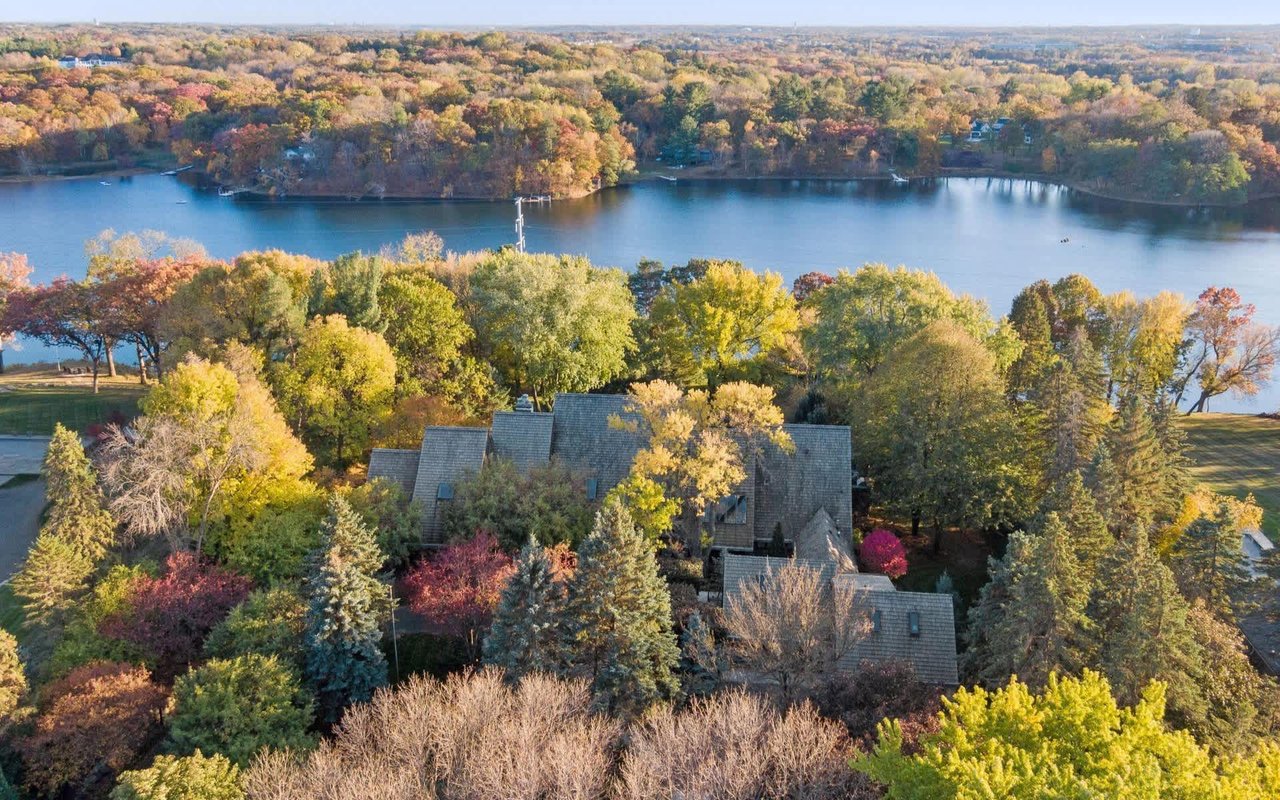
Just as important, the city has an intentional identity. Sunfish Lake describes itself as a place that should remain heavily green, and that goal is visible on the ground. The Metropolitan Council’s tree-canopy analysis lists the city at 62.3% canopy cover, which helps explain the wooded, secluded feel many people notice right away.
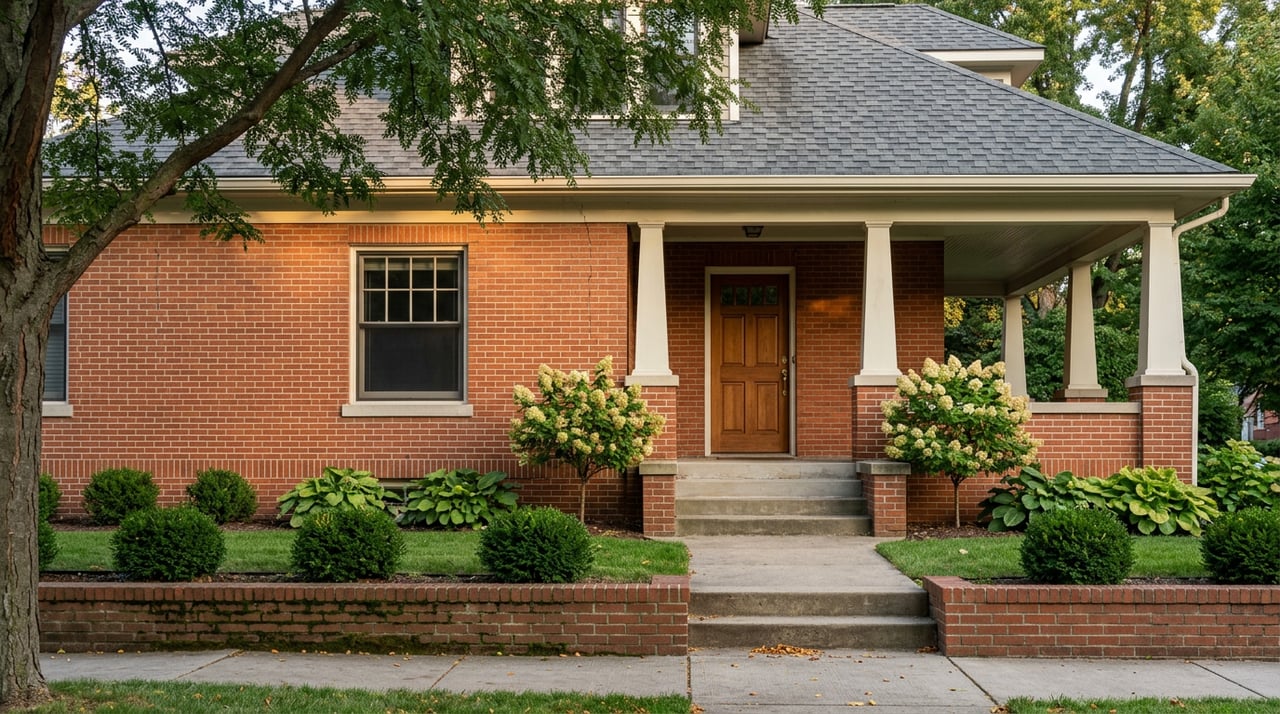
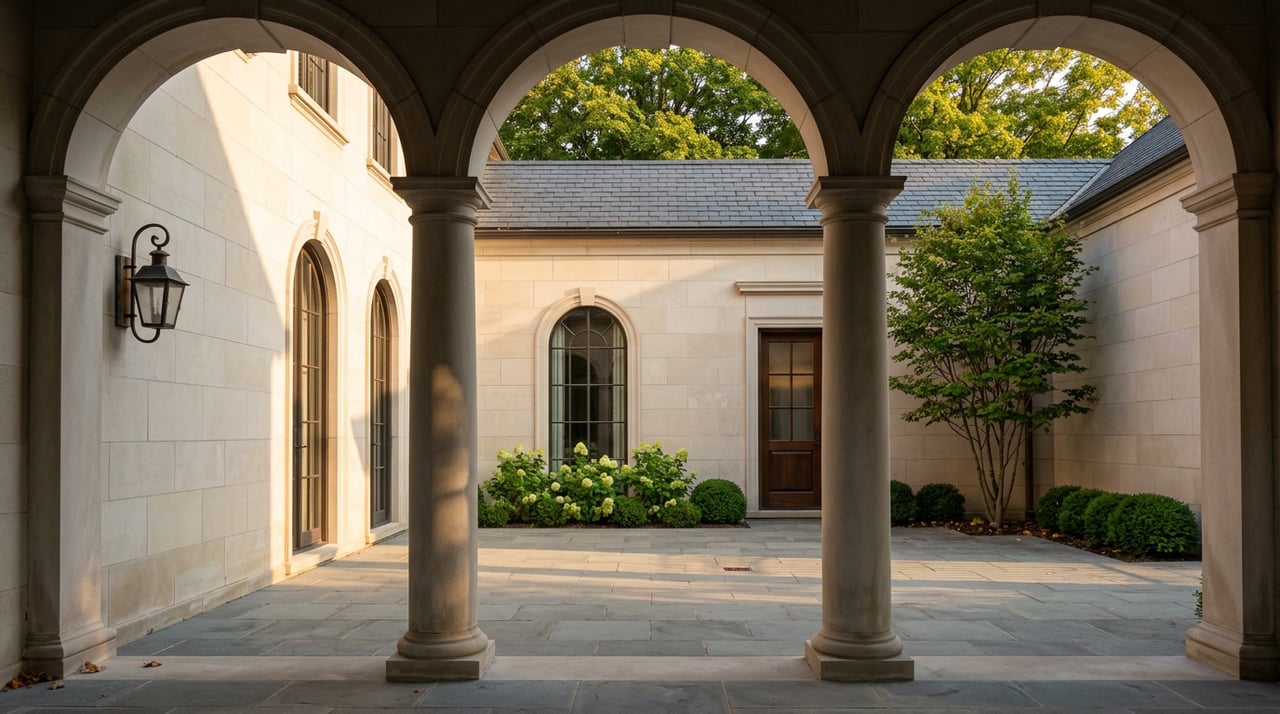
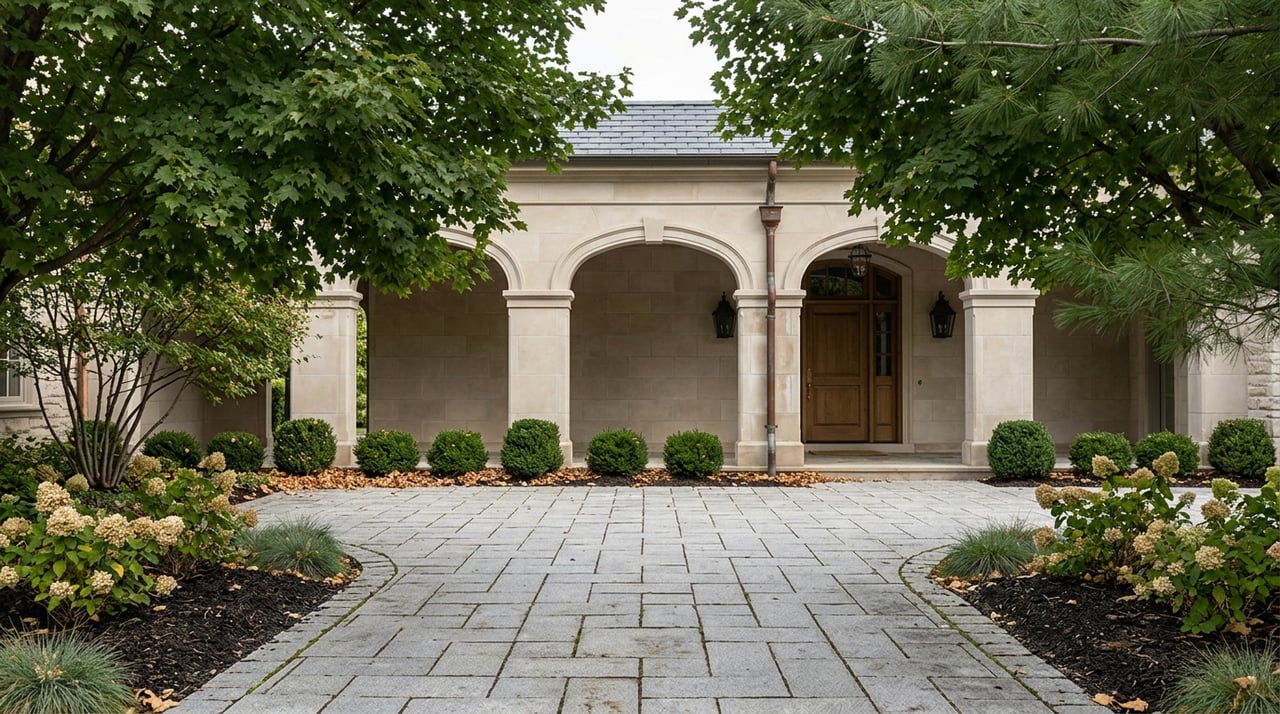
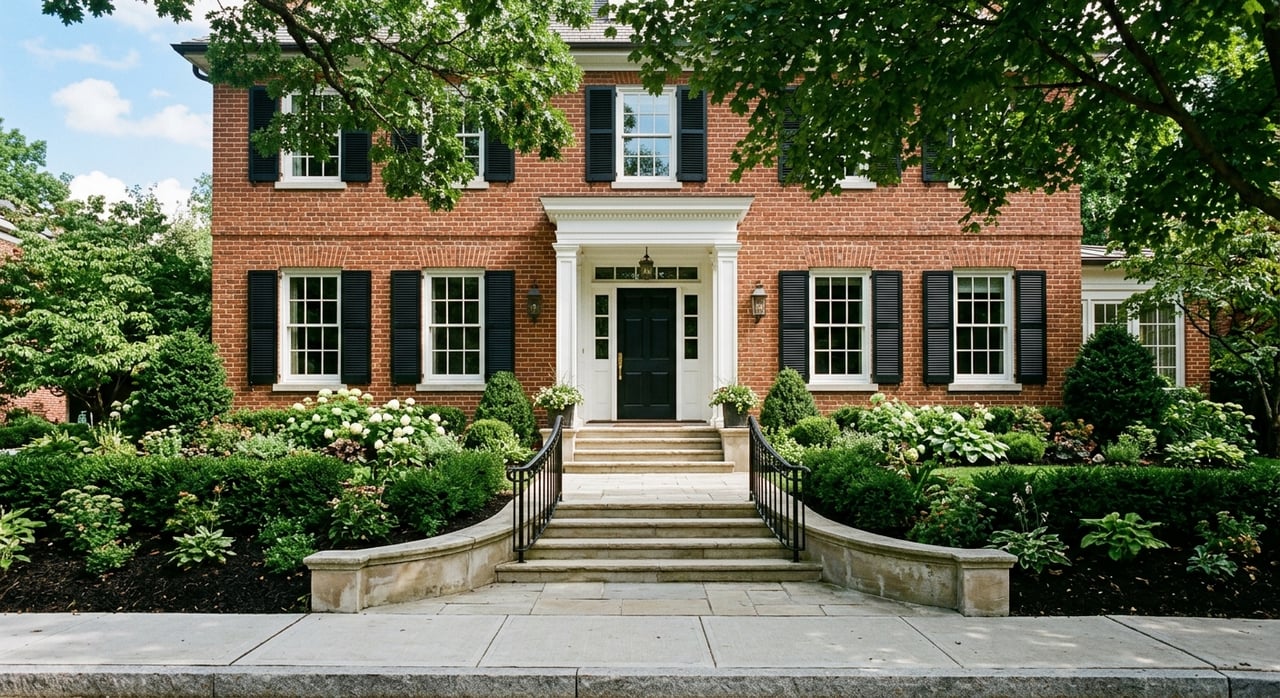
This is not a market defined by density, storefronts, or quick-turn development. Instead, it is better understood as a land-centric estate enclave where privacy, setbacks, and landscape preservation shape the ownership experience.
Estate Living Starts With the Land
In Sunfish Lake, the land often plays as large a role as the house itself. The city’s R-1 Single Family Residential District requires new lots to have 2.5 acres of net area, 200 feet of lot width, 100-foot front setbacks, 50-foot side setbacks for interior lots, and 50-foot rear setbacks. Buildings also may cover no more than 10% of the lot.
Those standards are a major reason the city feels open and buffered. Homes are separated by substantial green space, and the development pattern supports a sense of quiet and retreat that is difficult to replicate in denser suburbs.
The definition of net area matters too. Sunfish Lake excludes wetlands, seasonally flooded land, drainage ways, surface water, aquatic vegetation, and slopes over 12% from that calculation. For buyers, that means a parcel’s usable area may differ from its total size on paper.
Why Privacy Feels Built In
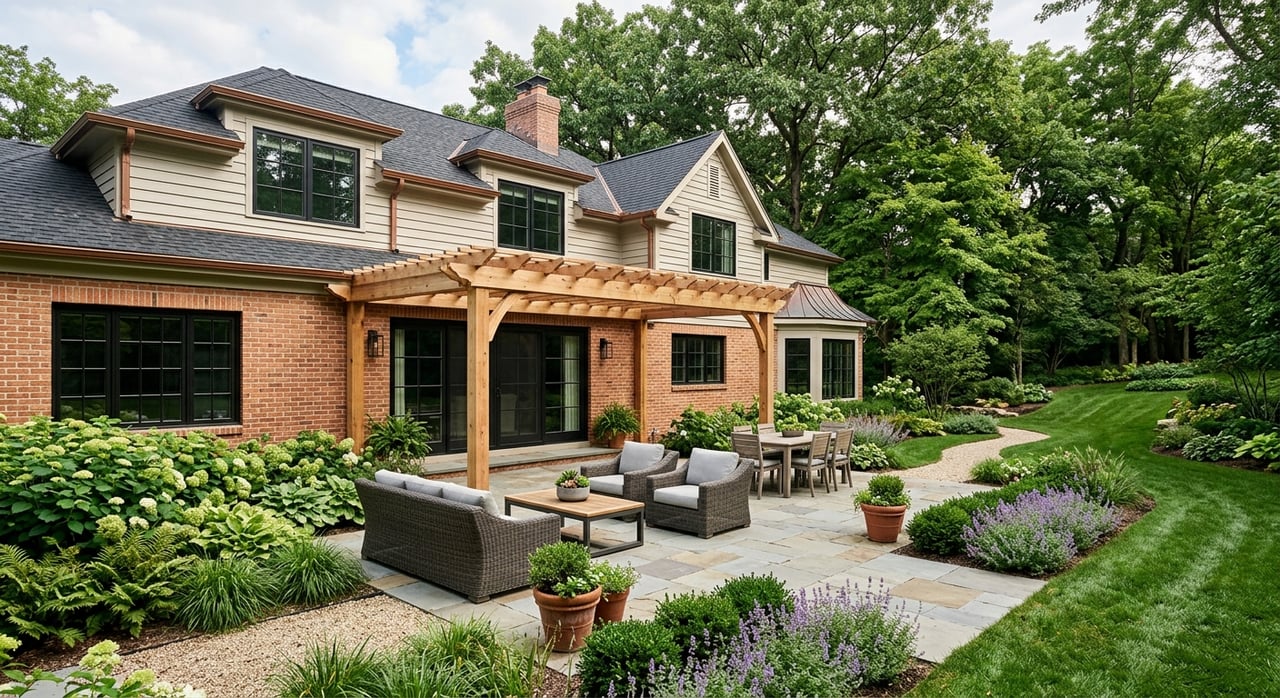
Privacy in Sunfish Lake is not just a marketing phrase. It is reinforced by local regulations that shape how lots are used and maintained. The zoning code requires exposed ground areas to be landscaped with native plants, grass, shrubs, trees, or other ornamental materials.
The city also requires many materials and equipment to be stored inside or fully screened from neighboring properties and street rights-of-way. That helps preserve the polished, unobtrusive appearance that many estate buyers and sellers value.
Subdivision review and setback considerations are also tied to preserving trees, topography, unique physical features, and neighboring views. In practical terms, that means the landscape is treated as a defining feature of the community, not leftover space around a house.
Lake-Oriented Properties Have Added Rules
If you are looking at property near the water, the rules become even more specific. In the shoreland overlay, buildable lot area above the ordinary high-water mark must still be 2.5 acres, frontage must be 200 feet, and lot width at the ordinary high-water mark must be 150 feet.
There is also a 200-foot building setback from the ordinary high-water mark. Impervious surface is capped at 30%, which affects how much of the site can be covered by features such as roofs, driveways, and similar hard surfaces.
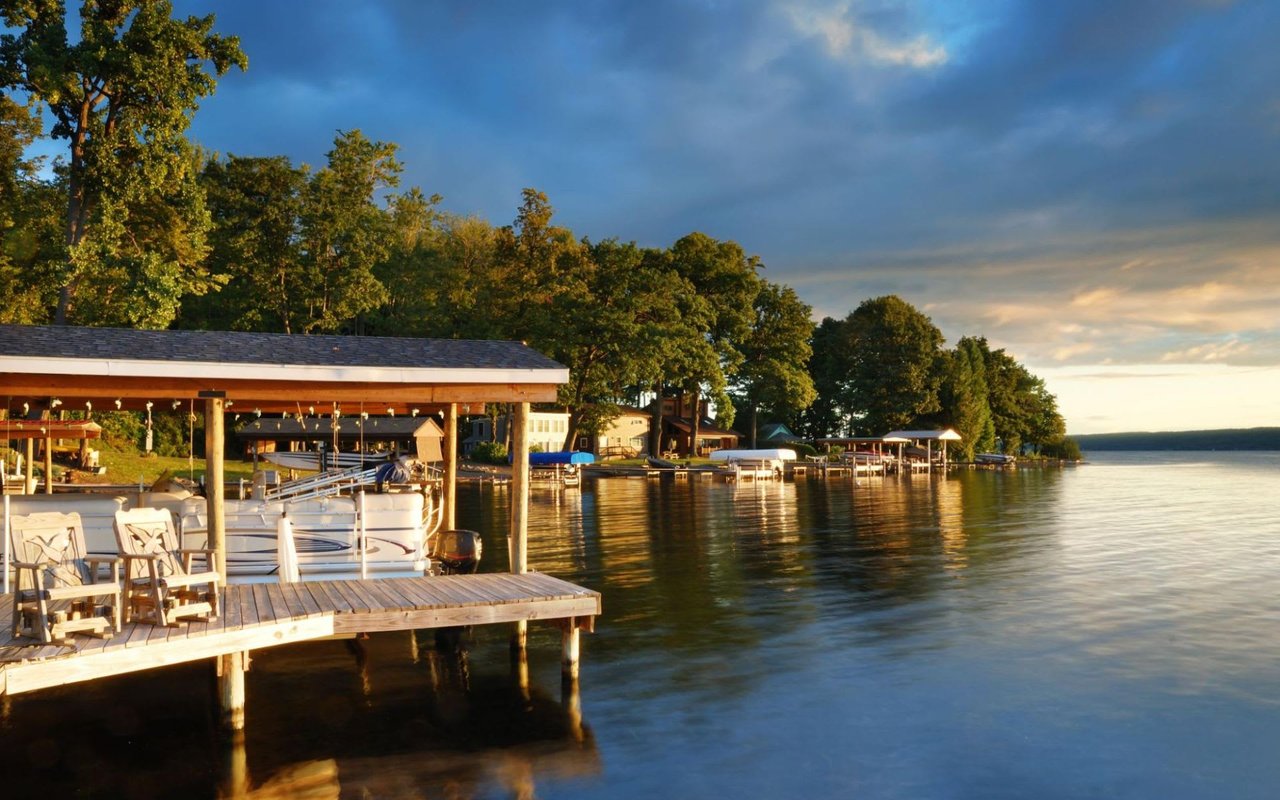
These standards support separation and buffering along the water. The city also prohibits public and private watercraft access ramps and access lots for non-riparian users, which helps maintain a more private setting for lake-oriented parcels.
The Housing Profile Supports the Estate Identity
The available housing data lines up with Sunfish Lake’s physical character. According to Census Reporter’s ACS 2024 5-year profile, about 98% of occupied homes are owner-occupied, and 100% of structures are single-unit homes. That points to a market centered on detached ownership rather than attached housing or rental turnover.
The same profile places the median owner-occupied home value at about $1.12 million. It also reports a median household income of about $236,250 and a per-capita income of about $104,301, though those survey-based figures should be treated directionally because the city has only about 179 households.
Taken together, the data supports a clear picture. Sunfish Lake is a small, owner-occupied, detached-home market where value is closely tied to acreage, privacy, and preservation.
Sunfish Lake vs. Other Luxury Suburbs
Sunfish Lake is part of the Southeast Metro alongside communities such as Mendota Heights, Eagan, and West St. Paul. Even so, its luxury profile is different from higher-density upscale suburbs where value may come from convenience, newer development, or a concentration of nearby commercial amenities.
Here, value is more closely connected to the site itself. Large lots, heavy tree cover, limited building footprint, and broad setbacks create a kind of estate living that feels more secluded and restrained.
That distinction matters if you are comparing options across the Twin Cities. Sunfish Lake is typically less about walkability or volume of amenities and more about protected landscape, visual calm, and long-term privacy.
What Buyers Should Review Carefully
If you are considering a purchase in Sunfish Lake, due diligence should focus on how the parcel fits the city’s rules. A beautiful site can come with meaningful constraints, especially when lot shape, shoreland location, topography, or prior improvements come into play.
Key questions include:
- Is the parcel conforming or nonconforming?
- Does the shoreland overlay apply?
- Do existing improvements comply with setback requirements?
- Does the property meet lot coverage or impervious surface limits?
- Are screening and landscape requirements likely to affect future plans?
The city also limits densification of legacy parcels. Contiguous undersized lots held in common ownership must be combined for use, and legal nonconforming lots generally need a conditional use permit for single-family development. That makes it especially important to review site-specific details early.
What Sellers Should Understand
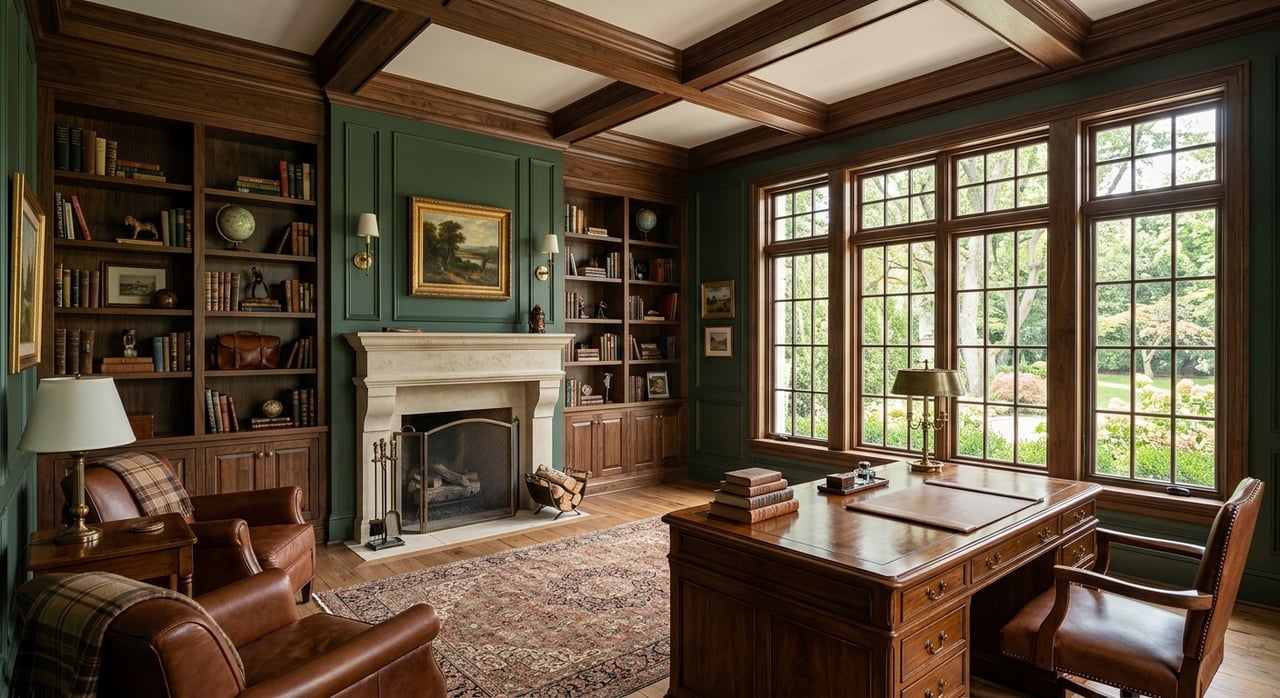
If you own property in Sunfish Lake, your home’s story is likely about more than interior finishes. Buyers in this market often respond to land quality, tree cover, separation from neighboring homes, and how well the property reflects the city’s preservation-minded character.
That means positioning matters. A thoughtful listing strategy should clearly communicate the parcel’s scale, privacy, compliance context, and physical setting, especially when those attributes help distinguish the property from luxury homes in more conventional suburban environments.
For estate-caliber properties, precise pricing and polished presentation are also essential. In a small market with a limited number of homes, buyers tend to pay close attention to what makes a property truly rare.
Stewardship Is Part of the Appeal
One of the clearest ways to understand Sunfish Lake is to think of it as a conservation-minded estate market. The city’s own messaging emphasizes keeping green space intact even as nearby communities develop more intensely.
That gives estate living here a slightly different meaning. Yes, homes can be substantial, but the broader appeal is often about restraint, privacy, and stewardship of the land.
For many buyers, that is exactly the point. Sunfish Lake offers a version of luxury that feels established, protected, and unusually tied to the landscape itself.
If you are exploring a move to Sunfish Lake or preparing to sell an estate property there, working with an advisor who understands both the numbers and the nuances can make the process far more efficient. Sally English offers discreet, analytically grounded guidance for Twin Cities luxury buyers and sellers who value clarity, strategy, and thoughtful representation.
FAQs
What defines estate living in Sunfish Lake, Minnesota?
- Estate living in Sunfish Lake is defined by large lots, detached single-family homes, significant setbacks, high tree cover, and a preservation-focused setting rather than density or commercial convenience.
How large are lots in Sunfish Lake?
- In the city’s R-1 district, new lots generally require 2.5 acres of net area and 200 feet of lot width, with net area excluding certain wetlands, water features, drainage areas, and steep slopes.
Are most homes in Sunfish Lake owner-occupied?
- Yes. Census Reporter’s ACS 2024 5-year profile shows about 98% of occupied units are owner-occupied, and 100% of structures are single-unit homes.
What should buyers review before purchasing in Sunfish Lake?
- Buyers should review whether a parcel is conforming or nonconforming, whether shoreland rules apply, and whether current improvements comply with setback, lot coverage, screening, and landscape standards.
How does Sunfish Lake compare to other Twin Cities luxury markets?
- Sunfish Lake stands out as a land-centric estate enclave where value is strongly tied to acreage, canopy, privacy, and limited development footprint rather than walkability or denser amenity access.
What is the median home value in Sunfish Lake?
- Census Reporter’s ACS 2024 5-year profile lists the median owner-occupied home value at about $1.12 million, though figures in a community this small are best viewed as directional.